Saint Sigismund Church in Żelichów: A Wooden Roman Catholic Parish Church
Site at a Glance
- Popularity
- Very Low
- Country
- Poland
- Primary era
- Early Modern
- Eras represented
- Early Modern, Modern
- Civilizations
- Polish–Lithuanian Commonwealth
- Site type
- Religious
- Remains
- Church
On this page6 sections
History
Saint Sigismund Church in Żelichów is a wooden Roman Catholic parish church in Poland, built at Pleśna in 1642 and moved to its present site in 1938. It serves the parish of St Sigismund, established in 1940. Saint Sigismund was an early sixth-century king of Burgundy who was later venerated as a Christian saint and martyr.
In 1665, troops of George II Rákóczi, a prince of Transylvania, destroyed the church. It was restored that year.
Remains
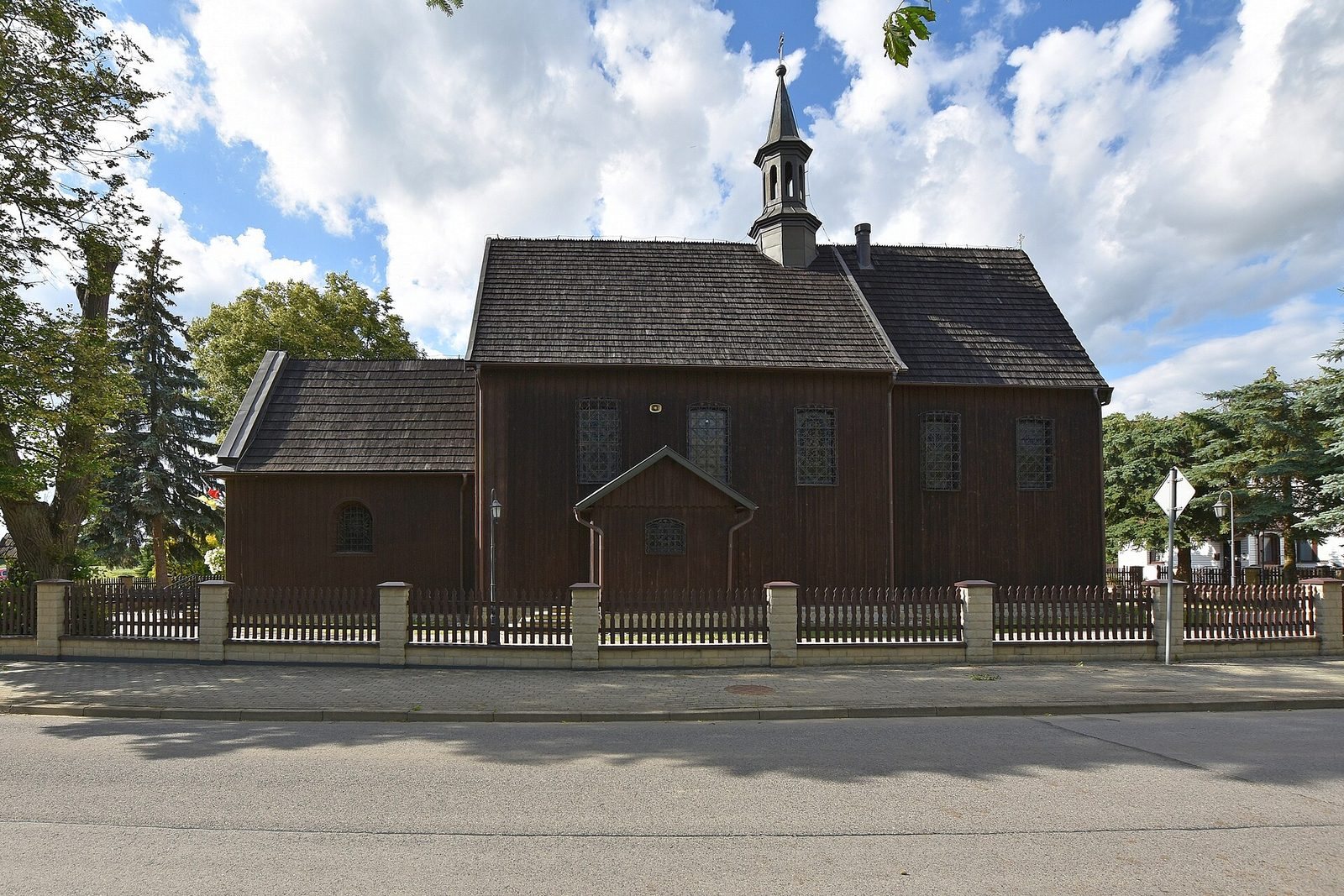
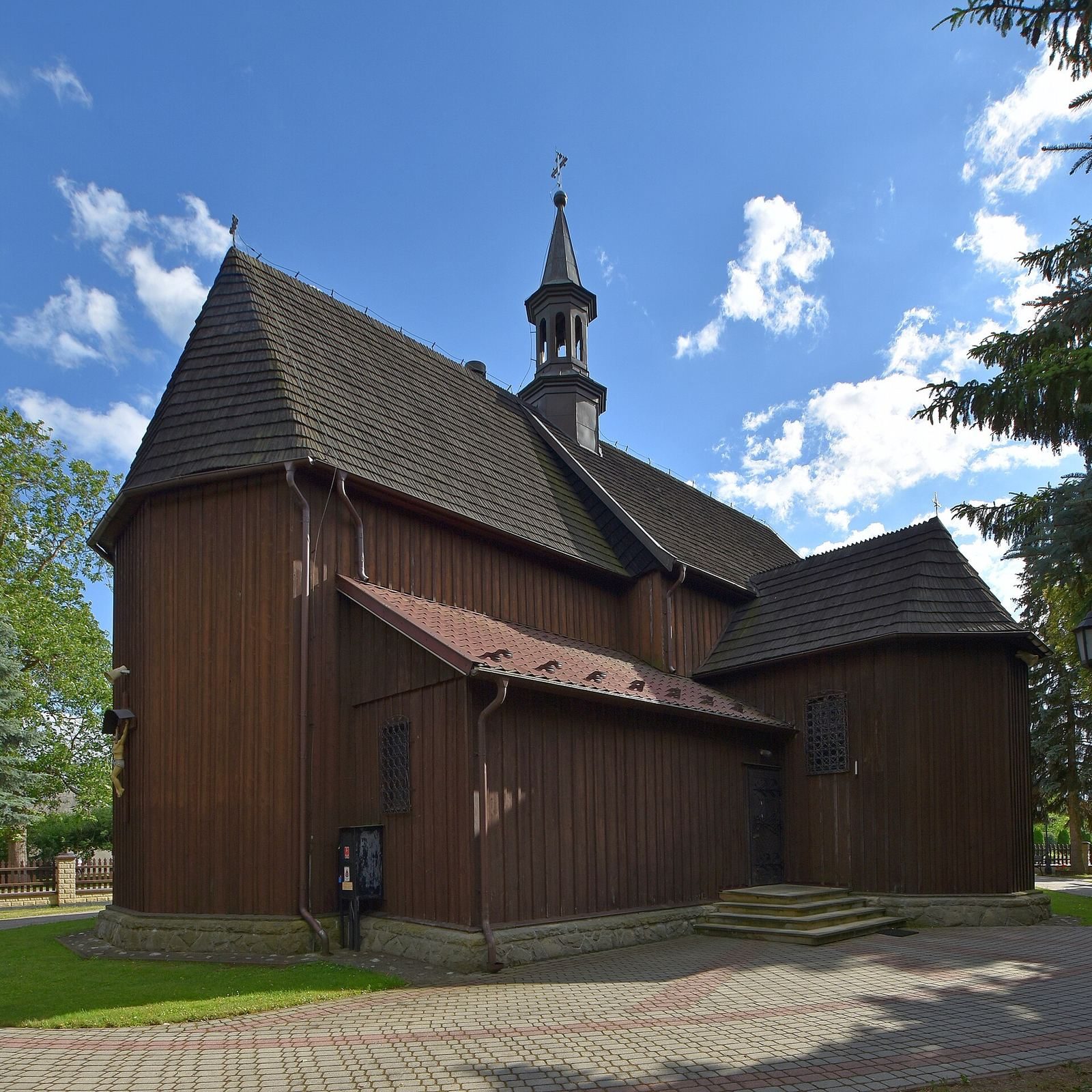
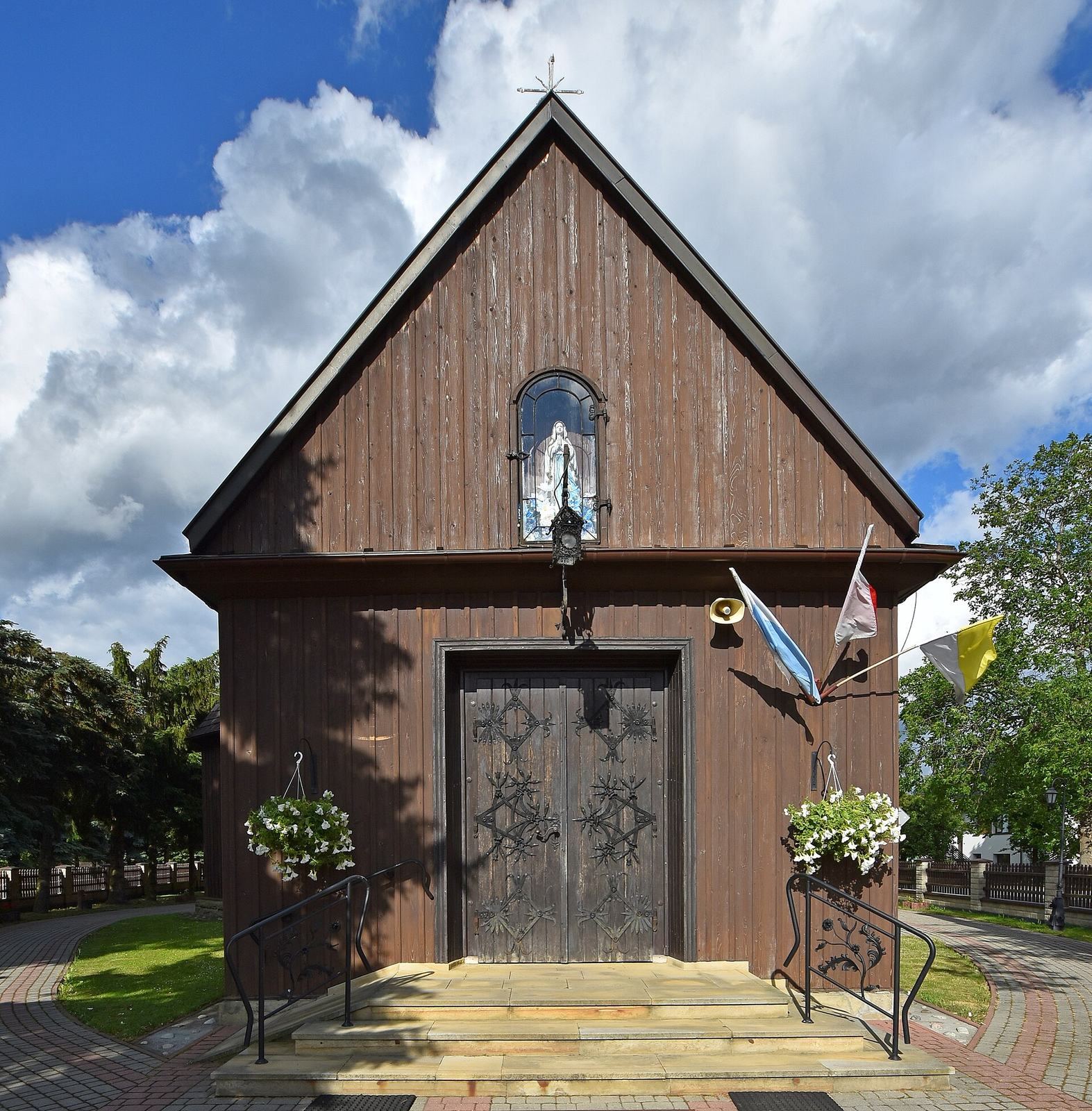
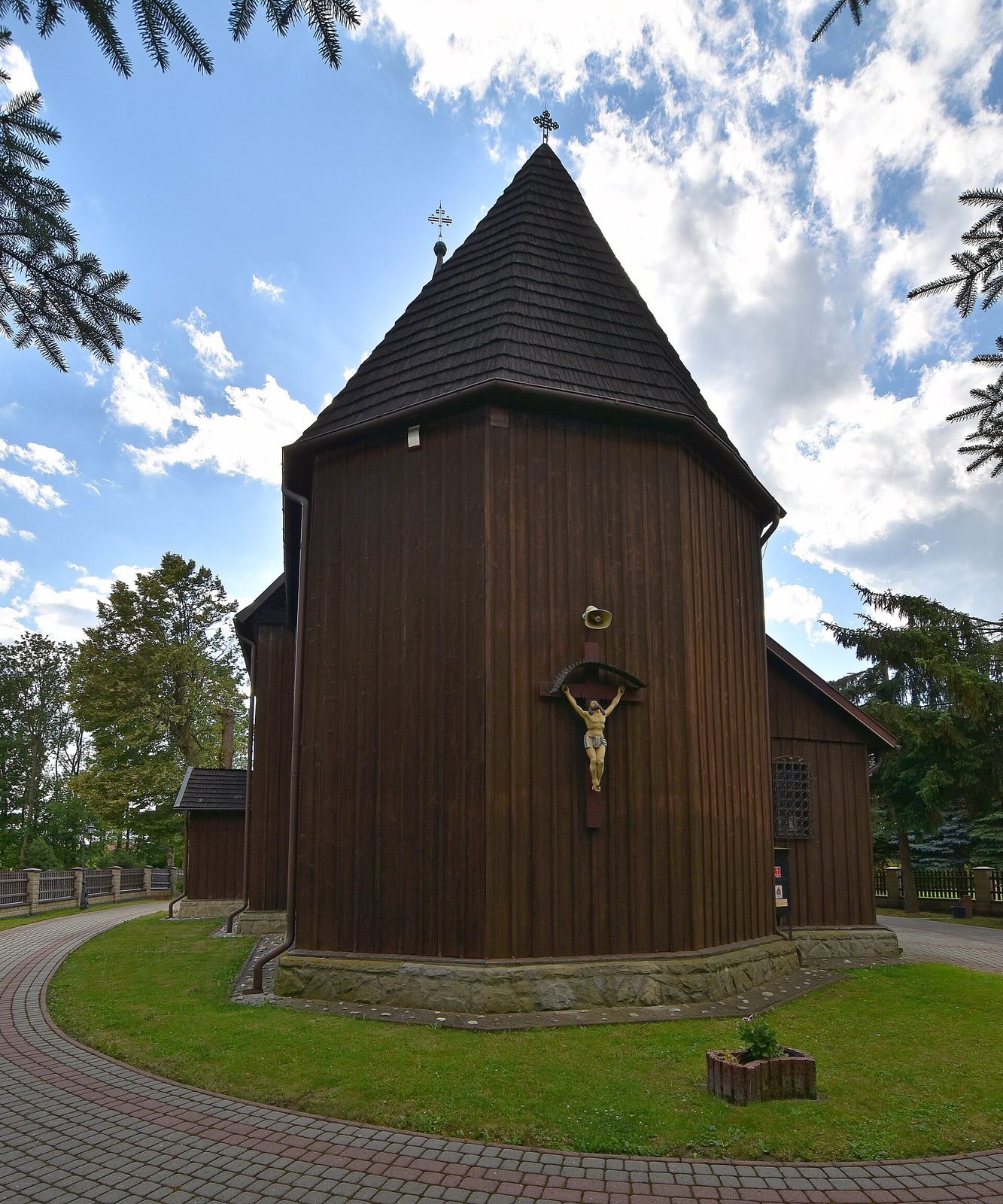
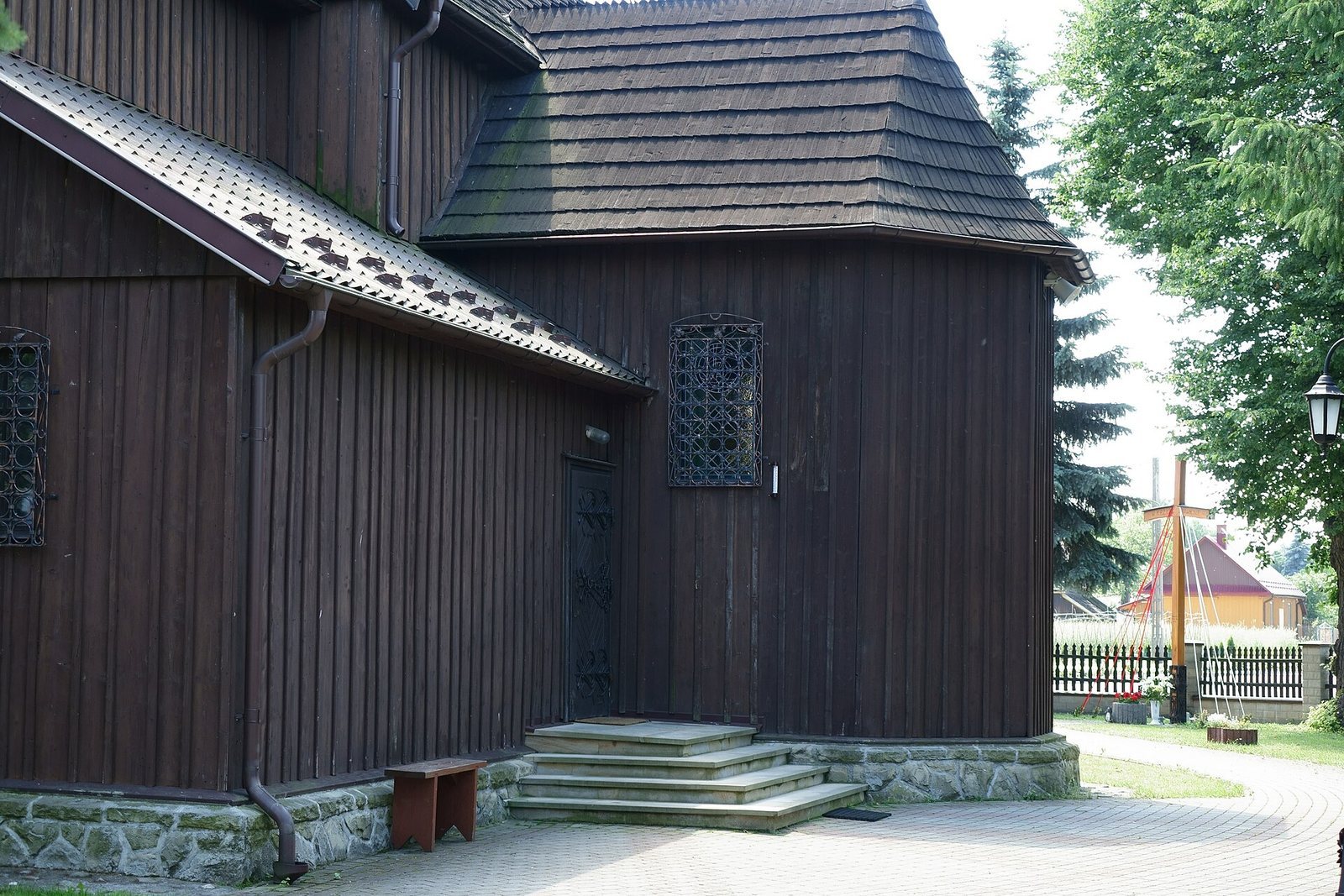
The church is a log-built timber structure with a single nave, the main body of the church, and a chancel, the altar end, with a three-sided termination. A sacristy, a room used in preparing for worship, adjoins the chancel. A three-sided chapel also adjoins the nave, which has a porch and vestibule.
Exterior
A bell turret rises above the nave, topped by a lantern and a conical roof. Boards cover the exterior walls, and wooden shingles cover the roof. A fence made of concrete and wood surrounds the church.
Interior and furnishings
Altars and polyptych
The interior has flat ceilings. A decorative lintel above the sacristy portal bears the date 1642, while the chapel opens into the nave through a moulded semicircular arch. The church has two altars. Its most valuable furnishing is a late-Gothic polyptych, or multi-panel altarpiece, from the church in Tymowa, Lower Silesia. It dates to the early 16th century and is attributed to the workshop of Jakub Beinhart, a late-Gothic artist active in Silesia. The attribution associates the work with his workshop, but does not identify him as its individual maker. Other furnishings include an 18th-century pulpit in the Baroque style, followed by the Rococo style in European art, and a Rococo altar from the second half of the 18th century. A painting of Saint Anne teaching Mary on that altar dates to around the turn of the 20th century.
Crucifixion group and other artworks
A 16th-century late-Gothic Crucifixion group is mounted on the rood beam, which spans the opening between nave and chancel. Other furnishings include sculptures and paintings dating from the 15th to 19th centuries, among them a Baroque Pensive Christ and a small Rococo crucifix. The church also has 20th-century stained glass.