Zindelstein Castle: A Medieval Road Fortress in Germany
Site at a Glance
- Popularity
- Low
- Country
- Germany
- Primary era
- Medieval
- Eras represented
- Medieval
- Civilizations
- Holy Roman Empire
- Site type
- Military
- Remains
- Castle
On this page8 sections
History
Zähringen and changing lords
Zindelstein Castle is a medieval ruin near Donaueschingen in Germany, probably built in the twelfth century by the Counts of Zähringen, a noble dynasty in southwestern Germany. It guarded the road between the Breisgau and Villingen and formed part of a defensive line that also included Kirnberg and Warenburg. The castle first appears in a document in 1225.
After Berthold V, the last duke of Zähringen, died in 1218, the property passed by inheritance to the Counts of Urach, who later called themselves Counts of Freiburg. By the middle of the thirteenth century it belonged to the House of Fürstenberg, another southwestern German noble dynasty. In the fourteenth century it was held by Count Hugo of Fürstenberg.
Decline and destruction
After the Fürstenbergs built Neu-Fürstenberg farther west near Hammereisenbach, Zindelstein became less important and was increasingly described as a former castle site. Jörg Stähelin von Stockburg acquired it in 1497, but Count Wolfgang of Fürstenberg bought it back in 1505. On 7 May 1525, during the German Peasants’ War, a major uprising in German-speaking lands in 1524–25, a peasant force from the Klettgau led by Hans Müller destroyed the castle. Its remains were later used as a quarry.
Residents and local legends
Zähringer service nobles, known as ministerials, lived at the castle at times. Countess Adelheid, the widow of Count Egino V, also resided there before entering the convent at Günterstal, south of Freiburg im Breisgau. Her son, Count Gottfried of Freiburg-Fürstenberg, lived at Zindelstein as well and later became a canon, or member of a cathedral chapter, at Constance.
One legend tells of a knight of Zindelstein who went east during the Crusades, medieval religious wars that included campaigns by Latin Christian powers in the eastern Mediterranean. He supposedly returned with rich spoils, among them a carbuncle, an old name for a red gemstone, often a garnet. The story says that when he set the gem on the battlements, its light shone across the Breg valley, and it links the castle’s name with the idea of kindling. Another tale says children playing near the Bummrige Mark boundary stone by Tannheim found a hidden passage leading from the castle to Tannheim Monastery. In the same tradition, the spirits of Zindelstein’s lords frighten travelers there at night.
Remains
Castle layout
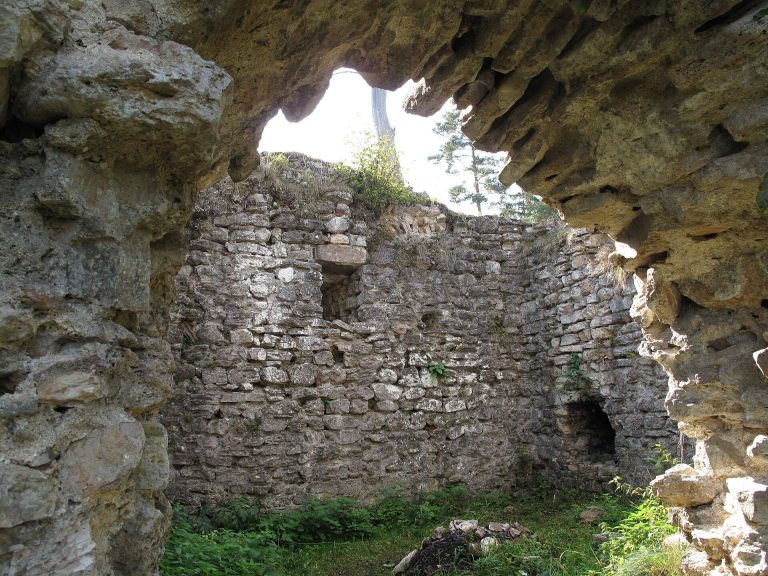
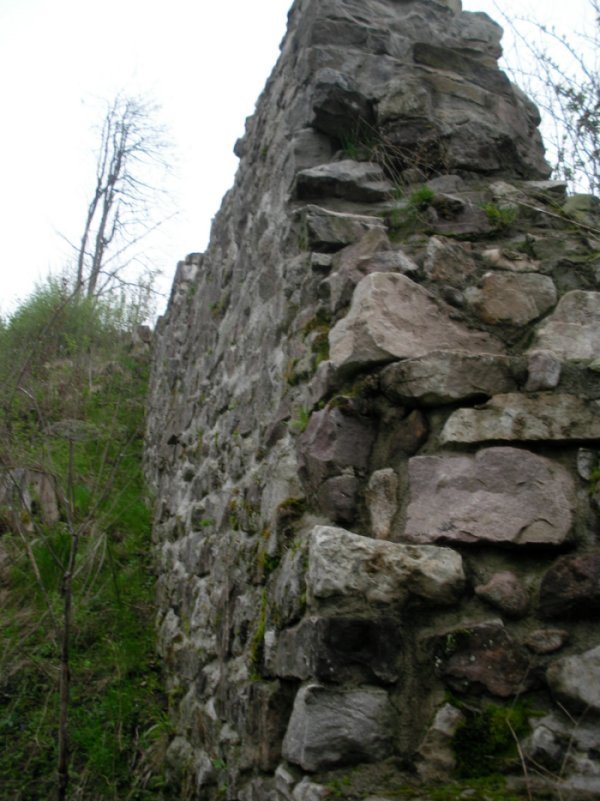
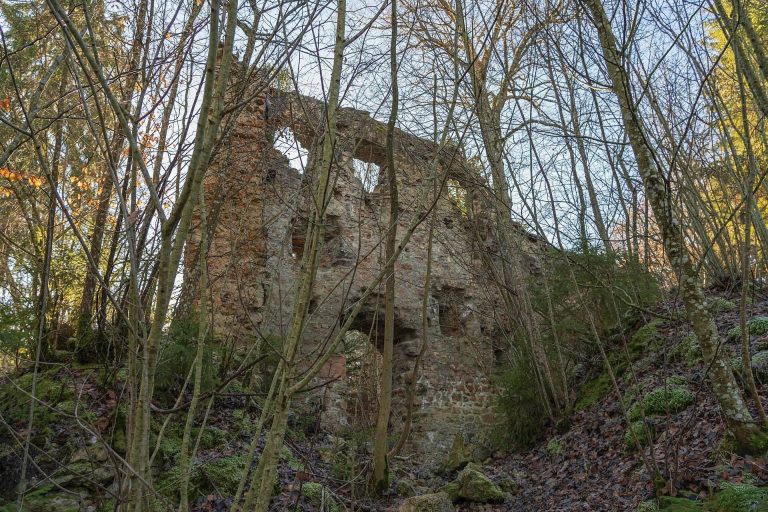
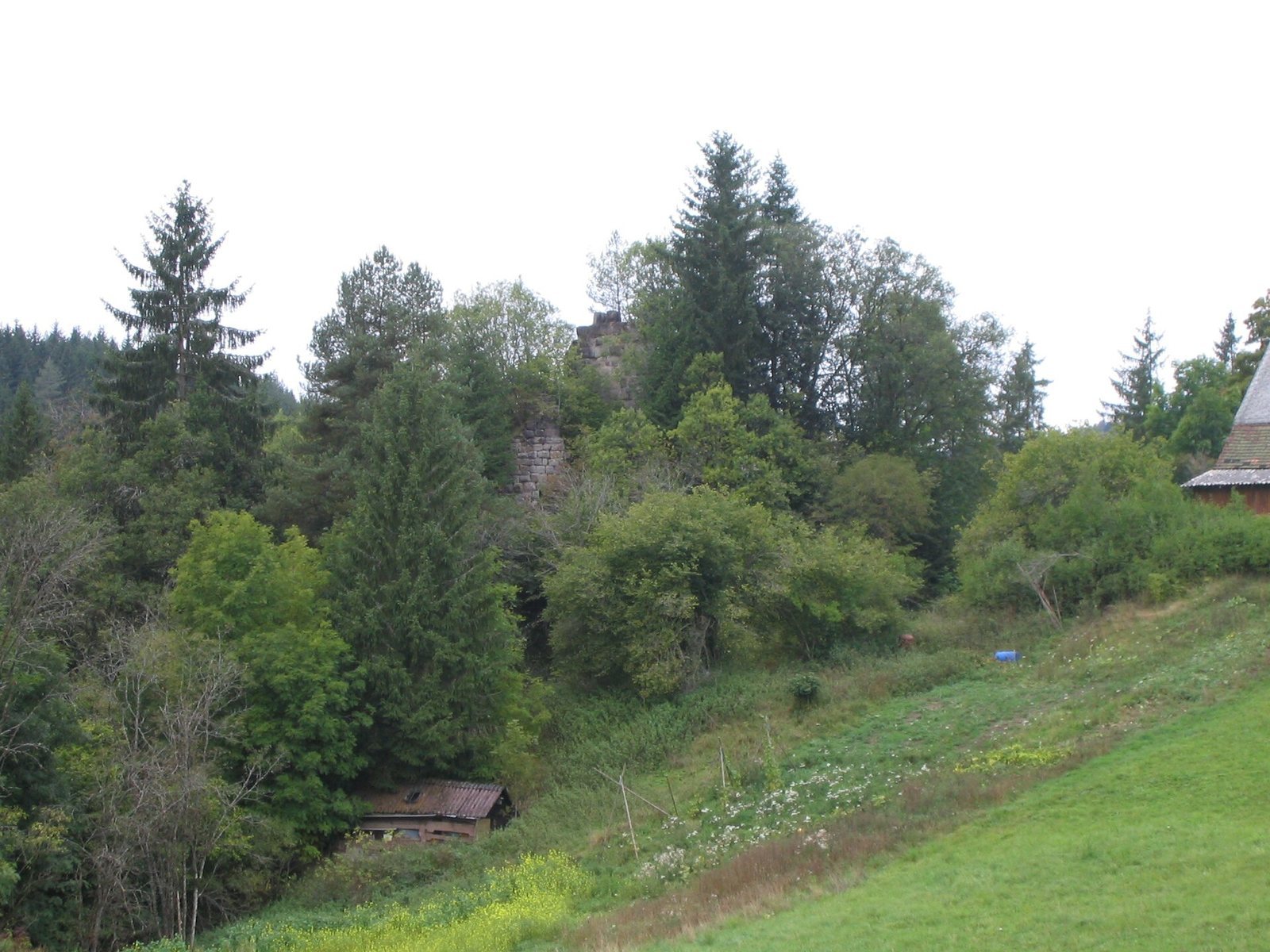
The castle stands on a rocky spur at about 750 metres above sea level, on the left bank of the Breg between Furtwangen and Wolterdingen, a district of Donaueschingen. Its layout included a core castle and a later outer bailey, an additional enclosed area beyond the core, on its southern side. A defensive ditch cut across the narrow approach between the castle and the plateau. Substantial masonry survives in the outer bailey.
Core castle and defensive tower
The oldest part of the castle was probably its main defensive tower, dating to the Staufer period, the era of the Hohenstaufen ruling dynasty. The tower now survives as a stump.
Outer bailey
A landslide partly destroyed the outer bailey in 1970. Extensive masonry and substantial remains still survive, but neglect leaves them at risk of complete collapse.