Hohengerhausen Castle Ruins: A Medieval Hilltop Castle in Germany
Site at a Glance
- Popularity
- Medium
- Country
- Germany
- Primary era
- Medieval
- Eras represented
- Medieval
- Civilizations
- Holy Roman Empire
- Site type
- Military
- Remains
- Castle
On this page6 sections
History
Medieval castle
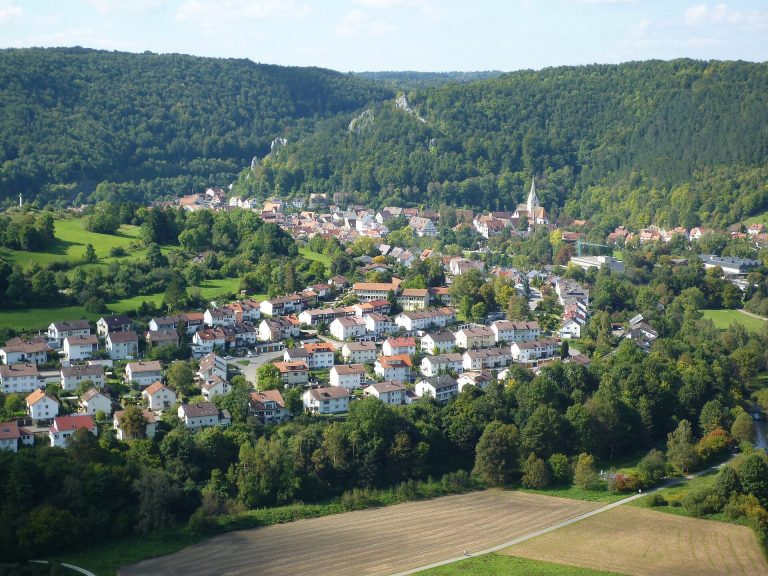
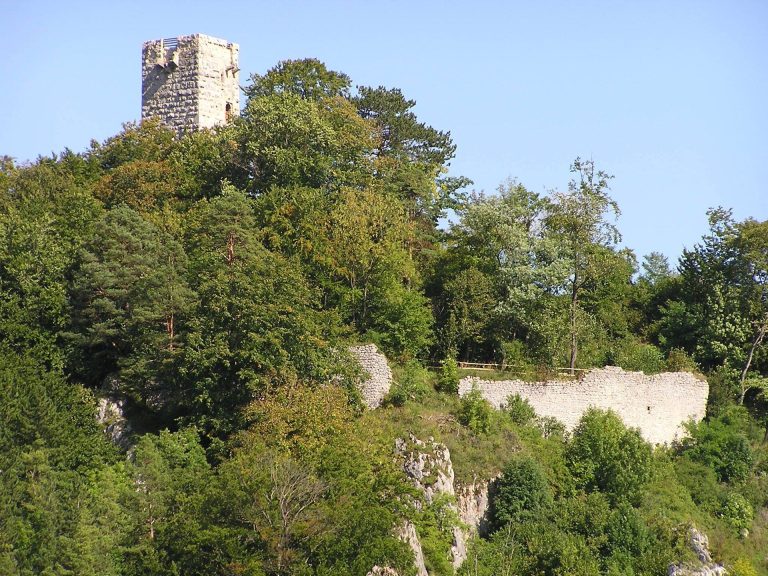
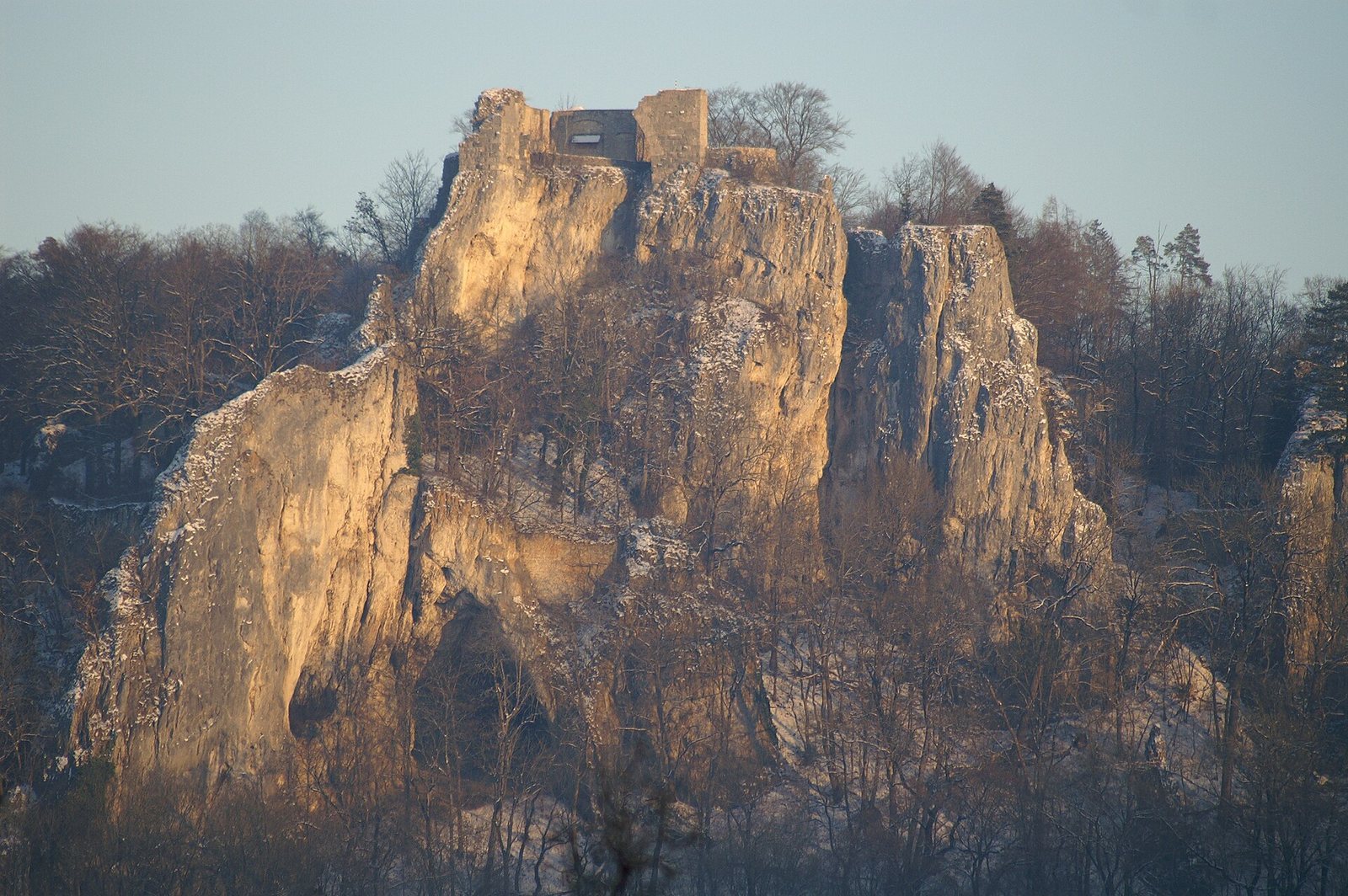
Hohengerhausen Castle Ruins, also known as Rusenschloss, occupy elevated ground above Gerhausen, a district of Blaubeuren, Germany. Hartmann II, Count of Dillingen and a member of a Swabian noble family, built the castle around 1080. It was expanded during the 12th and 13th centuries and renovated after 1282. Later owners included the Counts of Helfenstein, Austria, and Württemberg, a historic territory and ruling house in southwestern Germany.
Dismantling and repair
Dismantling began in 1768. Repairs to the ruins took place from 1974 to 1977, followed by further renovation from 2017 to 2021.
Remains
Castle structures
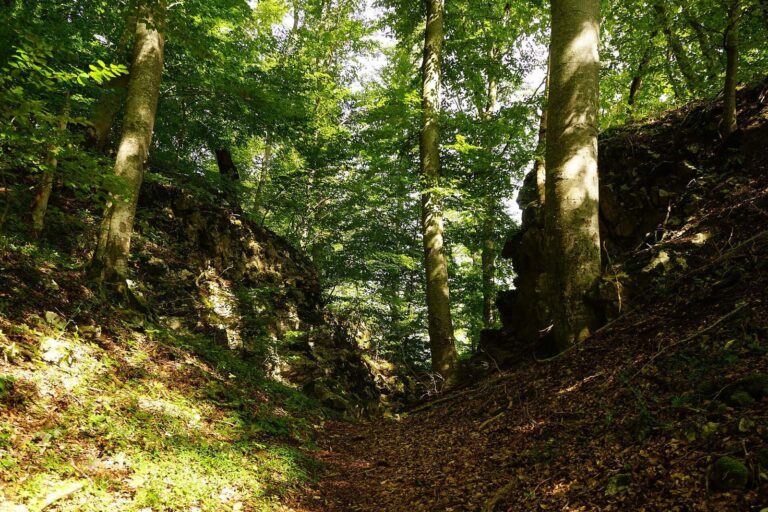
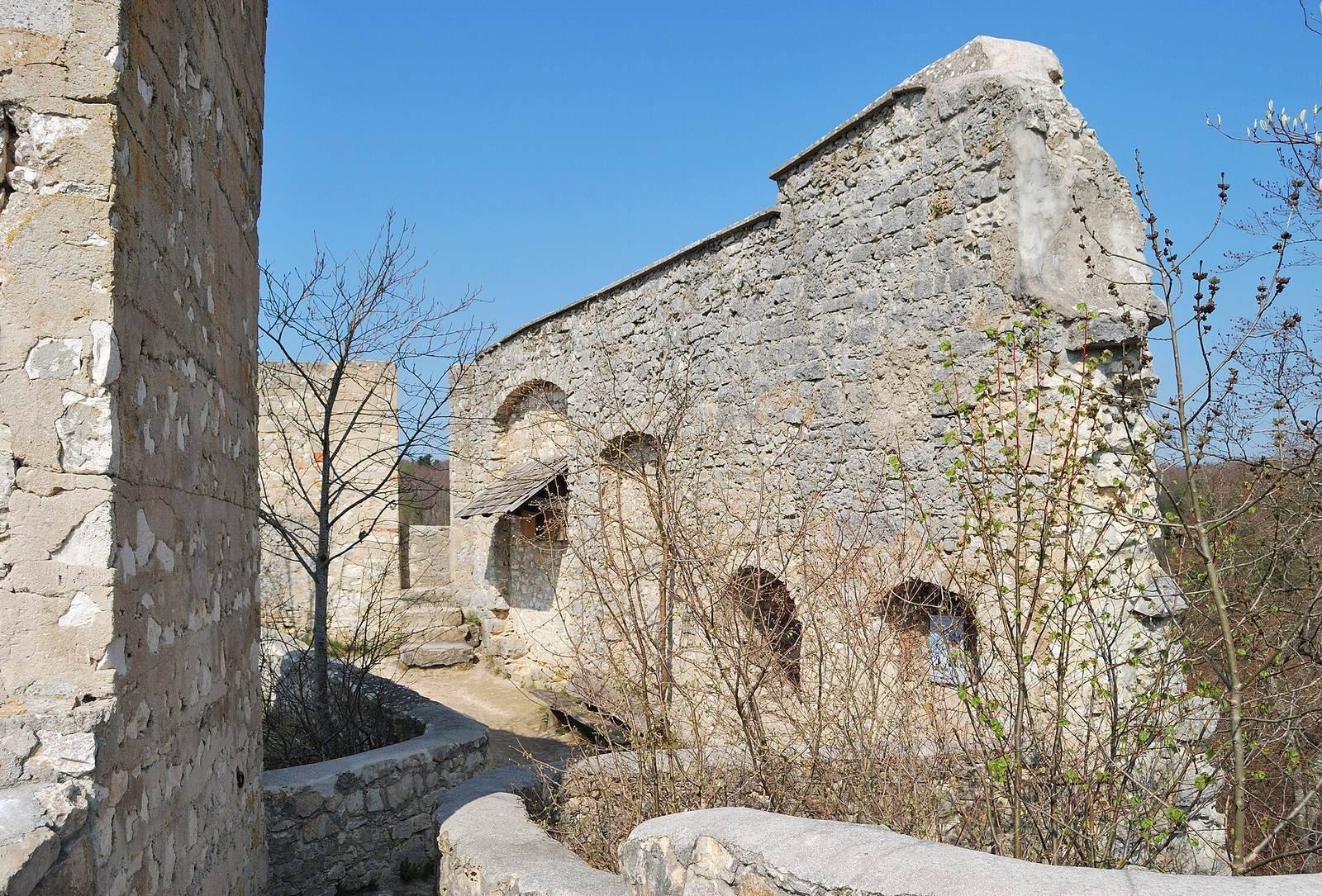
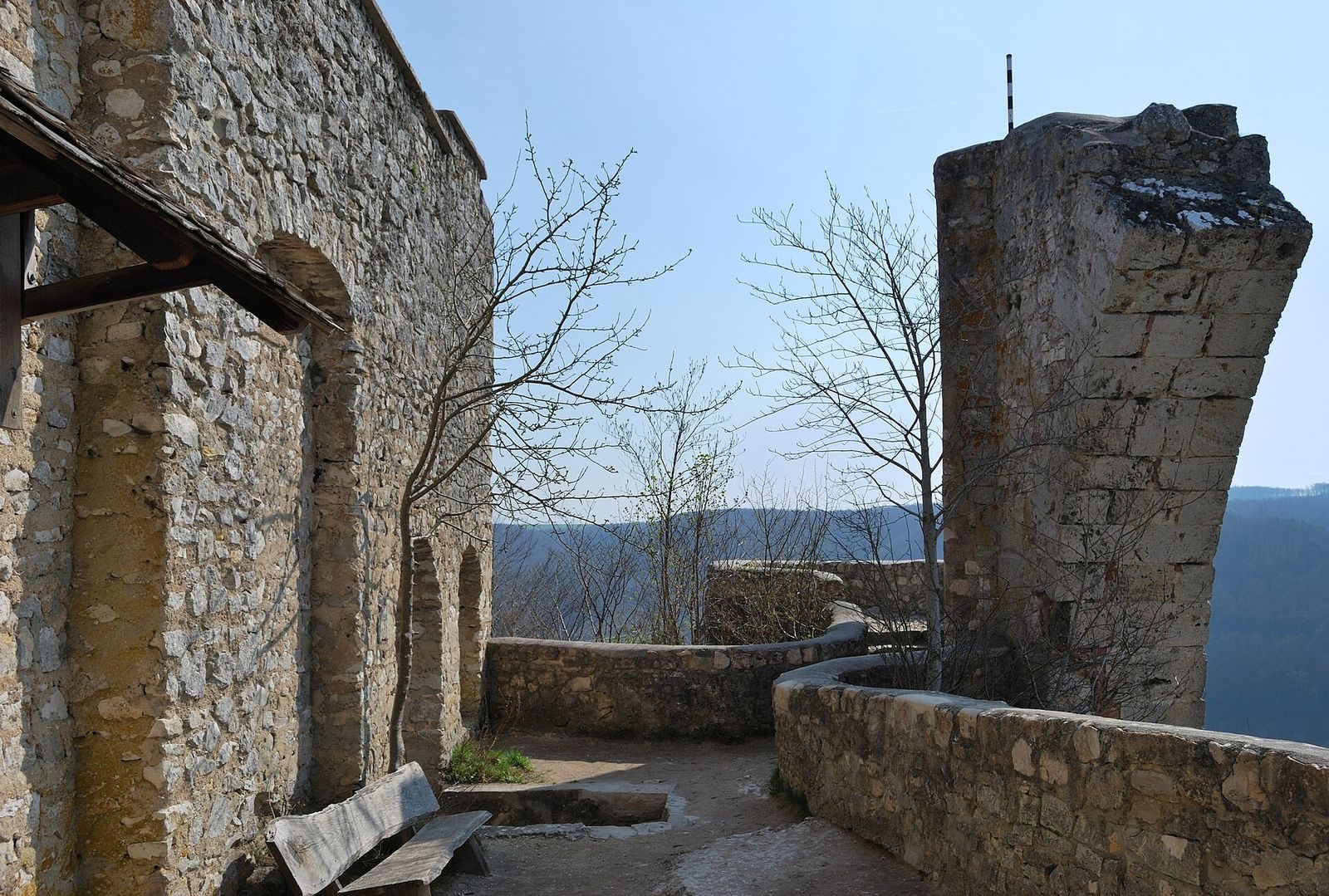
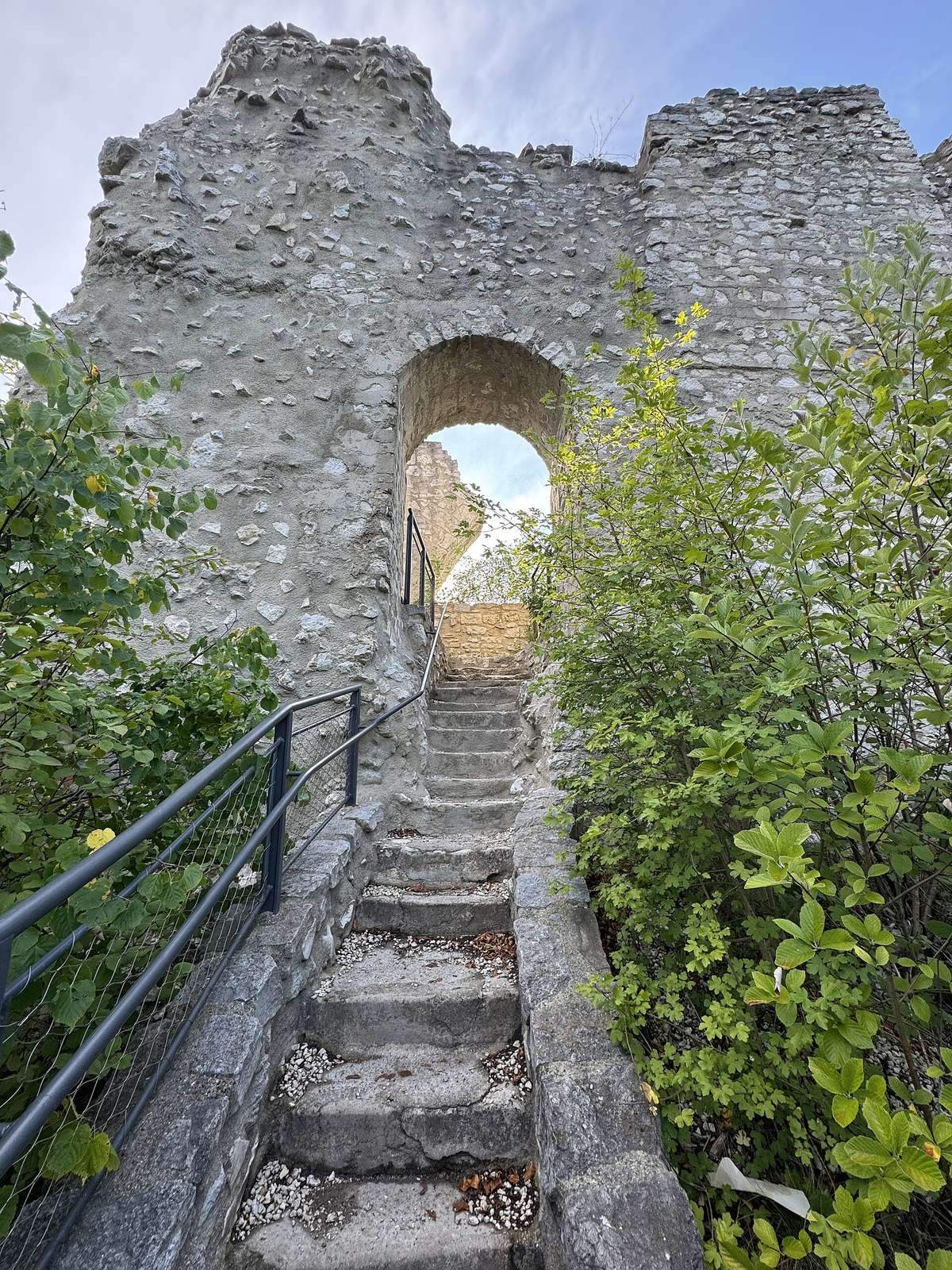
The surviving remains occupy the hilltop castle complex. A well-preserved gate-tower ruin lies on its north side, while remnants of other towers and the keep also survive. The keep was the castle’s principal fortified tower, often used as a stronghold and residence.
Great Grotto
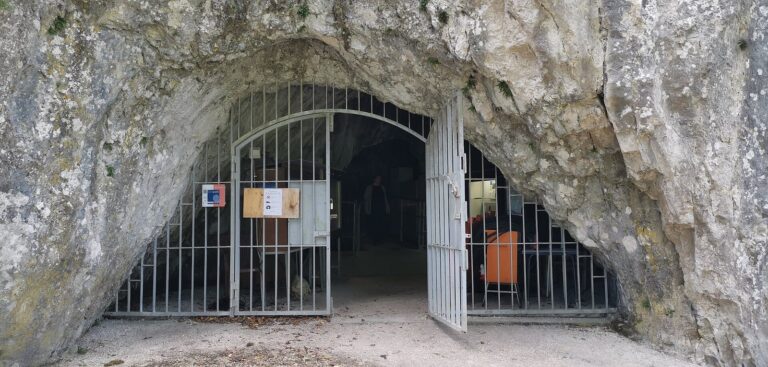
The Great Grotto opens in the rock below the castle complex. Its entrance measures 17 by 15 metres, and the cave reaches 28 metres deep. Evidence dating to the Neanderthal period was found inside. Neanderthals were an extinct human group that lived in Europe and parts of western Asia during the Pleistocene.