Reformed Christian Church in Kalinčiakovo: A Romanesque Church in Slovakia
Site at a Glance
- Rating
- 4.4
- Popularity
- Very Low
- Country
- Slovakia
- Primary era
- Medieval
- External website
- Open
- Eras represented
- Medieval, Early Modern
- Civilizations
- Habsburg, Hungarian
- Site type
- Religious
- Remains
- Church
On this page7 sections
History
Romanesque origins
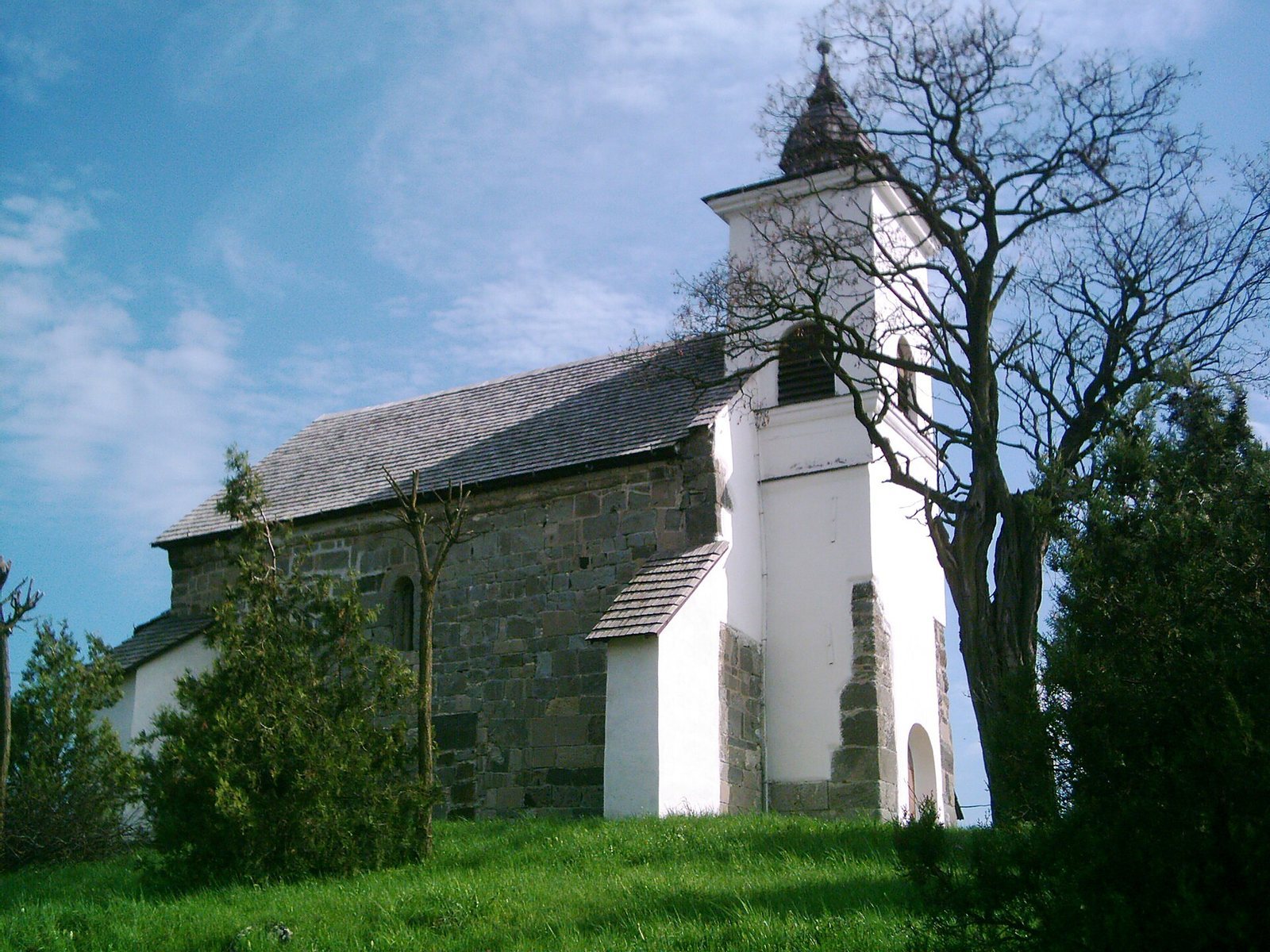
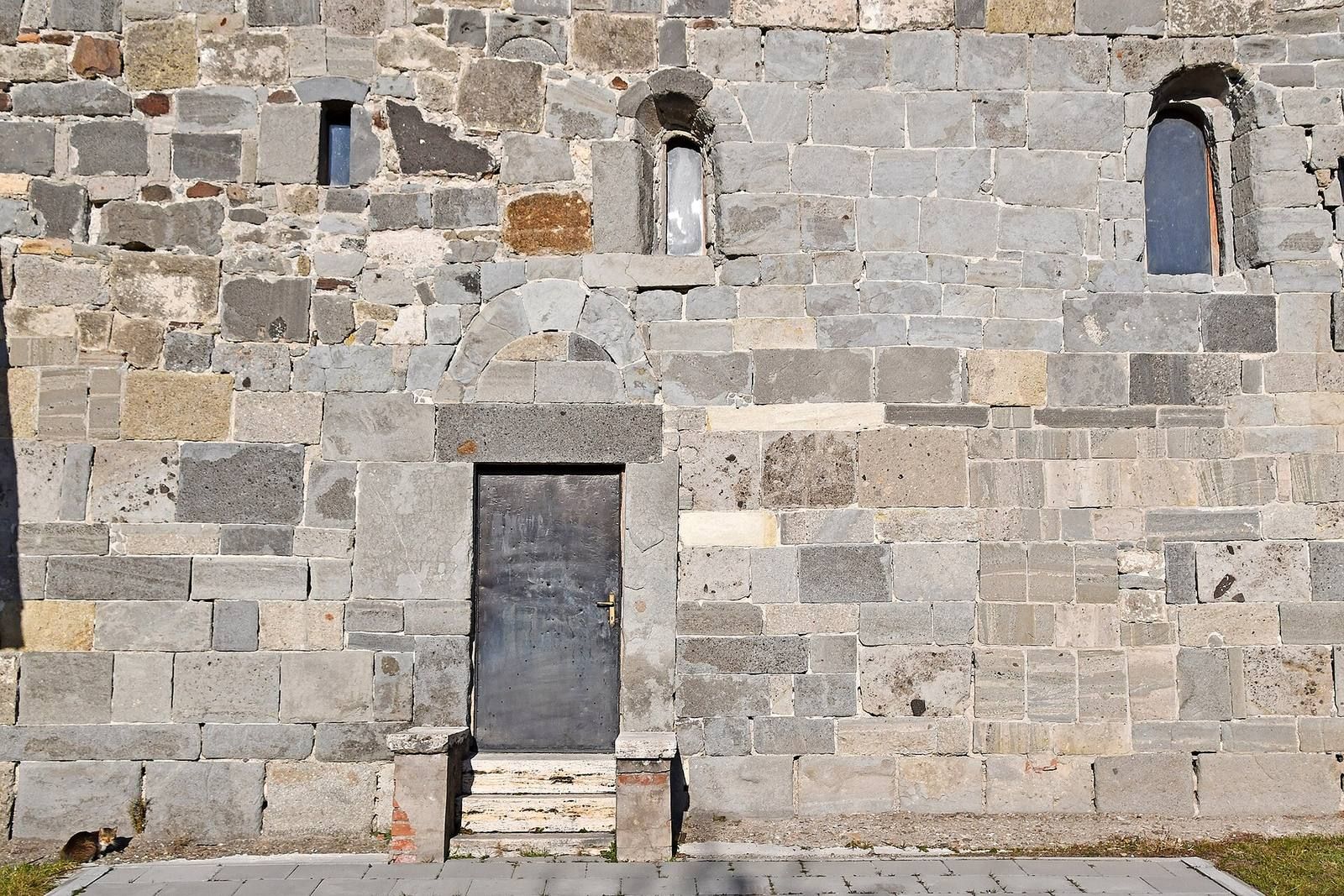
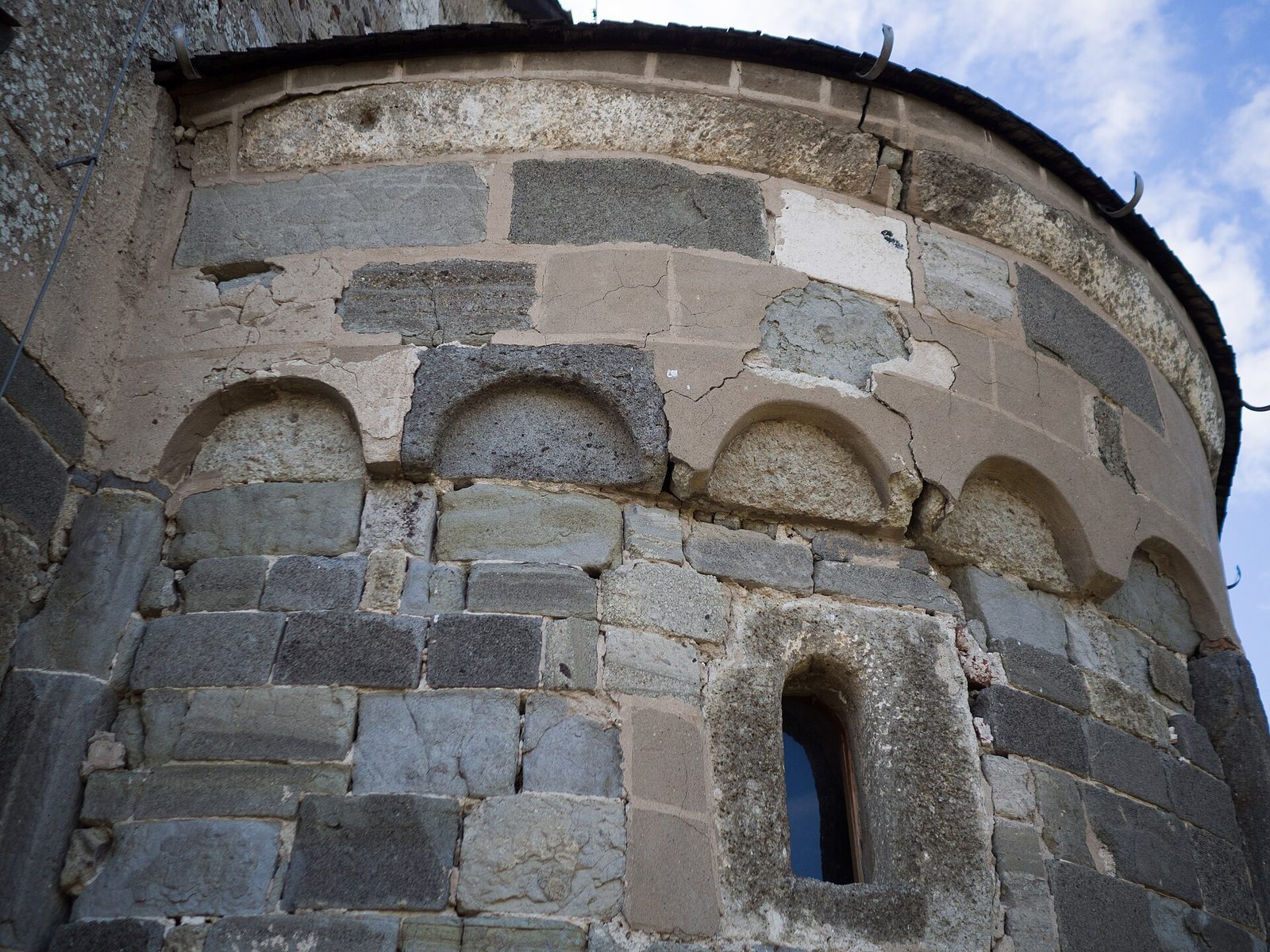
The Reformed Christian Church is a Romanesque sacred building in Kalinčiakovo, now a municipal part of Levice in Slovakia. It dates from the middle of the twelfth century and was originally a Catholic church dedicated to Saint Anne, traditionally regarded in Christianity as the mother of Mary, the mother of Jesus. Romanesque architecture was a medieval style associated with massive construction, rounded arches, and semicircular forms.
Reformed use and later alterations
The church has belonged to the Reformed Christian Church in Slovakia since 1655. This Protestant denomination is associated with the Calvinist tradition of the Reformation. Over time, the building was restored and stylistically modified. Buttresses were added, and a two-storey quadrangular tower was attached during the Baroque period, a later architectural style known for more elaborate forms and decoration.
Modern preservation
Recorded restorations took place in 1836, 1932, and 1957–1958. The church is designated a Slovak national cultural monument, with its registration dated 23 October 1963.
Remains
Romanesque church structure
The building combines Romanesque and Baroque elements. Its Romanesque core consists of a longitudinal nave with a flat ceiling and a semicircular apse, the rounded termination of the church. The later quadrangular tower rises in two storeys, while the added buttresses form part of the building’s later structural and stylistic development.
Interior features and furnishings
Inside, a Romanesque western gallery is supported by columns with square capitals, the uppermost parts of the columns. The furnishings include a Classicist-period organ, reflecting the formal vocabulary associated with ancient Greek and Roman design, as well as liturgical vessels dating from the seventeenth to the nineteenth centuries.