Räcäp Mosque: A Wooden Mosque Built for Factory Workers in Kazan
Site at a Glance
- Popularity
- Low
- Country
- Russia
- Primary era
- Modern
- Eras represented
- Modern
- Civilizations
- Russian
- Site type
- Religious
- Remains
- Mosque
On this page7 sections
History
Foundation and congregation
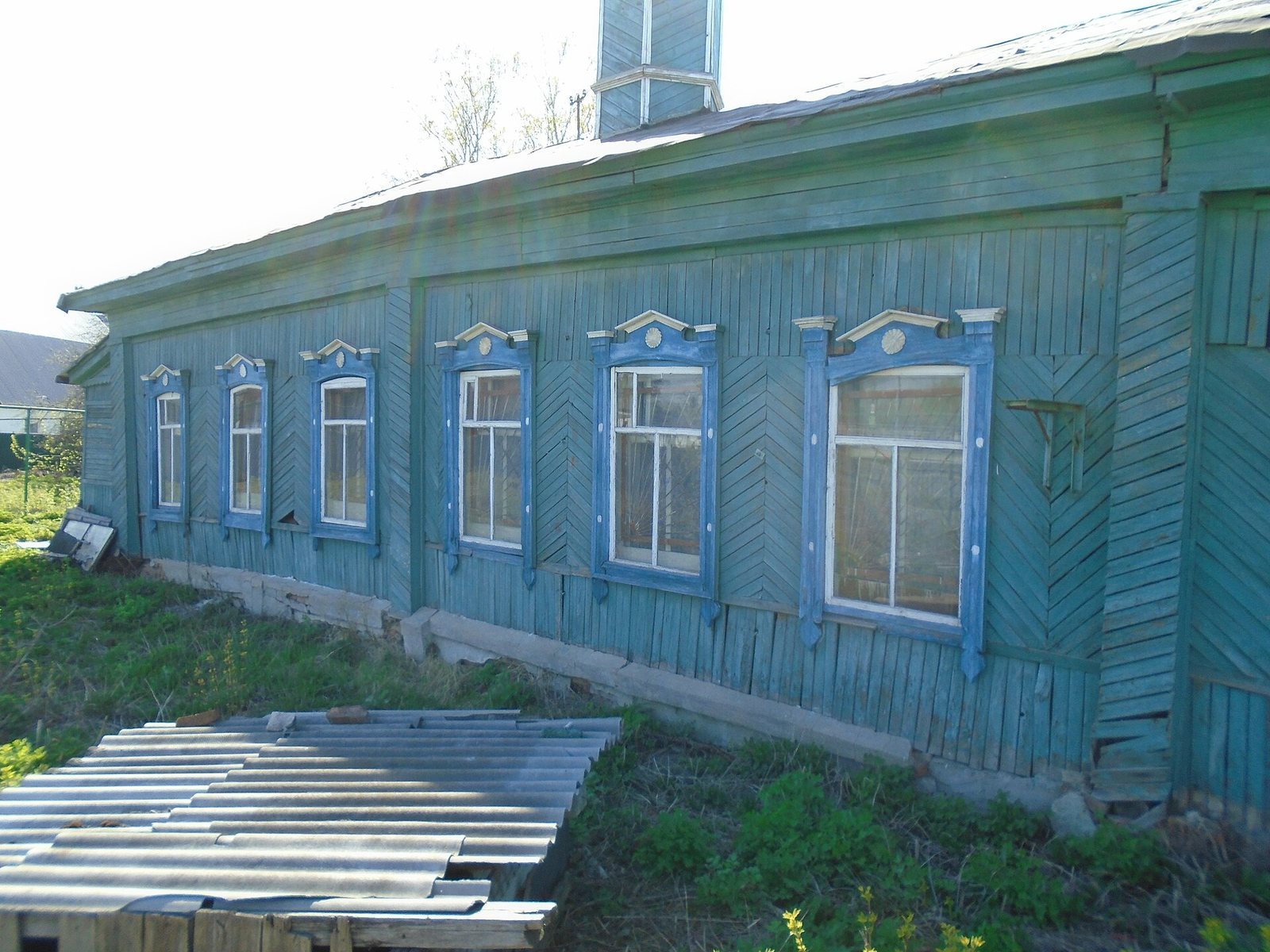
The Räcäp Mosque, also known as the Yagodnaya Sloboda Mosque, is a wooden mosque in Kazan, Russia. Built in 1897 in the Tatar architectural style, it served as a prayer house for workers at a flax-spinning factory. The factory’s owners, Nikolai Ivanovich Alafuzov and Lidiya Andreevna Alafuzova, built the mosque.
On 2 October 1910, Muslims in Yagodnaya Sloboda formally registered their own congregation. Before then, they belonged to the First Congregational Mosque of Bishbalta, the principal mosque for communal Friday prayer in that historic Kazan settlement. A Muslim school opened in 1911 in Tambov’s house on Bolshaya Peschanaya Street. The imam, who leads prayer, and the muezzin, who calls worshippers to prayer, taught there; the imam’s wife taught girls. An elected imam led the congregation until the mosque closed. Muezzins served from 1910 to 1915, when one was called into the army, and again from 1922.
Closure and reuse
On 6 February 1930, the Presidium of the Tatar Central Executive Committee ordered the mosque closed. The Presidium was the executive body of the Soviet-era Tatar Autonomous Soviet Socialist Republic. The building was then used as a kindergarten and later as a dormitory. A fire in the mid-twentieth century led to partial rebuilding.
Return to religious use
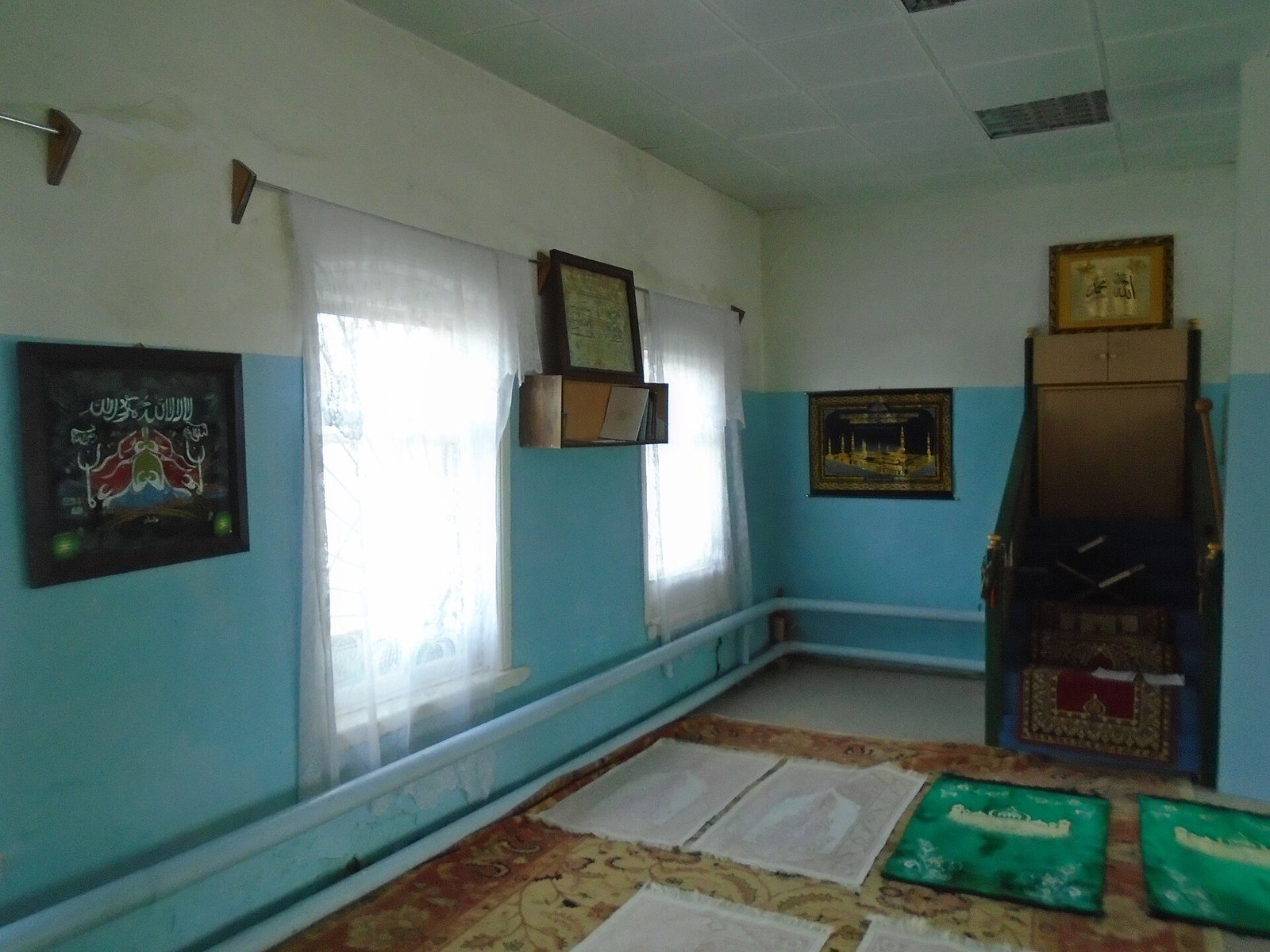
The building was returned to the Muslim community on 24 May 1993 and reopened as a mosque. Its first imam after reopening served until 2017; another imam succeeded him, followed by a further successor after that imam’s death. The mosque follows Sunni Islam, the largest branch of Islam, and the Hanafi school, one of its principal schools of jurisprudence. It is affiliated with the Spiritual Administration of Muslims of Tatarstan, a regional Muslim religious authority. In 1996, it received recognition as a cultural heritage site of republican significance and was listed as a regional-level heritage property. Restoration work began in summer 2021.
Remains
Wooden building and minaret
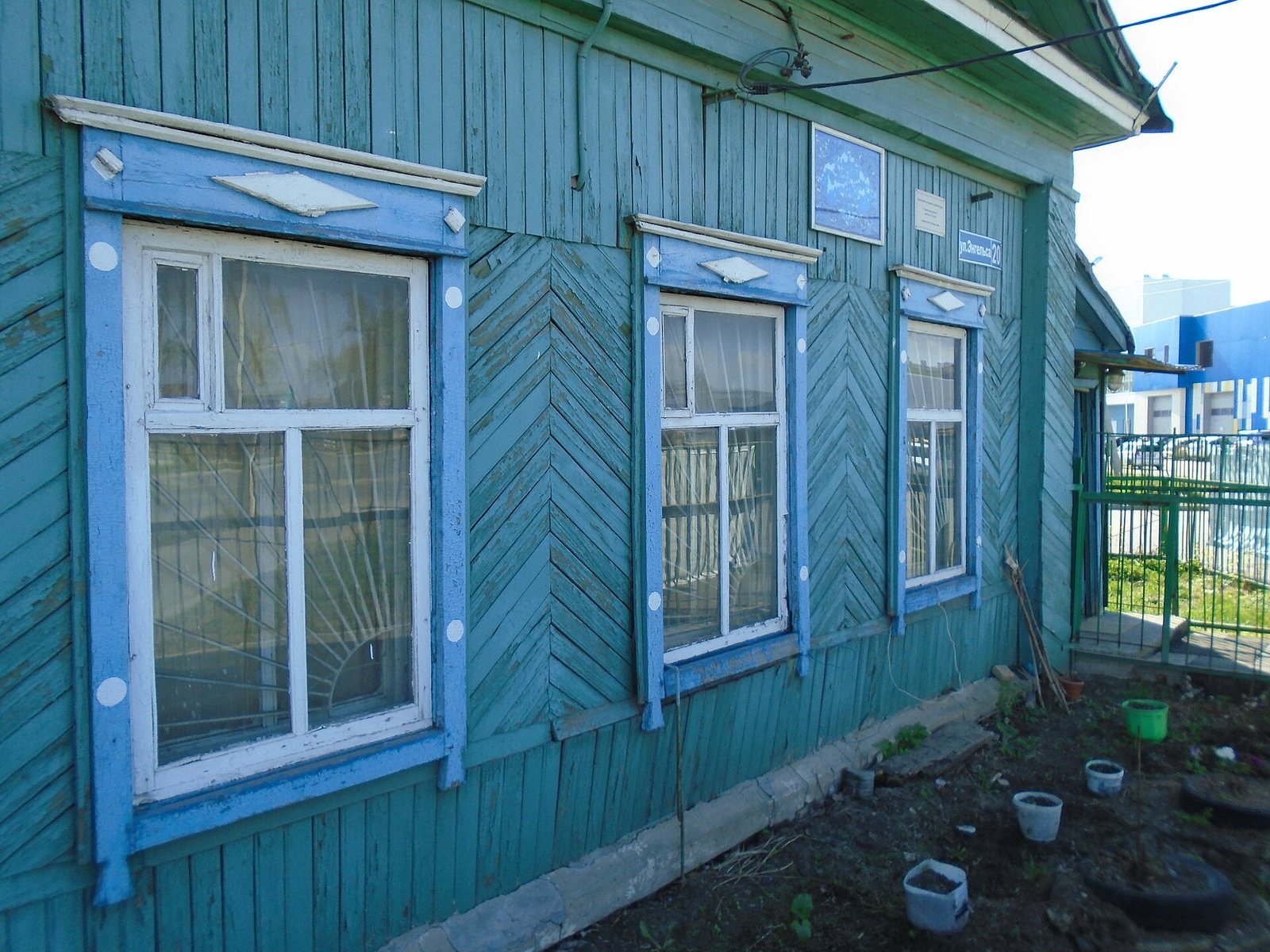
The mosque stands at the intersection of Engels Street and Krasnokokshayskaya Street in Kazan’s historic Yagodnaya Sloboda district. It is a wooden building in the Tatar architectural style, with a single minaret, a tower traditionally associated with the call to prayer. It is the only surviving wooden mosque among Kazan’s historic mosques and the only surviving pre-revolutionary mosque in the city’s Zarechye district.
Washing room and wooden covering
The building includes a room for ritual washing before prayer. An old wooden covering is also part of the mosque.