Puerco Ruin and Petroglyphs: An Ancestral Puebloan Settlement and Rock Art Site
Site at a Glance
- Rating
- 4.8
- Popularity
- Low
- Country
- United States
- Primary era
- Medieval
- External website
- Open
- Eras represented
- Medieval
- Civilizations
- Ancestral Puebloan
- Site type
- City
On this page8 sections
History
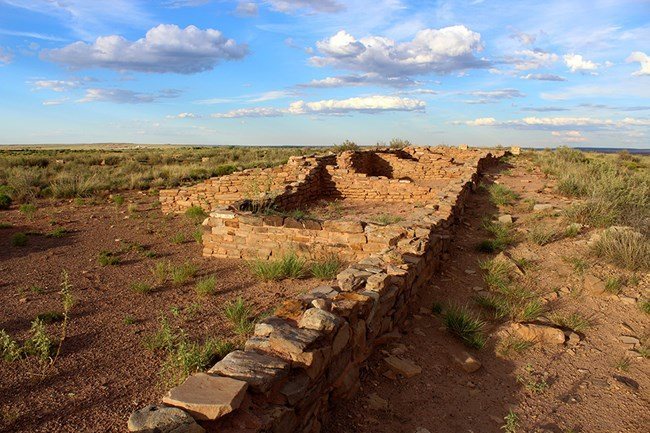
Puerco Ruin and Petroglyphs are the ruins of a large Ancestral Puebloan pueblo in Petrified Forest National Park, Arizona, United States. The settlement developed during the late Pueblo III and middle Pueblo IV periods, with occupation phases around 1100 to 1200 and 1300 to 1400 CE. It reached its greatest extent during the 1300s, when it contained more than 100 rooms, making it the largest known archaeological site within the park.
Settlement and Regional Connections
The inhabitants used the floodplain of the Puerco River to grow corn, beans, and squash. They also made baskets and colored pottery. The river provided a route for trade, allowing goods and ideas from other areas to reach the settlement. The pueblo interacted with Hopi communities to the west and Mogollon communities to the south, while archaeological materials indicate connections with Hopi, Homol’ovi, Flagstaff, Zuni, and Gallup settlements. Many of the recovered objects, however, were produced from raw materials available locally.
A series of droughts contributed to a broader change in settlement patterns, as Indigenous communities shifted from small, scattered settlements toward larger pueblo dwellings. Later climatic changes led the inhabitants to leave Puerco Ruin, which was deserted by about 1380. John Muir, a Scottish-American naturalist and conservationist, carried out the first excavations at the site in 1905 and 1906.
Excavation and Protection
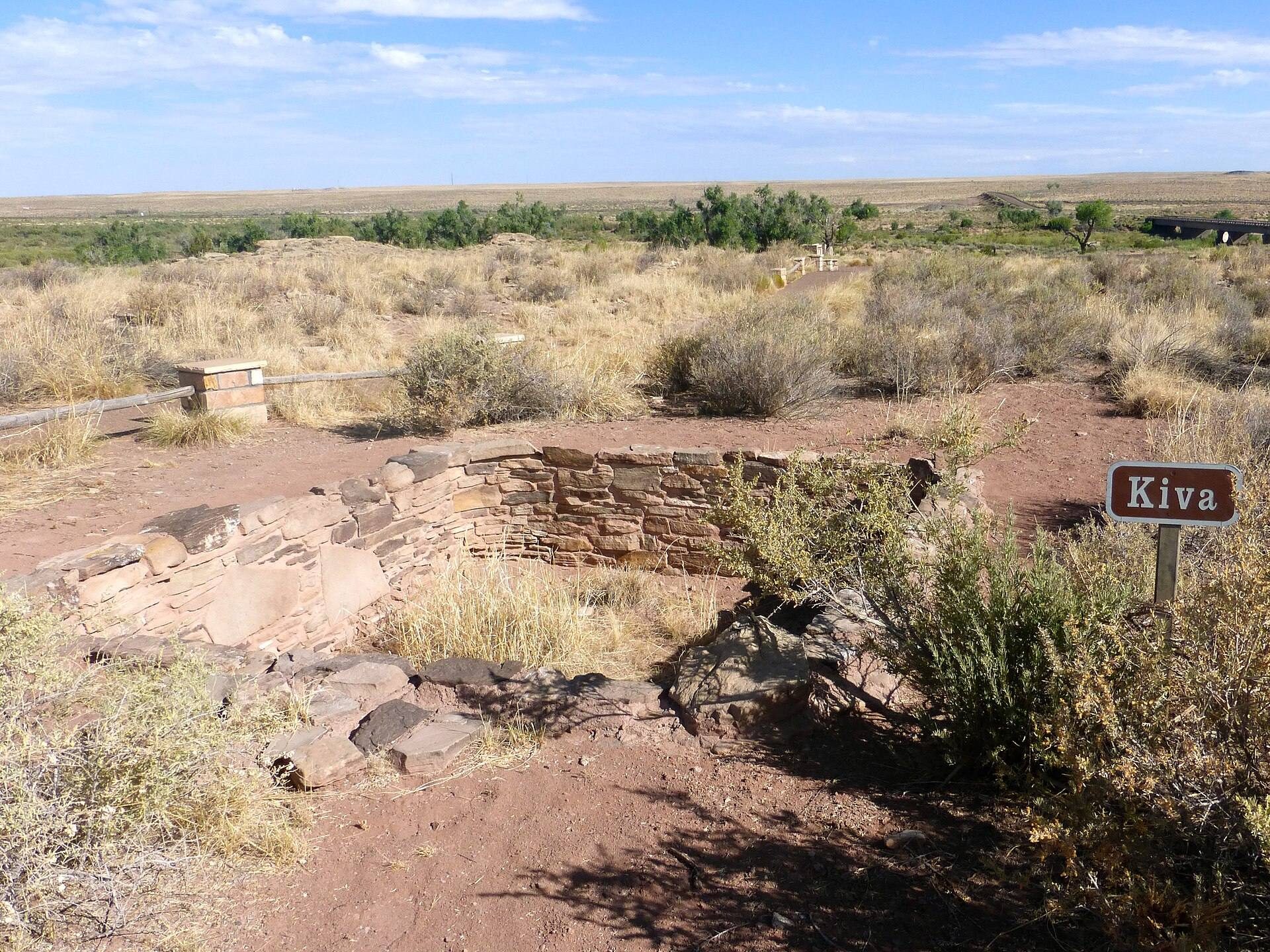
Archaeologists from the Western Archeological and Conservation Center, a National Park Service unit responsible for archaeological research, collections management, and conservation, investigated Puerco Ruin between 1988 and 1989. Their work examined subsurface features, surface rooms, and a kiva, a usually round underground or partly underground room used for ceremonial and communal purposes. It also catalogued more than 4,000 pottery fragments, 26,000 flaked-stone artifacts, and numerous plant and animal remains. The site has remained protected within Petrified Forest National Park and was added to the U.S. National Register of Historic Places, the federal list of places recognized for historical or cultural importance, on July 12, 1976.
Remains
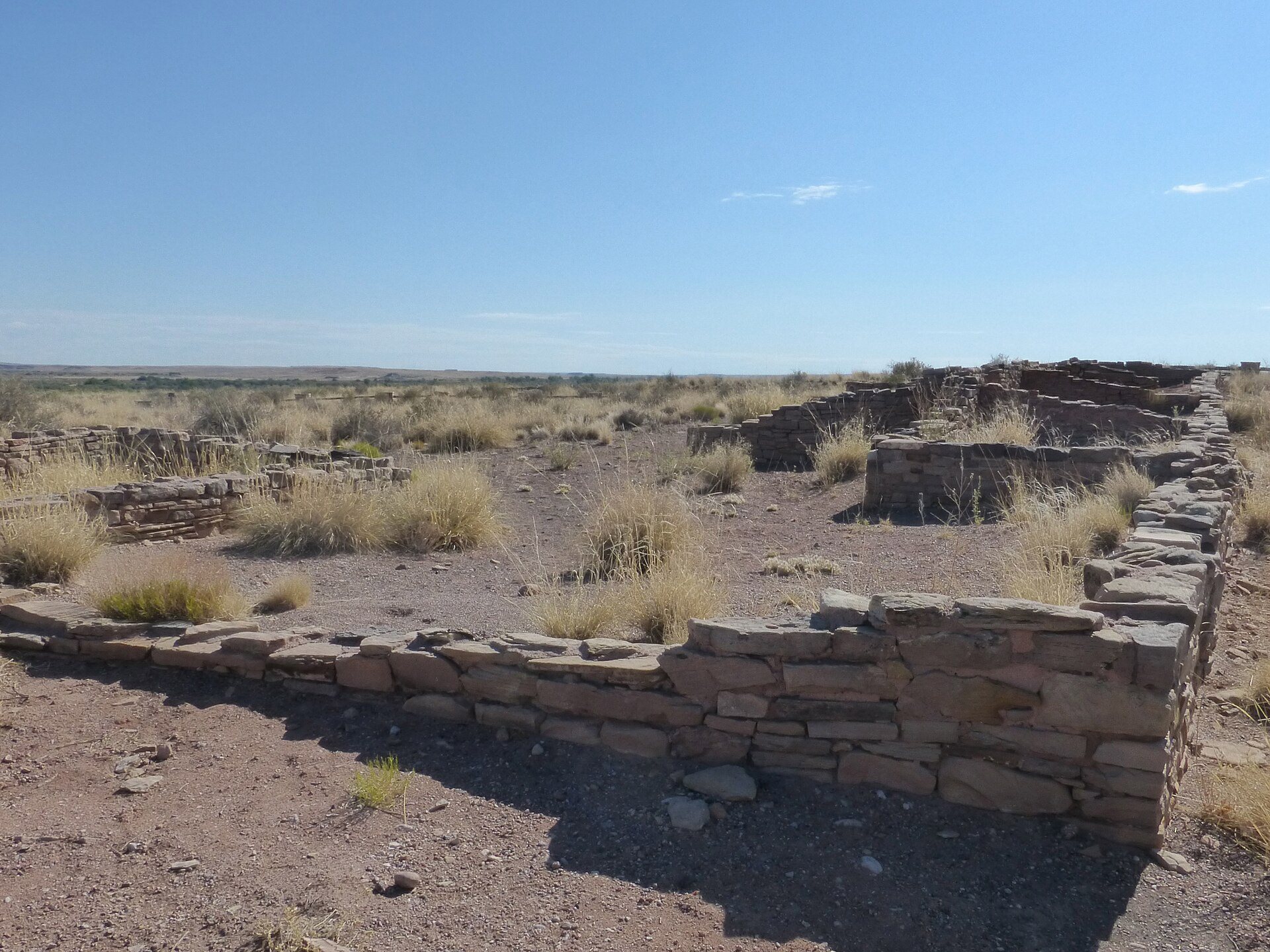
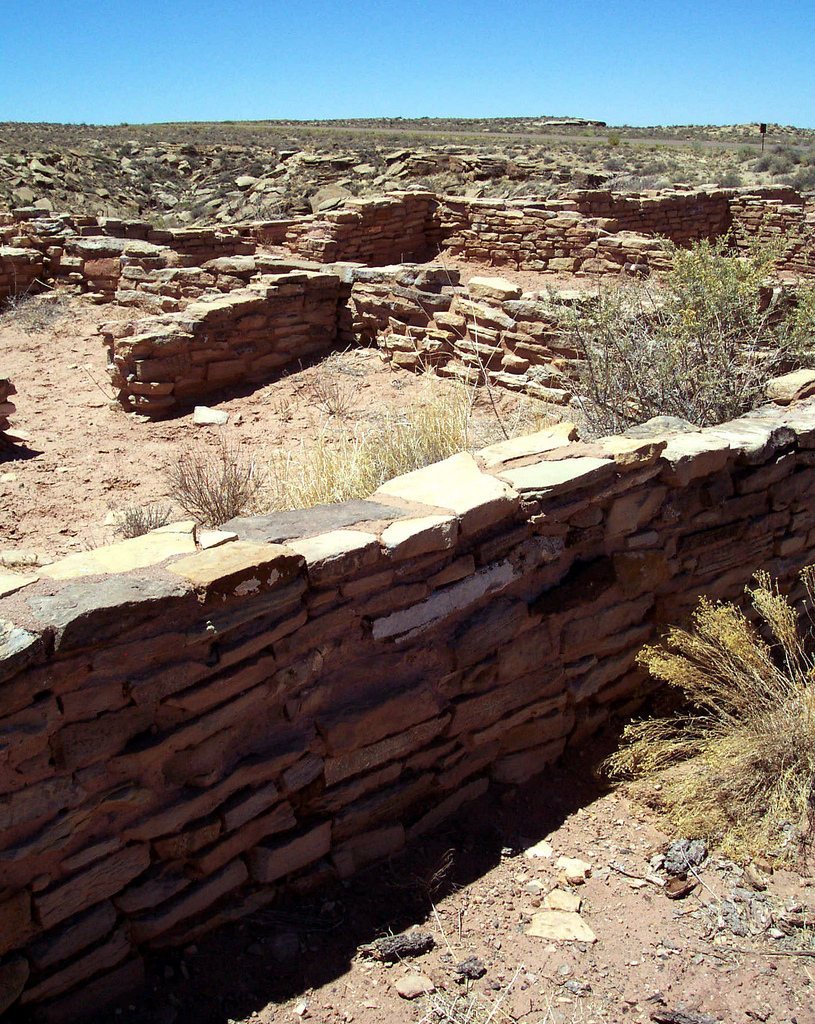
Puerco Ruin occupies approximately 9 acres in a rectangular settlement arranged around an interior plaza. Its hand-hewn sandstone blocks formed the walls of a single-story pueblo containing living and storage rooms. Underground kivas provided spaces for ceremonies. The exterior walls had no windows or doors, so residents entered by using ladders placed over the walls.
Pueblo Structures and Excavated Materials
Excavation exposed eight non-room subsurface features, four surface rooms, and one kiva. The recovered materials include more than 4,000 pottery fragments, 26,000 flaked-stone artifacts, and numerous plant and animal remains. These materials preserve evidence of the settlement’s domestic activities, food resources, and craft production within the pueblo and its surrounding floodplain.
Rock Art
Petroglyph Boulders
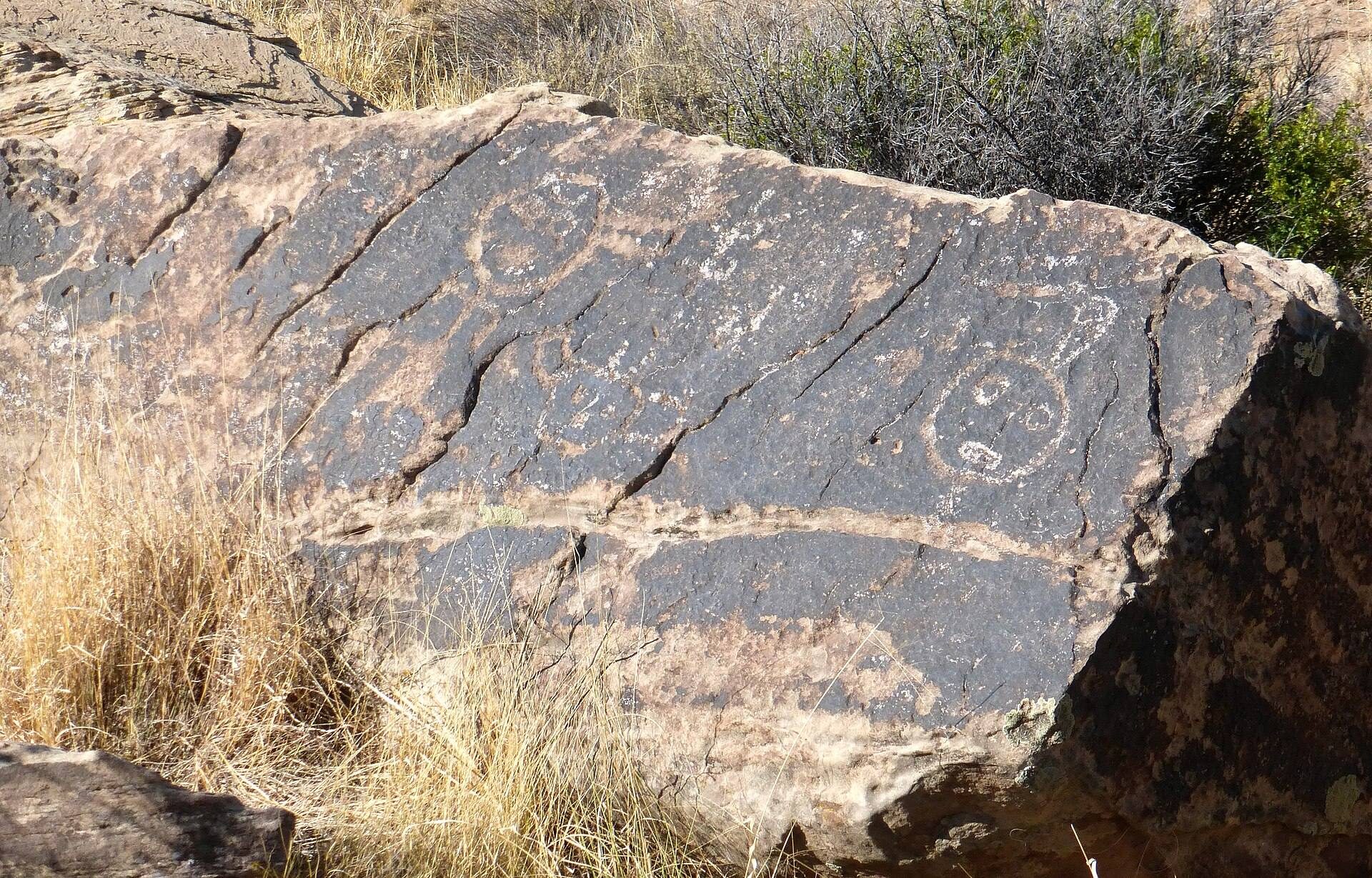
More than 800 petroglyphs, images or designs cut, pecked, or incised into rock surfaces, appear on more than 100 boulders at Puerco Ruin. One carving, dated to approximately 1150, appears to depict a migration route from Puerco Pueblo to Crack-in-the-Rock, now within Wupatki National Monument. This interpretation is based on the apparent design of the image.
The animal imagery presents a pattern that differs from the remains recovered through excavation. More than 90 percent of the identified local fauna consisted of small mammals such as rabbits and prairie dogs, while birds represented about 1 percent and no bear remains were found. In the petroglyphs, by contrast, bears account for about 21 percent of the animal images and birds for about 16 percent.
Summer Solstice Marker
Another petroglyph marks the summer solstice. For approximately two weeks around the solstice, sunrise creates an interaction of sunlight and shadows across the carving’s circular design, linking the rock art to an observed seasonal event.