Prestonfield House: A Historic Residence in Edinburgh, Scotland
Site at a Glance
- Rating
- 4.7
- Popularity
- High
- Country
- United Kingdom
- Primary era
- Early Modern
- Eras represented
- Early Modern, Modern
- Civilizations
- British, Kingdom of Scotland
- Site type
- Domestic
- Remains
- Elite Residence
On this page9 sections
History
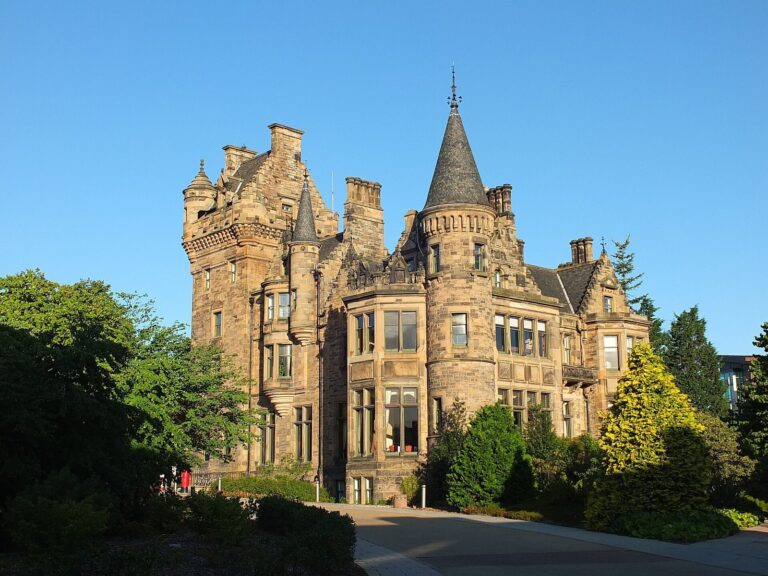
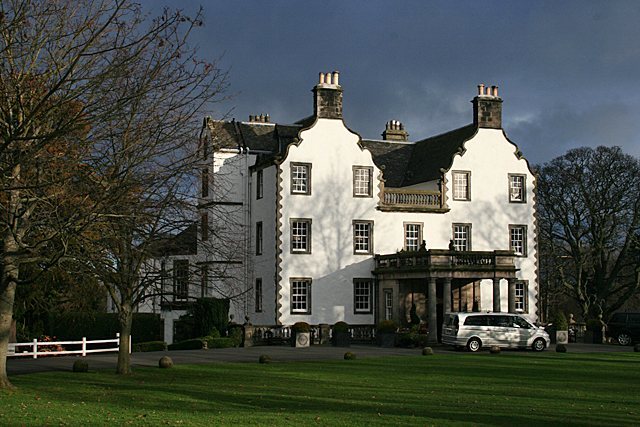
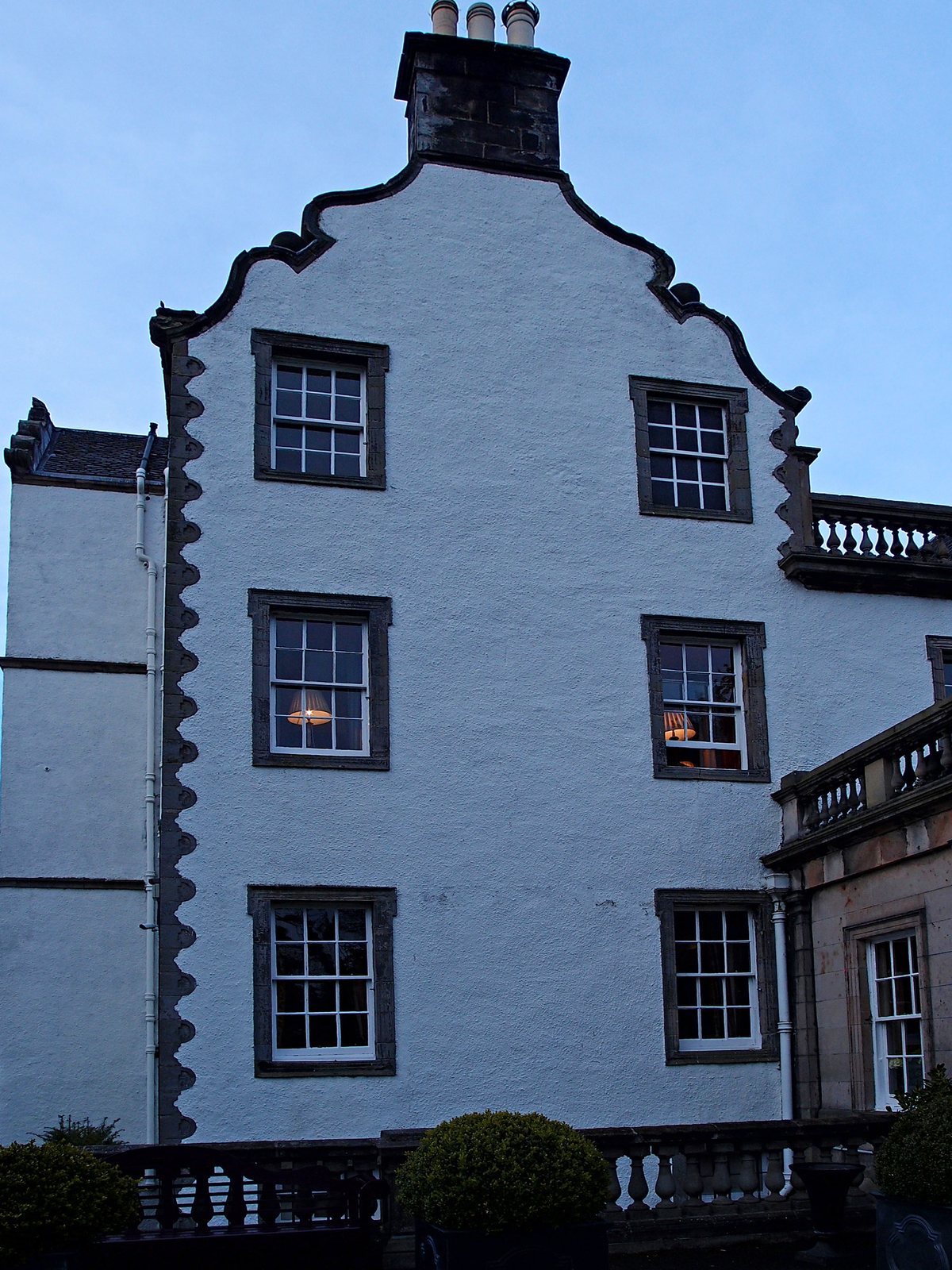
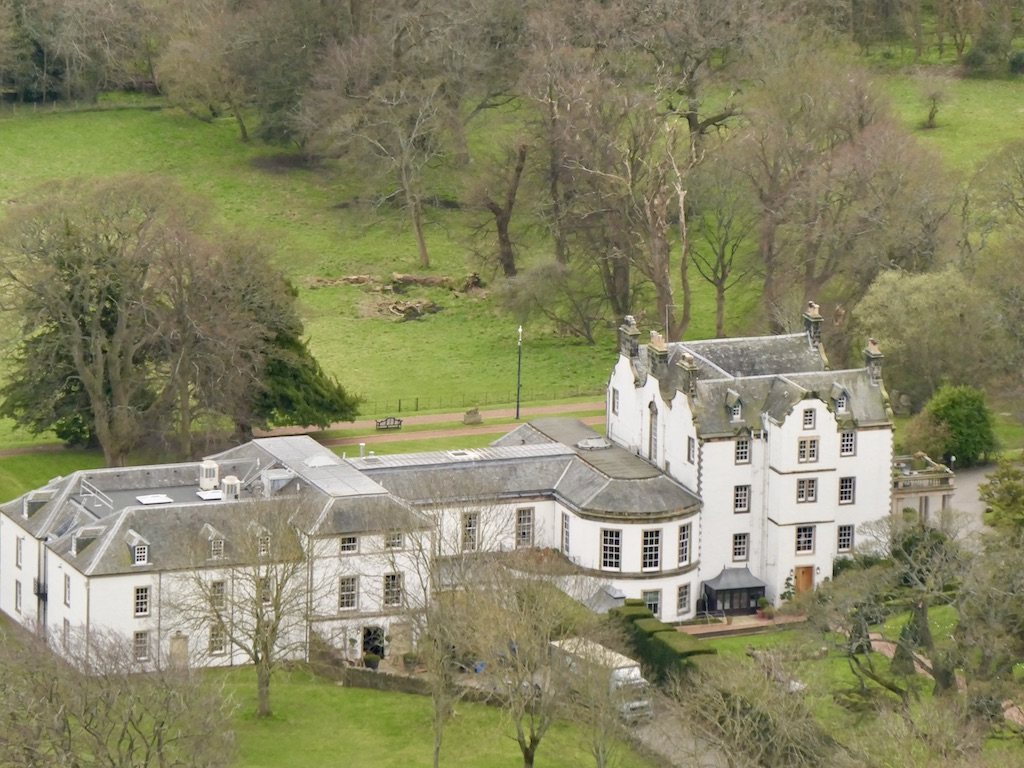
Prestonfield House is a historic residence at the foot of Arthur’s Seat in Edinburgh, Scotland, United Kingdom. Built in 1687, it occupies a site with an earlier religious and residential history and reflects the estate’s later transition from aristocratic home to hotel.
Priestfield and the early house
The site, then known as Priestfield, was occupied by a wealthy monastery founded in 1150 by Henry, Earl of Northumbria, a Scottish prince and nobleman. Around 1510, Scottish merchant and printer Walter Chepman built Priestfield House there.
The Dick family and Prestonfield
Thomas Hamilton, Lord Priestfield, was living in the house by 1607. While serving as a senator of the College of Justice, one of Scotland’s supreme-court judges, he adopted Prestonfield as his judicial designation.
James Dick bought the house in 1671. It burned during an anti-Catholic riot in 1681, after which Dick commissioned Scottish architect Sir William Bruce to design a replacement. The property was renamed Prestonfield to distance it from its Catholic associations.
The house remained the home of the Dick baronets for many centuries. In 1751, Sir Alexander Dick, the third baronet, inherited it from his elder brother William and William’s wife, Anne Dick. The family continued to alter and improve the estate. In the late nineteenth century, it was the residence of Sir William Hanmer Dick-Cunyngham, the eighth Baronet of Prestonfield and Lambrughton. The estate entered Scotland’s Inventory of Gardens and Designed Landscapes on 30 June 1987.
Hotel and later history
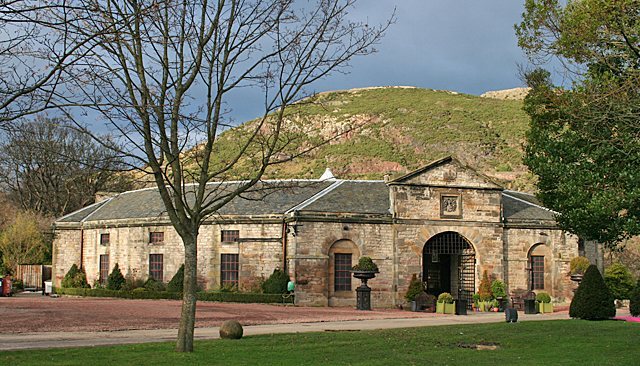
Prestonfield became a hotel in the 1960s, and restaurateur James Thomson bought it in 2003. In 2004, Scottish politician Mike Watson, Baron Watson of Invergowrie, was charged and later convicted after setting fire to a hotel curtain. The incident followed a night of heavy drinking in the Stables during the Scottish Politician of the Year party.
Remains
The site brings together the principal residence and associated buildings, including a nineteenth-century stable house and a large roundhouse. The house stands at the foot of Arthur’s Seat.
The house and its interior
The house’s interior is lavishly decorated. The Dick family added paintings, reception rooms, a new staircase and a covered carriage entrance where carriages could stop to set down passengers. Portraits of the Dick family are displayed inside.
Estate buildings
Stable house
Built in the nineteenth century to a design by Scottish architect James Gillespie Graham, the stable house was later converted for events.
Roundhouse
A large roundhouse on the property was formerly used to keep horses.