Palacio de Elsedo: A Palace and Art Museum in Cantabria
Site at a Glance
- Popularity
- Medium
- Country
- Spain
- Primary era
- Early Modern
- Eras represented
- Early Modern
- Civilizations
- Crown of Castile, Spanish
- Site type
- Domestic
- Remains
- Elite Residence
On this page6 sections
History
Construction and patronage
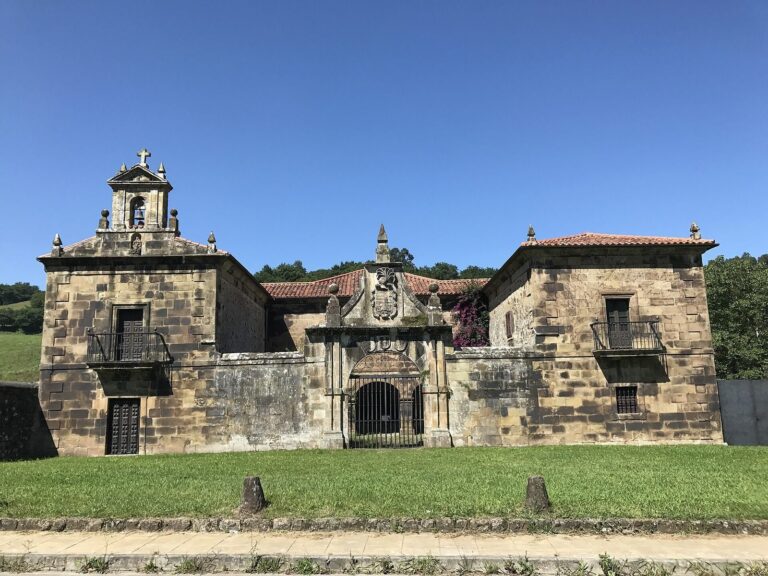
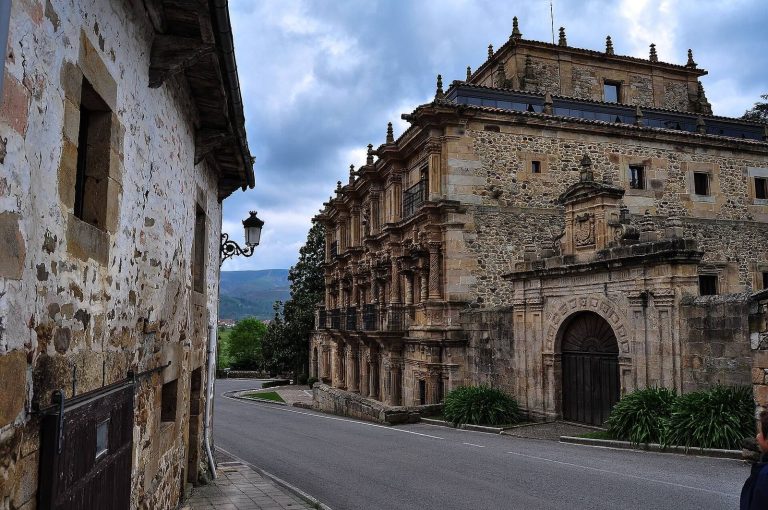
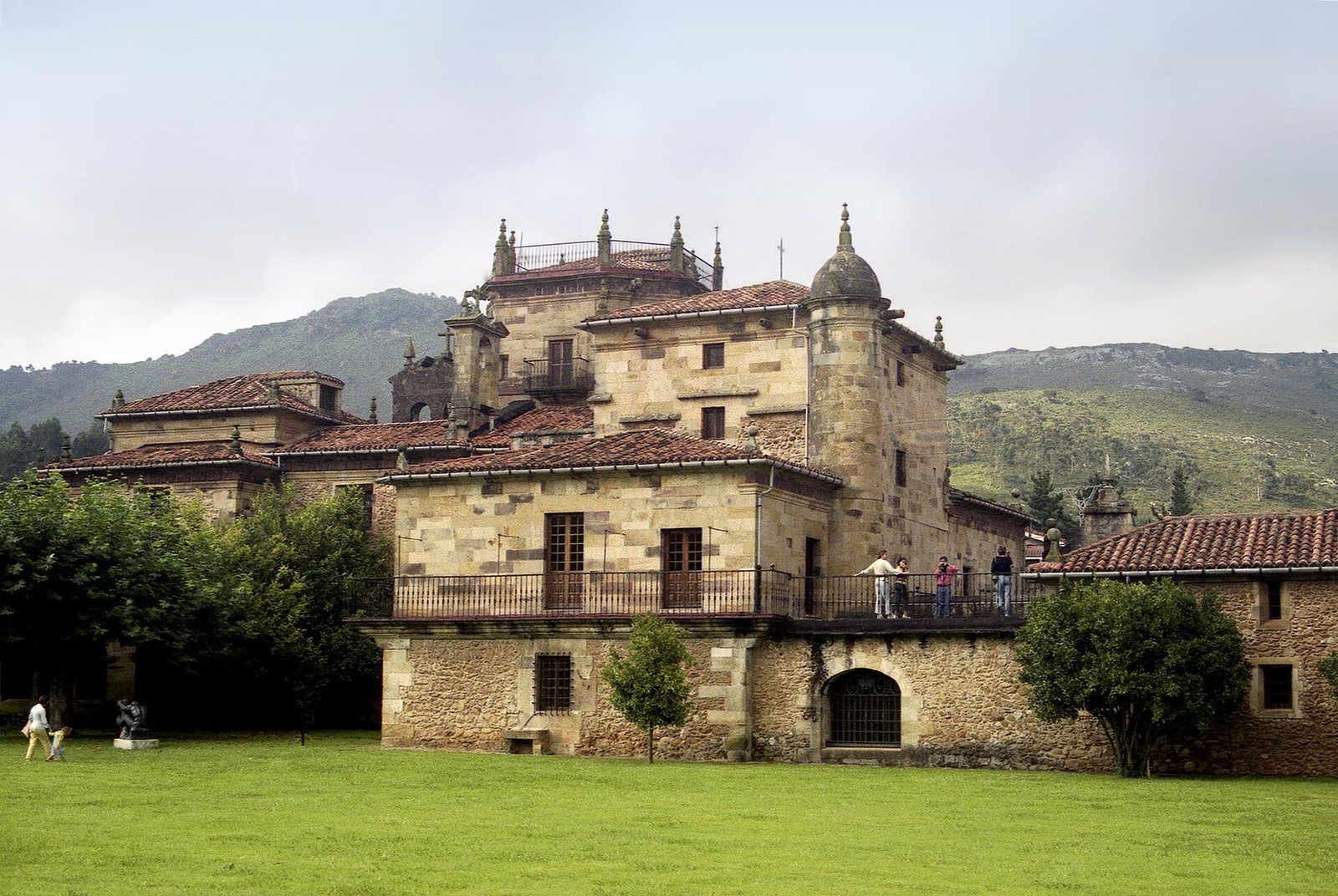
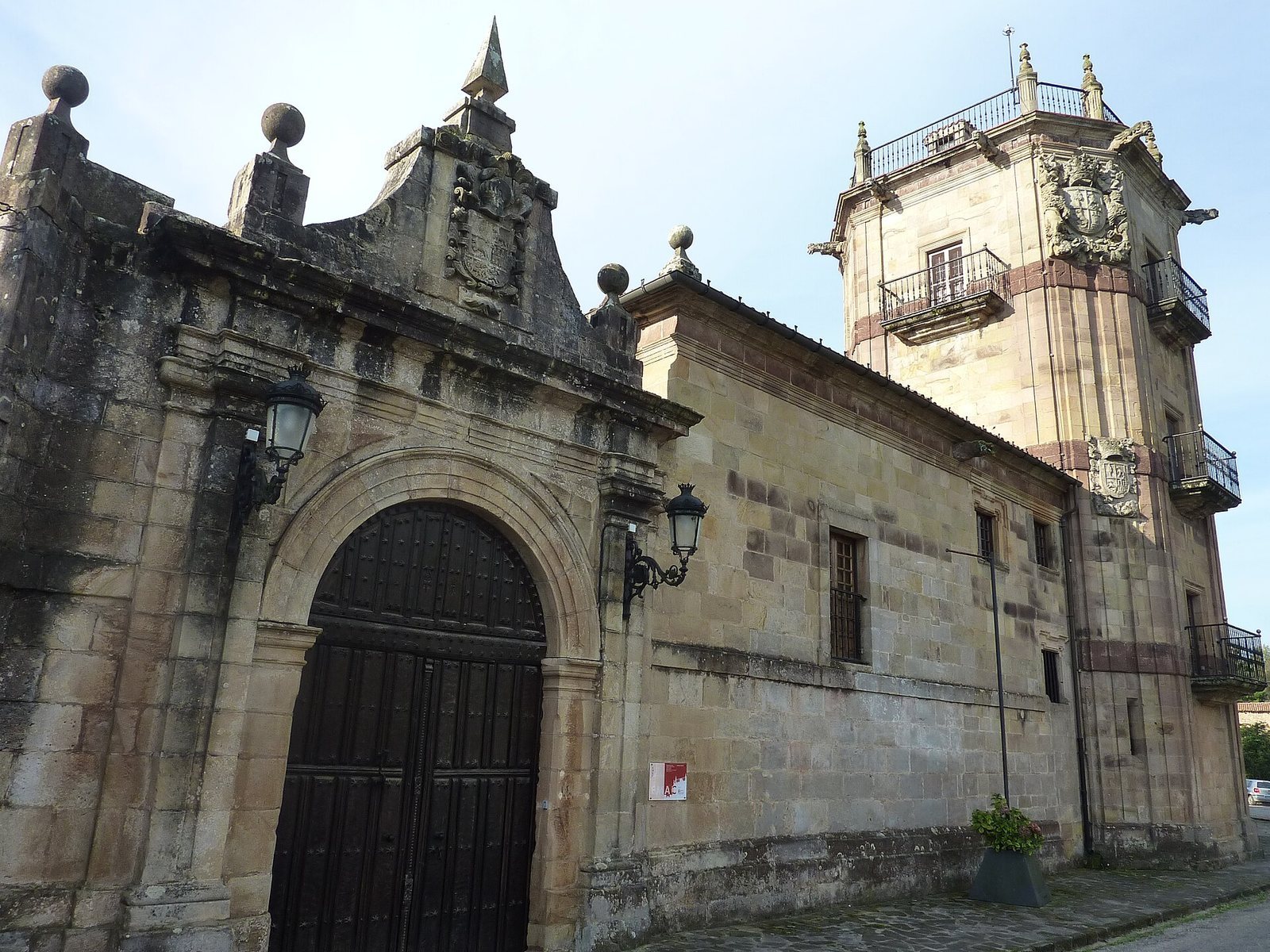
Palacio de Elsedo is an early eighteenth-century palace in Somarriba, in the locality of Pámanes, municipality of Liérganes, Cantabria, Spain. Francisco Agüero built it between 1710 and 1715 for Francisco de Hermoza y Revilla, the first Count of Torre-Hermoza. A knight of the Order of Calatrava, a Spanish military-religious order, Hermoza y Revilla was also a senior dignitary in the service of Philip V, the Bourbon king of Spain.
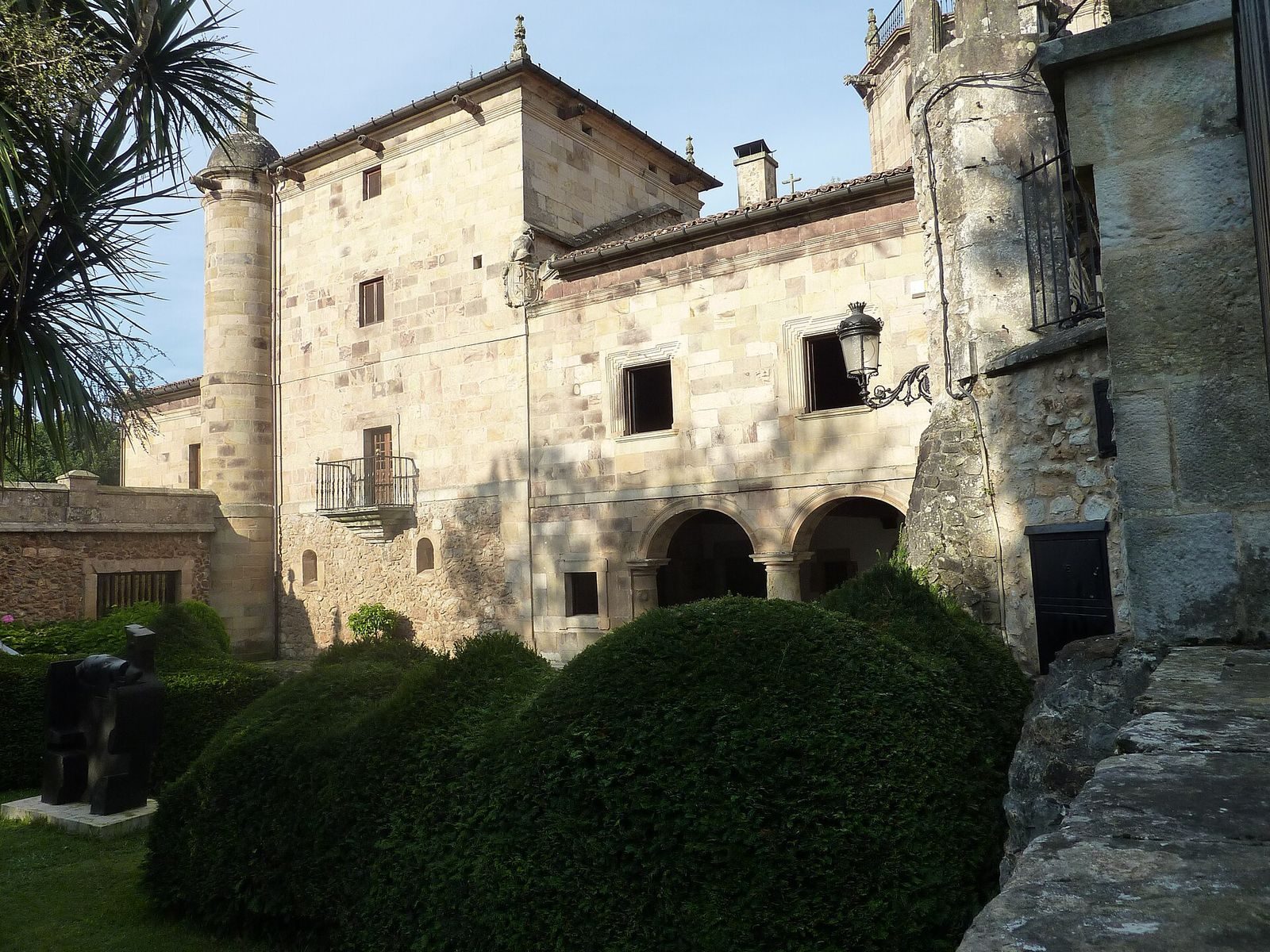
The commission involved rebuilding an older ancestral manor and erecting a chapel. The manor already had one tower; the project added a second tower and residential dependencies.
Later ownership and museum use
The palace stayed with Hermoza y Revilla’s family for a time, although the family never lived there. Later owners included the Herrero family and the Austrian Krassnning family. It eventually passed to art patrons José Luis Santos Díez and his brother Jesús, who converted its most distinguished section into a museum of twentieth-century painting and sculpture. In 1983, the palace was declared an Asset of Cultural Interest in the Monument category.
Remains
Architectural composition
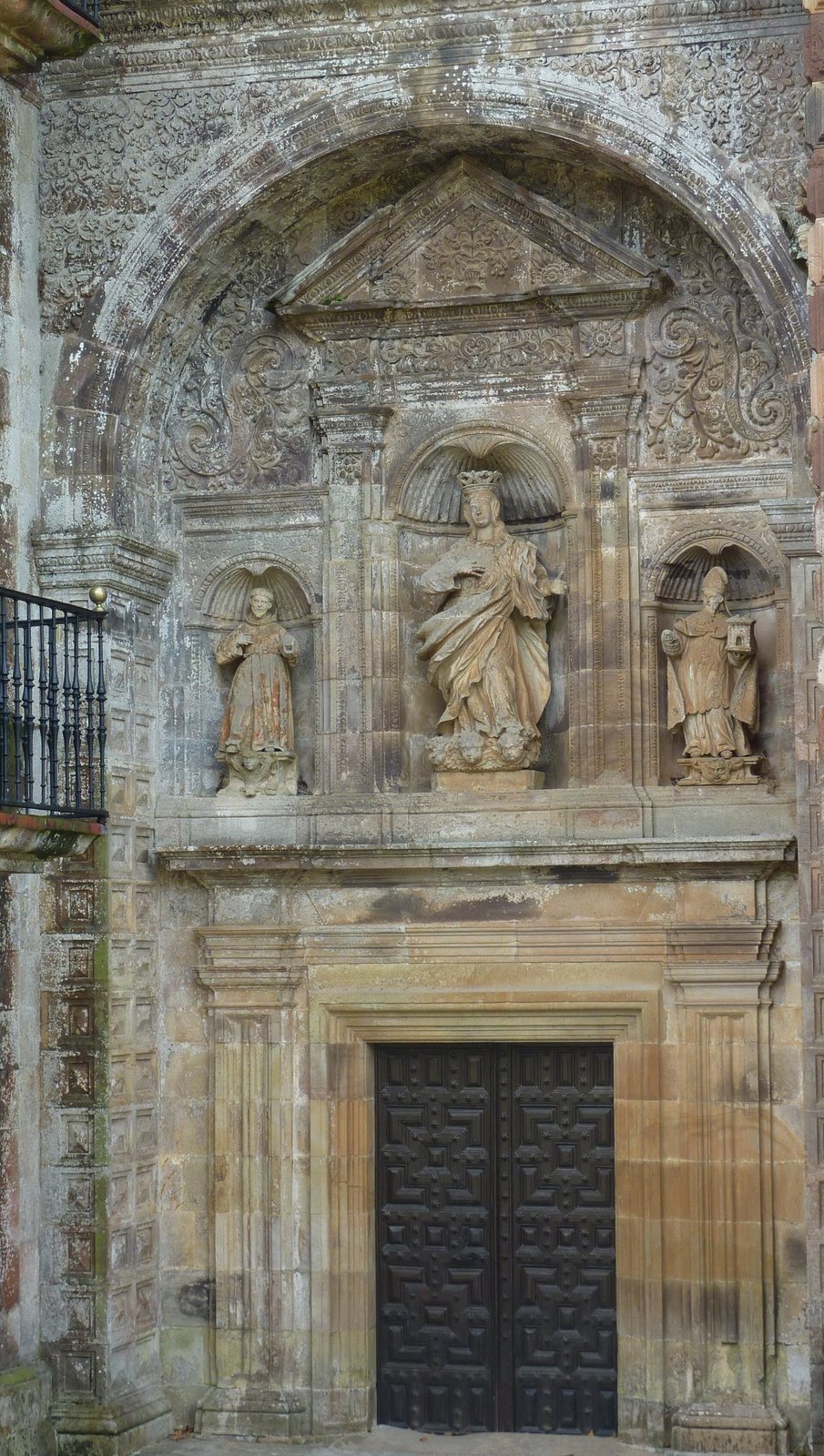
The palace’s principal architectural features include a façade and entrance portal, two towers, a residential section, a chapel and stables. Together, these elements form the complex rebuilt and expanded for Hermoza y Revilla in the early eighteenth century.
Museum rooms
The museum rooms contain paintings and sculptures by twentieth-century artists. The collection is regarded as one of the leading private collections of twentieth-century Spanish art.