Palace of Queen Arwa: A Sulayhid State Residence in Yemen
Site at a Glance
- Popularity
- Medium
- Country
- Yemen
- Primary era
- Medieval
- Eras represented
- Medieval
- Civilizations
- Unclassified
- Site type
- Domestic
- Remains
- Palace
On this page5 sections
History
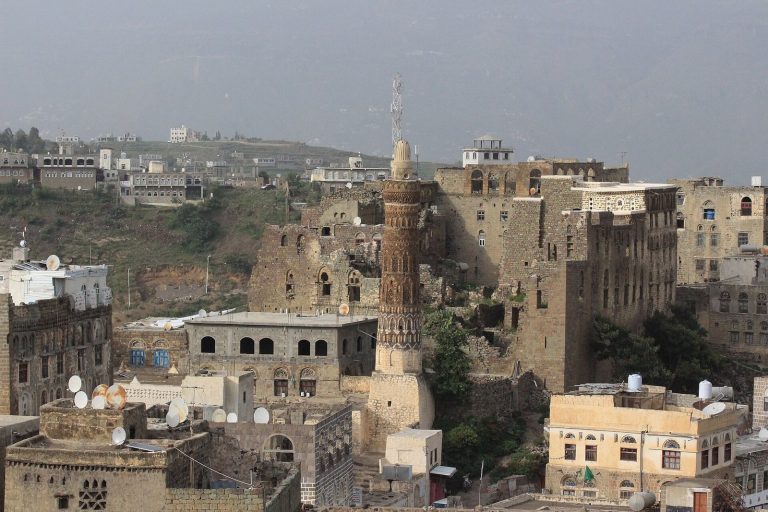
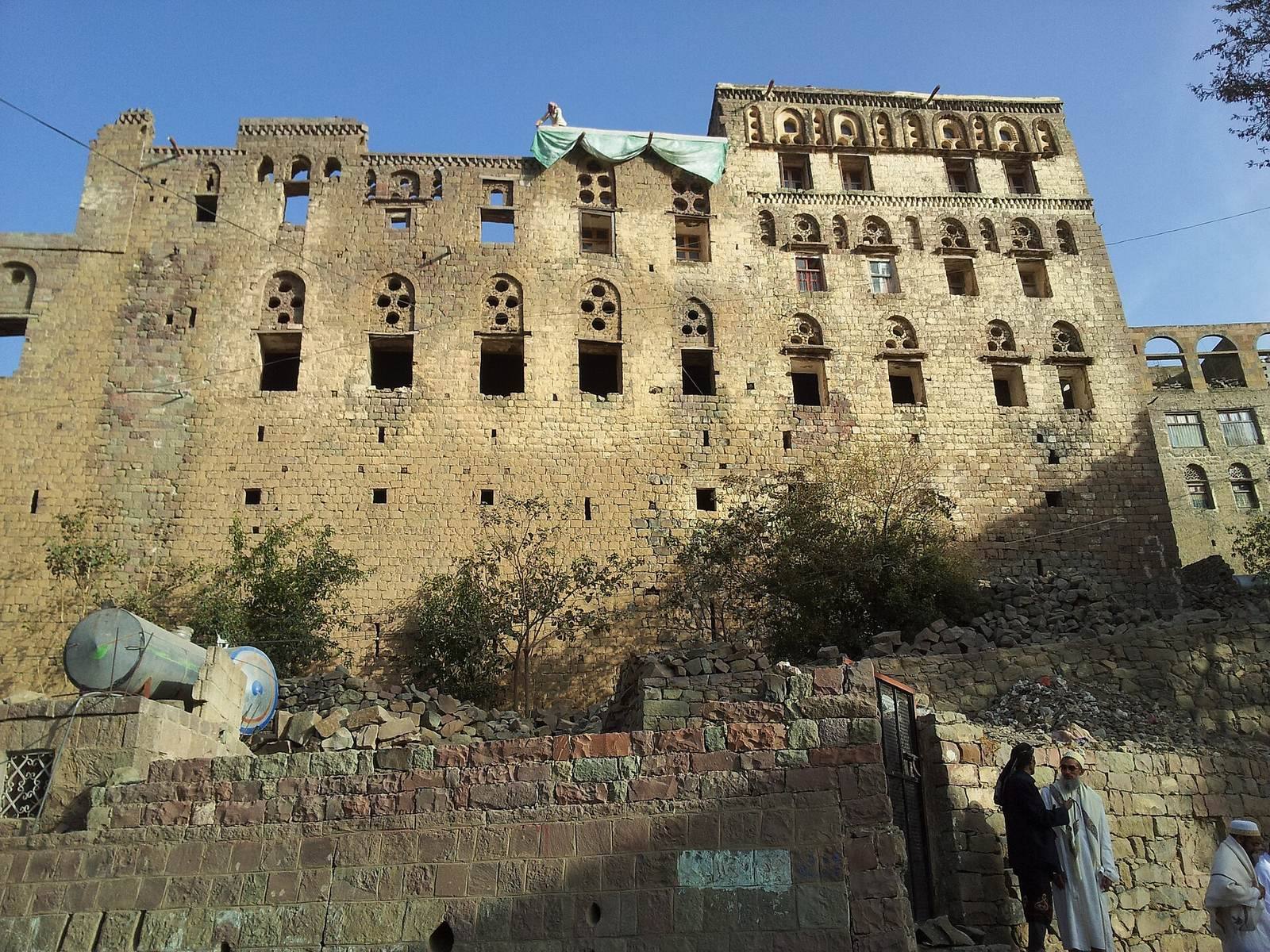
The Palace of Queen Arwa is a Sulayhid royal residence in Jibla, Yemen, built in 1088 by al-Mukarram Ahmad for his wife, Queen Arwa al-Sulayhi. It was known as Qaser Al-Mu’ez.
After the capital moved from Sana’a to Jibla, Arwa moved there and the palace became the principal building of the Sulayhid state. It retained this role until her death in 1138. To reduce the danger of assassination, Arwa slept in different rooms in turn over the course of the year.
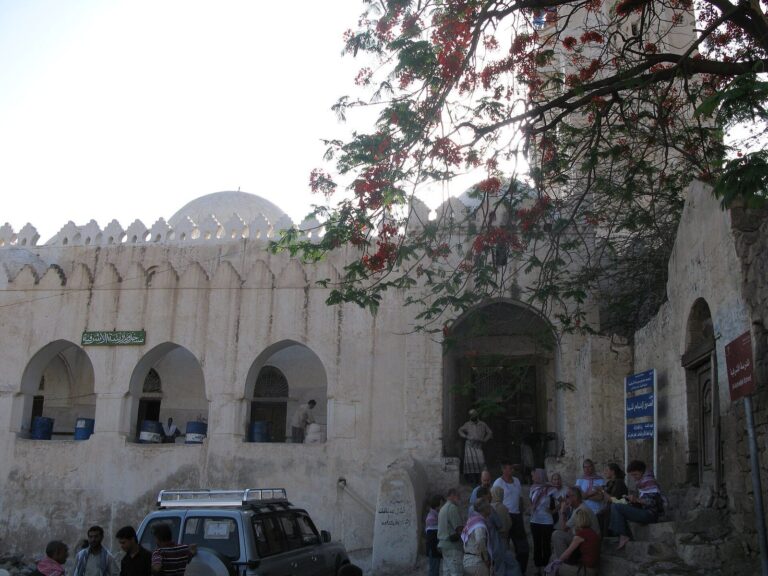
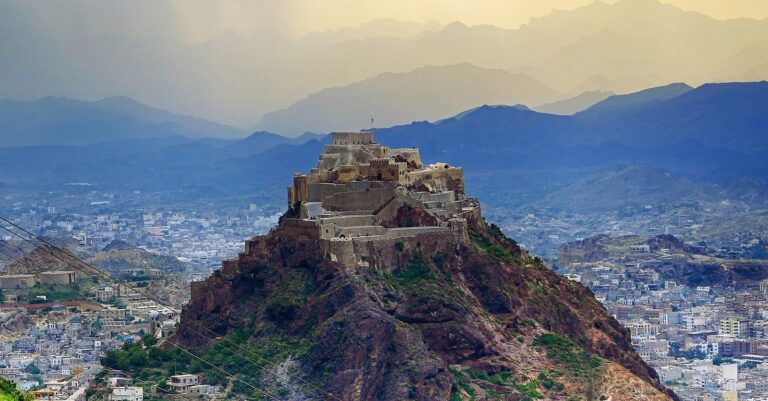
In 1088, Jibla’s earlier palace was converted into a large mosque, later known as the Mosque of Arwa. A separate, tentative identification links the fortress of al-Ta’ker with an old castle said to have been converted into the Great Mosque of Arwa when Qaser Al-Mu’ez was established.
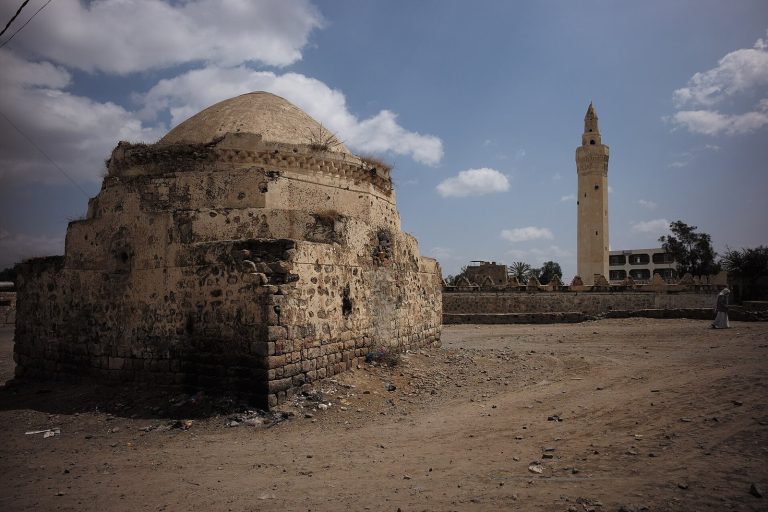
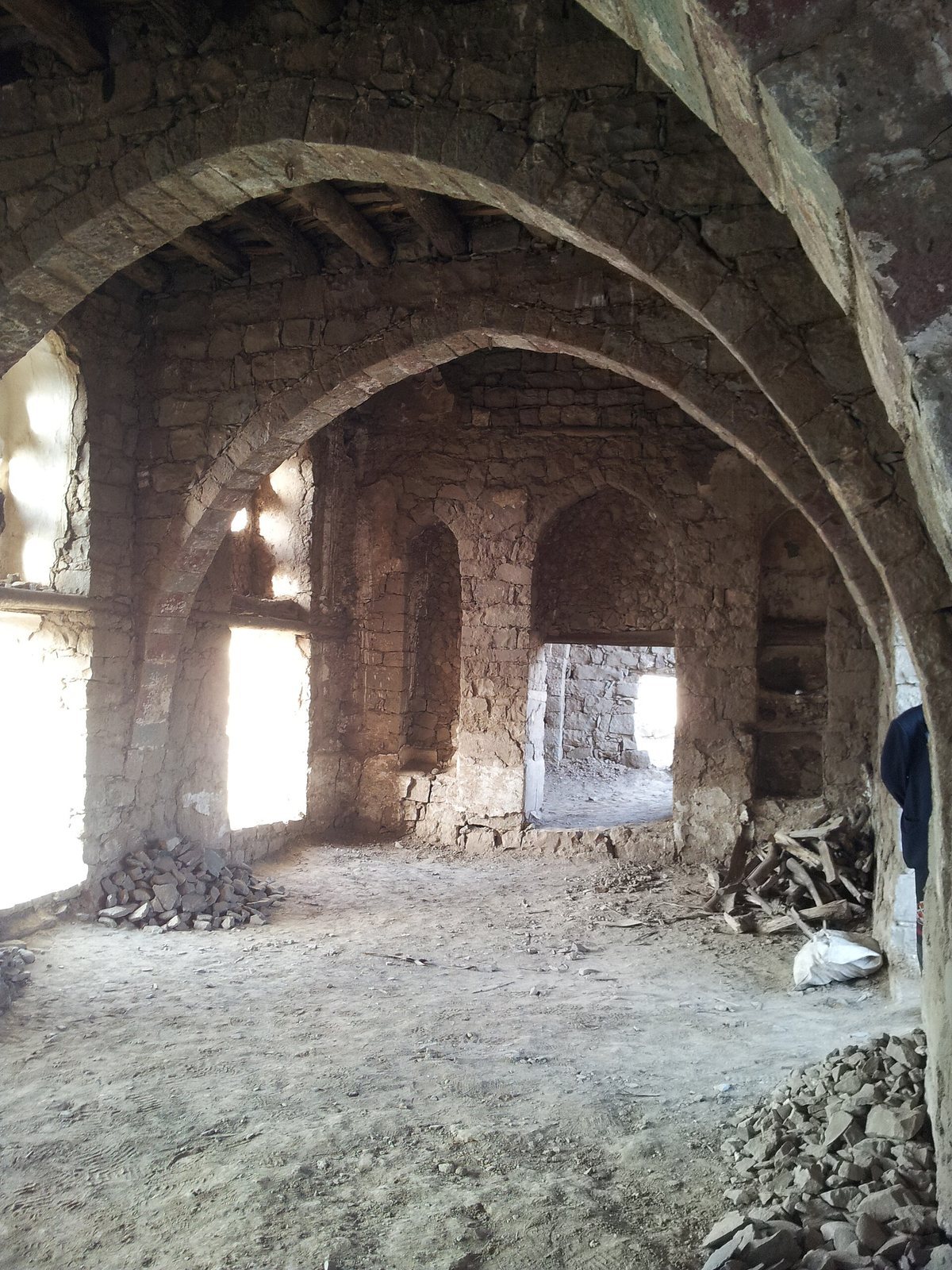
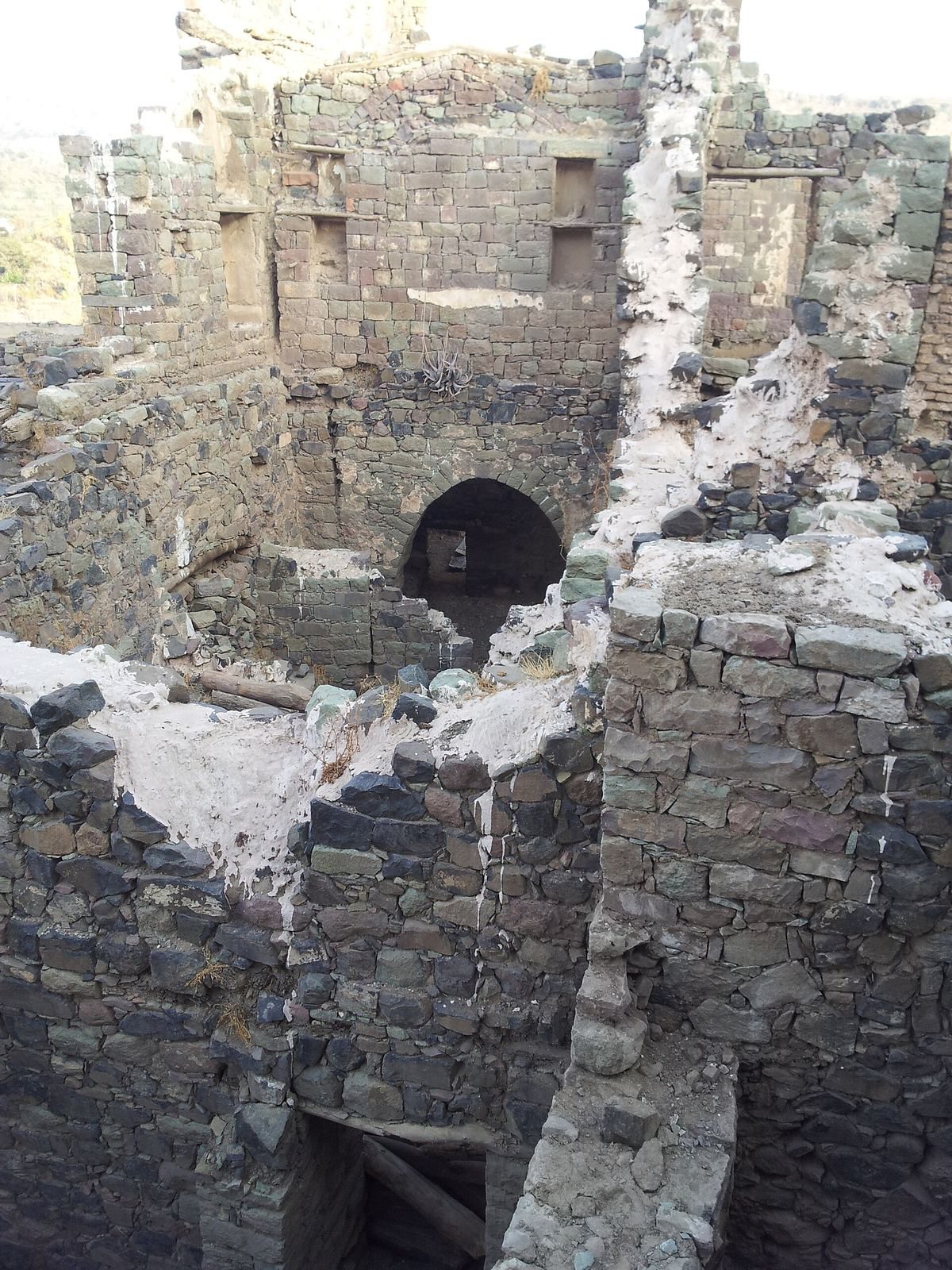
Restoration efforts have been made on the ruined palace. Its remains are regarded as an example of Sulayhid-period architecture and part of Yemen’s architectural heritage.
Remains
The palace was a four-storey complex in Jibla’s Old District. Its room total is given as either 360 or 365, corresponding to the days of the year. Some buildings survive, while most of the palace area has been lost; the Arwa Museum stands beside the remains.
Rooms and workshops
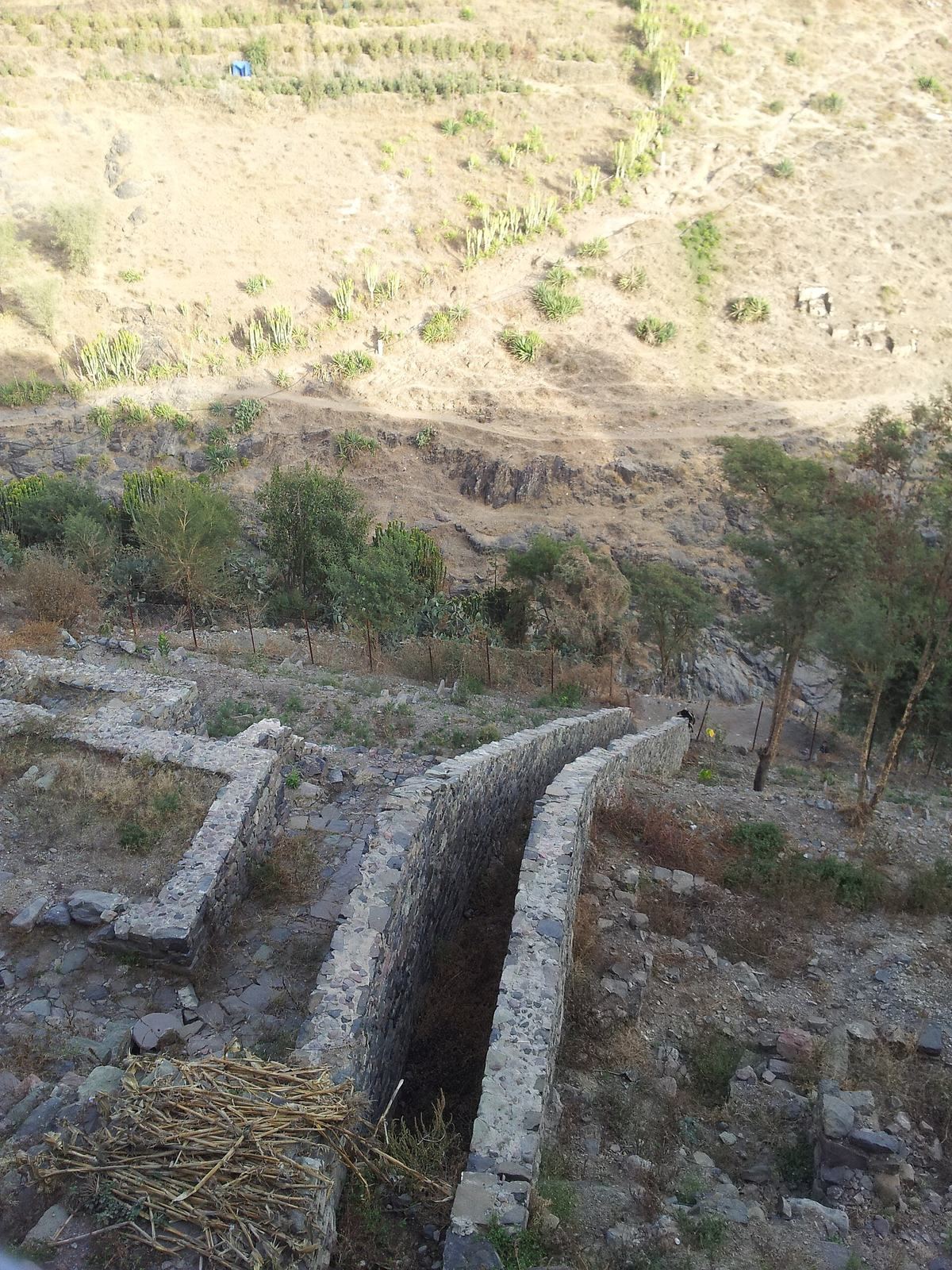
The first and second floors were adapted for making swords and spears. Windows, shelves, a courtyard, and a drainage system are among the palace’s identified features.
Courtyard mosque and garden route
A mosque stood in the western part of the courtyard, where Arwa prayed. A paved route known as the Sultan’s Road crossed a garden toward the mosque.
Surrounding buildings and tunnels
Houses for Arwa’s close associates and a prison stood around the palace. A long concealed tunnel connected the palace to the fortress of al-Ta’ker for use in emergencies. A separate legend describes a tunnel running from the palace across the river to a mosque named for Arwa.