Palace of Eternal Longevity: A Residence in the Forbidden City
Site at a Glance
- Popularity
- High
- Country
- China
- Primary era
- Medieval
- Eras represented
- Medieval
- Civilizations
- Ming
- Site type
- Domestic
- Remains
- Palace
History
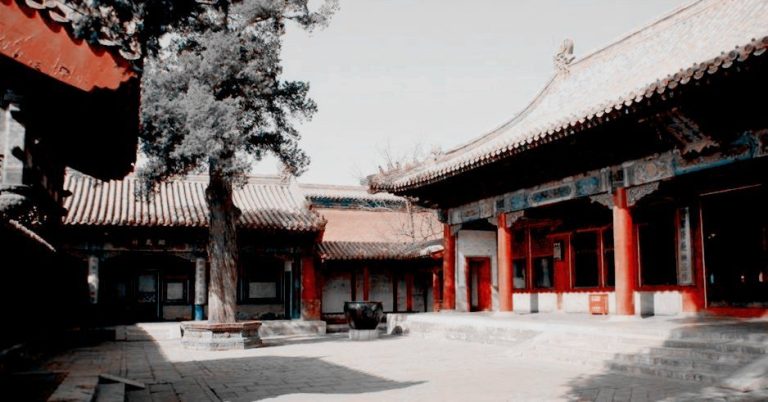
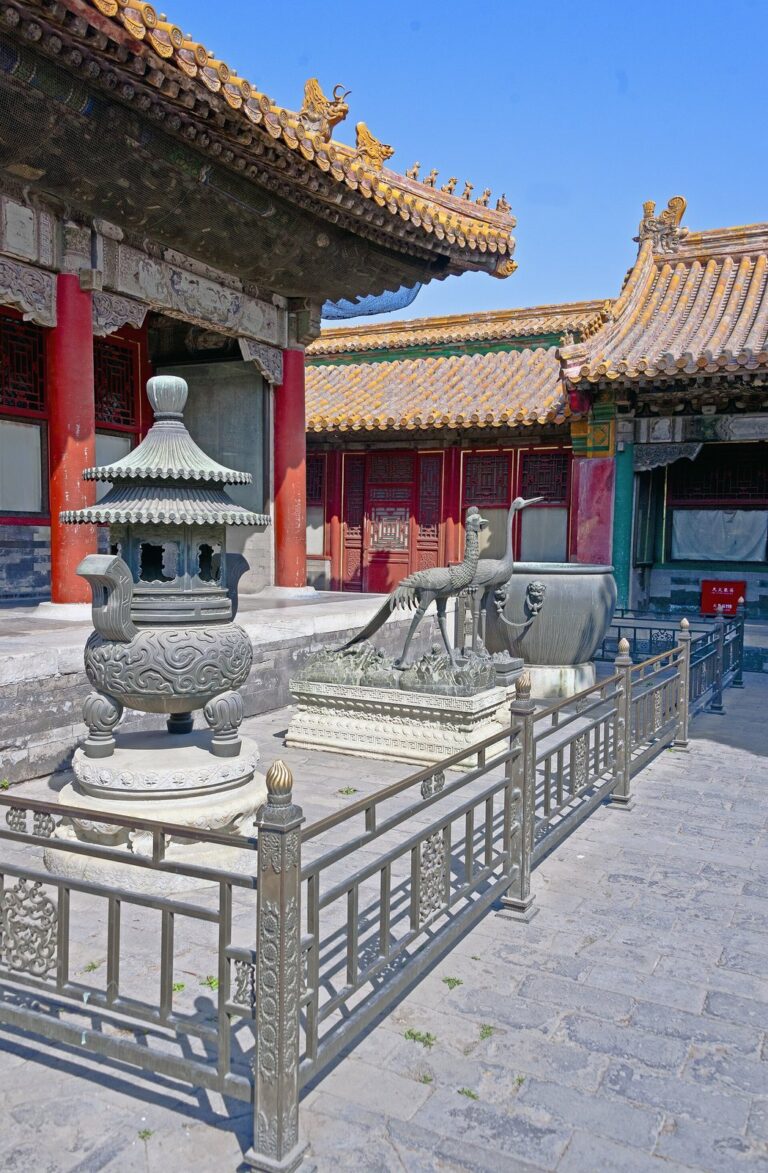
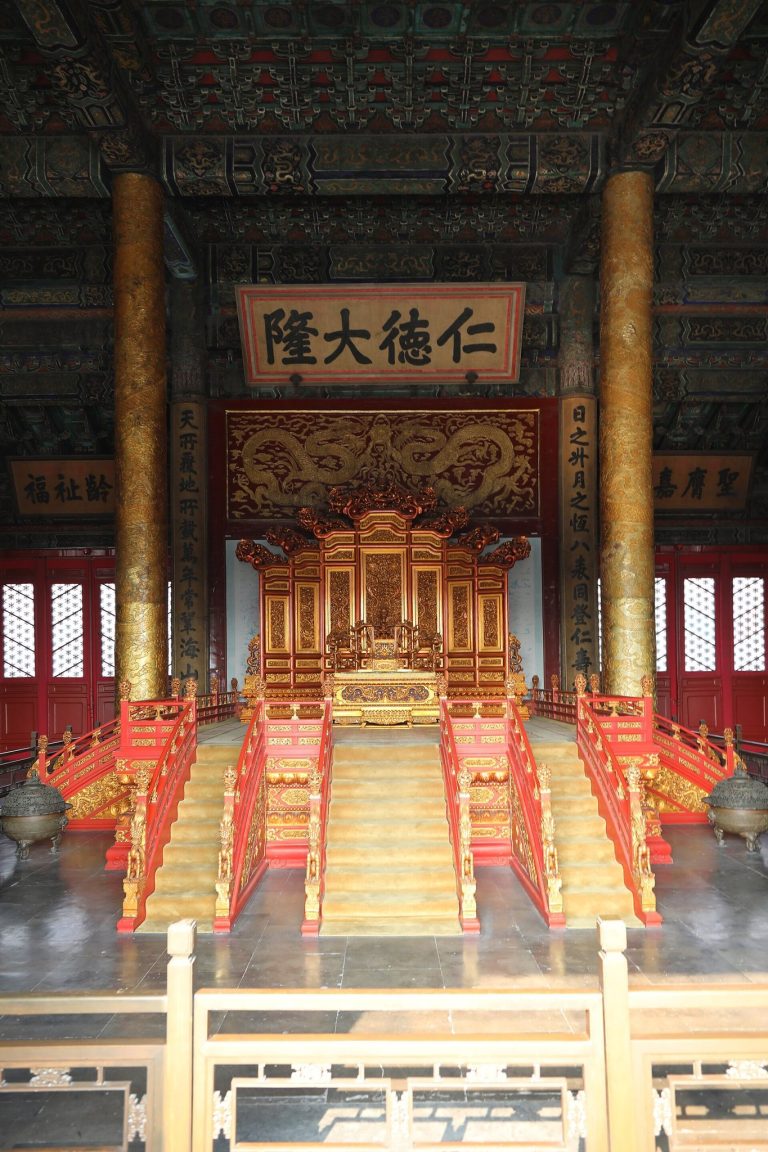
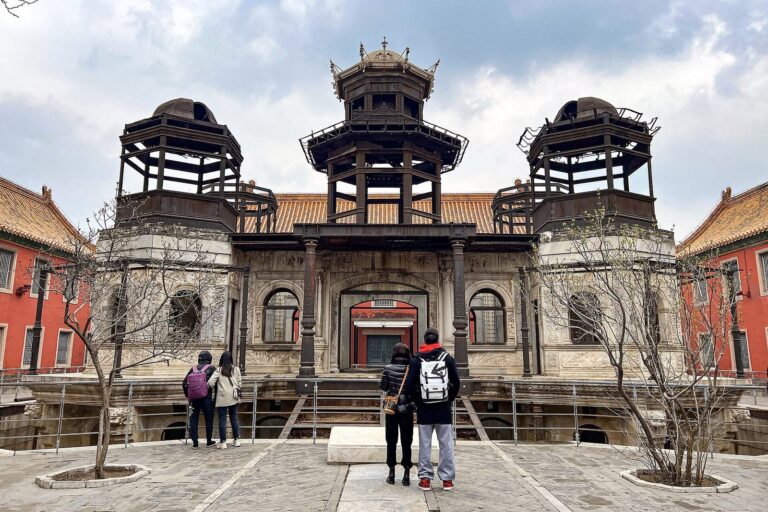
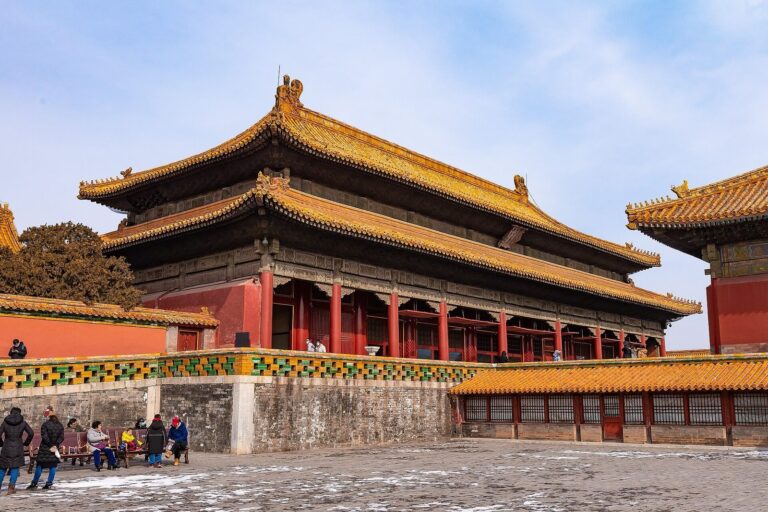
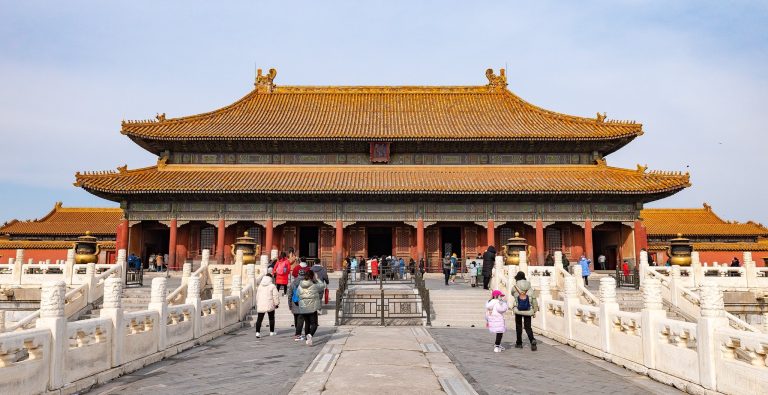
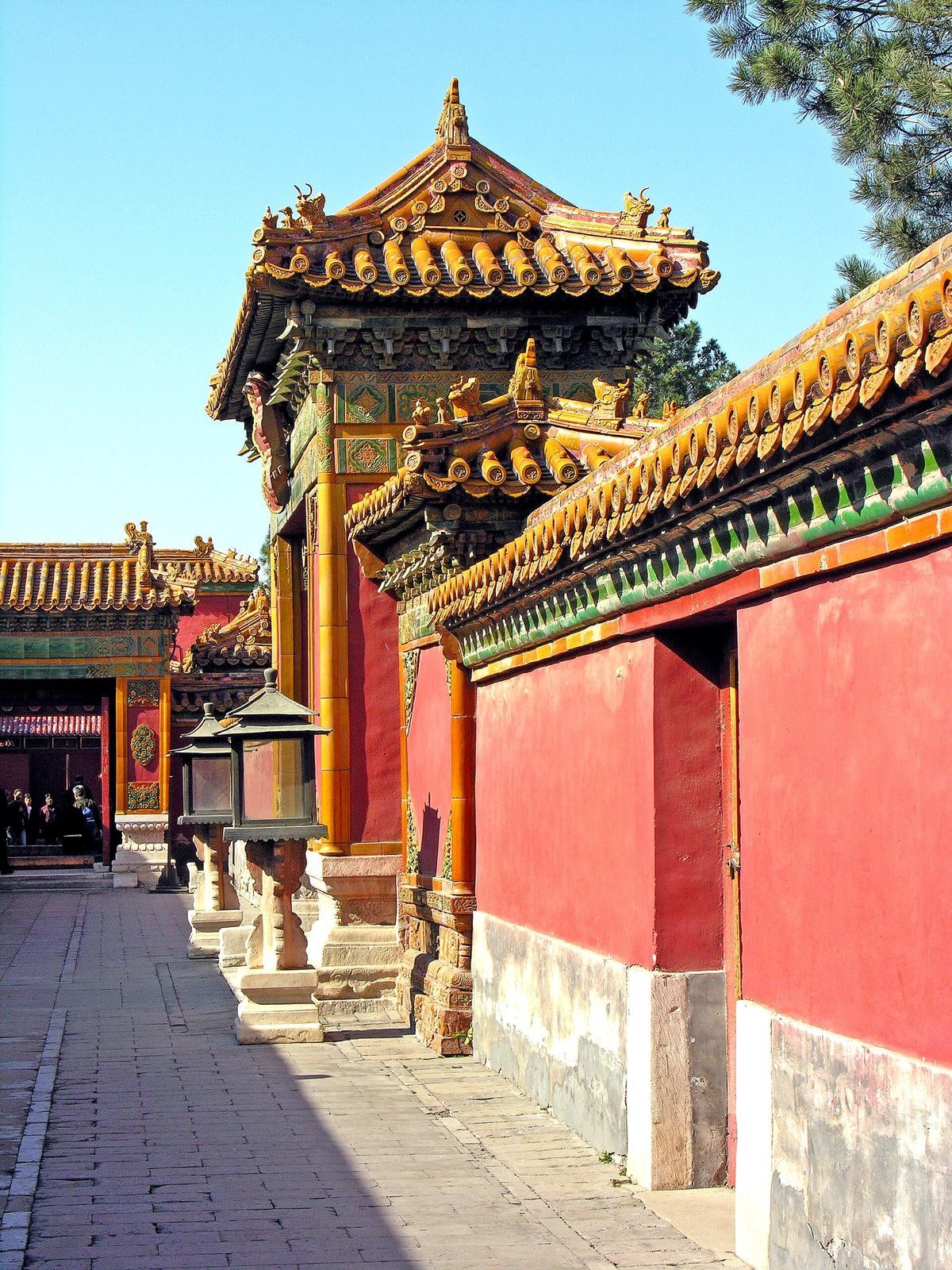
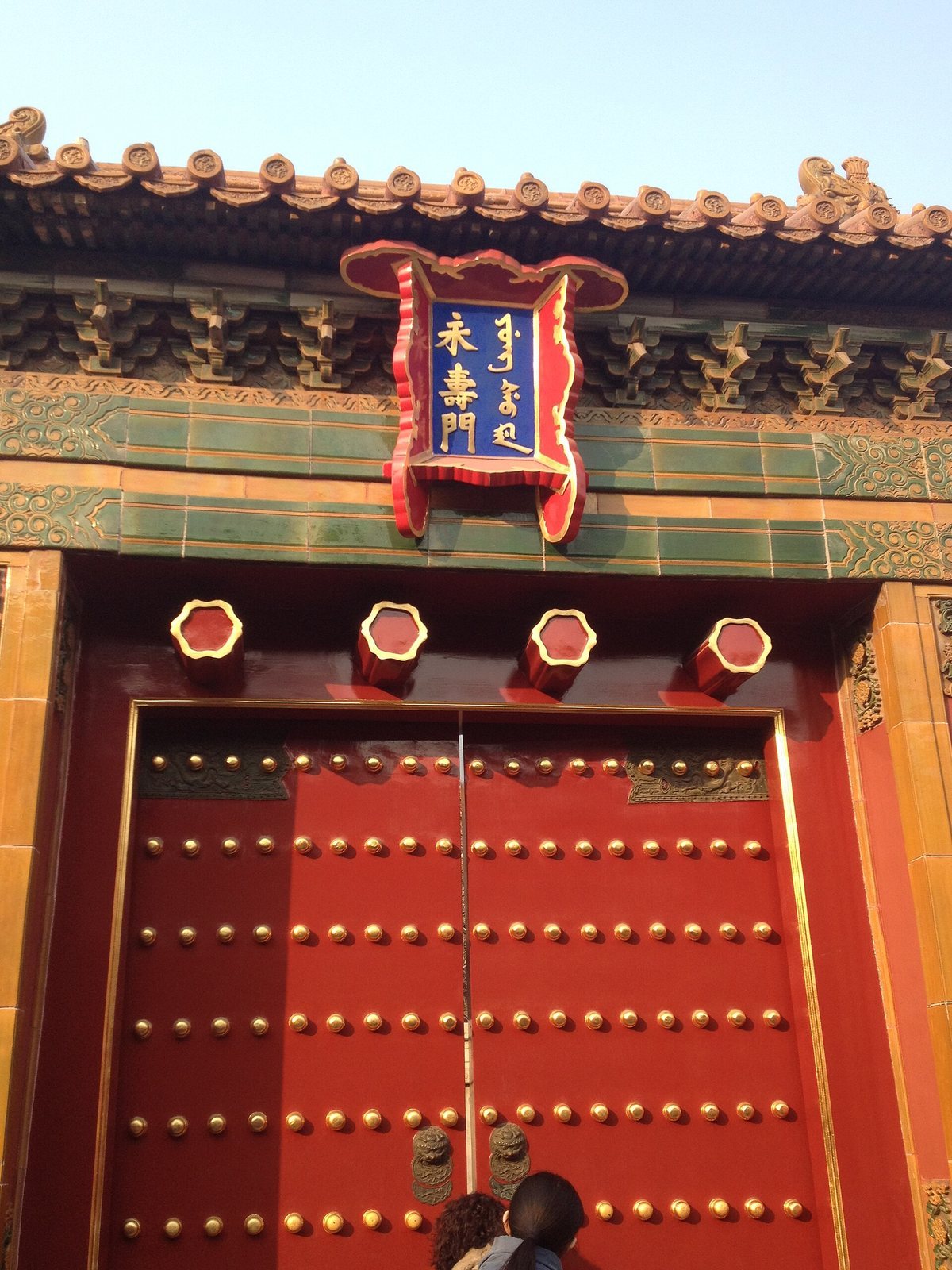
The Palace of Eternal Longevity, also known as Yongshou Palace, is one of the Six Western Palaces in the inner court of the Forbidden City in China. Built in 1420 as the Palace of Eternal Pleasure, it was renamed the Palace of Embodying Morality in 1535 by the Jiajing Emperor. In 1616, during the reign of the Wanli Emperor, it received its present name. Both emperors ruled during the Ming dynasty, which preceded the Qing.
Renovations took place in 1697 and 1897. During the Qing Qianlong era, the palace hosted wedding banquets for Princess Heke in 1772 and Princess Hexiao in 1789. Their titles, Second Rank and First Rank respectively, were formal grades in the Qing imperial nobility. The palace is the residence closest to the Hall of Mental Cultivation, which served as the Qing emperors’ living quarters from 1722.