Otanaha Fortress: A Sixteenth-Century Defensive Fort in Gorontalo

Site at a Glance
- Popularity
- Medium
- Country
- Indonesia
- Primary era
- Early Modern
- Eras represented
- Early Modern
- Civilizations
- Unclassified
- Site type
- Military
- Remains
- Fort
On this page4 sections
History
Otanaha Fortress is a defensive fort in Gorontalo, Indonesia, built in 1522 by King Ilato of the Gorontalo Kingdom with Portuguese sailors. It formed part of a group of three forts intended to strengthen local security.
Construction and the Portuguese expulsion
In the sixteenth century, Portuguese sailors stopped at Kota Barat in Gorontalo after encountering bad weather, pirate threats, and shortages of provisions. They offered to build forts to protect the area. Ilato’s daughters, Ndoba and Tiliaya, discovered that the sailors had used the kingdom’s hospitality to help drive away pirates who threatened them. The Gorontalo people then expelled the Portuguese from the kingdom.
Naha and the forts’ names
After succeeding his father as king, Naha went to war with Hemuto, leader of a migrant community in northern Gorontalo. In 1585, Naha stumbled upon Otanaha and used it as shelter for his wife, Ohihiya, and their sons Paha, also known as Pahu, and Limonu. Hemuto killed Naha and Paha; Limonu later killed Hemuto in revenge.
The names of the three forts are linked to Naha’s family. Otanaha combines ota, meaning “fort,” with Naha’s name, because he found the fort. Otahiya takes its name from Hiya, part of Ohihiya’s name, while Uwole means “Pahu’s fort.”
Remains
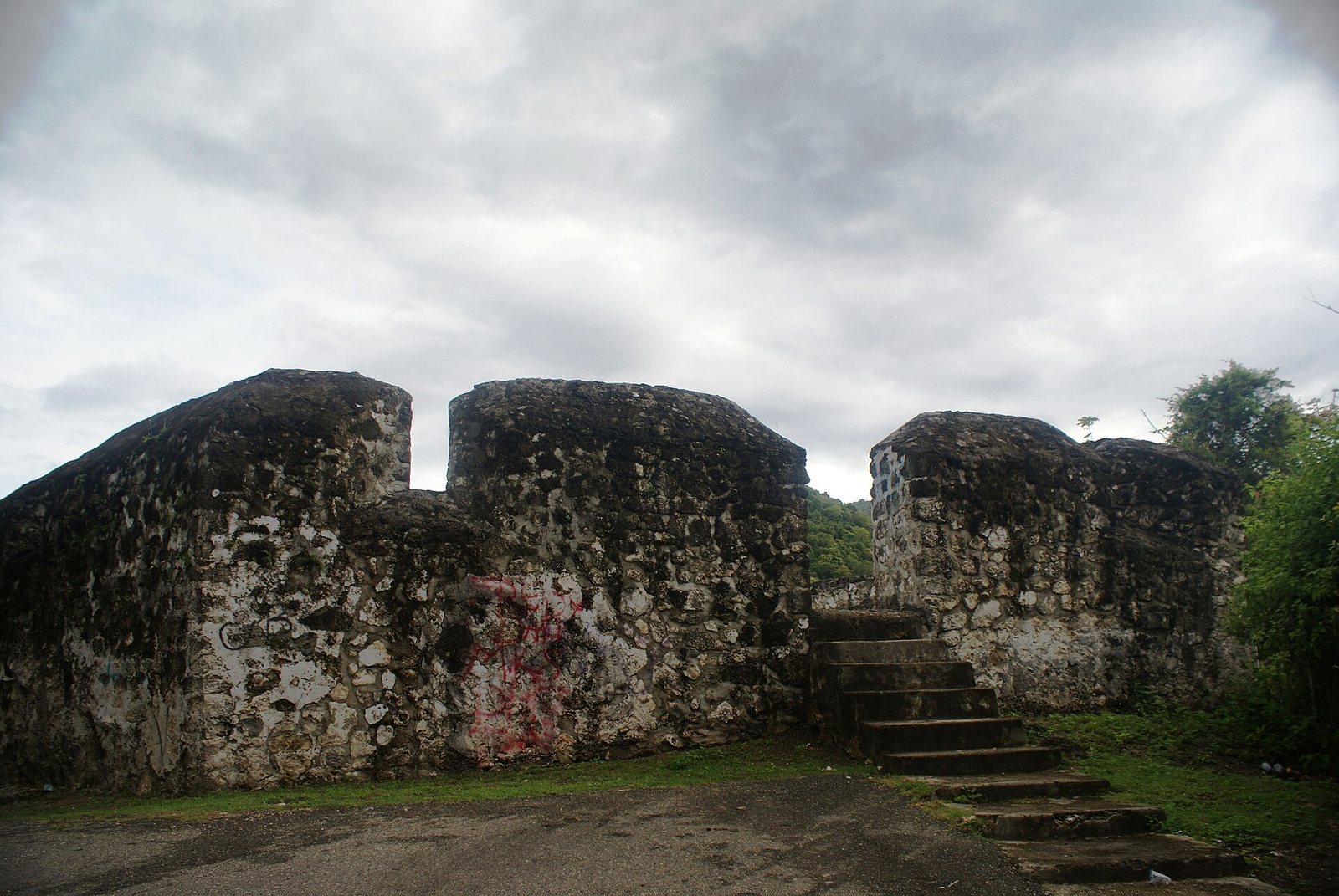
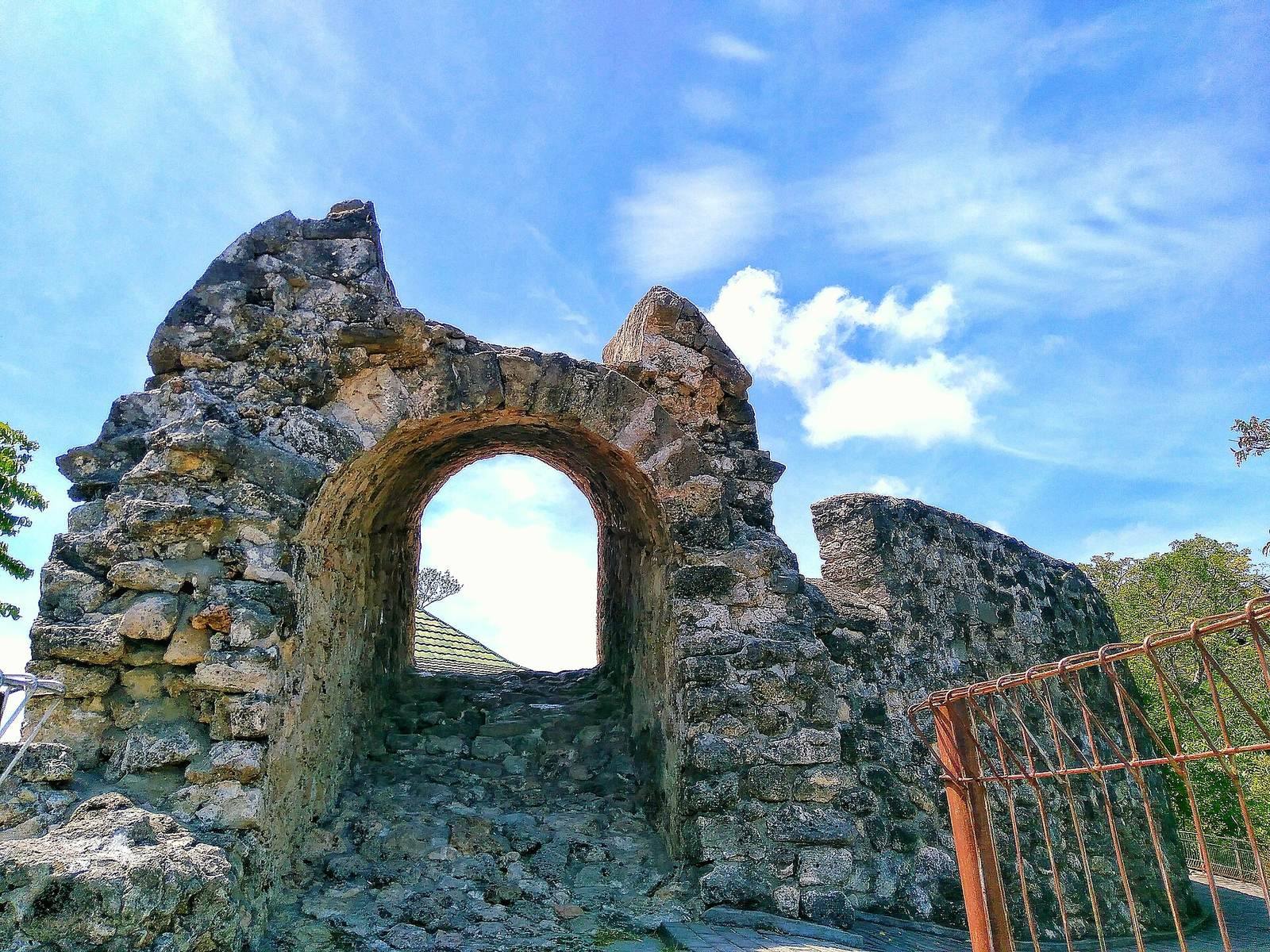
Otanaha stands on Dembe Hill and is built from a mixture of sand, calcium, and Maleo bird eggs. The Maleo is a ground-dwelling bird native to Sulawesi and nearby islands.
A stairway with 348 steps leads to the fortress. Four landings divide the climb into sections of 52, 83, 53, and 89 steps, followed by a final 71 steps from the last landing to the fort. From the fortress, views extend across Limboto Lake and parts of the Gorontalo region.