Oide Shrine: A Shinto Tutelary Shrine in Tsuru, Japan


Site at a Glance
- Rating
- 4.5
- Popularity
- Very Low
- Country
- Japan
- Primary era
- Early Modern
- External website
- Open
- Eras represented
- Early Modern
- Civilizations
- Tokugawa
- Site type
- Religious
- Remains
- Sanctuary
On this page13 sections
History
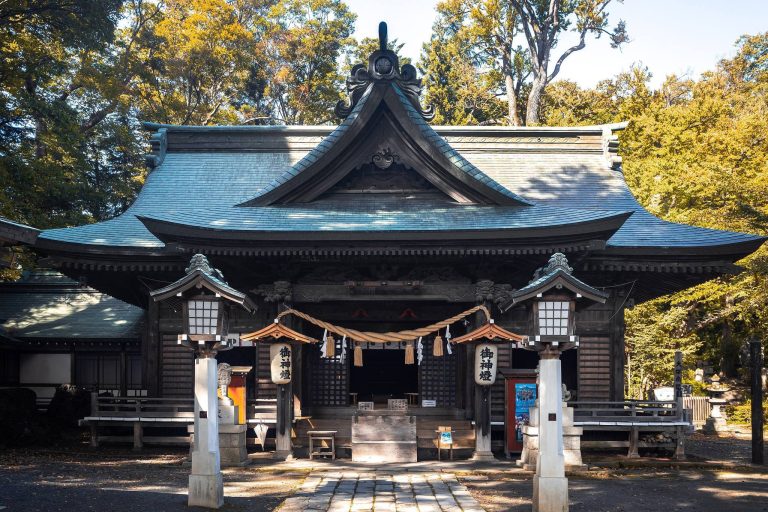
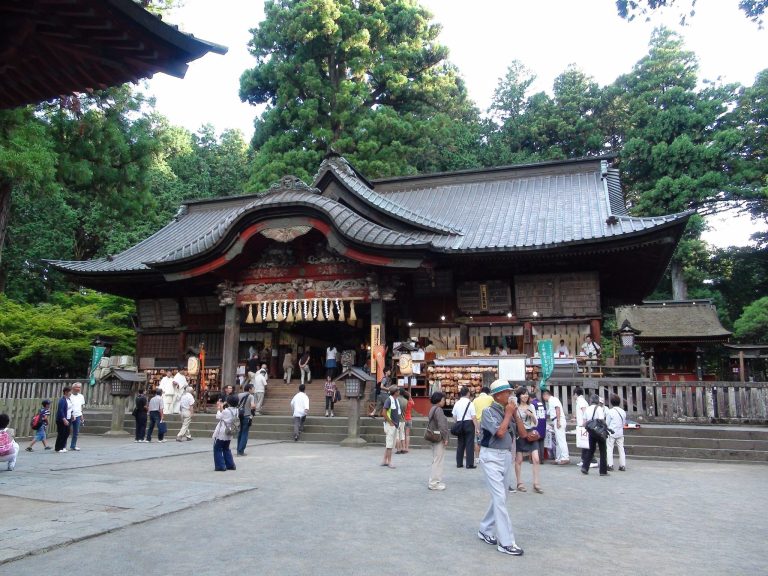
Oide Shrine is a Shinto shrine in Tsuru, Japan, traditionally serving as the local guardian shrine of Yokkaichiba and Shimotani. Its present buildings date from 1768, during the Edo period, when the Akimoto clan governed Tanimura Domain and used the shrine as its tutelary shrine. The shrine stands in the Gunnai region of eastern Yamanashi, at the northwestern foot of Mount Oide between Yokkaichiba and Ikura.
Local setting and early tradition
The shrine’s setting developed alongside the settlements around it. Yokkaichiba was traditionally associated with a medieval periodic market, suffered a recorded fire in 1533, and later became a post town on the Fuji Road during the Edo period. Tanimura, to the southwest, served as the political center of the Gunnai territory under the Oyamada clan before becoming the castle town of Tanimura Domain. After Kai Province came under direct shogunal administration in 1724, Tanimura also received a magistrate’s office.
Mount Oide rises to 701.4 meters behind the shrine. Its summit has yielded artifacts from the early Jomon and middle Yayoi periods, prehistoric cultural phases associated respectively with hunter-gatherer communities and with wet-rice agriculture, metallurgy, and increasingly stratified settlements. Oide Shrine at Yokkaichiba forms part of a three-shrine tradition with Oide Shrines at Ikura and Hono. All three traditionally regard a former shrine site east of a summit pond as their inner sanctuary.
A tradition preserved at the Ikura shrine tells of a white snake living in the summit pond and threatening local people. In response, Suwa Myojin, the deity or deities honored at the Suwa religious center, was enshrined there. The shrine was traditionally transferred in 929 to three locations, Yokkaichiba, Ikura, and Hono, while the original location became the inner sanctuary. The principal deities at Oide Shrine are Takeminakata no Kami and Yasakatome no Kami, Shinto sacred beings associated especially with the Suwa religious tradition.
Edo-period development
According to a tradition preserved at the Tsuru shrine, Akimoto, the lord of Tanimura Domain, prayed to Suwa Myojin for the birth of an heir during the early Edo period. After the prayer was fulfilled, the shrine took the name Oide Shrine. During the early modern period, its chief priest also served the Oide Shrine at Ikura, linking the two institutions within the local religious network.
Earlier shrine buildings were reportedly constructed during the Genna era by Torii Naritsugu, a Tokugawa retainer responsible for governing the Gunnai region. The present buildings were rebuilt in 1768 by master carpenters belonging to the Gunnai carpenters’ association, including craftsmen from Kamitorizawa and Tanimura. Their ridge-beam tablets, wooden plaques recording construction details, preserve information about this rebuilding.
The Hassaku Festival
Oide Shrine’s annual Hassaku Festival is held on September 1. Hassaku refers to the first day of the eighth month in the traditional lunar calendar and is associated with the harvest season. By the nineteenth century, the festival included decorated floats and a daimyo procession, a formal retinue imitating the movement of a feudal lord. A portable shrine travels with floats from local districts toward the former Tanimura castle town.
Tradition holds that the festival began using equipment left behind when the Akimoto clan moved to Kawagoe Domain in 1704. The festival already followed an established order of procession in the Tenpo era, described as the order followed “from ancient times.” An ink inscription on the Shinmachi float dates to 1812. The floats are thought to have received their elaborate equipment from the late Kansei era to the beginning of the Bunka era, when connections developed among the former castle town, Gunnai textile production, Edo cloth merchants, and leading ukiyo-e artists.
Remains
Oide Shrine occupies the lower slopes of Mount Oide, with the mountain rising behind the shrine area and the Sugano River, also called the Misogi River, flowing to the south. The shrine buildings were rebuilt in 1768 with the participation of master carpenters from Kamitorizawa and Tanimura. Sculptures of lions by the Edo sculptor Goto and his son remain on the buildings. The mountain summit forms the setting for the Oideyama Summit Archaeological Site, where artifacts from the early Jomon and middle Yayoi periods have been excavated.
Summit sanctuary tradition
Inner-sanctuary area
The traditional inner-sanctuary area lay east of a pond on the summit of Mount Oide. The three Oide Shrines connect this summit location with the origins of their shared Suwa tradition. The summit also contains archaeological evidence from the early Jomon and middle Yayoi periods, giving the mountain a long human history alongside its religious associations.
Shrine buildings
Rebuilt buildings
The surviving shrine buildings belong to the rebuilding of 1768. Ridge-beam tablets identify the work of master carpenters from the Gunnai association, including craftsmen from Kamitorizawa and Tanimura. Lion sculptures attributed to the Edo sculptor Goto and his son remain attached to the buildings.
Hassaku Festival float curtains
“Bamboo and Tiger”
The float curtain known as Bamboo and Tiger is thought to date from the late Kansei era through the Bunka era in the late Edo period. It shows a tiger, bamboo grove, and waterside landscape embroidered on scarlet rasha, a type of woolen cloth, and bordered with black velvet. Its lower-left corner carries the signature “Toyo; painted by the madman Hokusai” and a Katsushika seal. The signature is associated with Katsushika Hokusai’s work between about 1800 and 1810. The seal is linked to a period when Hokusai was sixty, although the seal on the curtain may have been repaired in the 1970s or 1980s after damage made an earlier mark illegible.
Hayamacho, Shinmachi, and Shimomachi curtains
Hayamacho’s rear curtain depicts a herdsman playing a flute while riding an ox. Shinmachi’s rear curtain shows a Kashima dance, while Shimomachi’s mud curtain depicts a sacred rope. These three works retain no Hokusai signature, but tradition attributes their preparatory drawings to him. Their association with the festival reflects the connections between local textile production, Edo merchants, and ukiyo-e, the Edo-period school of popular woodblock printing and painting.
Other decorated panels
Other surviving panels include Nakamachi’s rear curtain, Horses beneath Cherry Blossoms, by Chobunsai Eishi; Hayamacho’s middle curtain, Wild Horses, by the second Ryubun-cho; and Shimomachi’s middle curtain, Sanbaso, and partition curtain, Flowers and Grasses, by Shimizu Gakurin. Together, these textiles preserve the artistic range of the Hassaku Festival floats and their connection with artists active in Edo.