Historical Museum of Sughd Region: A Museum of Northern Tajikistan’s History
Site at a Glance
- Rating
- 4.6
- Popularity
- High
- Country
- Tajikistan
- Primary era
- Unclassified
- External website
- Open
- Eras represented
- Unclassified
- Civilizations
- Unclassified
- Site type
- Military
- Remains
- Fort
On this page6 sections
History
The Historical Museum of Sughd Region is a museum in Khujand, Tajikistan, founded in 1986 and opened on 29 November that year during celebrations of the city’s 2,500th anniversary. Sughd is the historic region and present-day province covering much of northern Tajikistan, with Khujand as its capital. The city is traditionally associated with Cyropolis, an ancient settlement connected with its foundation history.
Ancient Khujand
The museum presents the history of Sughd from prehistoric times to the present and is counted among the ten largest museums in Tajikistan. Its historical narrative includes the capture of Khujand by Alexander of Macedon in 329 BC. Alexander, the fourth-century BC Macedonian ruler and conqueror, also established his most distant city nearby during his campaigns in Central Asia.
Fortress and Medieval Resistance
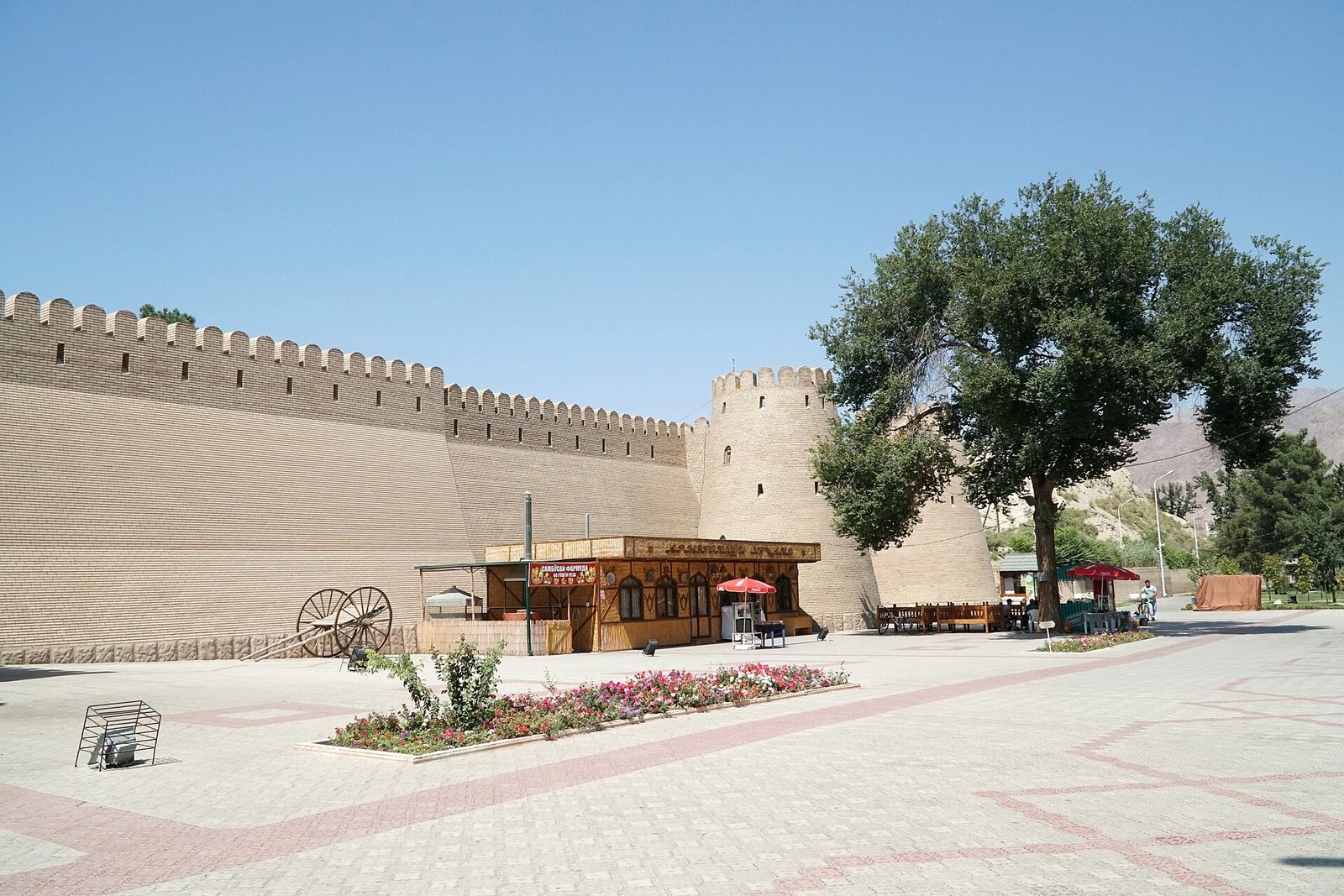
Khujand Fortress forms an important part of the museum’s historical interpretation. The fortress was destroyed and rebuilt repeatedly, and a dedicated exhibition section traces these successive changes. The museum also commemorates Timur Malik, a Khujand military leader who resisted the Mongol invasion in 1219 and 1220.
Remains
Fortress Setting
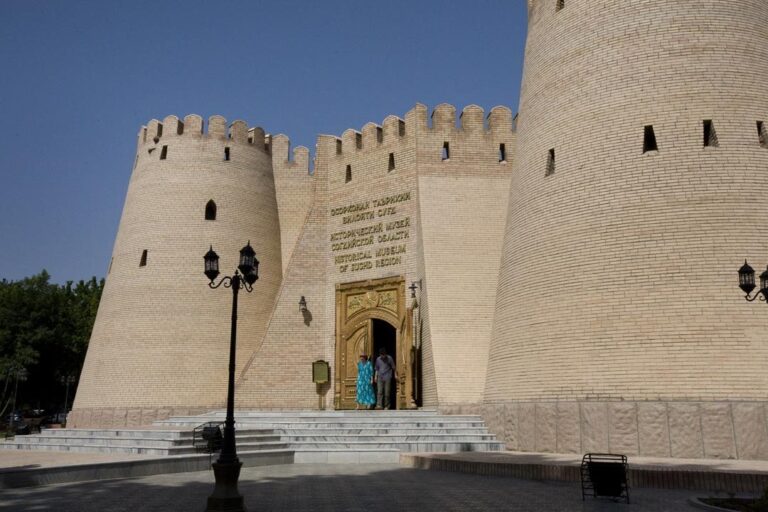
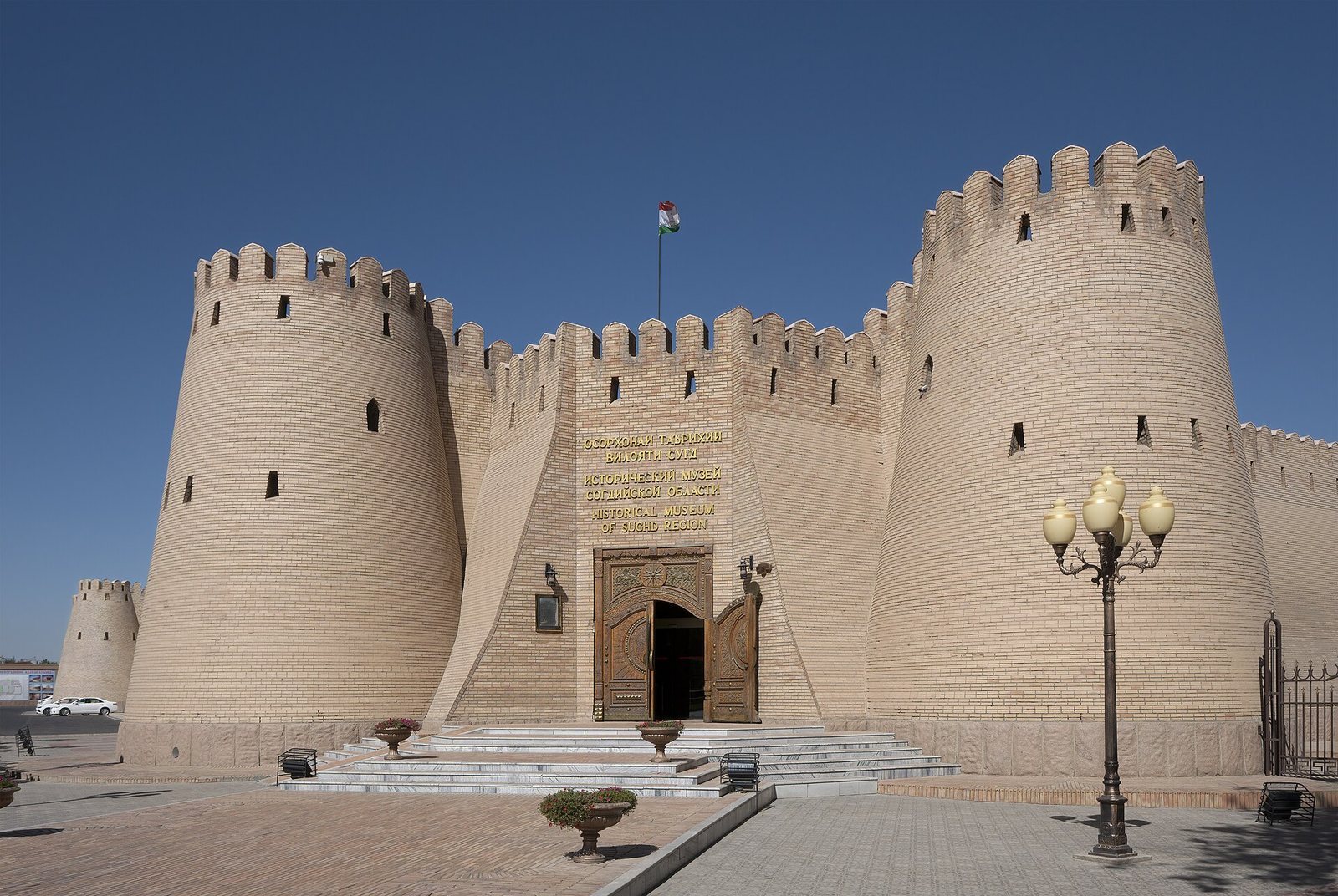
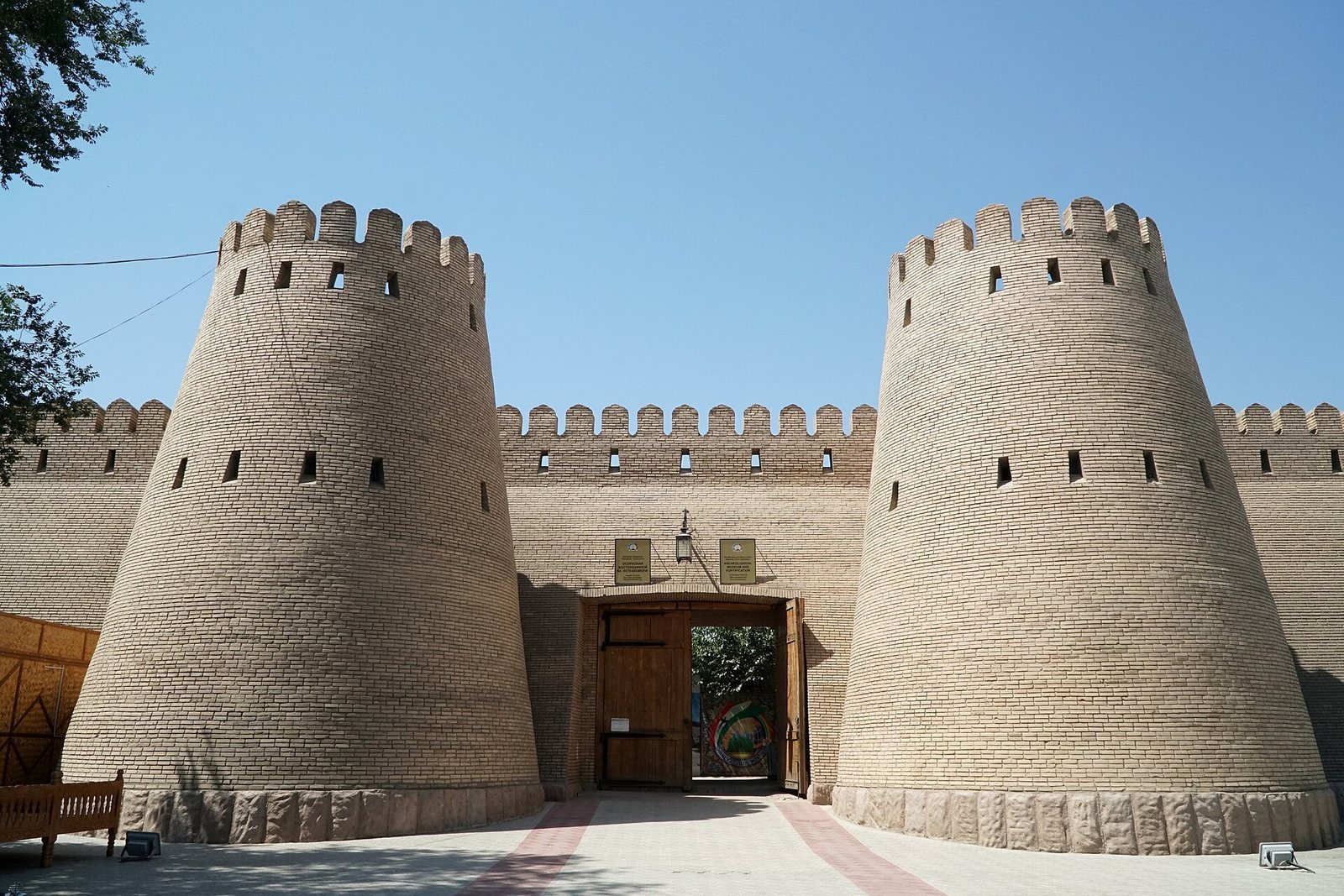
The museum occupies Khujand Fortress at the southeastern corner of the old city wall. The fortress was reconstructed in 1999 and overlooks the Syr Darya, the major Central Asian river known in antiquity to Greek and Roman writers as the Jaxartes. The museum’s position within this fortified structure connects its displays to the surviving historical setting of Khujand.
Collections and Displays
More than 15,000 objects form the museum’s collections. They include rare Tajik handwoven rugs, embroidery, pottery, household objects, and costumes, as well as dioramas presenting prehistoric life. Modern marble mosaics depict episodes from the life of Alexander of Macedon, while a statue commemorates Timur Malik. Exhibits devoted to the fortress represent its repeated destruction and rebuilding as part of the wider history of the site.