Museum of Somerset: History and Archaeology Museum in Taunton Castle


Site at a Glance
- Rating
- 4.7
- Popularity
- Medium
- Country
- United Kingdom
- Primary era
- Classical
- External website
- Open
- Eras represented
- Bronze Age, Classical, Modern
- Civilizations
- British, Roman
- Site type
- Museum
On this page12 sections
History
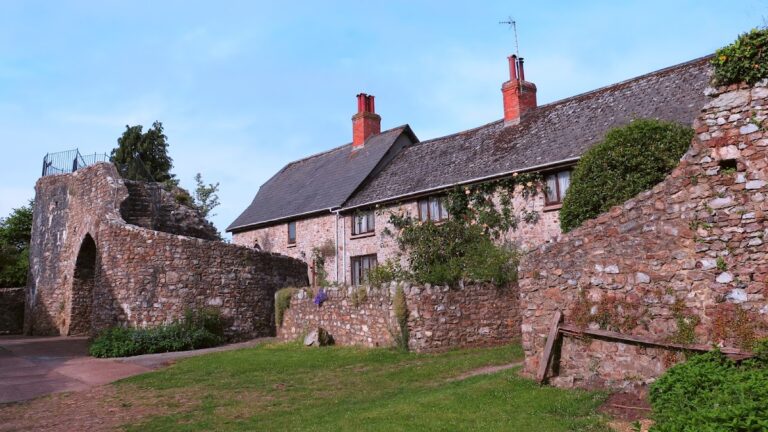
The Museum of Somerset is a history and archaeology museum in Taunton, United Kingdom, housed in the twelfth-century Great Hall of Taunton Castle. It is run by the South West Heritage Trust, an independent charitable organization, while the castle is owned by the Somerset Archaeological and Natural History Society, a learned organization devoted to Somerset’s archaeology, history, and natural history.
Formation and development
The Somerset Archaeological and Natural History Society bought Taunton Castle in 1874. From 1899 to 1900, it repaired and refitted the Great Hall for use as its principal museum space. The Society’s collections provided much of the museum’s early character, and its holdings were later expanded by material collected by Mary Harfield, a self-taught archaeologist.
In 1908 and 1909, the Society created the Adam Library to accommodate its growing collection of books. The Society leases the castle space to Somerset County Council for use as the museum. Known as the Somerset County Museum until 2008, it was later reshaped through a major improvement project. The museum closed on 18 April 2008 for a two-year refit and reopened under its present name on 29 September 2011.
Collections and later history
The museum’s collections encompass toys and dolls, sculpture, natural-history specimens, fossils, fine silver, pottery remains, and archaeological material. Its displays include the Low Ham Roman Mosaic, discovered at the Low Ham Roman Villa, a rural Roman estate or residence that could include domestic and agricultural buildings, and the South Cadbury Bronze Age shield. The Somerset Military Museum presents the overseas campaigns of the Somerset Light Infantry, a British infantry regiment.
The Frome Hoard entered the museum’s collections in 2011 with assistance from the National Heritage Memorial Fund. It contains 52,503 Roman coins found near Frome in April 2010 by the metal detectorist Dave Crisp. The coins had been placed in a ceramic pot 45 centimetres in diameter and date from AD 253 to 305. Most are made of debased silver or bronze. The hoard is one of the largest ever found in Britain and contains the largest group yet found of coins issued during the reign of Carausius, a Roman military commander who ruled Britain independently from AD 286 to 293 and was the first Roman emperor to strike coins in Britain.
Queen Elizabeth II, accompanied by the Duke of Edinburgh, visited the museum on 8 May 1987.
Remains
Castle spaces and museum centrepiece
Great Hall
The museum occupies the twelfth-century Great Hall of Taunton Castle. The hall was repaired and refitted between 1899 and 1900, creating the principal museum space used by the Somerset Archaeological and Natural History Society. Its present use brings the museum’s archaeological and historical collections into a medieval castle building.
Adam Library
The Adam Library is a named part of the castle complex. Created in 1908 and 1909, it was designed to house the Somerset Archaeological and Natural History Society’s expanding book collection.
Tree of Somerset
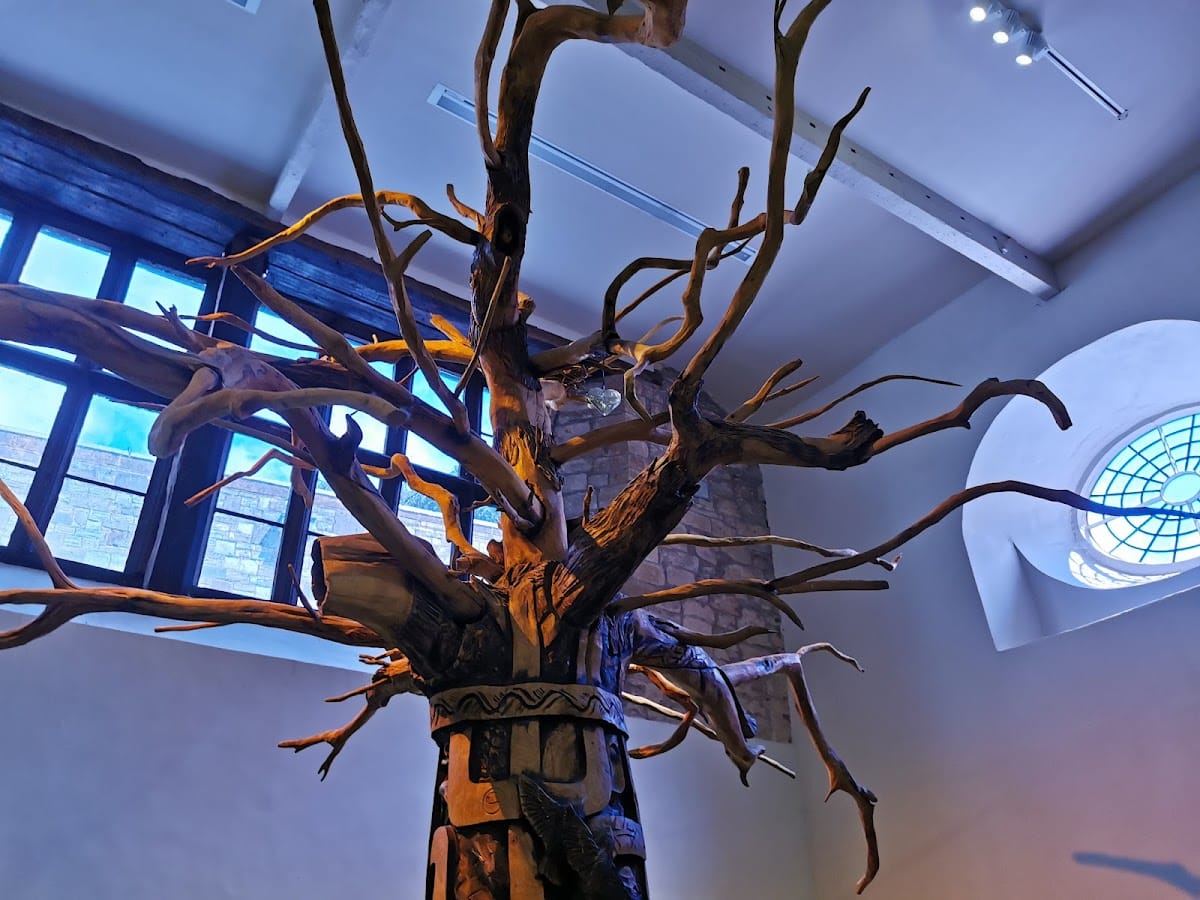
The Tree of Somerset, carved from oak sourced in the Quantock Hills, forms the centrepiece of the museum created after the post-2008 refit. The sculpture depicts events from Somerset’s history.
Archaeological and military displays
Frome Hoard
The Frome Hoard consists of 52,503 Roman coins dating from AD 253 to 305. Found near Frome in April 2010, the coins were contained in a ceramic pot measuring 45 centimetres across. Most were struck in debased silver or bronze, and the hoard includes the largest group yet found of coins issued under Carausius.
Low Ham Mosaic and South Cadbury Shield
The archaeological displays include the Low Ham Roman Mosaic, found at the Low Ham Roman Villa, and the South Cadbury Bronze Age shield. The Bronze Age was the prehistoric period associated with the widespread use of bronze for tools, weapons, and ornaments. These objects form part of displays that also encompass pottery remains and other archaeological material.
Somerset Military Museum
The Somerset Military Museum presents the campaigns of the Somerset Light Infantry around the world. The regiment’s overseas military history forms a distinct part of the museum’s broader historical collections.