Monastery of Saint Ursula: A Women’s Monastery in Italy
Site at a Glance
- Popularity
- Medium
- Country
- Italy
- Primary era
- Medieval
- Eras represented
- Medieval, Early Modern, Modern
- Civilizations
- Duchy of Florence, Holy Roman Empire, Italian, Republic of Florence
- Site type
- Religious
- Remains
- Monastery
On this page14 sections
History
Foundation and religious community
The Monastery of Saint Ursula is a former women’s monastery in Italy, founded in the early fourteenth century and attached to the Basilica of San Lorenzo. It belonged to the Roman Catholic Church and the Archdiocese of Florence, a large church jurisdiction led by an archbishop.
Benedictine nuns, following the monastic Rule of Saint Benedict, enlarged the monastery around 1320 and again in the last quarter of the fourteenth century as the surrounding district urbanized. They remained there until 1435, when Franciscan nuns, belonging to the tradition of Francis of Assisi, took over.
Lisa Gherardini and sixteenth-century changes
Lisa Gherardini spent the final years of her widowhood at the monastery, near her daughter Marietta, a nun known as Sister Ludovica. Gherardini was buried in the monastery church in 1542 and is considered a probable model for the Mona Lisa, painted by the Italian Renaissance artist Leonardo da Vinci.
From the mid-sixteenth century, the main church was remodeled in keeping with the Counter-Reformation, the Catholic reform movement. Its altar was moved in 1547, and a funerary crypt was created, probably for the nuns. The nuns also built a second church that was closed to outsiders. Its design has been interpreted as possible resistance to new rules from the Council of Trent, a major Catholic council whose decrees helped shape the Counter-Reformation.
Suppression and later uses
The French suppressed the monastery in the early nineteenth century. Following renovation, the complex became a tobacco factory in 1810, making Tuscan cigars. This use continued until a new factory opened near Piazza Puccini in 1940.
The former monastery later housed displaced people, followed by classrooms and offices of the University of Florence. In the 1980s, the state acquired the complex for use as a barracks for the Guardia di Finanza, Italy’s financial and customs police force. Renovation work begun around 1985 damaged the buildings, and the barracks plan was abandoned after the site was judged unsuitable.
The property passed to the Province of Florence in 2004, with mediation by the Tuscany region. Recovery proposals, including tenders in 2013 and 2014, did not lead to a completed restoration.
Remains
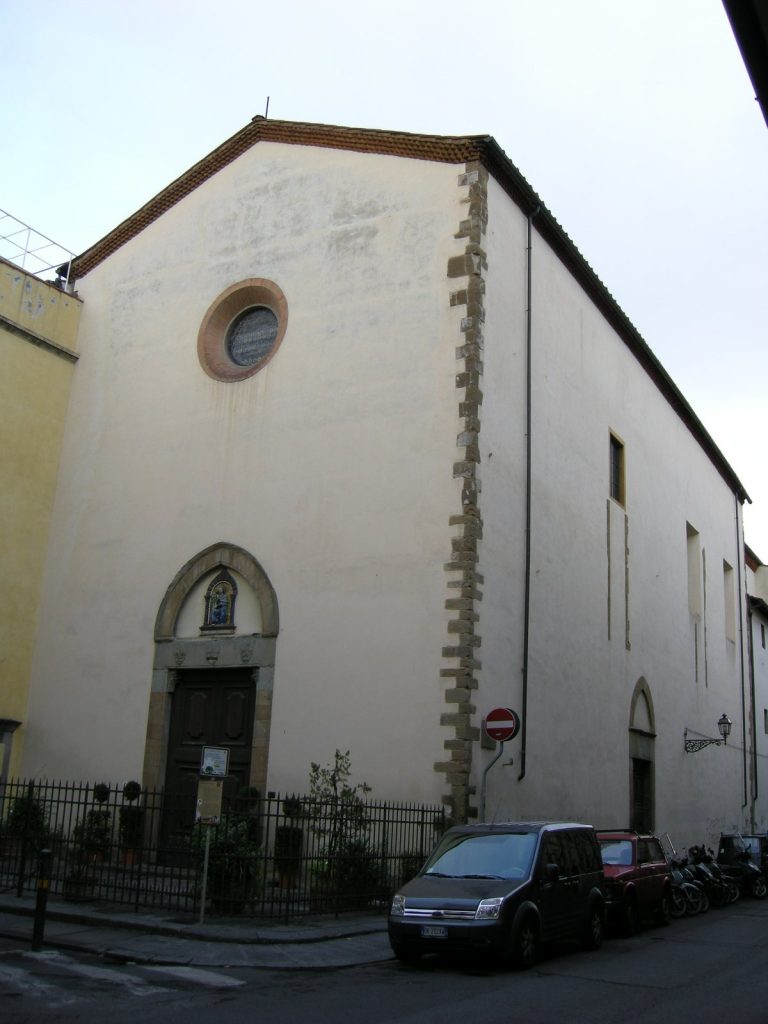
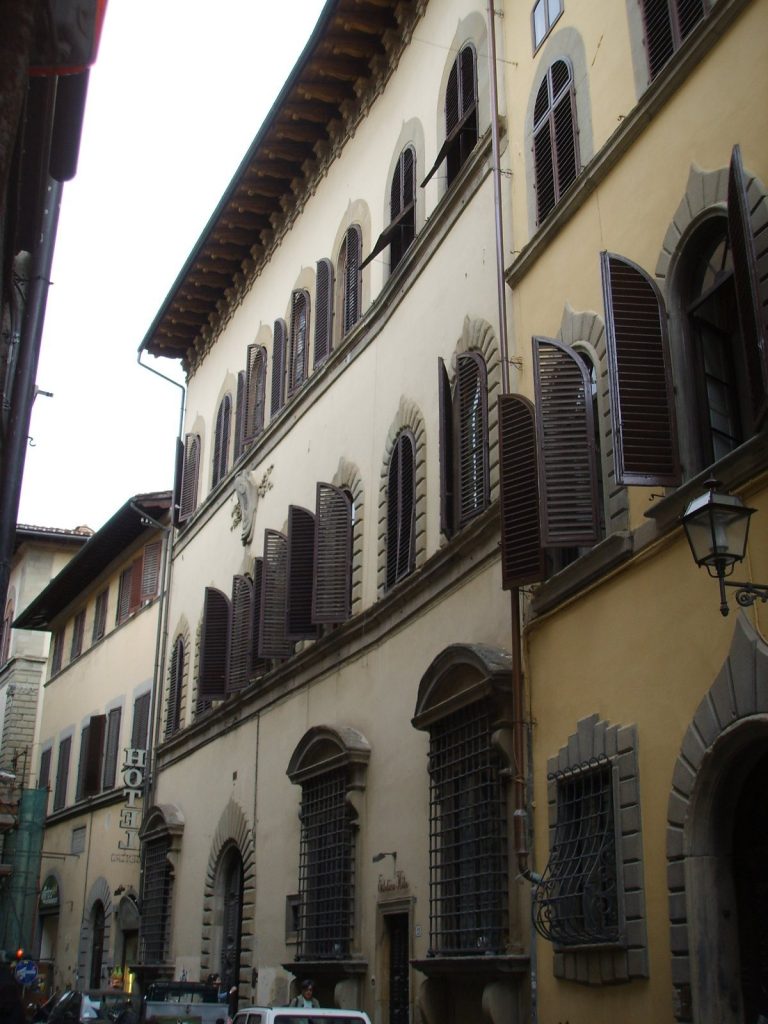
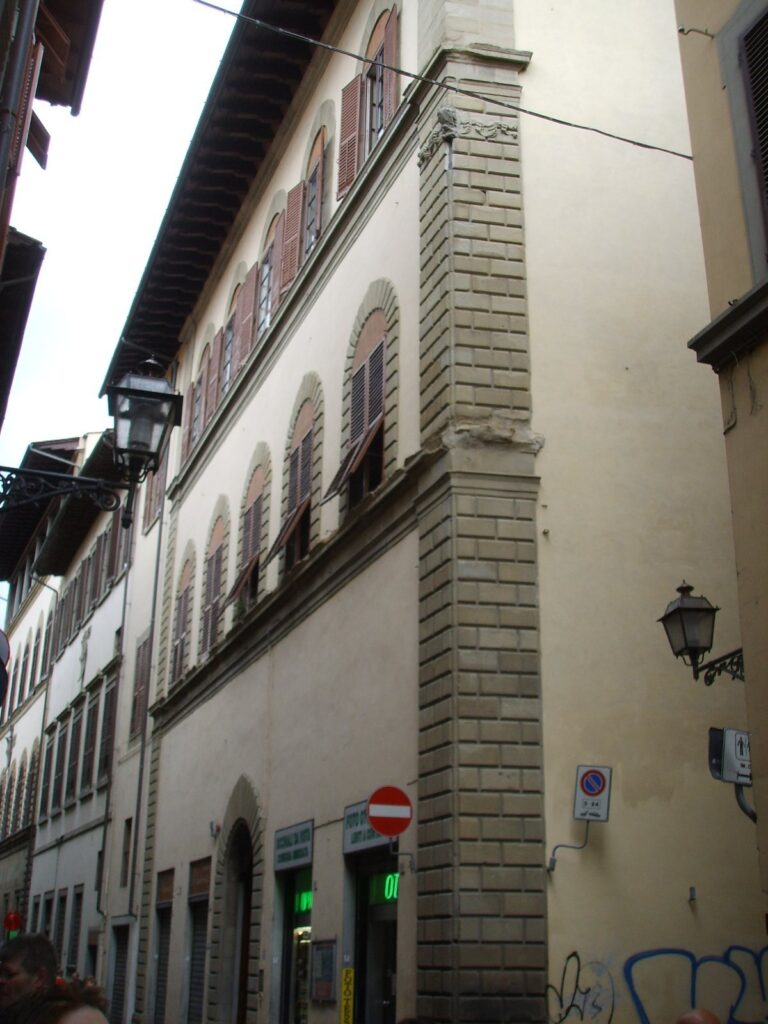
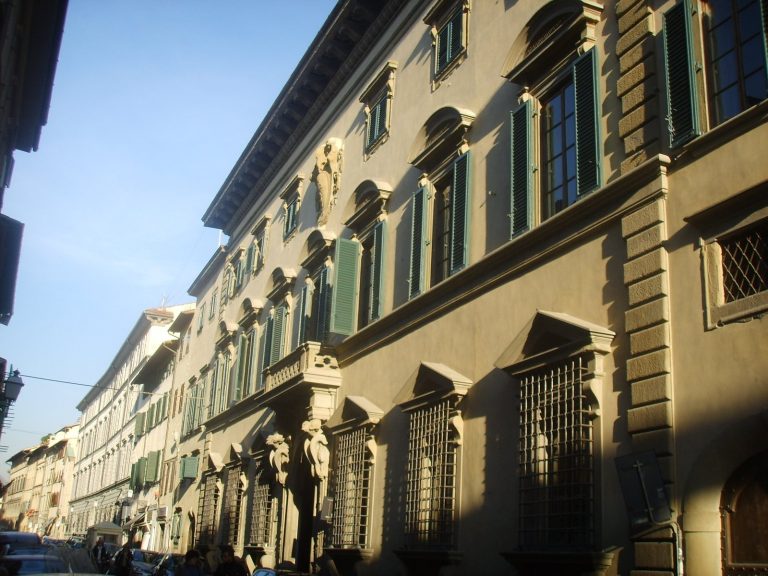
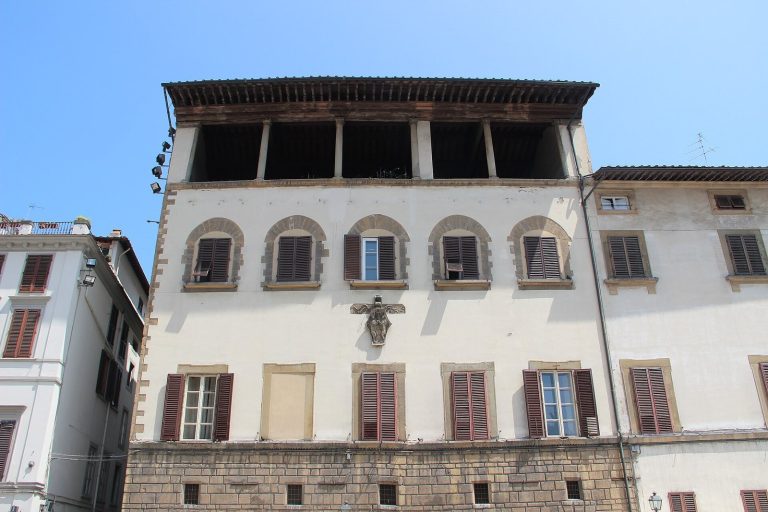
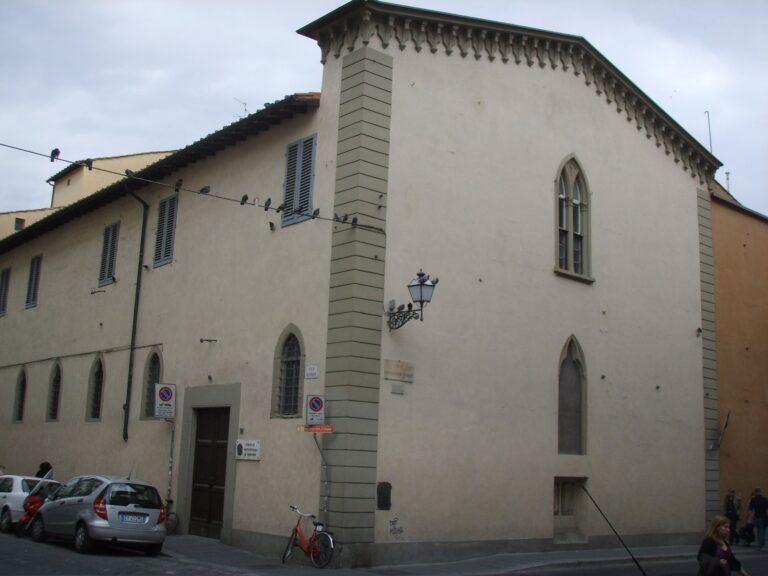
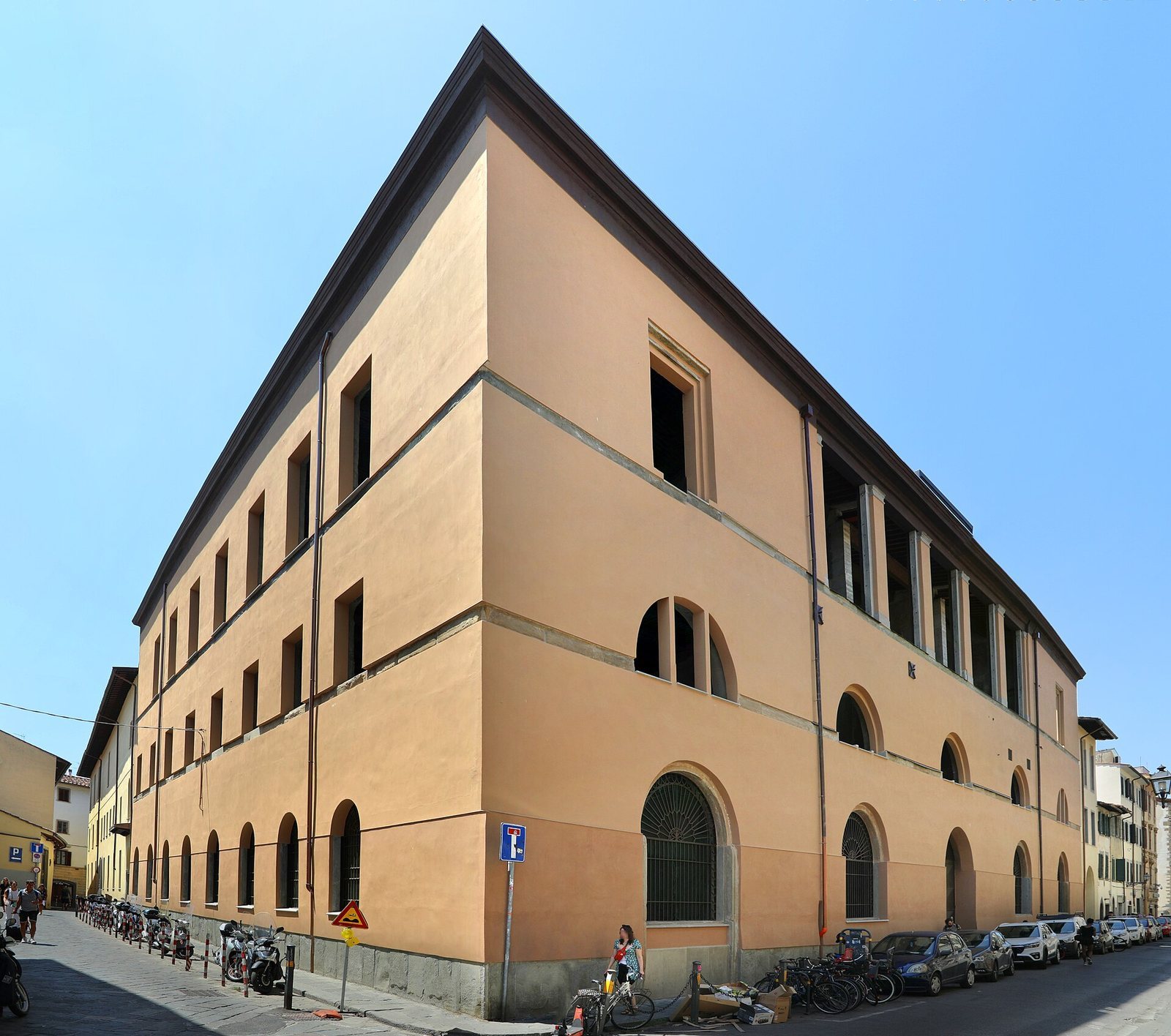
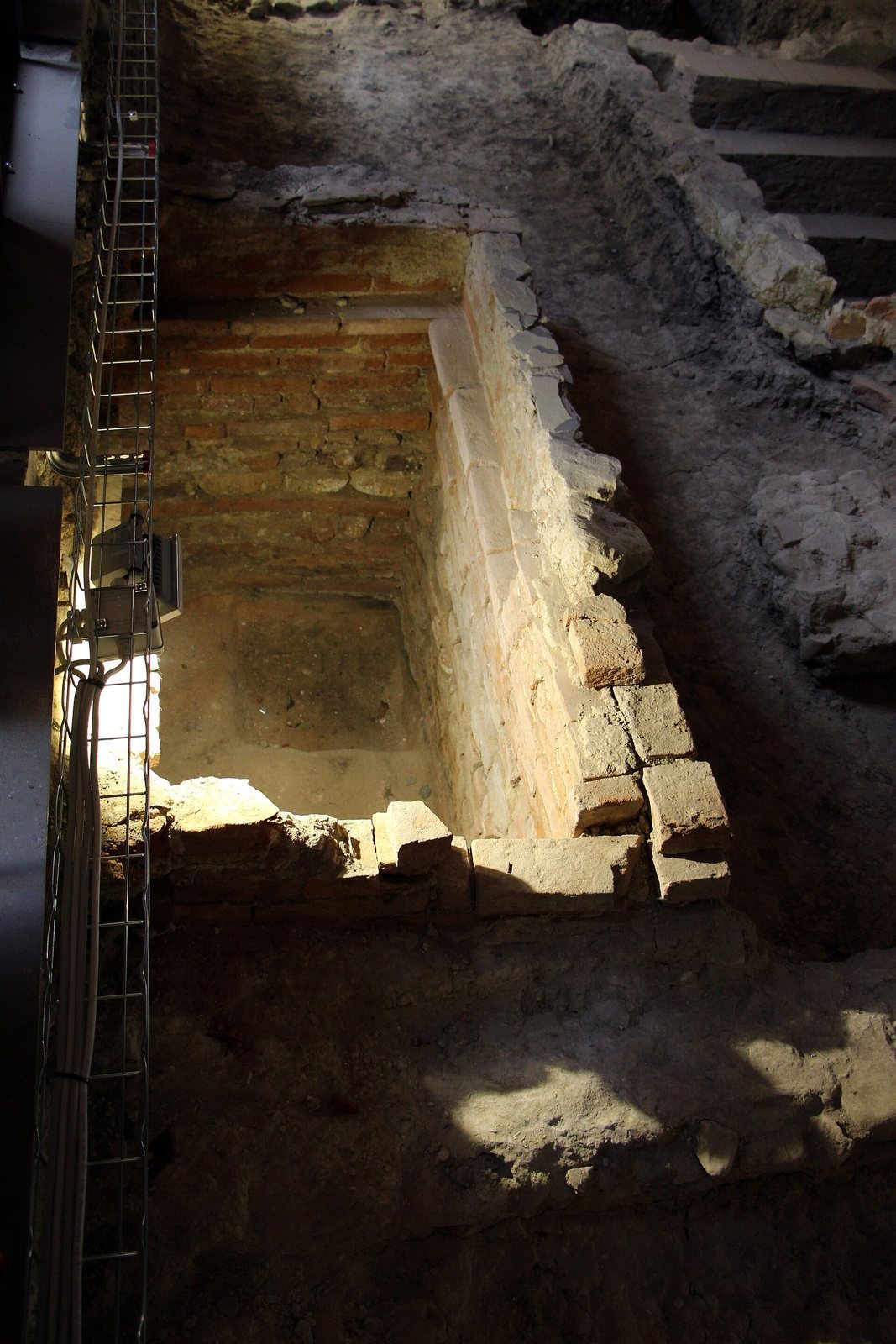
The complex occupies a city block bounded by Via Sant’Orsola, Via Guelfa, Via Panicale, and Via Taddea. Its main church and a second church stood on opposite sides of a cloister, a covered walkway around a courtyard. Archaeological investigation places the main church on a north–south axis, contrary to the east–west orientation shown on a plan by Buonsignori. The mapmaker may have inferred the interior arrangement from the perimeter walls, since only the nuns could enter the monastery.
Church buildings
Main church
The main church’s nave, the central area of the church, contained several burial areas. Its altar stood to the south, with a funerary crypt beneath it. The crypt was probably intended for the nuns.
Second church
The second church matched the main church in form, orientation, and dimensions, but its altar faced north.
Burials and ritual deposits
Burial areas
Higher-status floor burials around the altar date from the late fourteenth century to the first half of the fifteenth. Burials in the crypt and in a central communal burial chest are later. A separate communal chest along the southwestern edge of the nave has been attributed to Lisa Gherardini. Excavations in 2011–12 found three people buried there, one very probably female. Their orientation indicates that they were buried before the altar was moved. The skeletons have not been identified with certainty. DNA comparisons with Gherardini’s children were still under investigation; her children and husband were buried in the Chapel of the Martyrs at Santissima Annunziata.
Consecration deposits
Coins had been placed within the altar platform, while objects associated with worship were buried in a small pit in the presbytery, the area around the altar traditionally reserved for clergy. These deposits relate to consecration rites, the formal dedication of a church or altar for religious use.
Modern physical changes
Concrete and exterior alterations
Renovation work begun around 1985 encased the walls in iron mesh and cement and covered the floors with poured concrete. Scaffolding and metal sheeting that later enclosed the complex were removed, but openings in its exterior were walled up.
Exterior installation
In 2012, the exterior walls between Via Guelfa and Via Sant’Orsola were covered with facsimiles of American dollar bills in an installation by Czech artist Vaclav Pisvejc.