Marble Palace (Ramsar): A Pahlavi Summer Residence and Museum
Site at a Glance
- Popularity
- Very High
- Country
- Iran
- Primary era
- Modern
- Eras represented
- Modern
- Civilizations
- Unclassified
- Site type
- Domestic
- Remains
- Palace
On this page6 sections
History
Royal summer residence
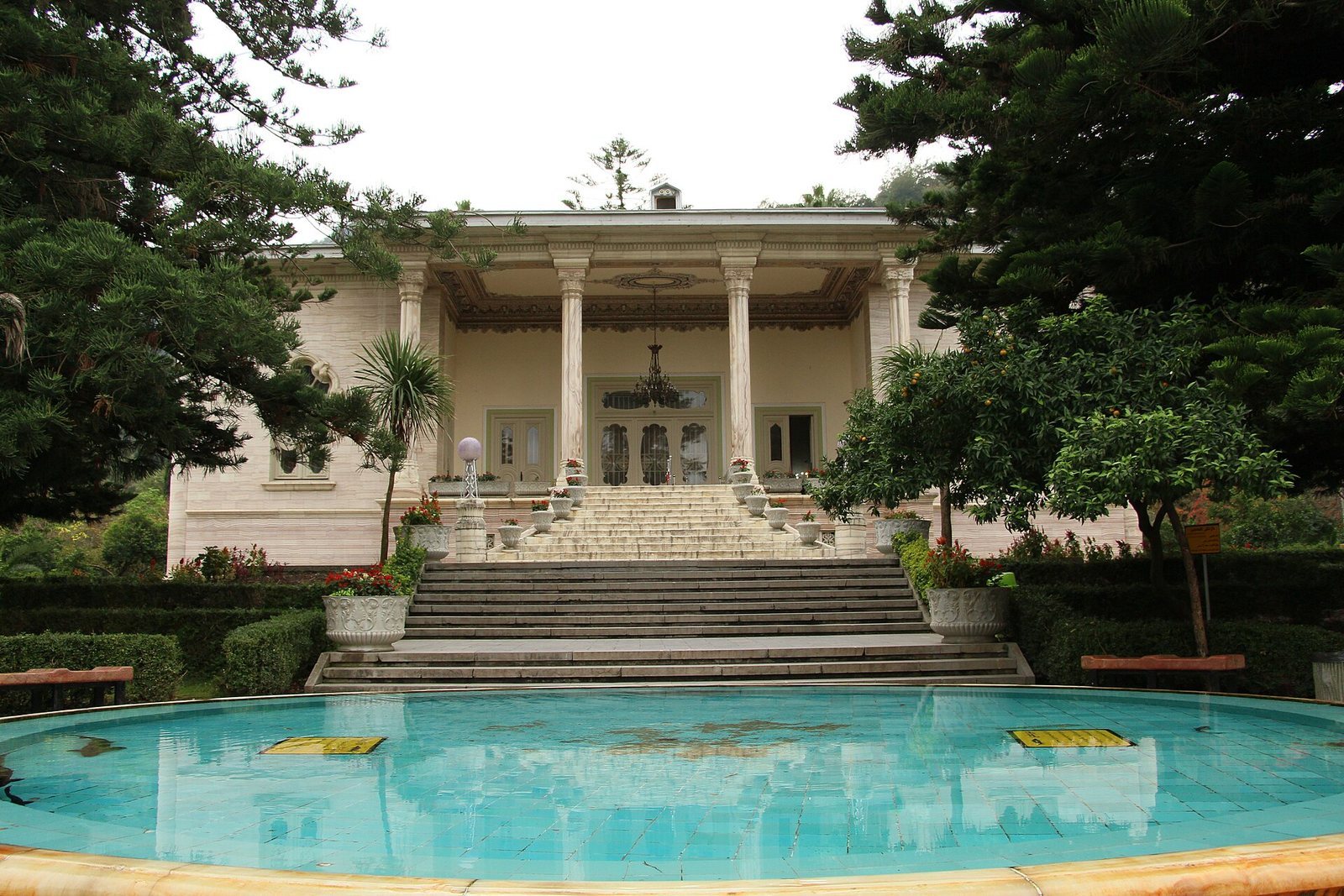
The Marble Palace is a former royal summer residence and museum in Ramsar, Iran. Commissioned by Reza Shah Pahlavi and completed and opened in 1937, it was built in the Pahlavi architectural style. Reza Shah ruled Iran from 1925 to 1941 and founded the Pahlavi dynasty.
The palace served as a summer residence for Reza Shah and later for his son Mohammad Reza Pahlavi, who ruled from 1941 until the monarchy ended in 1979. Shortly after construction, Ernest Perron, a Swiss-born close associate of Mohammad Reza, was appointed head gardener. Mohammad Reza and his second wife, Soraya Esfandiyari-Bakhtiari, spent their honeymoon at the palace. They also visited it frequently during political crises in Tehran.
From royal residence to museum
The palace remained a royal residence until the 1979 Islamic Revolution, which ended the Pahlavi monarchy. It became a public museum after the revolution and has been used as a museum since 2000. The building was designated an Iranian national monument in 1999. It is also known as the Ramsar Palace Museum or Caspian Museum, and locally as Tamashagah Khazar.
Remains
The palace stands within historic garden grounds covering 60,000 square metres. Its compact, rectangular building has one storey and a built area of 600 square metres. White marble, plaster and mirrors feature in its construction and decoration.
Palace building
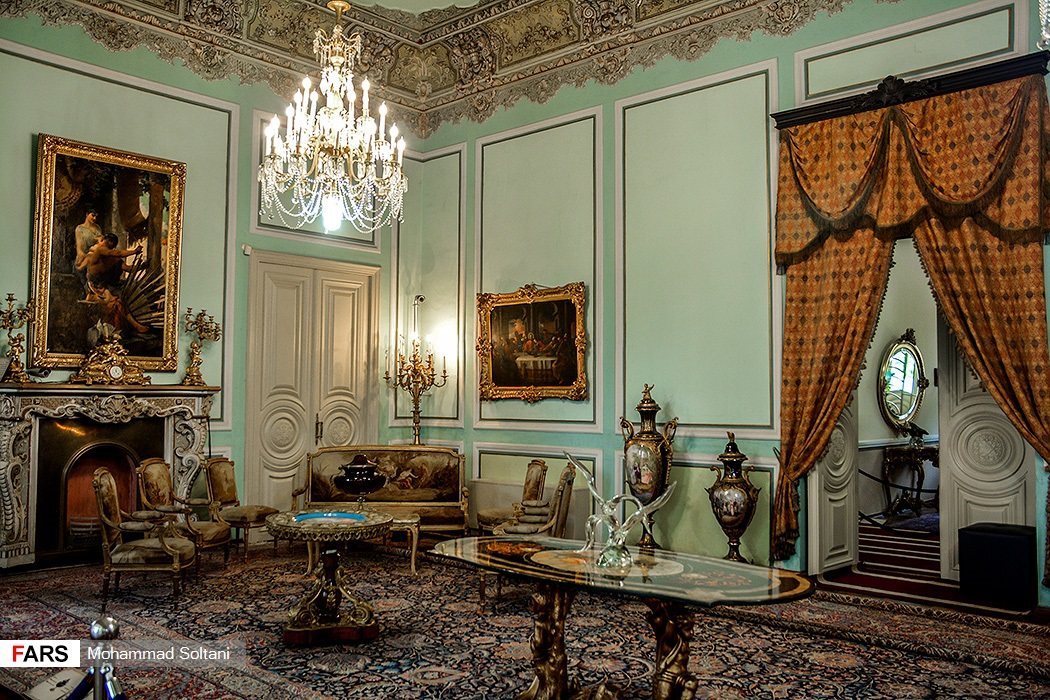
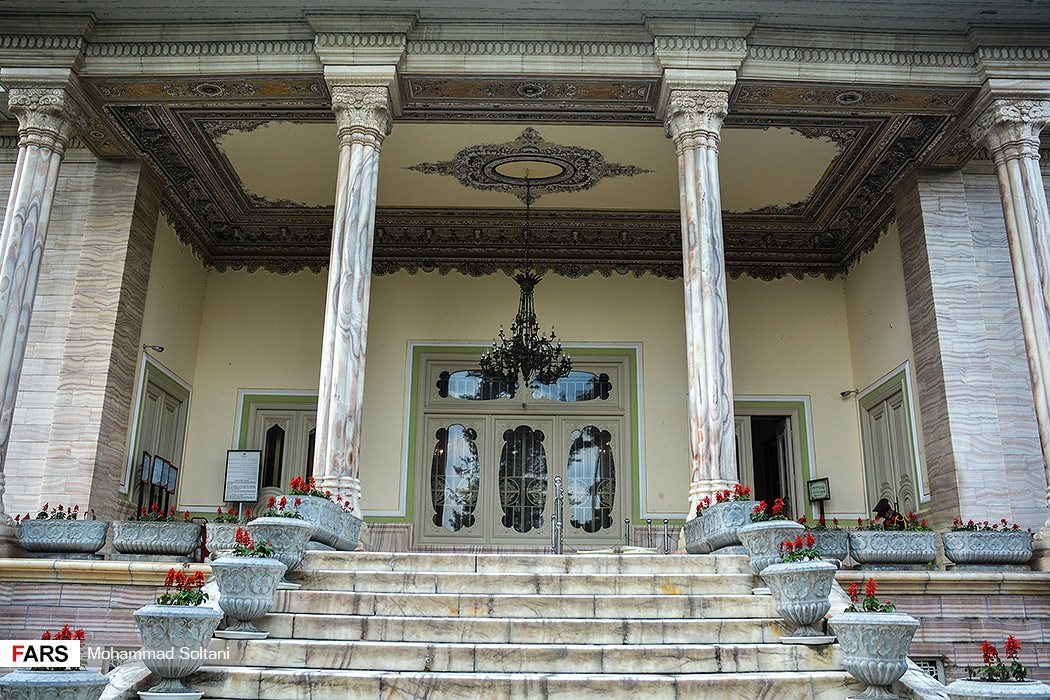
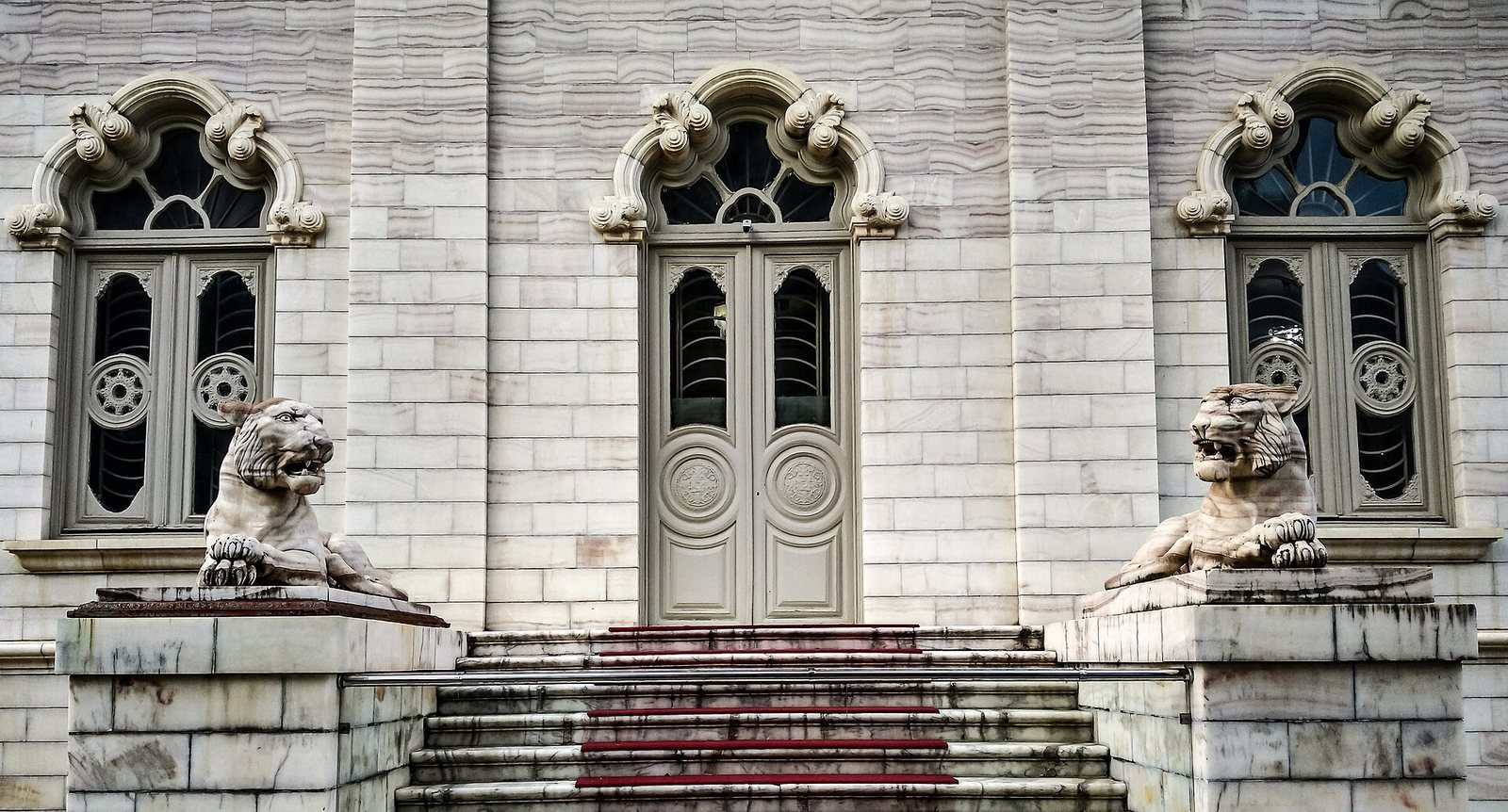
Local artists carved the marble stones forming the front facade. Four columns made from solid marble stand at the palace, while two marble tiger statues flank the staircase. Inside, the central reception hall has a wooden floor. Sculptures by prominent Iranian artists and paintings also decorate the palace.
Garden and museum displays
The grounds contain varied plant life, including rare ornamental plants, and received the first seedlings of genetically modified plants. A pine tree in front of the entrance reaches 23 metres in height. Museum displays include royal-court furniture and sofas, antique candelabra and sideboards, bronze and marble statues, and paintings by internationally renowned artists.