Kreuzkirche on Wittekindsberg: A 10th-Century Central-Plan Church
Site at a Glance
- Popularity
- Low
- Country
- Germany
- Primary era
- Medieval
- Eras represented
- Medieval, Modern
- Civilizations
- German
- Site type
- Religious
- Remains
- Church
On this page8 sections
History
The 10th-century church
The Kreuzkirche on Wittekindsberg is the remains of a 10th-century church in Minden, Germany. Its central-plan design, organized around a central space, makes it an exceptional European example of this building type. The person who commissioned the church is unknown. Milo, bishop of Minden from 969 to 996 and a senior Christian cleric responsible for a diocese, is a possible patron.
Four comparable churches are identified from the 10th and 11th centuries. The Basilica of St. Lawrence at Prague-Vyšehrad and St. Salvator in Kraków date to the second half of the 10th century; a chapel west of the monastery church at Schuttern dates to the 10th century; and the Chapel of the Holy Cross in Trier dates to the early 11th century. The Trier chapel, restored in 1927, is the only one of the four that survives.
Excavation and protection
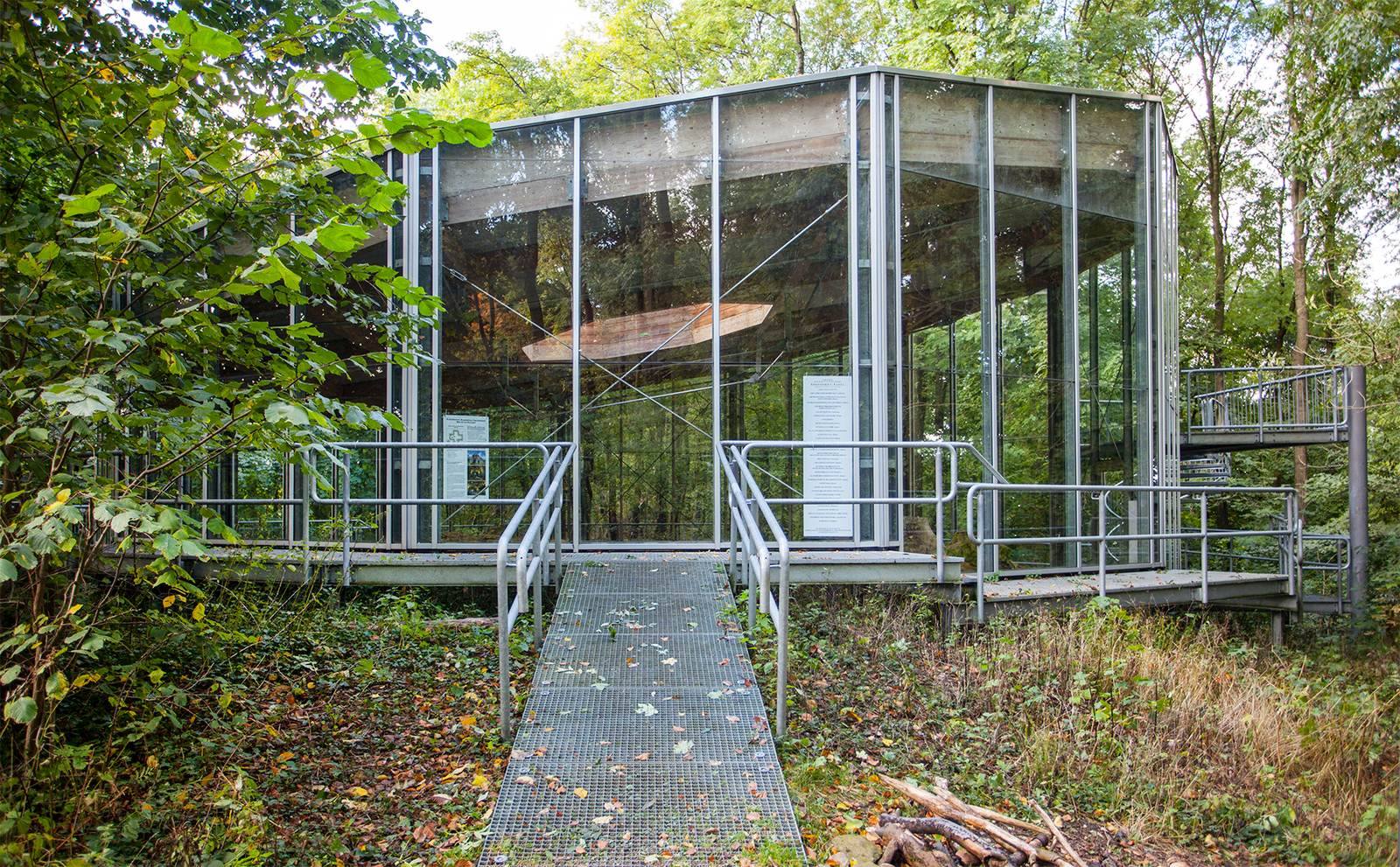
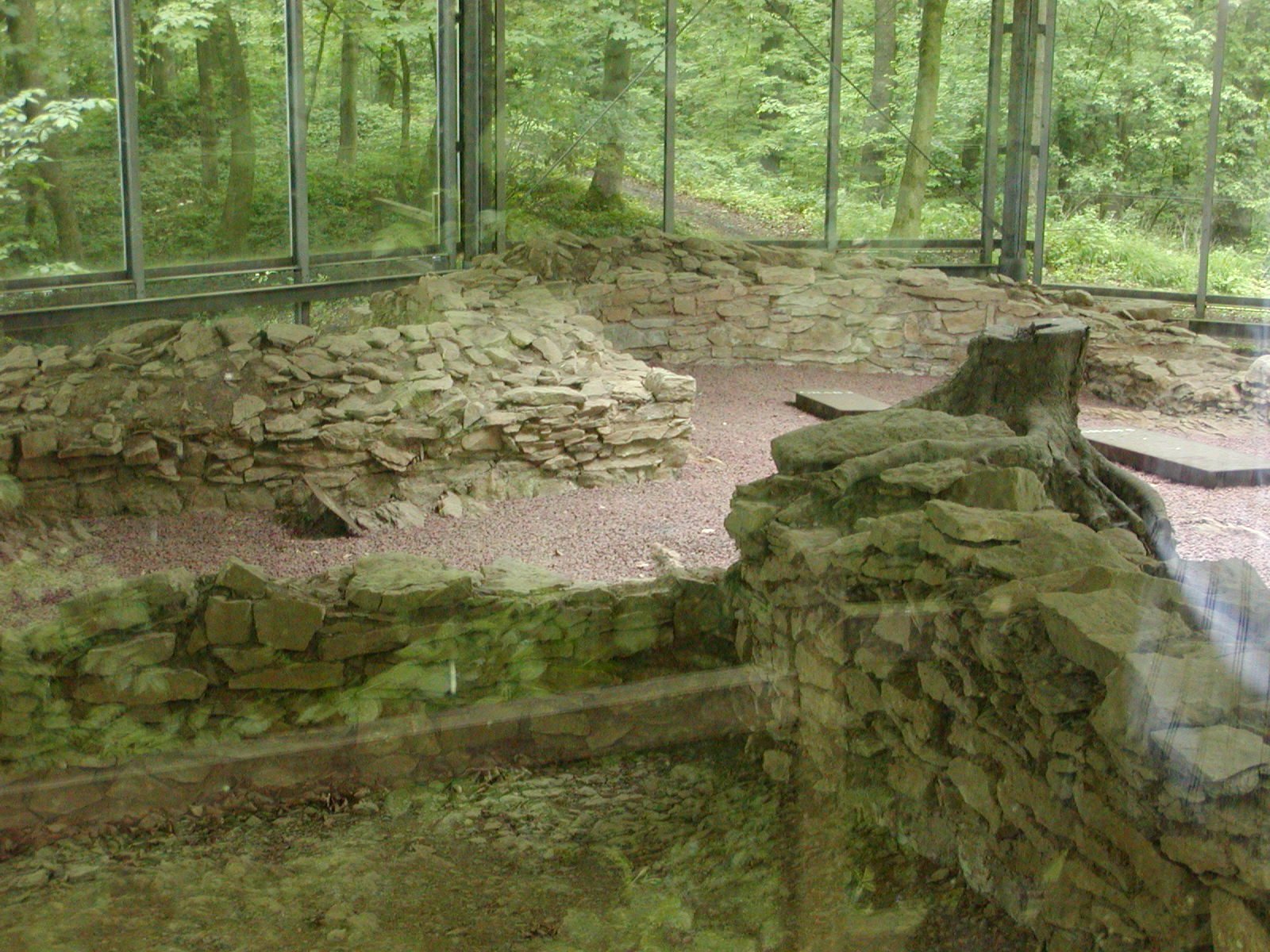
LWL Archaeology for Westphalia excavated the church in 1996 and 1997 in the area of Wittekindsburg. To protect its exposed foundations, the Society for the Promotion of Archaeology in East Westphalia built a glass shelter between 2000 and 2003.
Remains
Excavated remains
Church plan and foundations
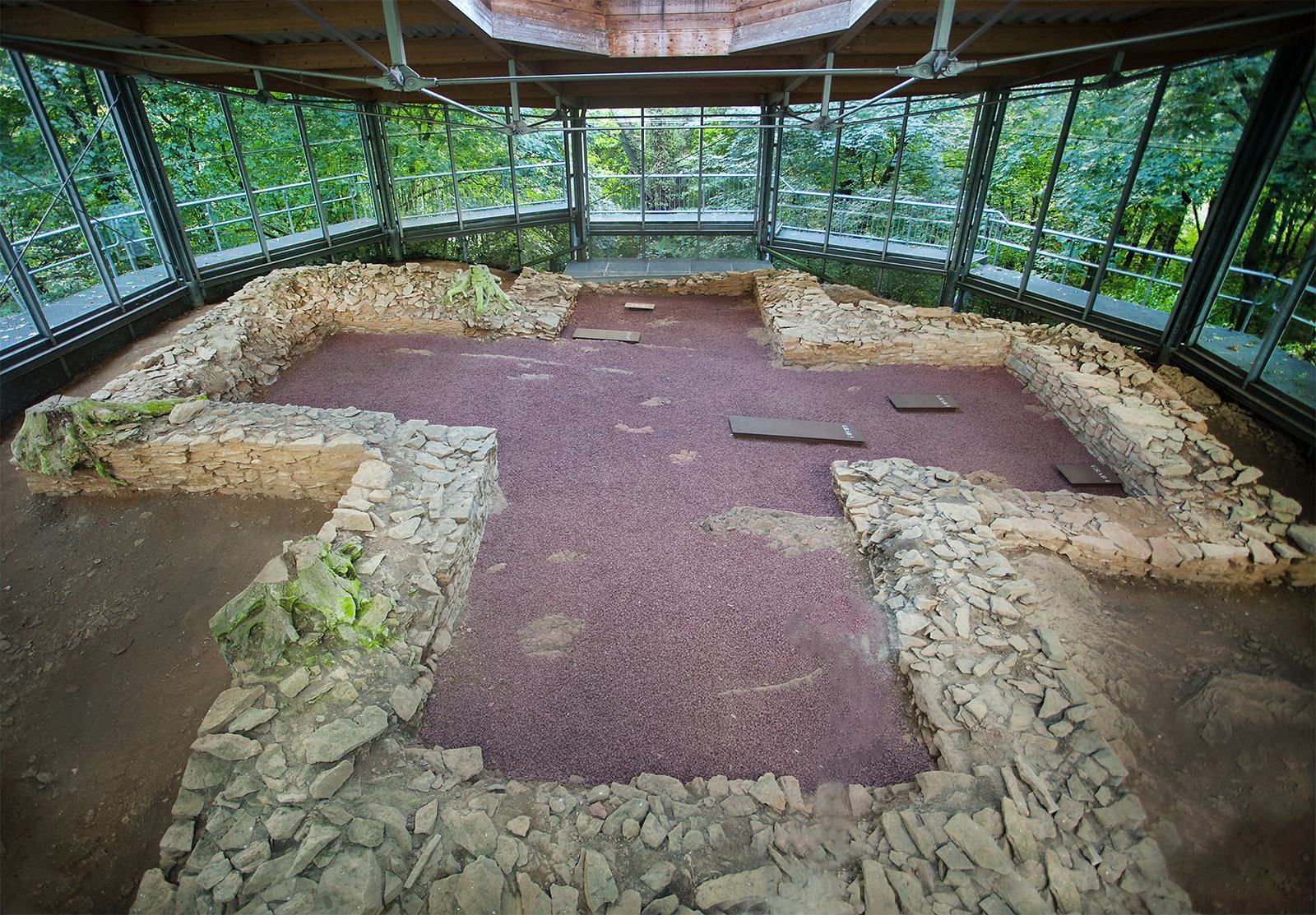
The surviving foundations and wall remains preserve a symmetrical Greek-cross plan, with four equal arms arranged around a central space. The building measured approximately 14 metres by 14 metres. Four square rooms, each 4 metres on a side, surrounded a central room of the same dimensions. Clay mortar binds the surviving fabric.
Burials
Excavation uncovered five graves inside the church, in its southern and western areas. They held one woman and four children.
Glass shelter
A glass shelter covers the exposed foundations and protects them from the elements.