Kizimkazi Mosque: An Early Islamic Mosque in Tanzania
Site at a Glance
- Rating
- 4.5
- Popularity
- Very Low
- Country
- Tanzania
- Primary era
- Early Modern
- Eras represented
- Medieval, Early Modern
- Civilizations
- Omani
- Site type
- Religious
- Remains
- Mosque
On this page10 sections
History
Foundation and Early Islamic History
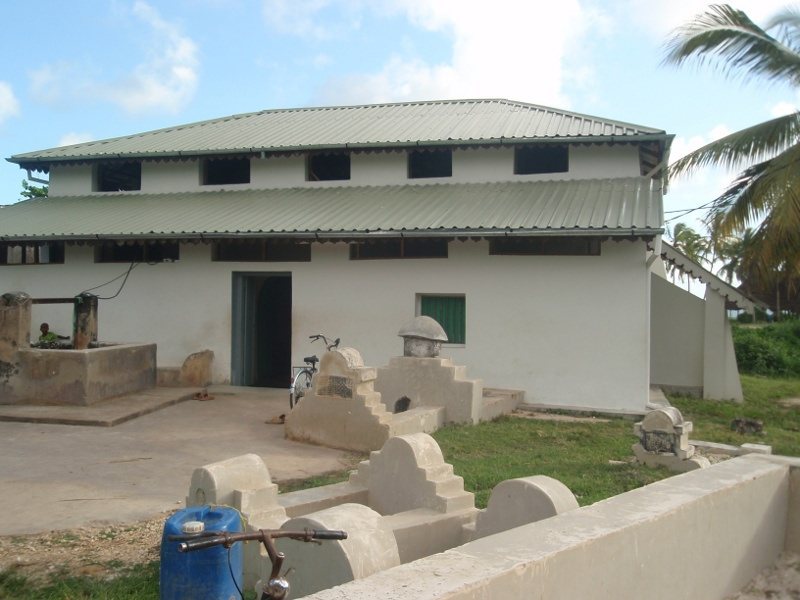
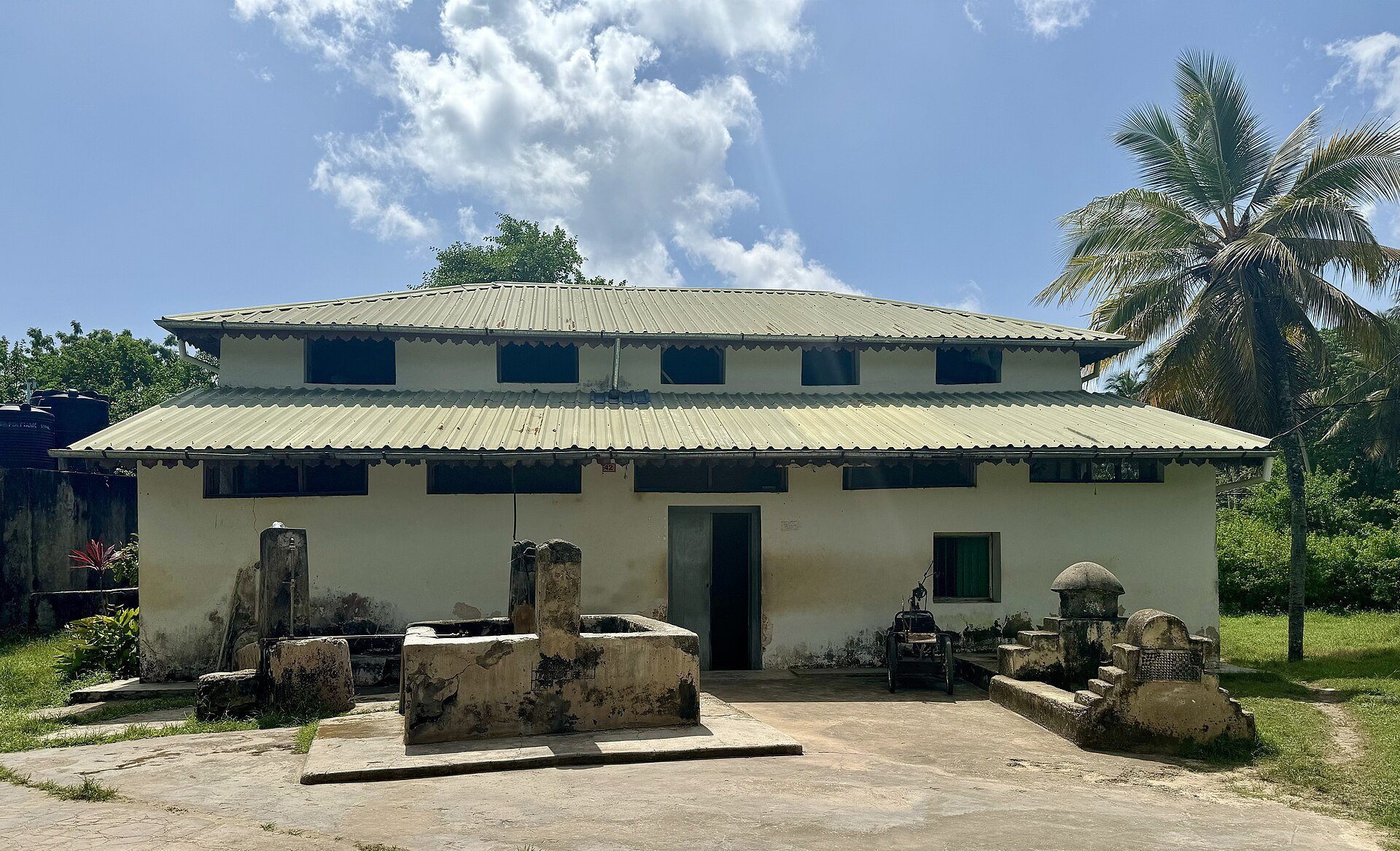
Kizimkazi Mosque, officially Kizimkazi Dimbani Mosque, is a Swahili Islamic mosque in Dimbani, Tanzania, on the southern tip of Zanzibar Island. Settlers from Shiraz, a historic city in present-day Iran, are credited with building it in 1107. The mosque is regarded as one of the oldest Islamic buildings on the East African coast and as the oldest mosque still in use in East Africa.
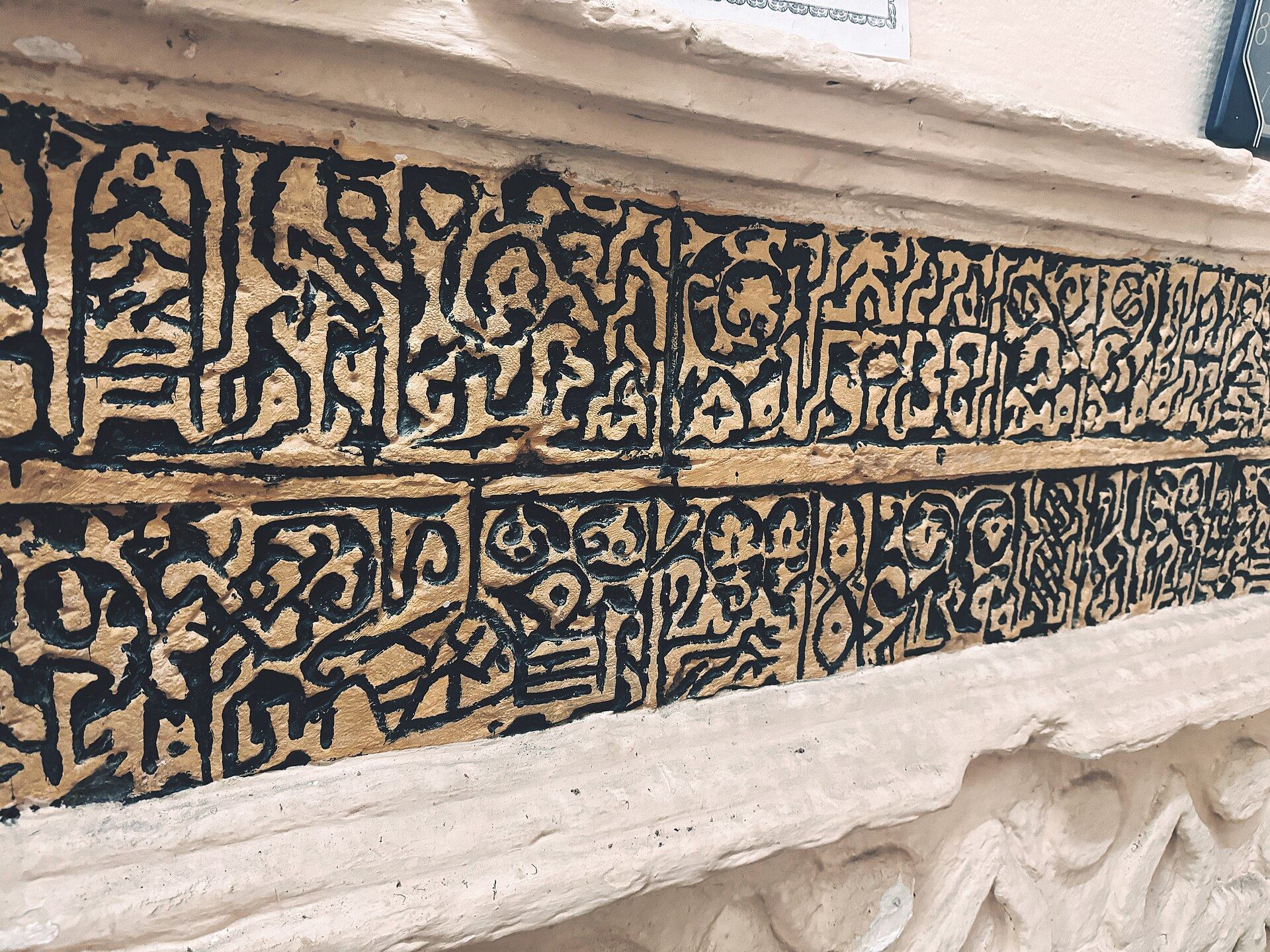
The original construction is associated with preserved Kufic inscriptions. Kufic is an early angular form of Arabic script often used for monumental religious writing. Inscriptions beside the prayer niche identify the commissioner of the original mosque. A local tradition says that he employed an exceptionally skilled architect named Kizi, from whom the mosque supposedly took its name.
Eighteenth-Century Rebuilding and Later Use
Most of the building visible today belongs to an eighteenth-century rebuilding. A handwritten inscription on the right side of the prayer niche dates a later restoration to 1772–1773, corresponding to 1184 in the Islamic lunar calendar. The same inscription includes a designation for the mosque.
The mosque remains in religious use and is affiliated with Islam. It is owned by the Tanzanian government and administered by the Antiquities Division of the Ministry of Natural Resources and Tourism. Kizimkazi Mosque is also listed as a National Historic Site of Tanzania.
Remains
Building and Early Features
Coral-Rag Structure
Kizimkazi Mosque is constructed principally from coral rag, a local material made from fossilized or naturally cemented coral limestone that was widely used in historic East African coastal architecture. The building belongs to the Swahili Islamic architectural tradition, which combines Islamic religious forms with local materials, building practices, and decoration. The columns, some coral-carved decorative features, and the preserved Kufic inscriptions are associated with the original twelfth-century construction, while most of the visible fabric reflects the eighteenth-century rebuilding.
Inscriptions
Kufic text beside the prayer niche identifies the commissioner of the original mosque. A later handwritten inscription beside it records the restoration of 1772–1773 and preserves the mosque’s designation. Together, these inscriptions connect surviving features of the building with both its early foundation and its later restoration.
Prayer Niche
Three-Lobed Mihrab
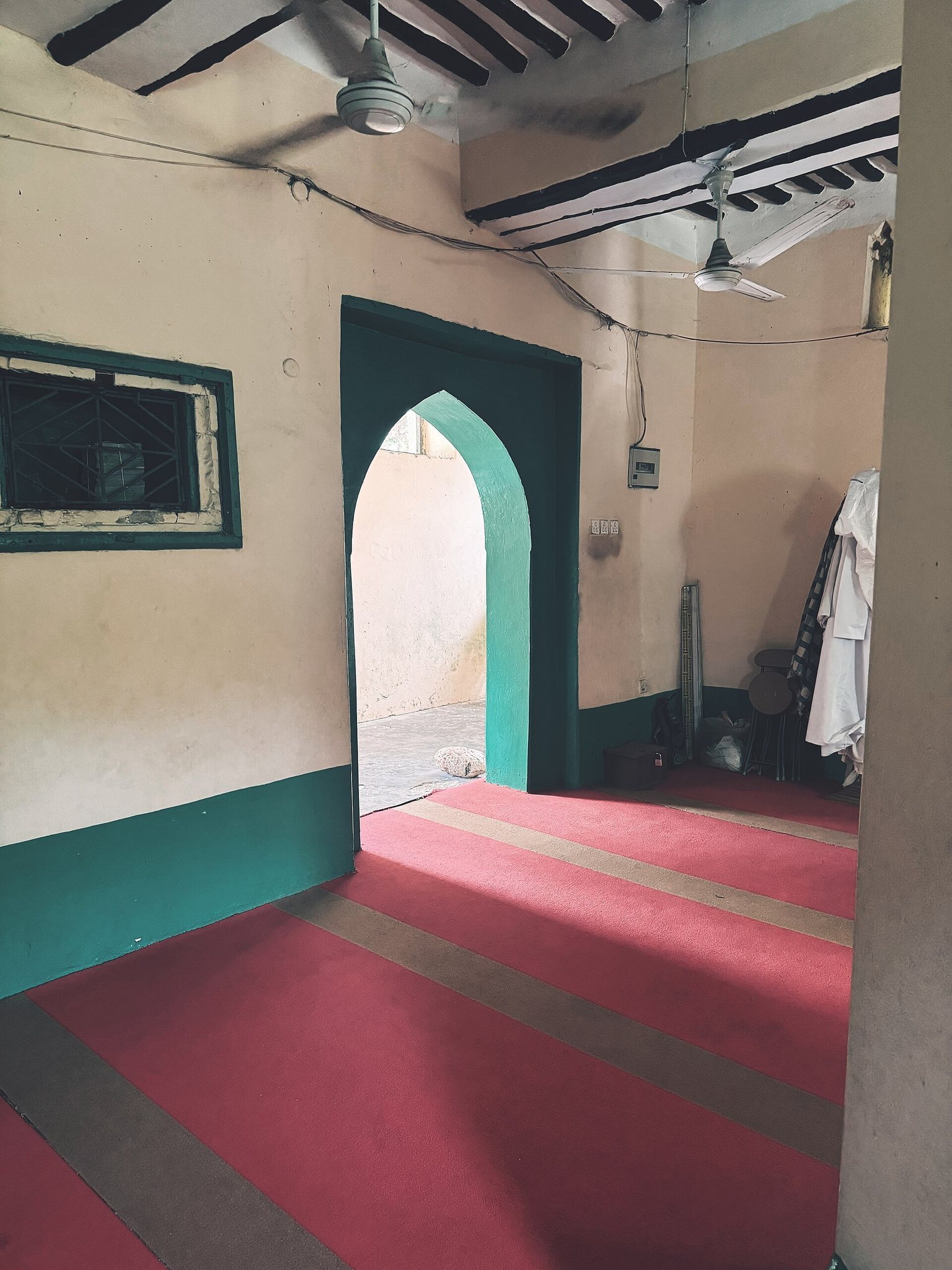
The mosque contains a three-lobed mihrab, the prayer niche that indicates the direction of Mecca. Its design influenced many nineteenth-century mosques in Stone Town, the historic urban quarter of Zanzibar City on Unguja Island. The mihrab also provides the setting for the early Kufic inscriptions and the later restoration inscription.
Setting and Name
The mosque stands in Dimbani, although its commonly used name refers to Kizimkazi, a settlement about 4.8 kilometres away. The two villages are officially known as Kizimkazi Dimbani and Kizimkazi Miteni. This location distinguishes the surviving mosque from the nearby settlement associated with its name.