Jerwan: A Neo-Assyrian Aqueduct in Iraq
Site at a Glance
- Popularity
- High
- Country
- Iraq
- Primary era
- Iron Age
- Eras represented
- Iron Age
- Civilizations
- Assyrian
- Site type
- Infrastructure
- Remains
- Aqueduct
On this page5 sections
History
Sennacherib’s water system
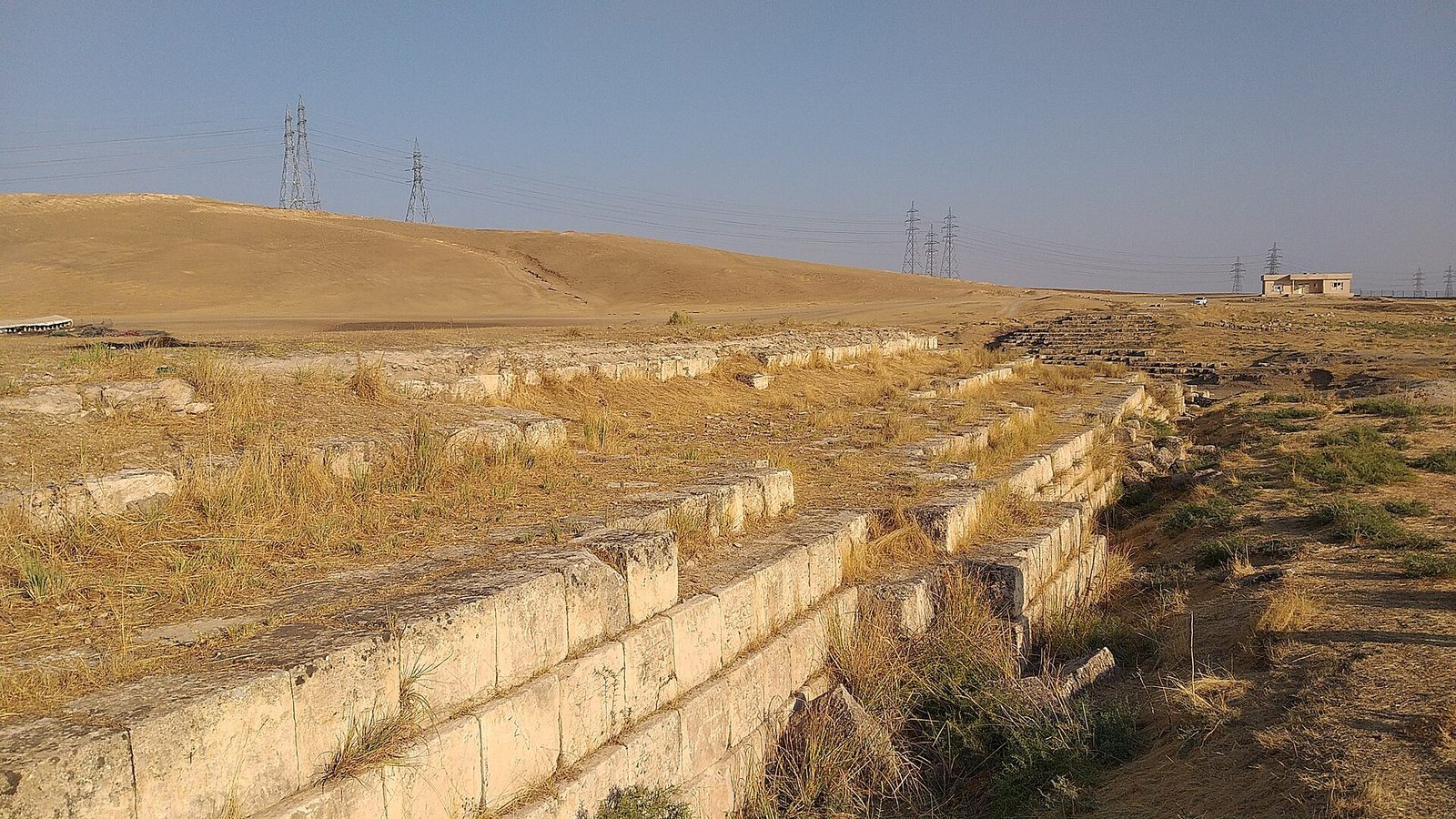
Jerwan is an archaeological site in northern Iraq, known for a Neo-Assyrian aqueduct built under King Sennacherib between 703 and 690 BCE. The Neo-Assyrian Empire, centered in northern Mesopotamia, was a major power in the ancient Near East. Sennacherib made Nineveh his capital and expanded the city. Jerwan’s aqueduct formed part of the Atrush Canal System, a network that supplied Nineveh, its royal gardens, and surrounding farmland.
Developed in several phases, the canal network extended for more than 100 km. It brought water from mountainous areas north and northeast of Nineveh, including water diverted from Khenis Gorge, about 50 km to the north. Jerwan carried the channel across the Khenis River. The waterworks also presented Sennacherib as a ruler who brought water, fertility, and order, with divine favor.
Jerwan is counted among the world’s earliest known aqueducts. It is sometimes described as the oldest aqueduct to survive substantially and may be about 500 years older than Roman aqueducts. The aqueduct demonstrates how Sennacherib’s system could supply Nineveh and its gardens, but it does not establish where the Hanging Gardens stood. Traditionally associated with Babylon and its king Nebuchadnezzar II, the gardens have also been identified with Sennacherib’s gardens at Nineveh by modern Assyriologist Stephanie Dalley. That interpretation remains disputed.
Archaeological study and modern pressures
An archaeological investigation by the Oriental Institute of the University of Chicago’s Iraq expedition took place in 1933. Thorkild Jacobsen, an Assyriologist, and archaeologist Seton Lloyd published its findings in 1935. The work established Jerwan as part of a Neo-Assyrian waterworks project and helped clarify Assyrian engineering.
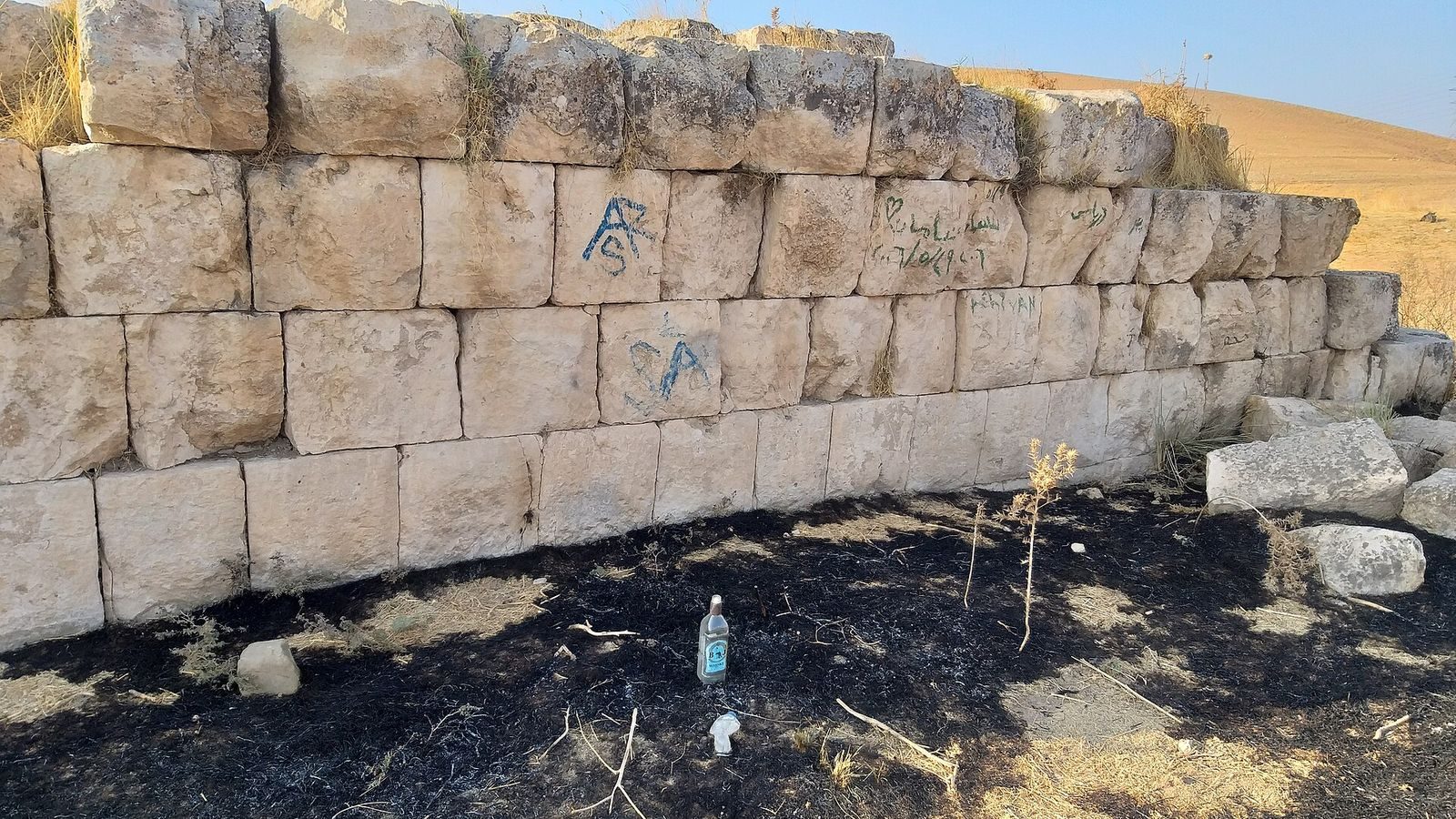
A wider archaeological park focused on Sennacherib’s irrigation system has been proposed. Jerwan and related remains face risks from weathering, development, uncontrolled access, and other human activity. In 2025, a Lexus advertisement showed a car being driven on top of the aqueduct, prompting criticism, particularly within the Assyrian community. Duhok antiquities officials alleged that the filming caused damage. Toyota said the advertisement aimed to highlight Iraqi heritage, denied intentional damage, and stated that the site had previously been unguarded.
Remains
The aqueduct
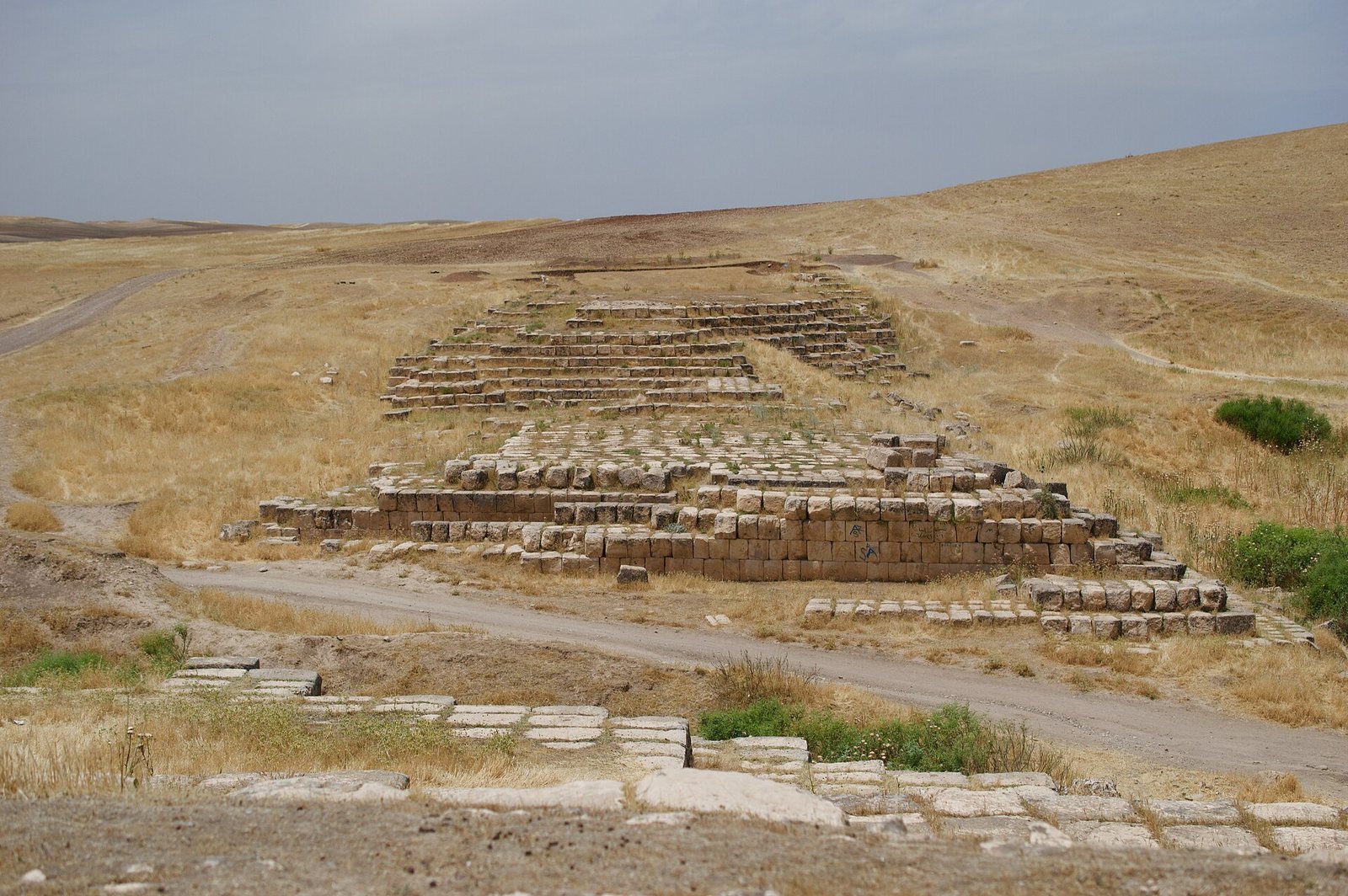
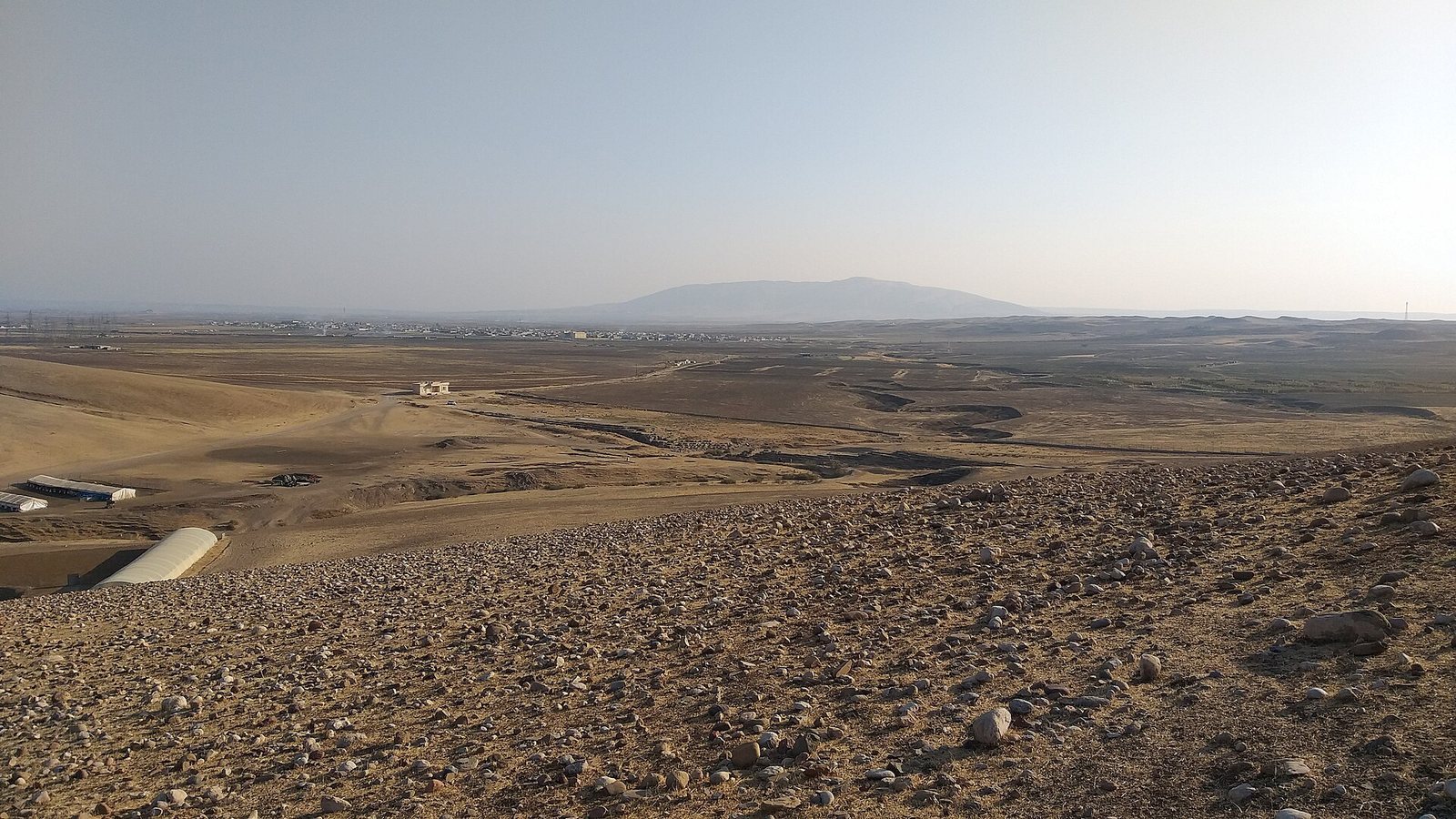
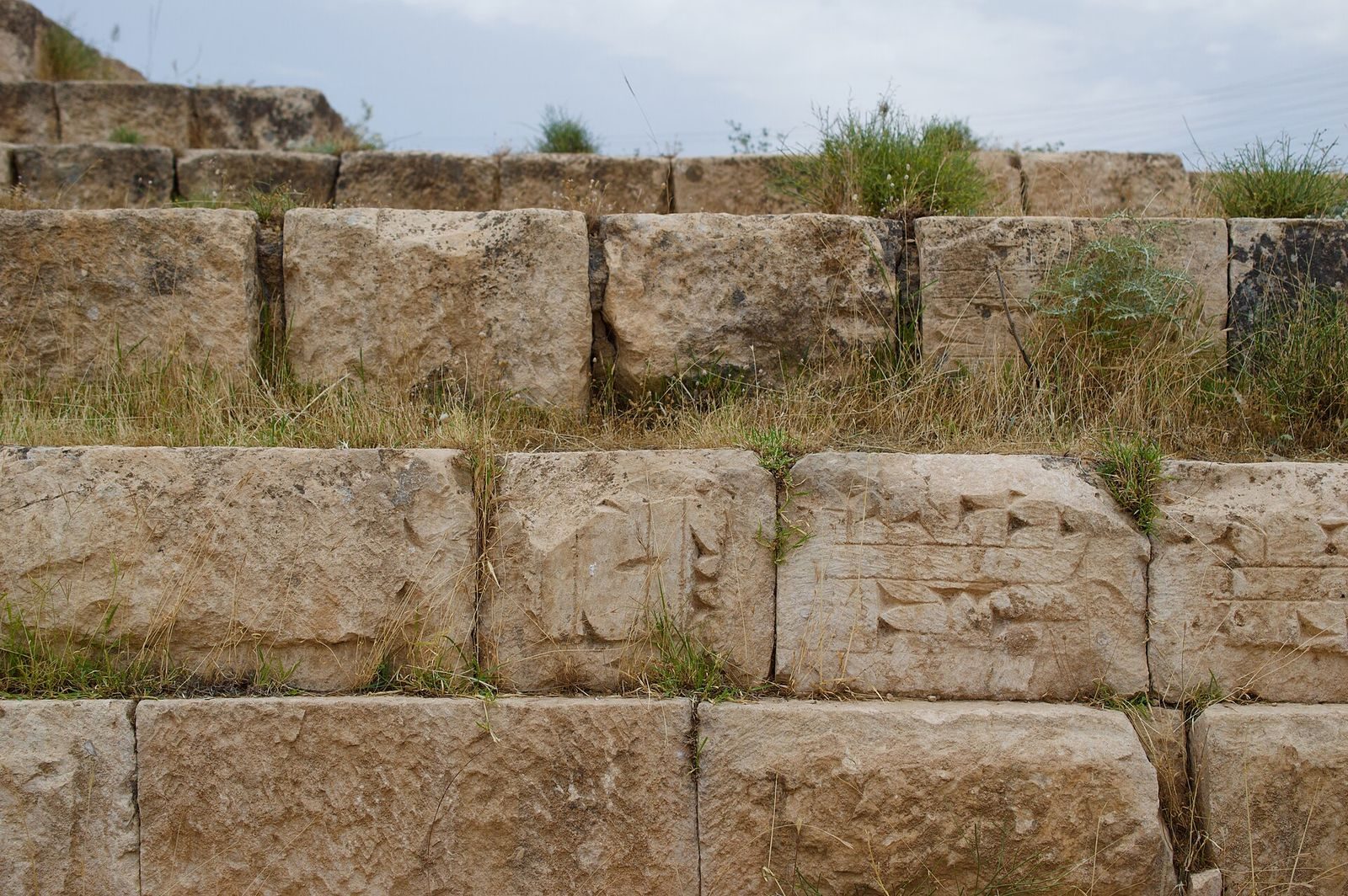
The surviving aqueduct is a monumental stone structure approximately 280 m long, supported across the Khenis River by four piers. Dressed limestone blocks and waterproof cement were used in its construction. Stone arches and roofing formed from successive projecting courses carried the water channel, while projecting cutwaters were designed to divide or deflect the force of flowing water. The channel’s alignment maintained a gentle, consistent gradient. Cuneiform inscriptions, written in wedge-shaped marks, were carved into the stones. One inscription credits Sennacherib with bringing water from far away toward Nineveh, joining waters, and carrying them across steep valleys on an aqueduct of white limestone. Some inscribed blocks may have shifted from their original positions through collapse, repair, or reuse. The remains are still visible and relatively well preserved; the surrounding area is largely unvegetated and sparsely settled.