Jaffna Fort: A Portuguese-Built Military Fortress in Sri Lanka
Site at a Glance
- Popularity
- High
- Country
- Sri Lanka
- Primary era
- Early Modern
- Eras represented
- Early Modern
- Civilizations
- Dutch, Portuguese
- Site type
- Military
- Remains
- Fort
On this page10 sections
History
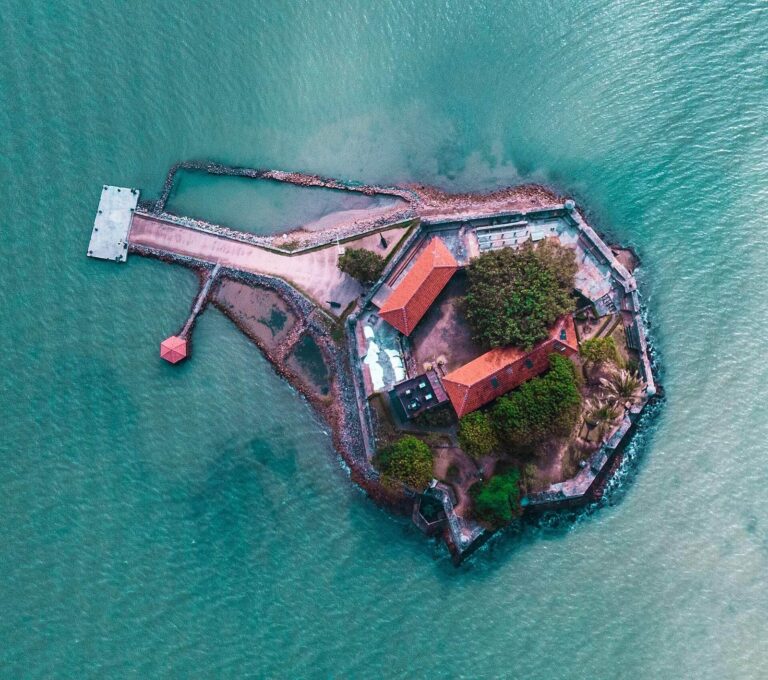
Jaffna Fort is a Portuguese-built military fortress on the southern side of the Jaffna Peninsula in Sri Lanka, established in the early seventeenth century after the Portuguese invasion of Jaffna. Its construction is associated with Portuguese commander Phillippe de Oliveira, merchants, and missionaries. Miracles attributed to a statue of the Virgin Mary, revered in Christianity as the mother of Jesus, at a nearby church gave the fort the name “Fortress of Our Lady of Miracles of Jafanapatão.” Unlike the fortified towns of Galle and Colombo, it served almost entirely military and administrative purposes, with government and military buildings inside its walls. It was the country’s only large military fort.
Portuguese foundation and Dutch capture
On 22 June 1658, Dutch East India Company troops took the fort from the Portuguese after a siege lasting several months. The company was a chartered organization for Dutch overseas trade and colonial activity. Its commander, Rijcklof van Goens, chose to starve the nearly 6,000 occupants into surrender rather than storm the fort. The siege left 2,170 people dead and about 3,500 survivors.
Dutch and British rule
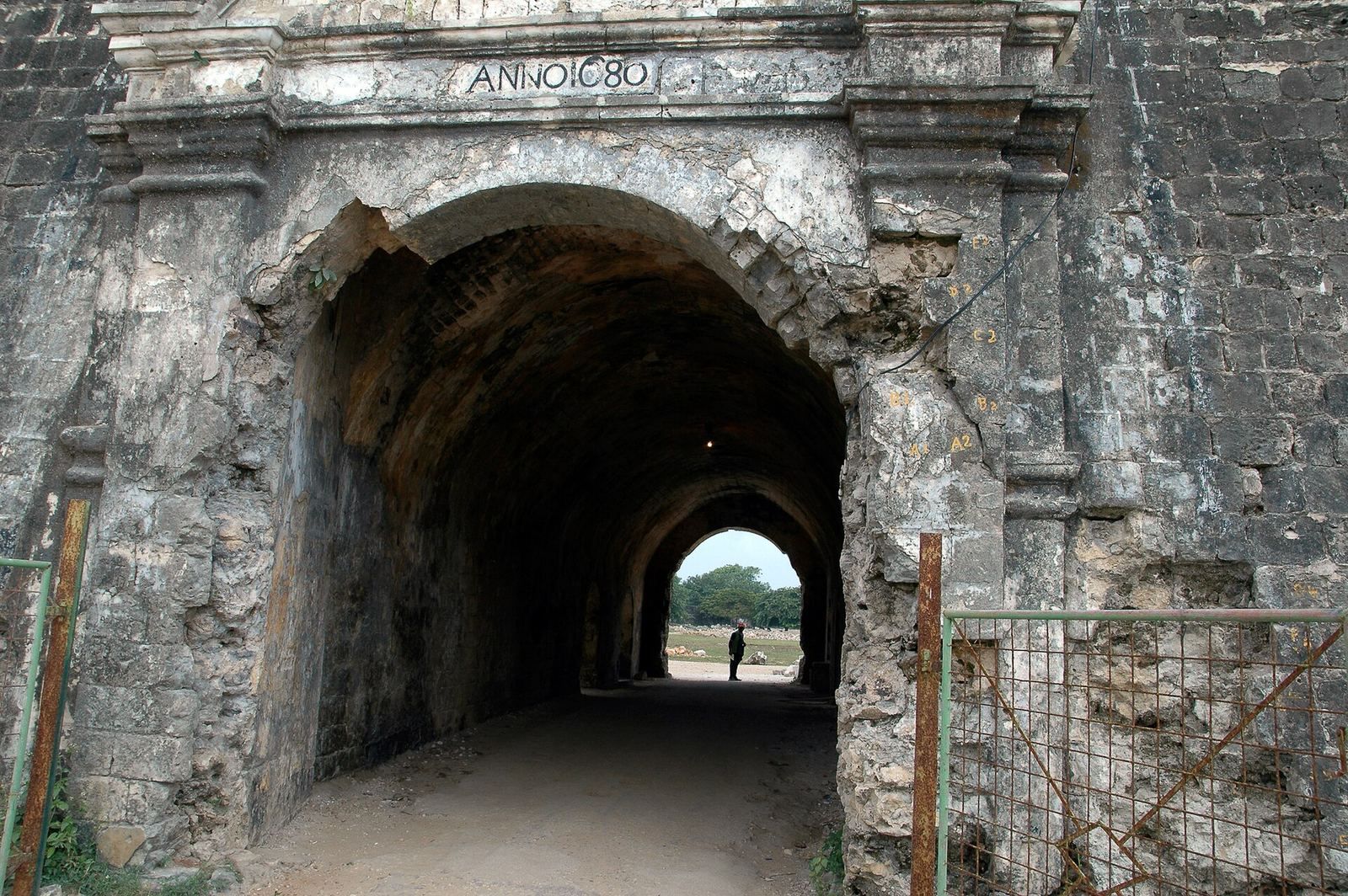
The Dutch rebuilt and enlarged the fort in the second half of the seventeenth century, with a renovation in 1680. They intended the work to protect trade and held the fort until the end of the eighteenth century. The preacher and missionary Philippus Baldaeus lived there. Britain took control in 1795, and a British garrison remained until 1948.
Civil war and restoration
After Sri Lanka’s civil war began in the mid-1980s, the fort faced repeated sieges and heavy fighting. The Liberation Tigers of Tamil Eelam (LTTE), a Tamil separatist armed organization, held it from the mid-1980s until 1995. The LTTE used the fort to stage attacks and destroyed key features to prevent its recapture by the Sri Lankan Army. The army retook it in 1995 after a 50-day siege during Operation Riviresa, a military campaign in the conflict. Local people later vandalized parts of the fort while rebuilding homes damaged in the war. The Sri Lankan government retains control, and an army detachment is stationed there. In 2010, the Dutch government pledged substantial support for restoration, which has proceeded with Dutch funding.
Remains
Plan and defenses
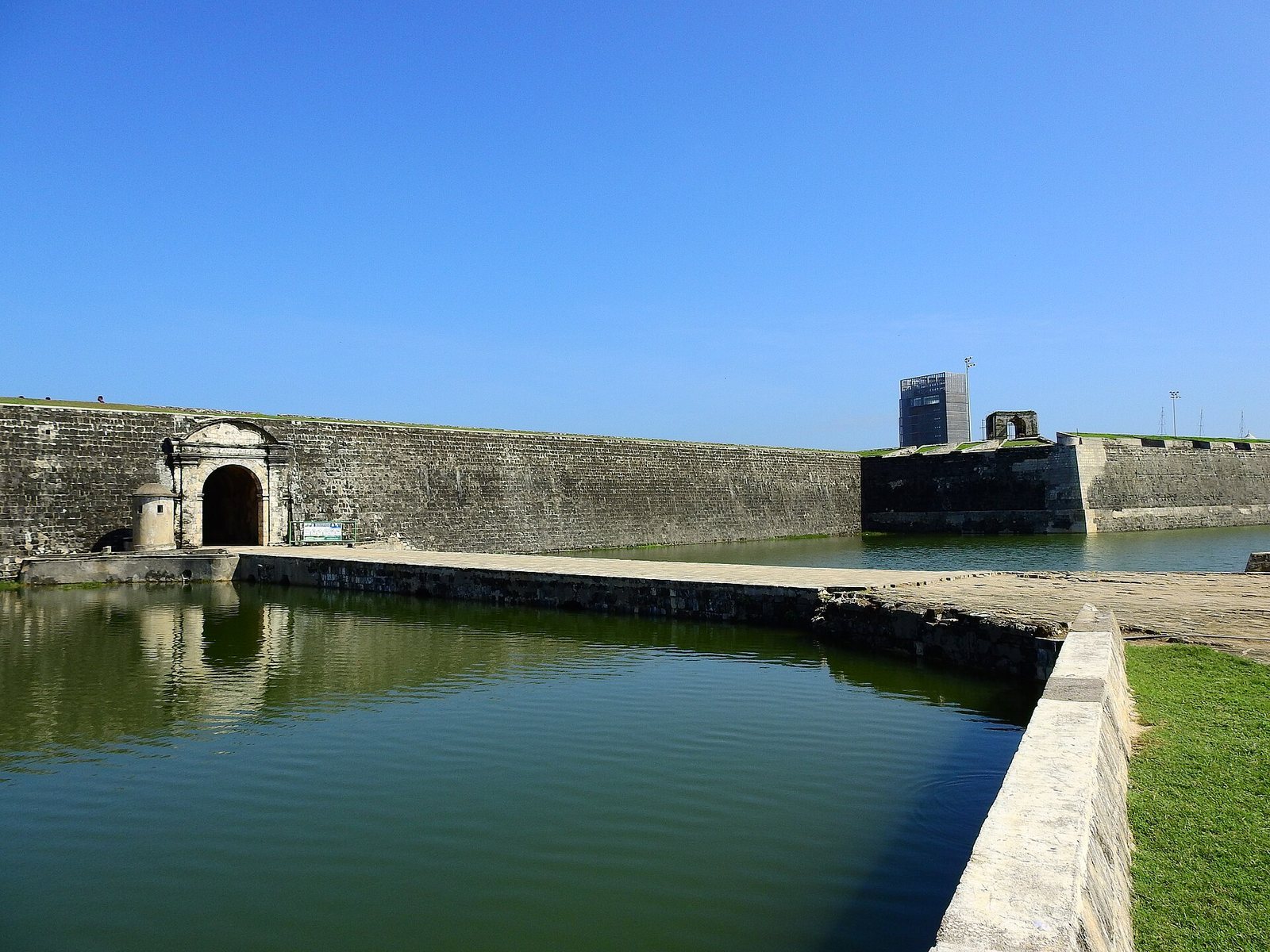
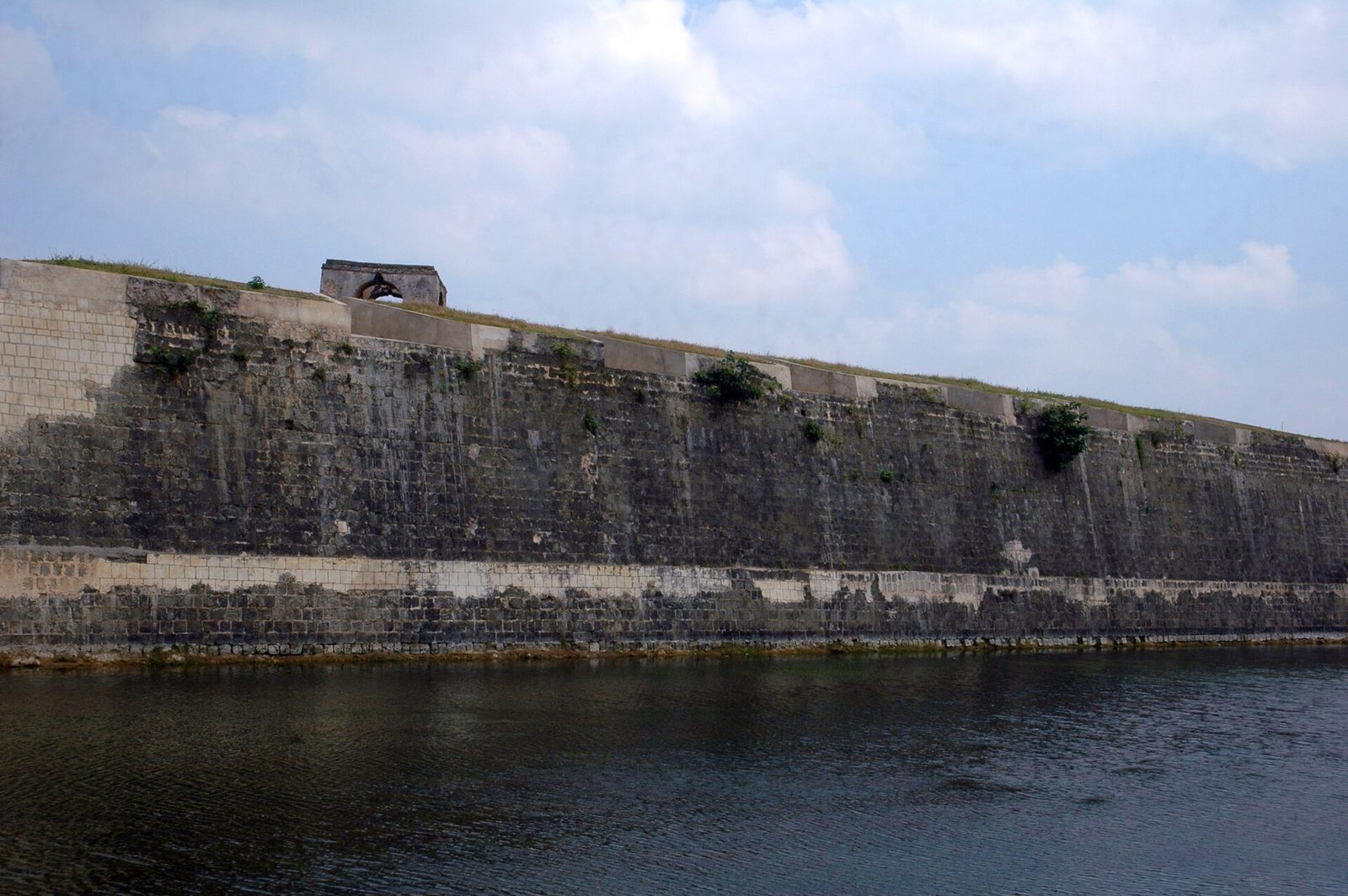
The fort has a regular five-sided plan and is built of stone, including granite. A bastion (a projecting defensive platform) rises at each corner. The five bastions are named Holland, Zeeland, Friesland, Utrecht, and Gelderland. The main gate is between the Holland and Zeeland bastions. A broad, deep moat encircles the fort, with another moat outside the main gate.
Buildings within the fort
Kruys Church
Built in 1706, Kruys Church belonged to the Dutch Reformed Church, a Protestant denomination. The church is now a ruin.
Queen’s House
Queen’s House is an example of colonial architecture. Its most recent renovation added a broad veranda supported by paired columns.
Other buildings and structures
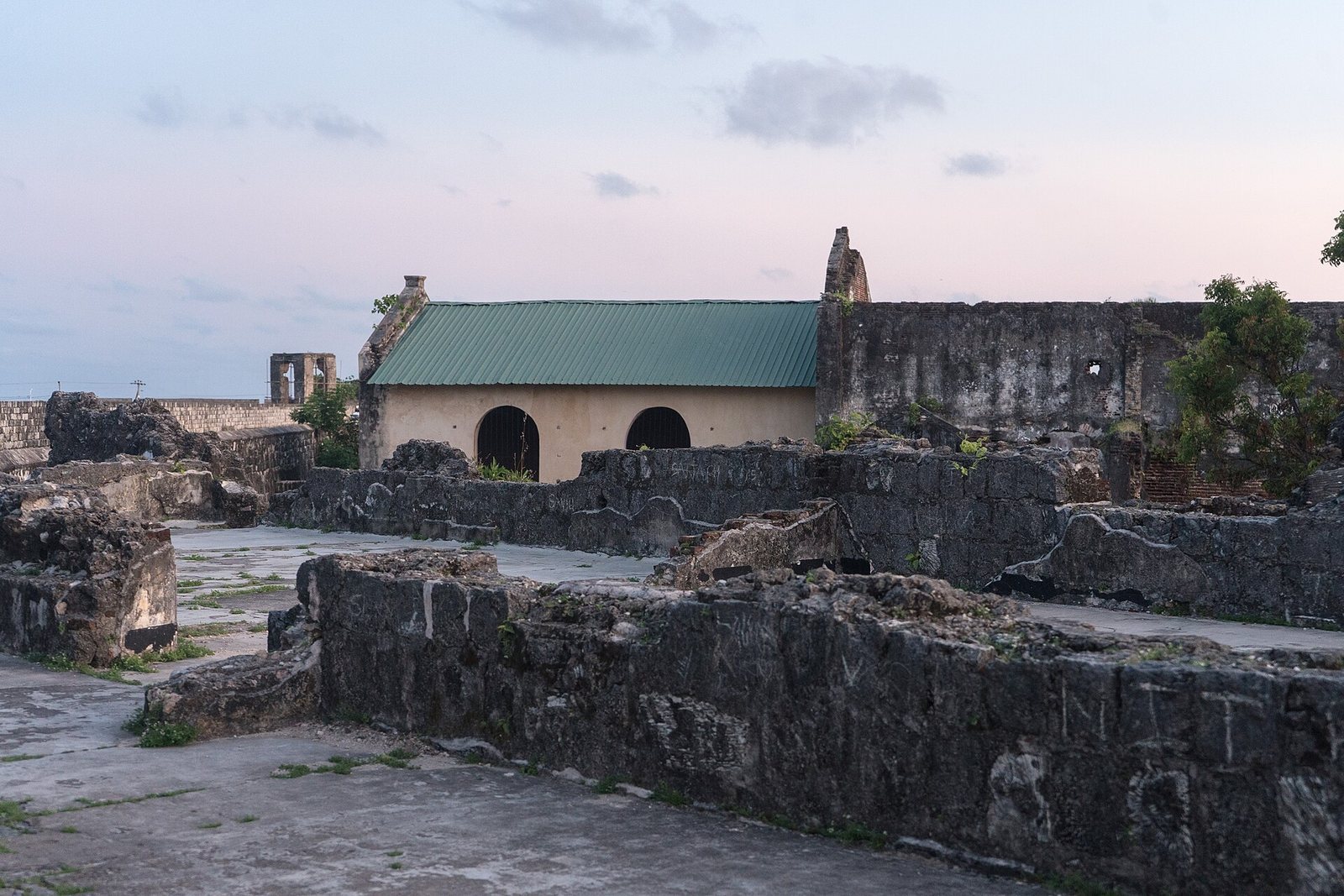
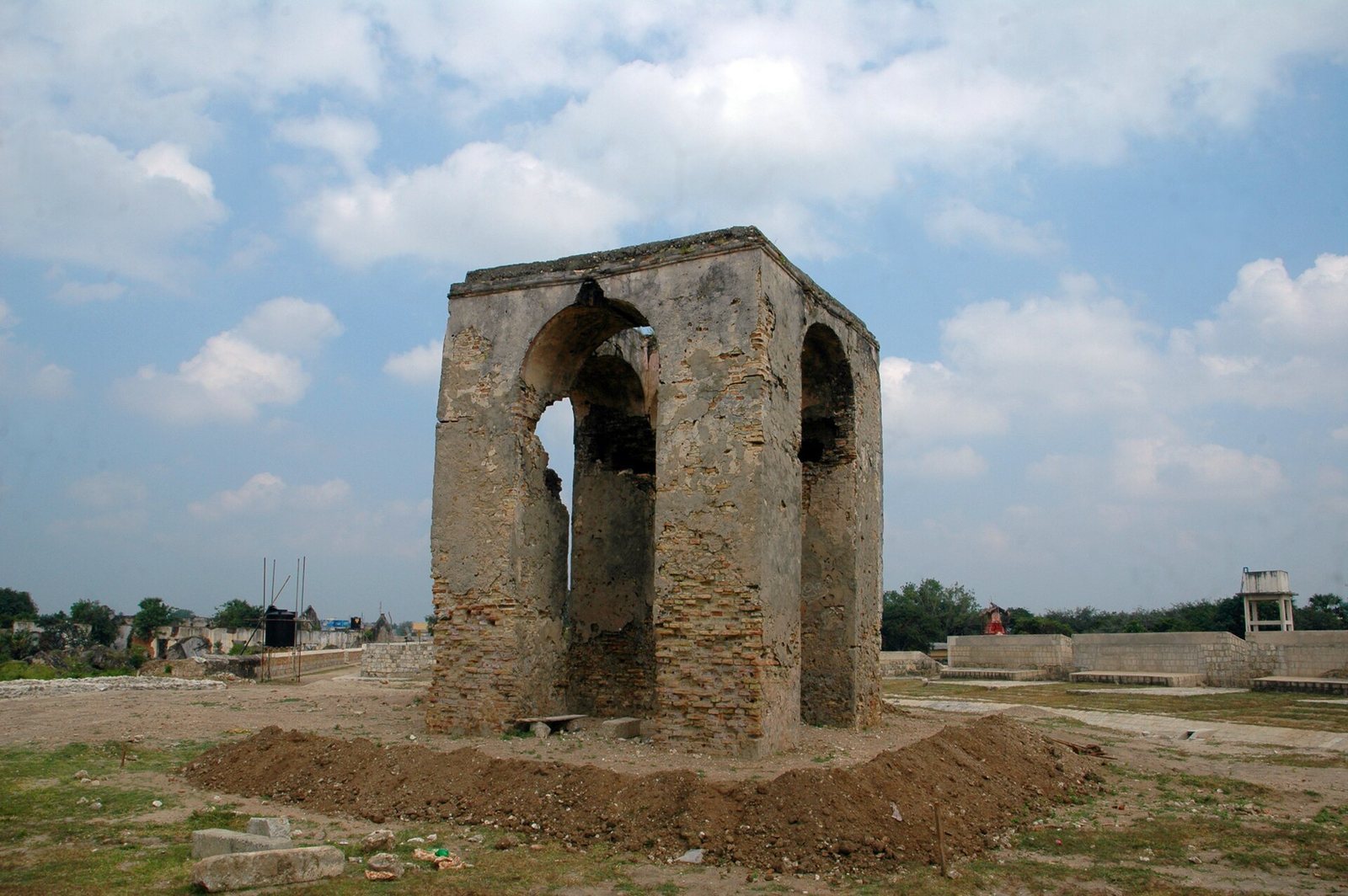
The buildings within the fort include King’s House, identified as a governor’s residence, the Garrison Parade Ground, police quarters, and several structures dating to the Portuguese period.