Hovedøya Abbey: A Medieval Cistercian Monastery in Norway
Site at a Glance
- Rating
- 4.5
- Popularity
- Medium
- Country
- Norway
- Primary era
- Medieval
- Eras represented
- Medieval
- Civilizations
- Norwegian
- Site type
- Religious
- Remains
- Monastery
On this page8 sections
History
Hovedøya Abbey was a Cistercian monastery, belonging to a Catholic monastic order, on Hovedøya in the Oslofjord, Norway. Abbot Philippus, the head of the monastery, and twelve monks from Kirkstead Abbey founded it on 18 May 1147 at the request of Viljam, Bishop of Oslo. The abbey church was Romanesque, a style associated with rounded arches, while the other buildings were probably mainly Gothic, a style associated with pointed arches and more elaborate structural forms.
Foundation and growth
The monks took over an existing church dedicated to Edmund the Martyr, an Anglo-Saxon Christian saint, and adapted it for Cistercian use. The abbey was dedicated to Edmund and the Virgin Mary, a central figure of Christian devotion, and was also known as the Abbey of St Edmund and St Mary. The earlier church may have served merchants travelling to and from Oslo, or it may have been intended as the beginning of a Benedictine monastery.
During the Middle Ages, the abbey became one of Norway’s wealthiest institutions. At its height, it owned 443 properties, including the estates of Bygdøy, Bogstad, Frogner, and Ullern, as well as a fishery and a timber yard. Its wealth made the monastery a political force, and the Cistercian order’s independence from the local bishop’s authority strengthened the abbot’s position.
Medieval use and political crisis
For a period in the latter half of the fifteenth century, Bridgettine religious, members of an order associated with Saint Bridget of Sweden, lived at Hovedøya. They had left Munkeliv Abbey in Bergen after it burned in 1455.
The abbey’s final crisis arose from conflict over the Danish-Norwegian succession. Abbot Hans Andersen supported Christian II, a former Danish king who sought to regain power in Norway and twice failed to retake Akershus Fortress. This brought Hans into conflict with Mogens Gyldenstjerne, the fortress commander and a supporter of Christian II’s rival, Frederik I. Gyldenstjerne imprisoned Hans on 21 January 1532. After an appeal to the archbishop, Hans was released in July. In early April, a Danish rescue expedition plundered and burned the abbey.
The surviving monks probably fled and later joined Hans, who became a priest at St Hallvard’s Church. Their subsequent fate is uncertain. One tradition says a man named Ulf, perhaps a fisherman from Ursvik, led monks to Skoklefaldstrand on Nesodden after the Reformation, the sixteenth-century religious movement that broke with Roman Catholic authority in many parts of Europe. A claim that monks had returned to Hovedøya in 1539 may confuse them with Claus von Marwiß at Videy Abbey in Iceland. Hans and some of the monks may have returned, possibly relying on food from the former abbey farm at Bygdøy.
The abbey’s tenant farmers became tenants of the lord of Akershus Castle, ending about 400 years of monastic life on Hovedøya. The Reformation reached Denmark-Norway four years later, ending hopes of restoring the monastery. From the 1540s, the abandoned buildings served as a stone quarry, first for Akershus Fortress and later for Oslo’s Royal Palace.
Excavation, restoration, and protection
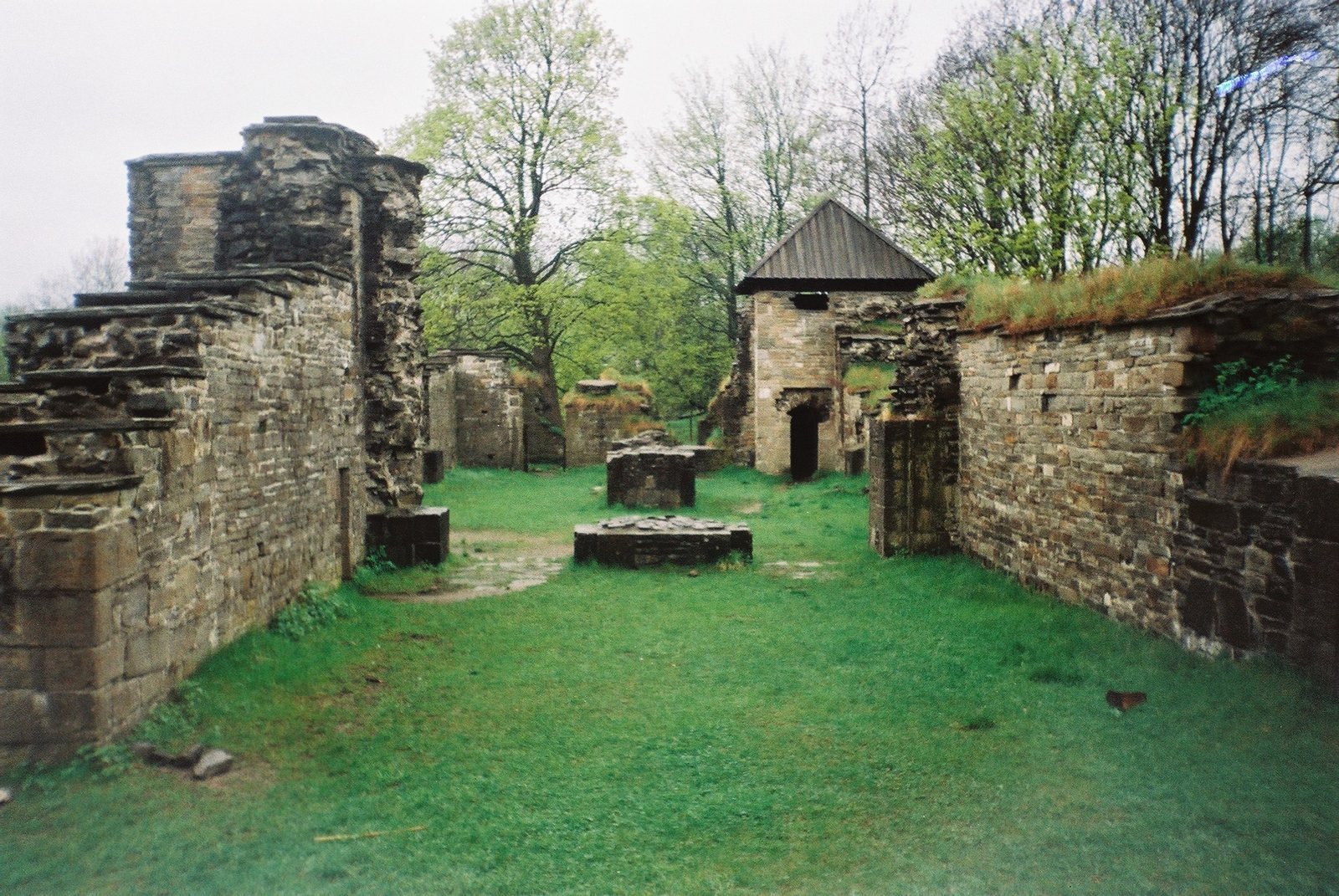
Restoration began in the 1840s under J. H. Nebelong. Further investigations and restoration followed in 1877 and 1890, in the 1930s, and in 1975. Gerhard Fischer excavated the site from 1930 to 1938, and some nineteenth-century restoration was not historically accurate. Because the ruins are medieval and predate 1536, they are automatically protected under Norway’s Cultural Heritage Act.
Remains
Layout and surviving fabric
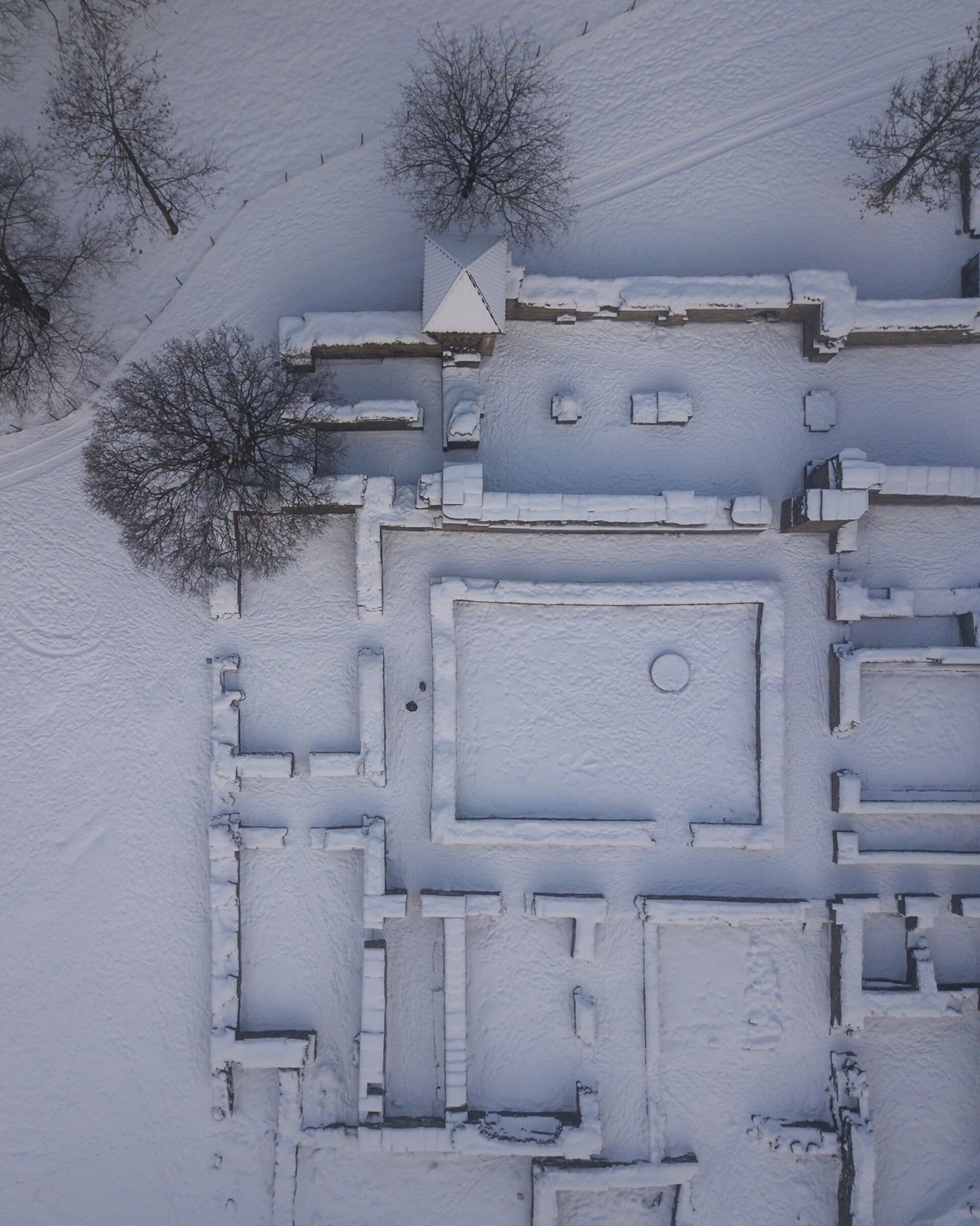
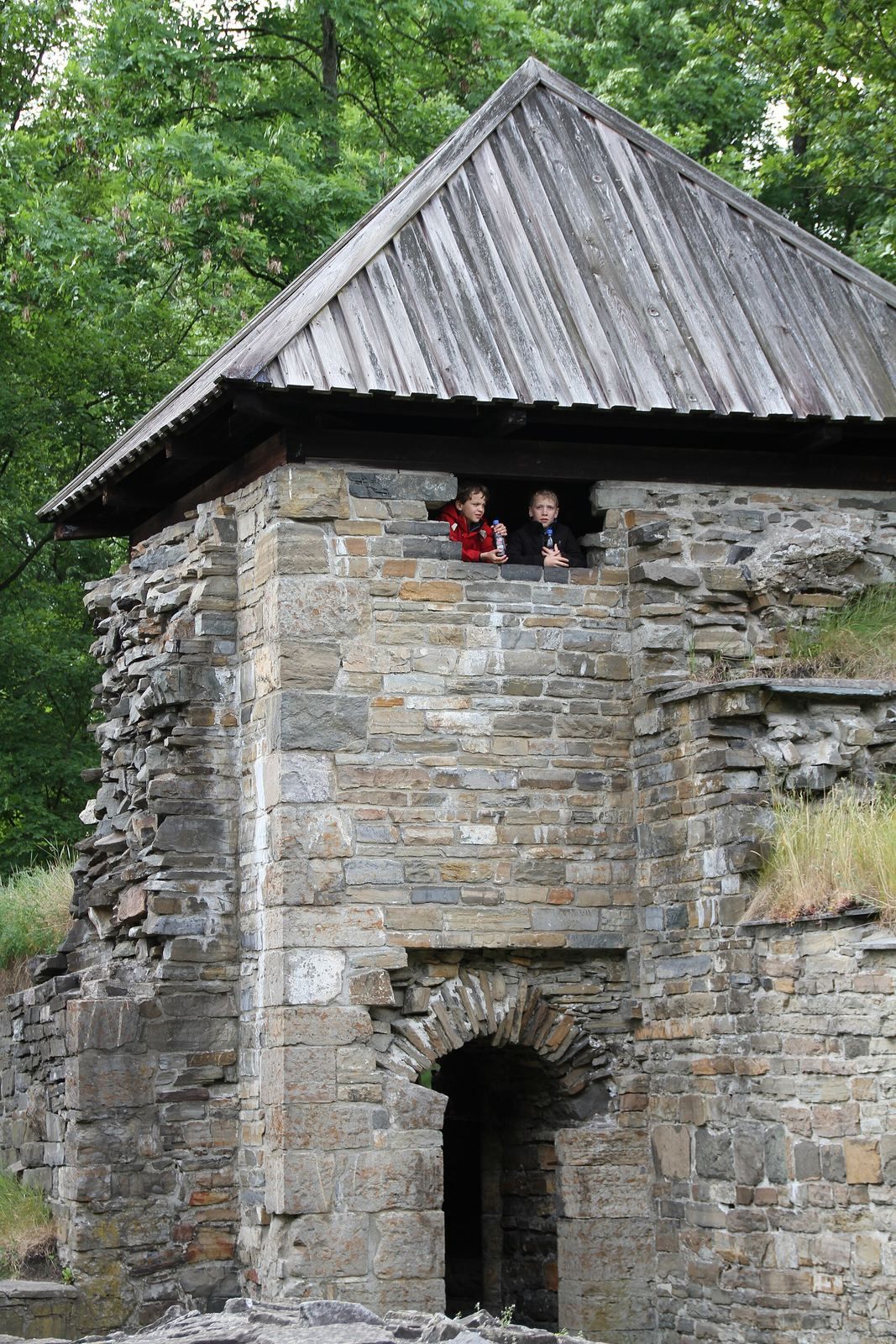
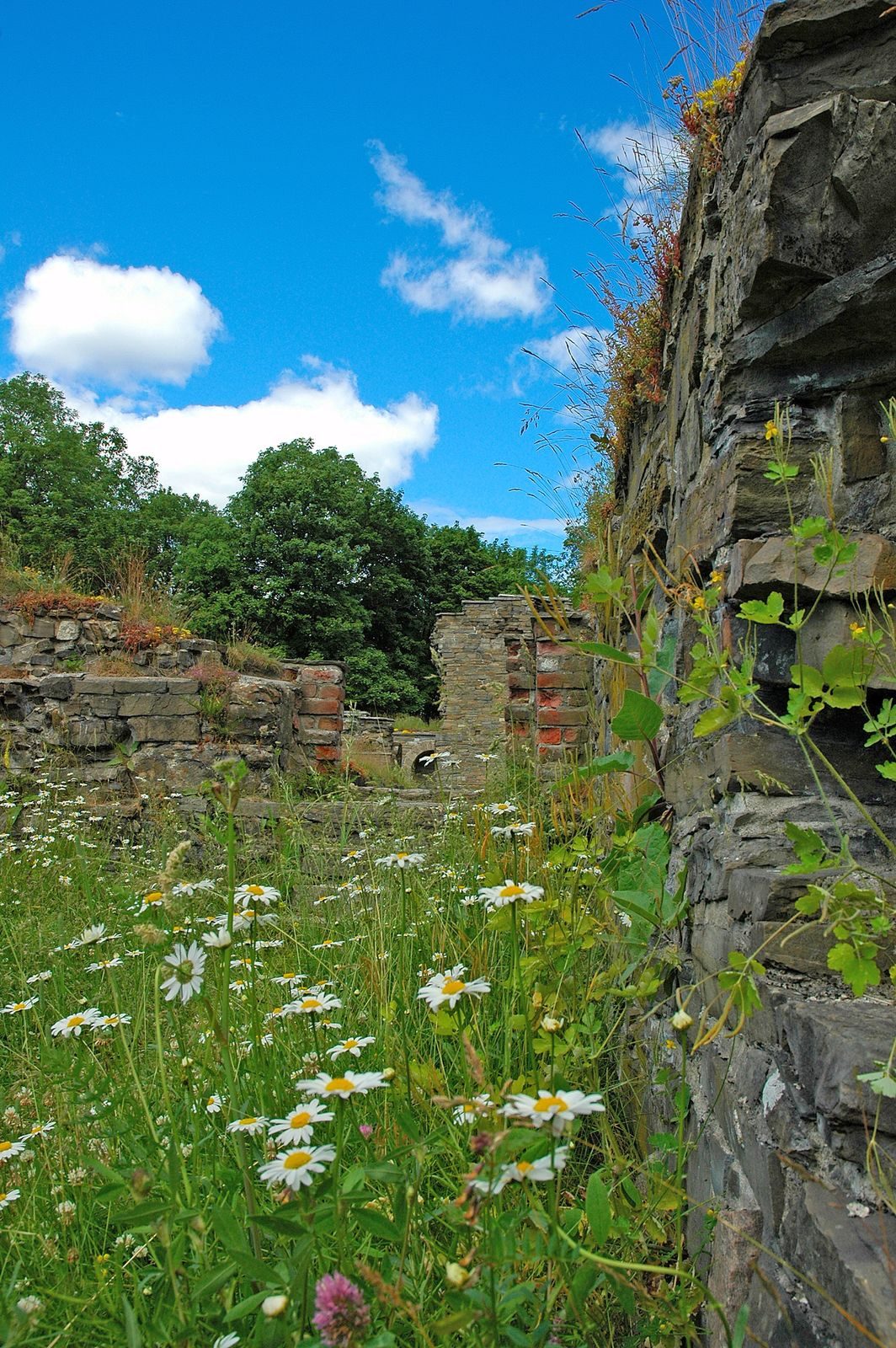
The ruins lie on Hovedøya in the Oslofjord, near the entrance to Oslo and below Ekeberg hill. The monastery’s plan was adapted to the gentle slope of the site and followed a modified Cistercian layout. Its remains form one of Norway’s most complete surviving medieval monastery complexes.
Abbey church
The abbey church was built in the Romanesque style. The church that preceded the monastery may have had two main interior halls, a plan also known at St Clement’s Church in Oslo’s Old Town.
Other monastic buildings
The monastery’s other buildings were probably predominantly Gothic. Traces of additional medieval buildings survive alongside the abbey remains, although most of these buildings are now buried.