Holy Ascension Monastery Kremensky: A Russian Orthodox Monastery
Site at a Glance
- Popularity
- Low
- Country
- Russia
- Primary era
- Early Modern
- Eras represented
- Early Modern, Modern
- Civilizations
- Russian
- Site type
- Religious
- Remains
- Monastery
On this page13 sections
History
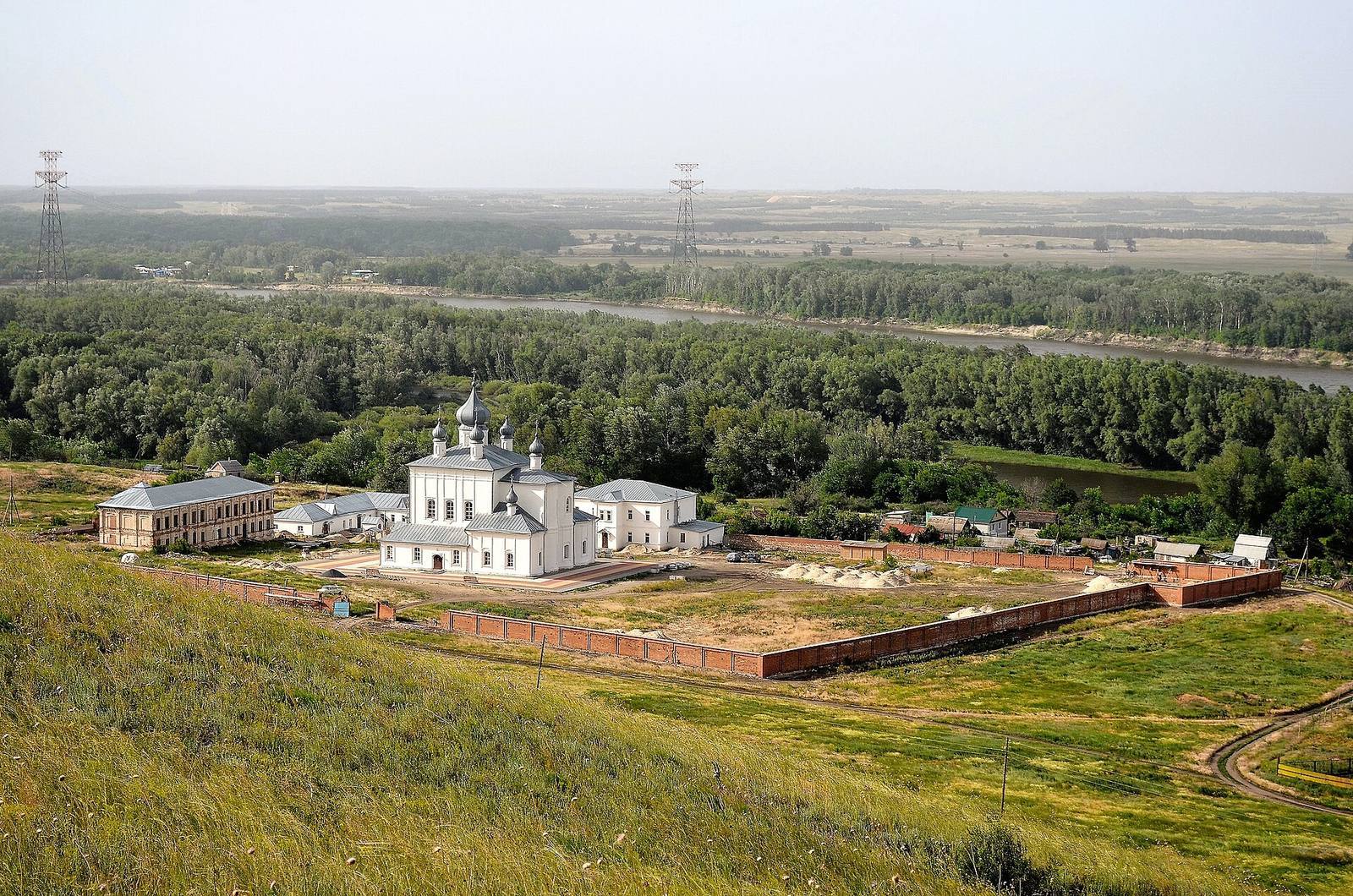
Holy Ascension Monastery Kremensky is a men’s monastery of the Russian Orthodox Church on the right bank of the Don River at Saushkin farm, Kletsky District, Volgograd Oblast, Russia. The hieromonk Nikanor, a monk ordained as a priest, founded it in 1693. It became one of the monasteries associated with the Great Don Host, the Cossack military and administrative community of the Don region.
Foundation and eighteenth-century restoration
Several buildings stood at the monastery by 1711, and the Church of the Ascension of the Lord was built in 1716. Alongside Ust-Medveditsk Spaso-Preobrazhensky Monastery, Kremensky was regarded as one of the Great Don Host’s monasteries.
In 1788, Empress Catherine II ordered the monastery suppressed. It reopened in 1798 after Cossacks petitioned for its restoration and pledged support from the Host’s funds. It remained outside the state’s regular establishment for monasteries, with 36 residents permitted.
Nineteenth-century leadership
Diocesan authorities appointed archimandrites, senior figures in the Orthodox monastic clergy, as superiors from 1844. Bishop John (Dobrozrakov) lived at the monastery in retirement from 1867 to 1872.
Closure and changing use
The monastery closed in 1918. From 1924, its premises were used for a colony for people with mental illnesses; the colony shut in 1967.
Transfer and revival
The monastery passed to the Volgograd Diocese, a church territory overseen by a bishop, in 1991. Hieromonk Daniil (Mikhailov) was appointed in July 1993, and restoration began gradually. In 1996, Igumen Rufin (Ivanov), a monastic superior, took charge. During his leadership, work advanced on the church, chapels and other buildings. A stone chapel to St Nicholas was consecrated in September 2001; work on Pyatnitsky Skete began that July, and a chapel at a burial place was started in October 2002.
In 2004, five monastic residents and two workers lived at the monastery. Pilgrims came, as did people seeking help with drug addiction. Igumen Savin (Aganin) became superior in 2007, and the monastery is active.
Remains
The monastery stands on the Don’s right bank. Its described features include the Church of the Ascension, chapels and the Pyatnitsky Skete, a small monastic community associated with the monastery. They include both a stone chapel and a log-built gate chapel.
Church and monastery buildings
Church of the Ascension
The Church of the Ascension of the Lord is the monastery’s named church. During restoration, domes bearing crosses and bells were installed on it.
Buildings in the ruined community
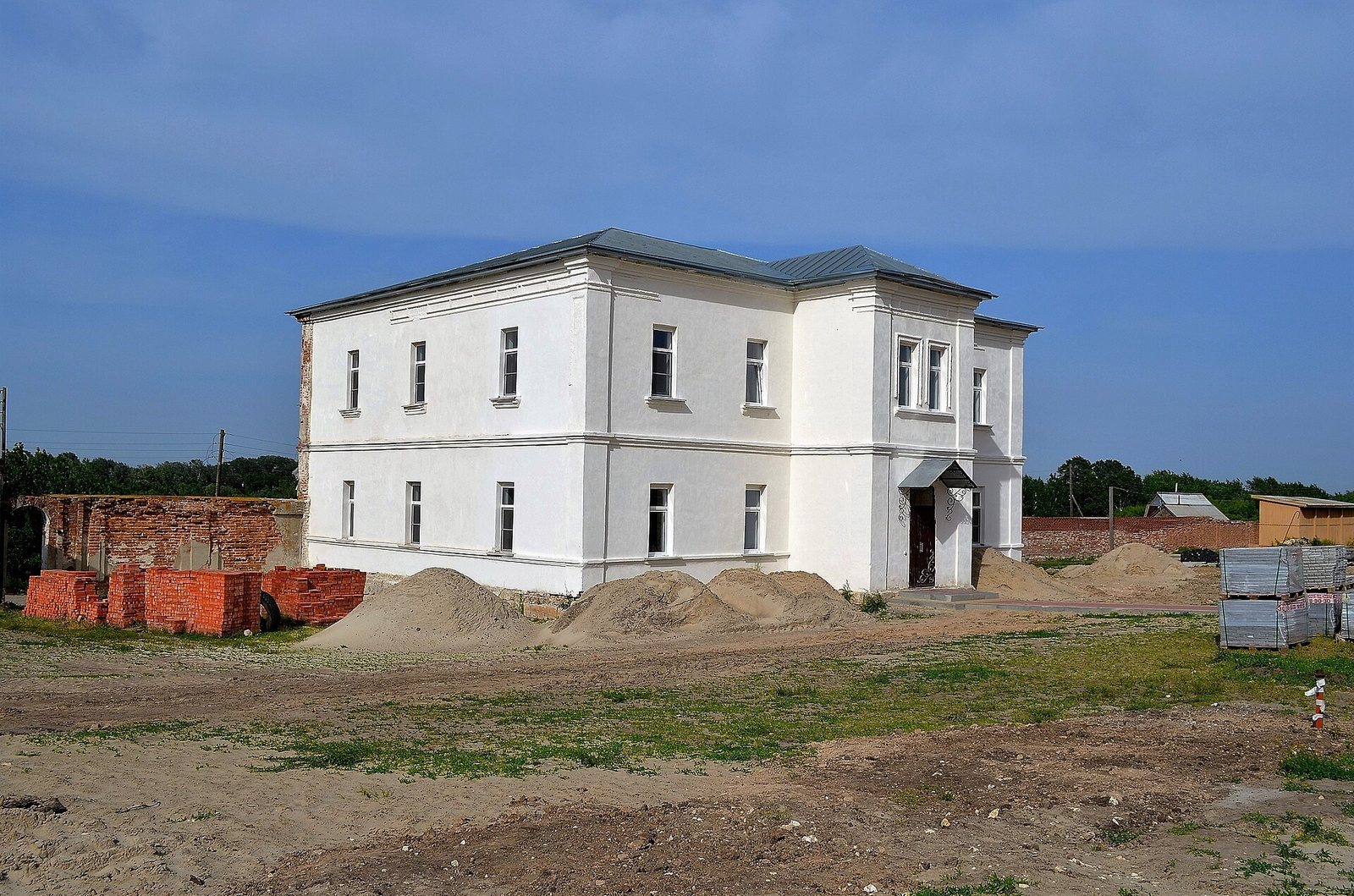
Bishop Anthony (Prostikhin), who lived at the monastery in 1995 and 1996, recalled a community surrounded by ruins, with its cathedral destroyed. Residents slept on wooden shelving in barns heated by electrical wires. Sockets sometimes caught fire, and Anthony recalled waking more than once to find his blanket burning.
Chapels and associated places
St Nicholas chapel and holy spring
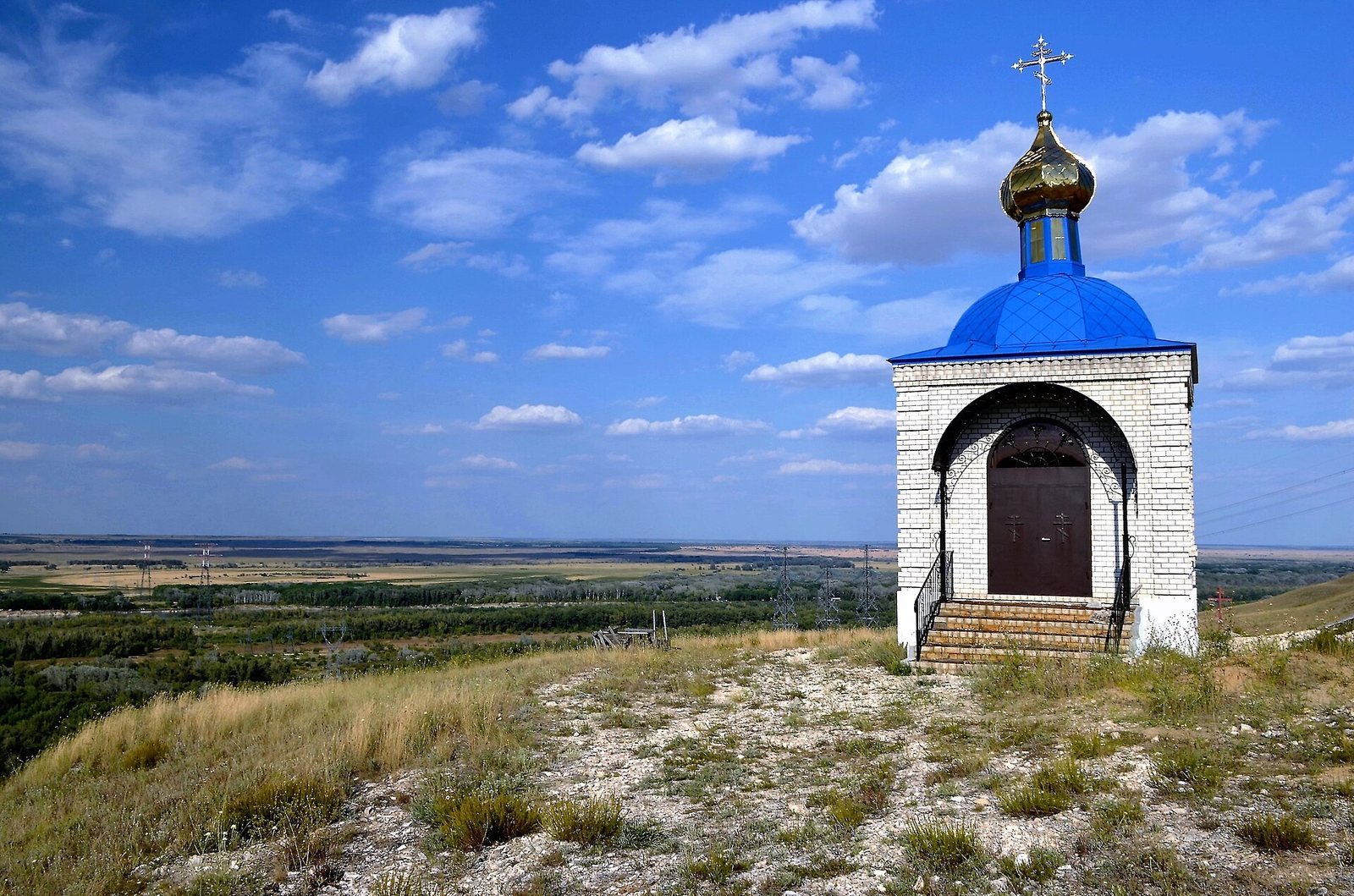
The stone chapel dedicated to St Nicholas stands at the site of the ancient monastery. A cleared holy spring associated with Our Lady of Kazan, a revered Orthodox title for Mary, lies three kilometres from the chapel.
Burial-place chapel
The burial place was put in order, and construction of a chapel there began in October 2002.
Pyatnitsky Skete
The skete includes a log-built gate chapel dedicated to the martyr Paraskeva Pyatnitsa, two cells and a bathhouse. A chapel dedicated to John the Baptist is also present at the site.