Historical Museum of Senegal: A Museum of Senegalese History in Fort d’Estrées
Site at a Glance
- Rating
- 4.2
- Popularity
- Low
- Country
- Senegal
- Primary era
- Modern
- External website
- Open
- Eras represented
- Modern
- Civilizations
- French
- Site type
- Military
- Remains
- Fort
On this page10 sections
History
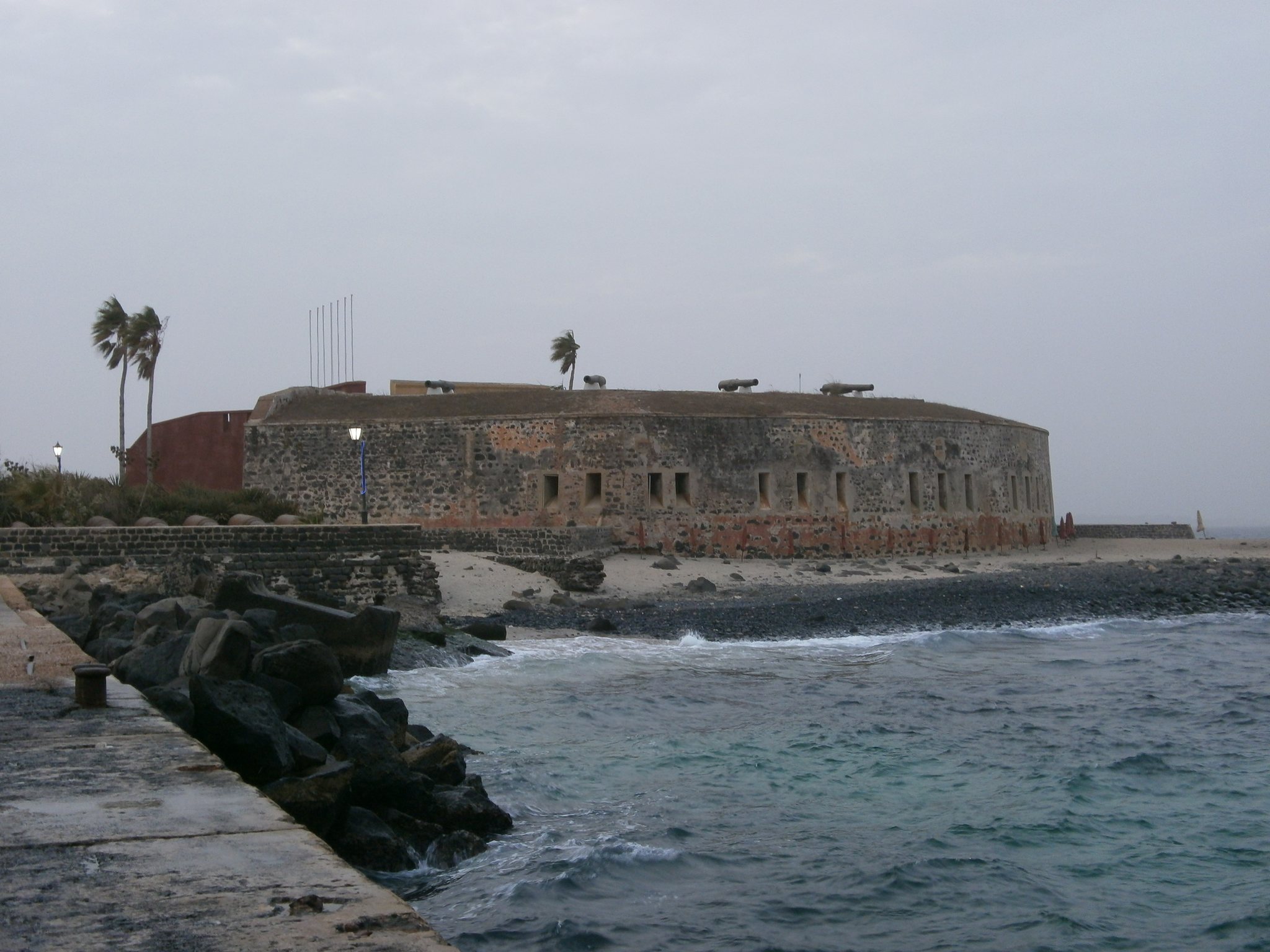
The Historical Museum of Senegal is a museum on Gorée Island in Dakar, Senegal, housed in Fort d’Estrées, a French fortification built between 1852 and 1856 to defend Dakar Harbour. Attached to the Institut fondamental d’Afrique noire, or IFAN, a West African research and cultural institution, it presents Senegalese history from prehistory to independence, with particular attention to Gorée and the history and commemoration of the slave trade in the region.
Fort d’Estrées and its later uses
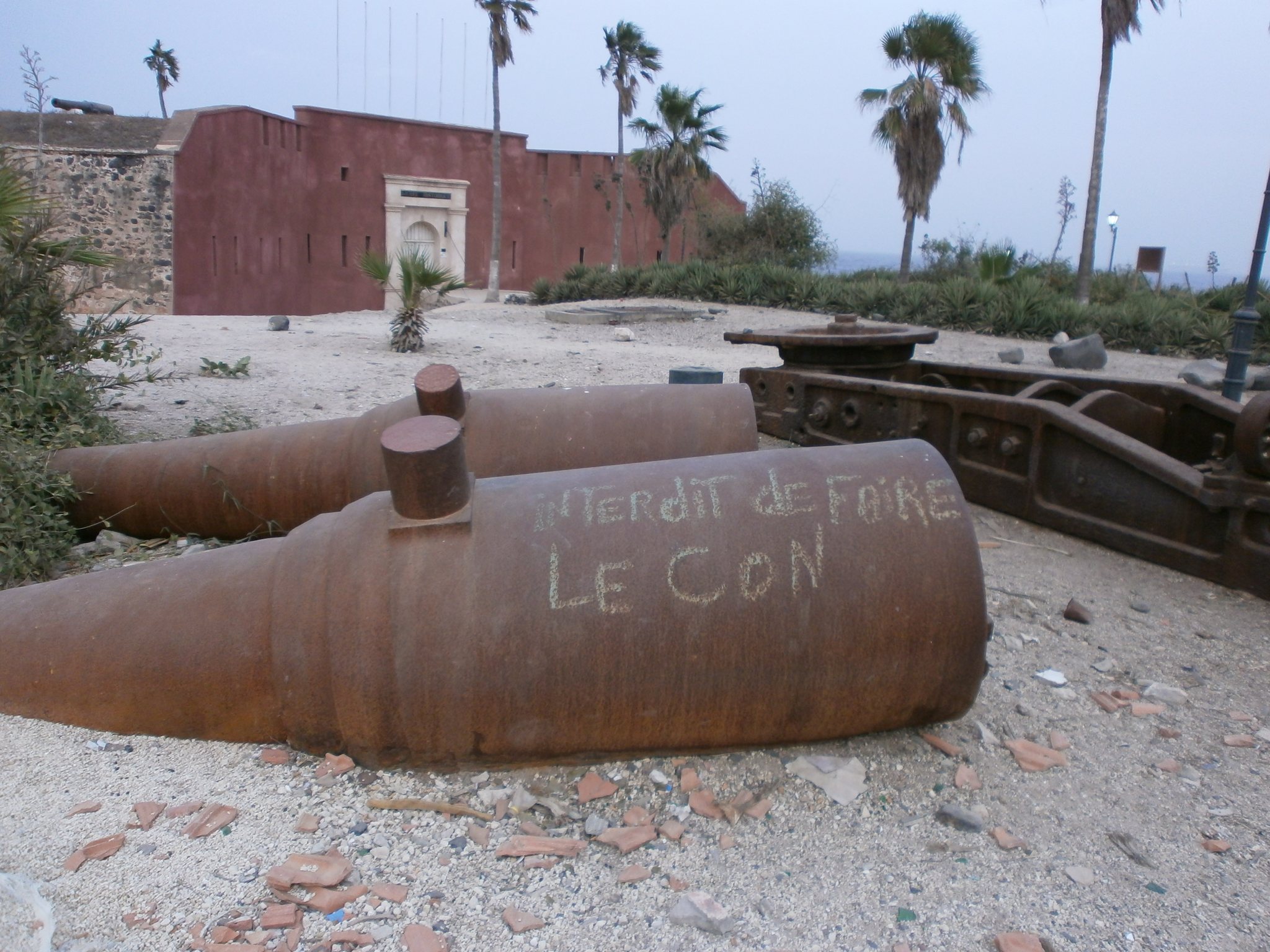
Fort d’Estrées was named after Vice-Admiral Jean II d’Estrées, who recaptured Gorée from the Dutch in 1677. Its construction was directed by Emile Pinet-Laprade, an official of the French colonial administration in Dakar. The fort played no major military role, although its guns opposed an attempted Allied landing on Gorée in 1940 during the Second World War.
After the war, the fort became a civilian prison and disciplinary centre associated with Dakar Prison. It continued in prison use until 1976. The building’s transfer to a cultural institution the following year created the basis for the museum’s relocation and later transformation.
From the first Gorée museum to the present institution
Gorée had previously housed an IFAN museum in the residence of Victoria Albis, a prominent woman of mixed African and European background in the coastal societies of French West Africa. The residence had been purchased from the former mayor, and the museum opened there in 1954 as the Historical Museum of French West Africa. After Senegal became independent in 1960, the reference to French West Africa was dropped, leaving the shorter name Historical Museum.
The museum was extensively transformed in 1970, but the residence soon proved too small. In 1977, the Senegalese state transferred Fort d’Estrées to IFAN for restoration and conversion into a larger museum. The work was initiated and directed by the Belgian anthropologist Guy Thilmans under the supervision of the Bureau d’Architecture des Monuments Historiques. It lasted twelve years, and the renovated museum opened on 3 March 1989 during IFAN’s fiftieth-anniversary celebrations.
Its first director, Abdouyale Ly, described the institution’s purpose as promoting West African culture. Abdoulaye Camara served as curator from 1989 to 2005, when he took responsibility for Dakar’s Museum of African Art, also administered by IFAN. Youssouf Mbargane Guissé then succeeded him. Attendance rose from 5,713 ticketed visitors in 1989 to 29,824 in 2004, a year when Senegal held a commemoration of the slave trade. The museum received tourists visiting Gorée as well as school and university groups accompanied by teachers.
The museum forms part of Gorée’s Portuguese-influenced heritage and lies within the UNESCO World Heritage site of Gorée Island. UNESCO, the United Nations Educational, Scientific and Cultural Organization, uses this designation for cultural or natural places recognized as having outstanding universal value.
Remains
Fort structure and museum layout
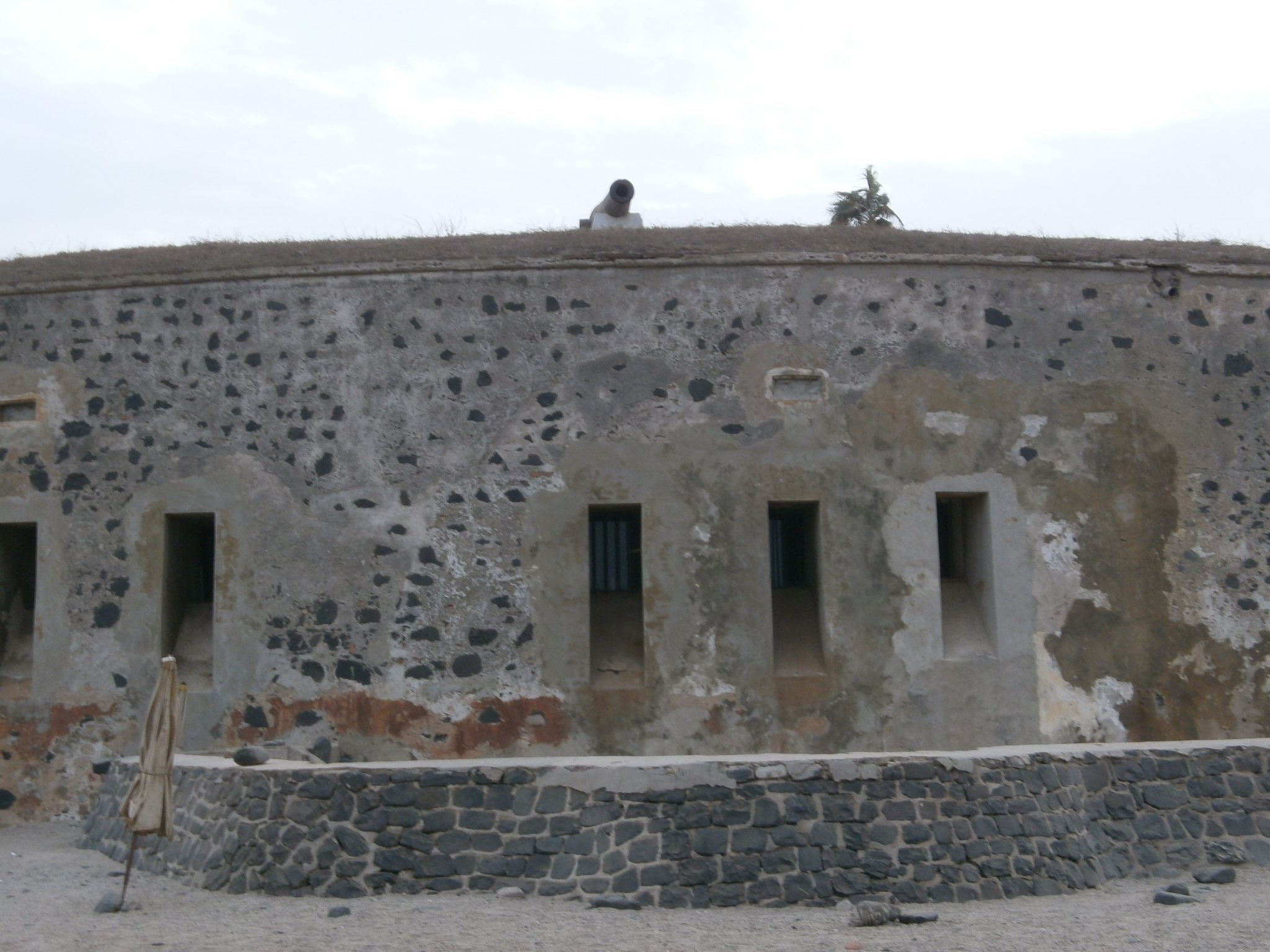
Fort d’Estrées occupies the northern end of Gorée Island, facing Dakar. Boats approaching from the capital pass around its ramparts before entering the harbour. The fortification covers approximately 1,900 square metres, while the museum’s thirteen rooms are arranged around the parade ground. The surviving military setting therefore provides the physical framework for galleries covering a long span of Senegalese history.
Historical and archaeological collections
Gorée and prehistoric collections
One gallery contains maps of Gorée dating from 1681 to 1984. The Paleolithic, or Old Stone Age, collection includes microlithic tools from the Tiemassassian industry at Tiemassas, beside a seasonal watercourse near Nianing. Side-scrapers, toothed-edge tools called denticulates, and end-scrapers are represented. Radiometric dating places the earliest occupation represented there at approximately 43,000 years before present, with “before present” conventionally calculated from 1950.
The Neolithic, or later Stone Age, collection from the Khant marsh near Kayar includes tools made from bone, ivory, and wood. Hooks, harpoons, and axes illustrate fishing, hunting, and shellfish gathering. Pottery comes from the shell-midden island of Diorom Boumak at the mouth of the Saloum River. A shell midden is an accumulation of discarded shells and other remains formed through repeated occupation or food processing.
Senegambian megaliths
The megaliths gallery presents the Senegambian stone circles, monuments constructed between the first millennium and the beginning of the second millennium. These monuments consist of deliberately arranged standing stones and associated burial features. The gallery includes the lyre stone from Keur Alingane, a carved stone positioned on the eastern frontal line of a megalithic circle or tumulus, meaning a burial mound.
Kingdoms, resistance, and colonial history
Other galleries address the kingdoms of Senegal, European presence and colonization, and African resistance to French rule. The resistance displays include maps and photographs concerning French expansion and anticolonial opposition, including an exhibit on Lat Jor, a nineteenth-century Wolof ruler associated with resistance to French expansion. The holdings also include a photograph of a griot of Sine in war dress dated 1866. A griot is a hereditary historian, poet, musician, and bearer of oral traditions who preserves genealogies and collective memory.
Religion, independence, and material culture
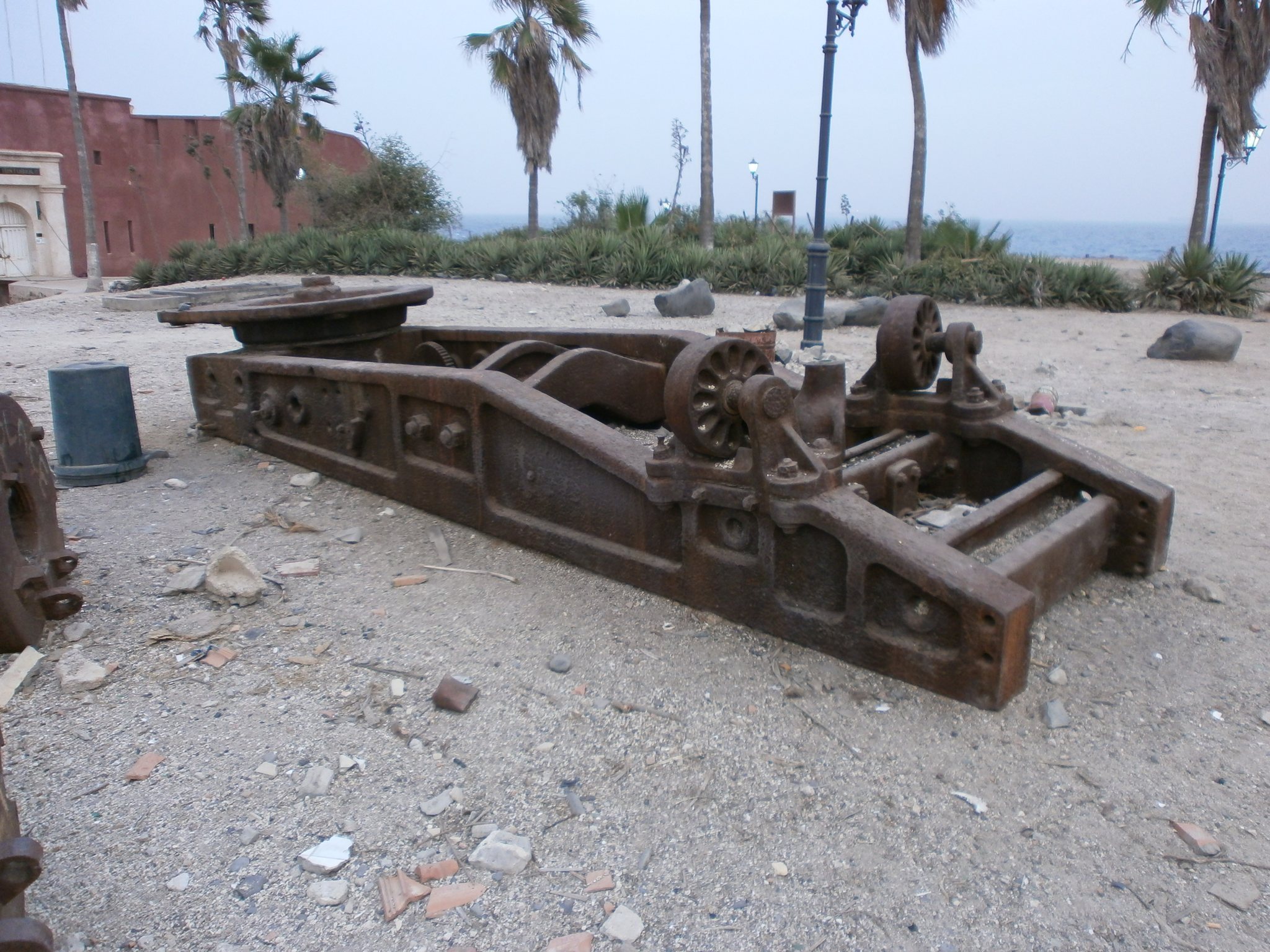
The museum’s Islamic gallery was rehabilitated in 2003 with assistance from the Islamic World Educational, Scientific and Cultural Organization. Other displays examine Islam in Senegal, the country’s ethnic groups, religion, and independence. The final gallery, known as the Cannon Hall, contains cannons alongside local textiles and handicrafts. Together, the more than 500 objects, maps, and documents extend from early stone-tool industries to the political and cultural history of modern Senegal.