Glemham Hall: An Elizabethan and Georgian Country House in Suffolk
Site at a Glance
- Popularity
- Medium
- Country
- United Kingdom
- Primary era
- Early Modern
- Eras represented
- Early Modern
- Civilizations
- British, English
- Site type
- Domestic
- Remains
- Elite Residence
On this page4 sections
History
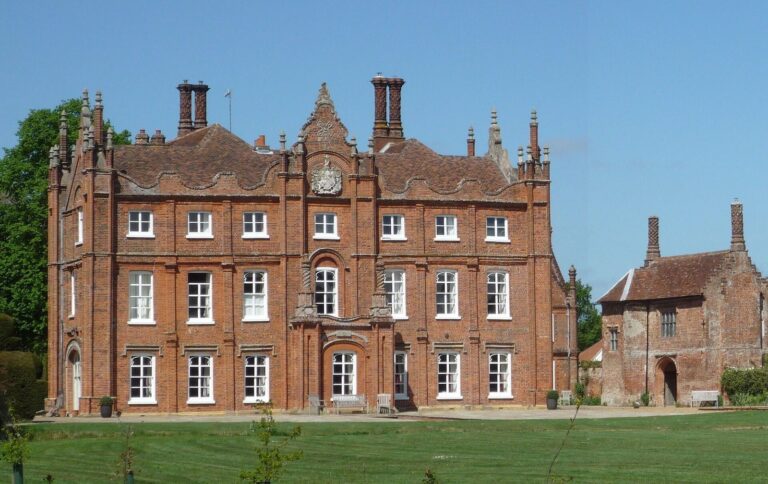
Glemham Hall is an Elizabethan and Georgian country house on the outskirts of Little Glemham, Suffolk, in the United Kingdom. The De Glemham family built it around 1560 for Sir Henry Glemham.
The De Glemham and North families
Francis North, an English peer known as the 2nd Baron Guilford, bought the hall in 1709. His uncle Dudley North had earlier acquired the lordship of the manors of Little Glemham and Banyards. Major work on the façade followed between 1712 and 1720.
In 1791, landscape designer Humphry Repton prepared plans for the park. The owner then, Dudley Long North, was a politician and a patron of George Crabbe, an English poet and clergyman. Crabbe held benefices at Parham and Great Glemham, church offices traditionally associated with income from church property or revenues. He met statesman Charles James Fox and politician and antiquary Roger Wilbraham at Glemham Hall. From 1796, Crabbe lived for several years at nearby Great Glemham Hall, a separate property owned by North.
Later ownership and recognition
In the latter part of the nineteenth century, the hall was the residence of Alexander George Dickson, a Member of Parliament. The Cobbold family acquired it in 1923 and retained ownership. Philip Hope-Cobbold is its current owner.
The house was designated a Grade I listed building in 1951 under the name Little Glemham Hall. Grade I is the highest category of listed-building protection in England. The park was added to the National Register of Historic Parks and Gardens in 2000.
Remains
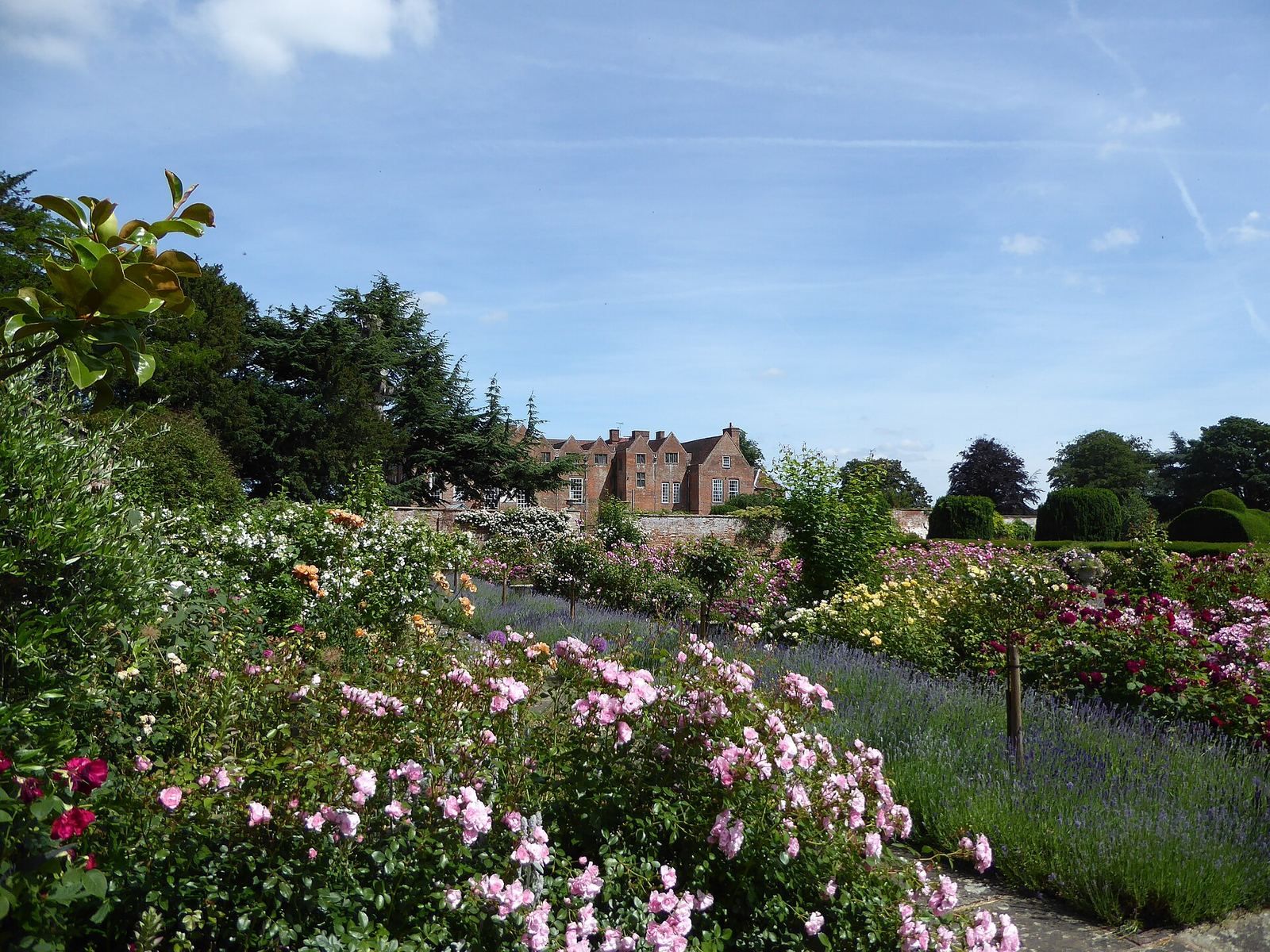
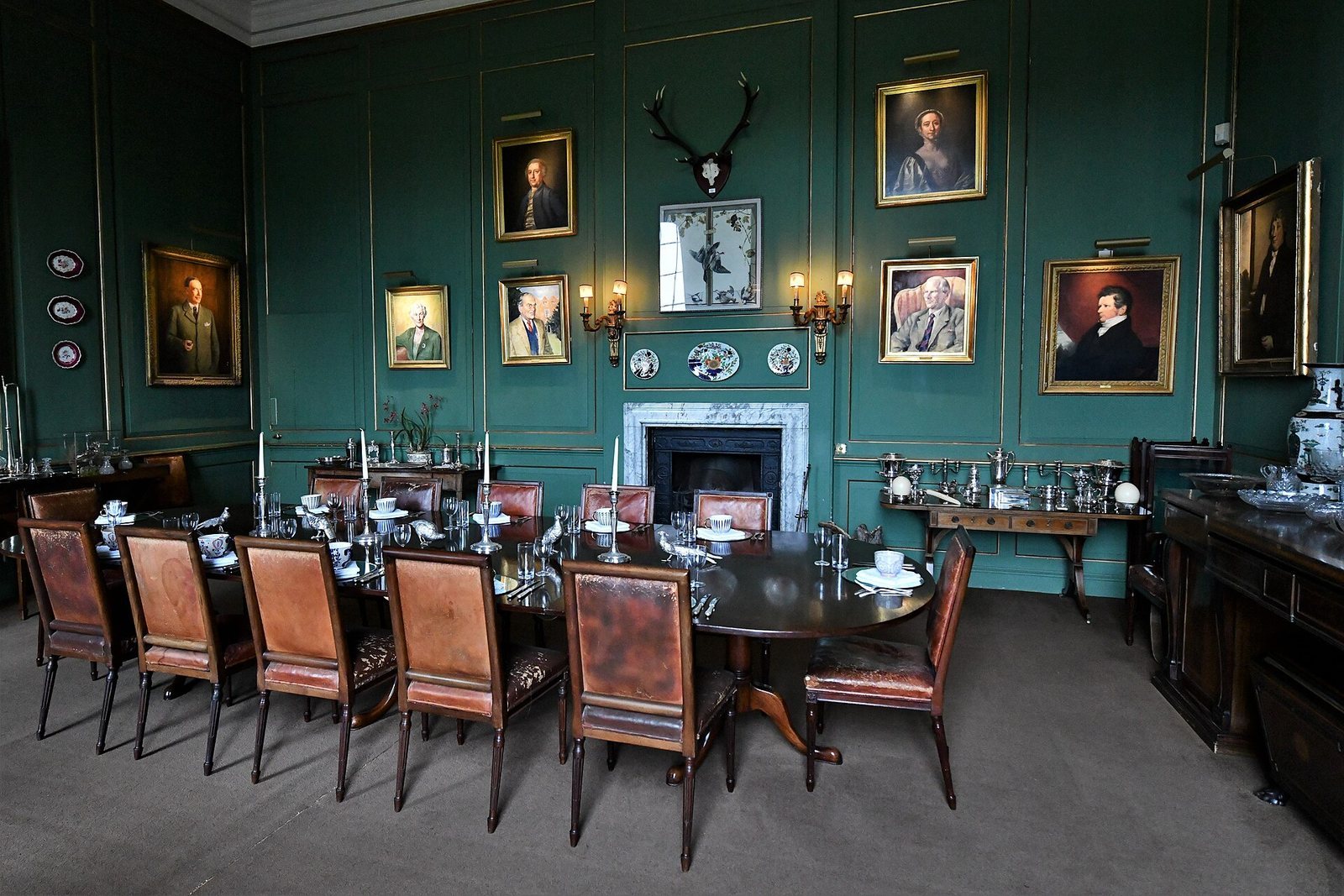
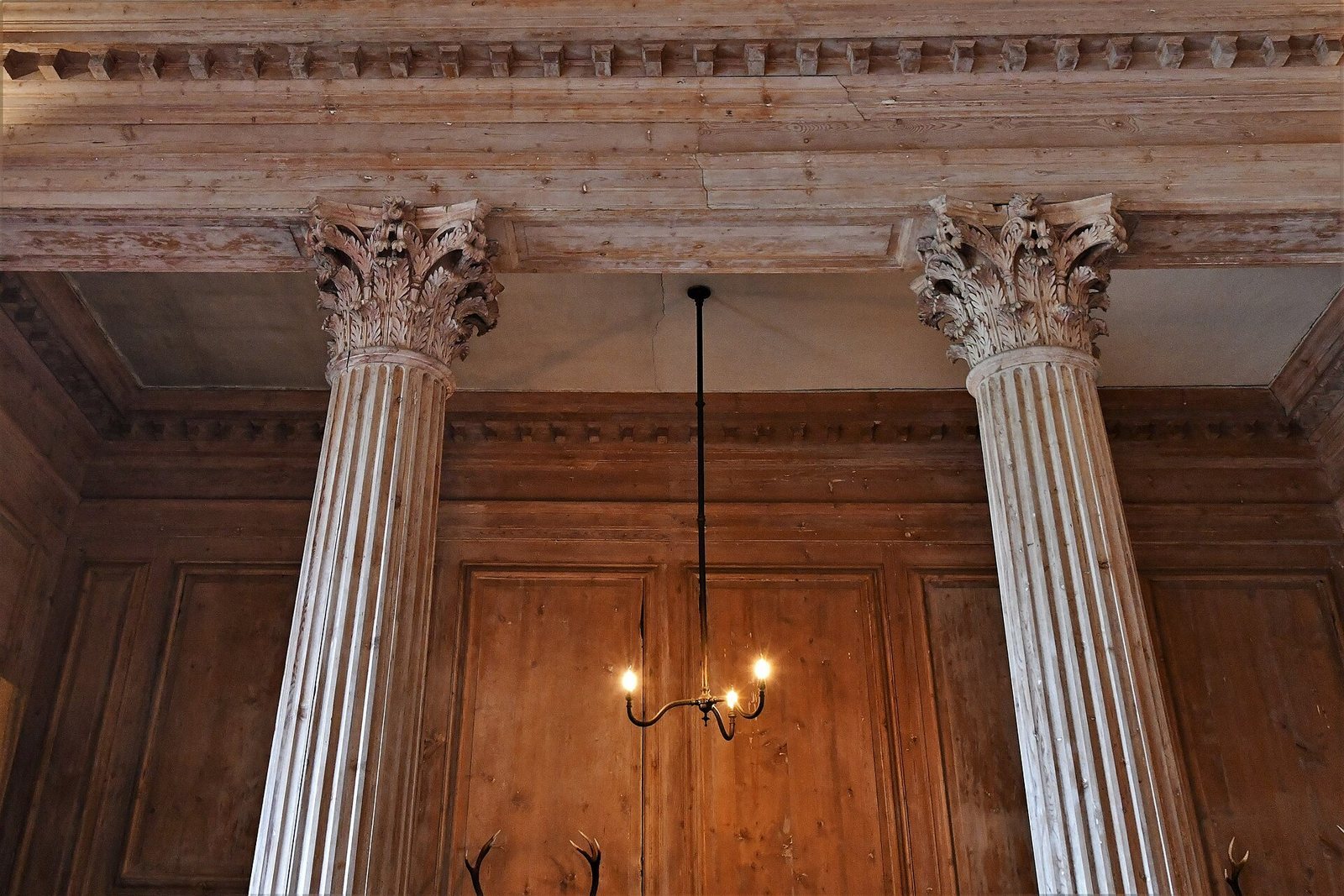
The house has an H-shaped plan and an overall Georgian appearance, with Elizabethan and Georgian character. It stands within about 300 acres (120 hectares) of parkland, which includes gardens.