Fort Santa Isabel: A Spanish Colonial Defense Fort in Taytay
Site at a Glance
- Rating
- 4.4
- Popularity
- Low
- Country
- Philippines
- Primary era
- Early Modern
- Eras represented
- Early Modern
- Civilizations
- Spanish
- Site type
- Military
- Remains
- Fort
On this page9 sections
History
Fort Santa Isabel is a Spanish colonial fort in Taytay, Palawan, Philippines, whose stone works were completed in 1738 to defend the settlement. Taytay, founded in 1623, served as the capital of the former Spanish province of Calamianes. The fort guarded the town against raiders from Jolo, an island in the Sulu Archipelago, whose attacks were associated with resistance to Christian evangelization and the conversion of Indigenous people.
From palisade to stone fort
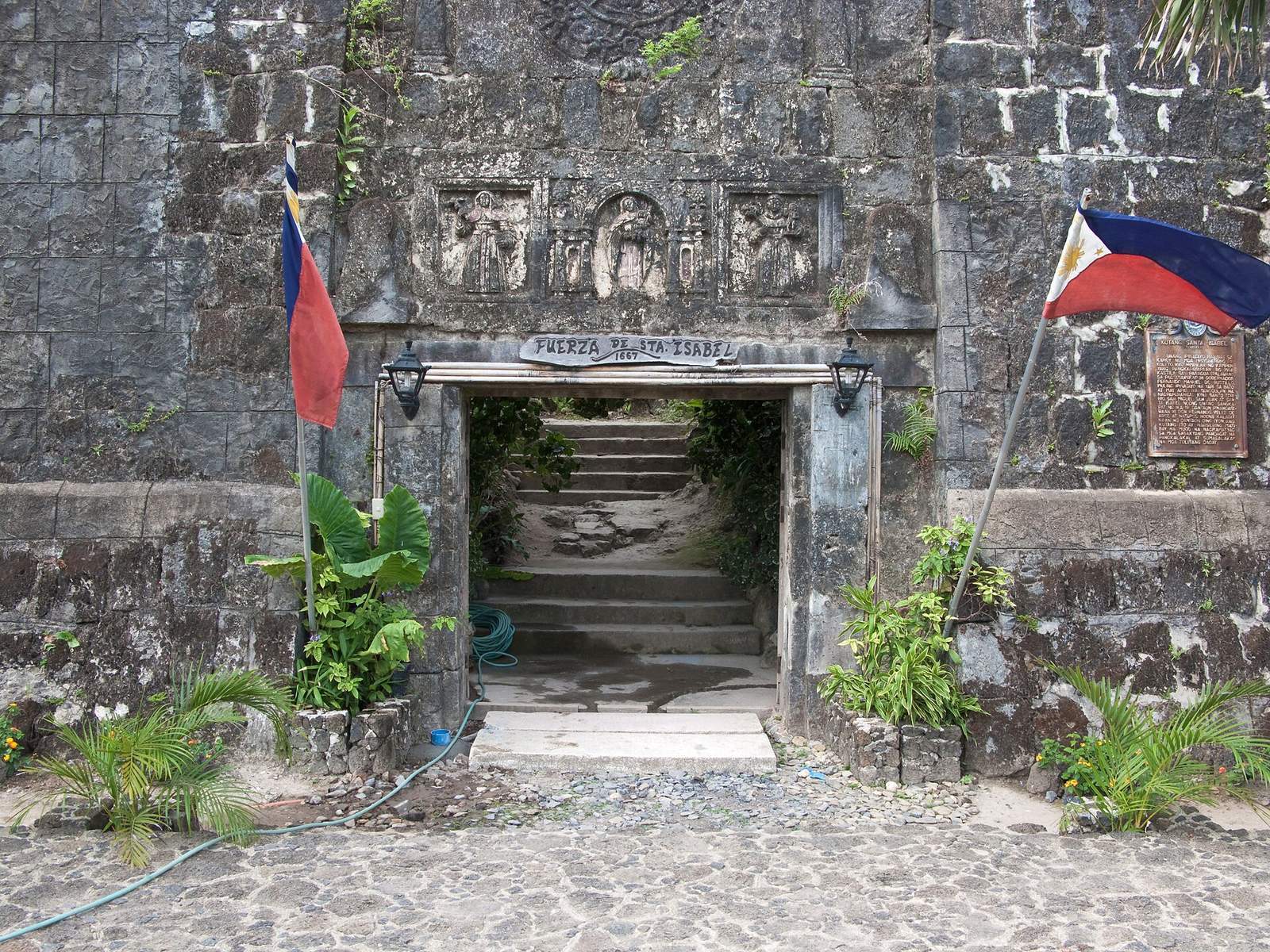
Augustinian Recollect priests, members of a Catholic religious order in the Augustinian tradition, established a wooden palisade at Taytay in 1667. Cartographer and military engineer Antonio Fernández de Roxas drew a plan of the fort in 1721 while in Taytay with the fleet under his command. Under the order’s direction, the stone fort replaced the timber defenses. The efforts of Spanish governor-general Fernando Manuel de Bustillo, the senior colonial administrator, helped bring about the change to a coral-limestone fort. Its masonry works were completed on December 17, 1738.
Siege and tradition
Between 1730 and 1739, Sultan Maulana-Diafar Sabiesa sent Datu Bigotillo, a traditional chiefly titleholder, and 3,800 raiders from Jolo to besiege and occupy the fort. During an attack in 1734, the attackers placed small guns on a hill overlooking the defenses. This caused serious difficulties for the garrison, and work began to lower the hill.
A tradition about the siege says that Saint Monica appeared to the defenders in a white robe and advised them to boil slaughtered cows and carabaos, or domesticated water buffalo, for their fat. They poured the grease down the fort walls to make them slippery, after which the raiders lifted the siege.
Heritage and renovation
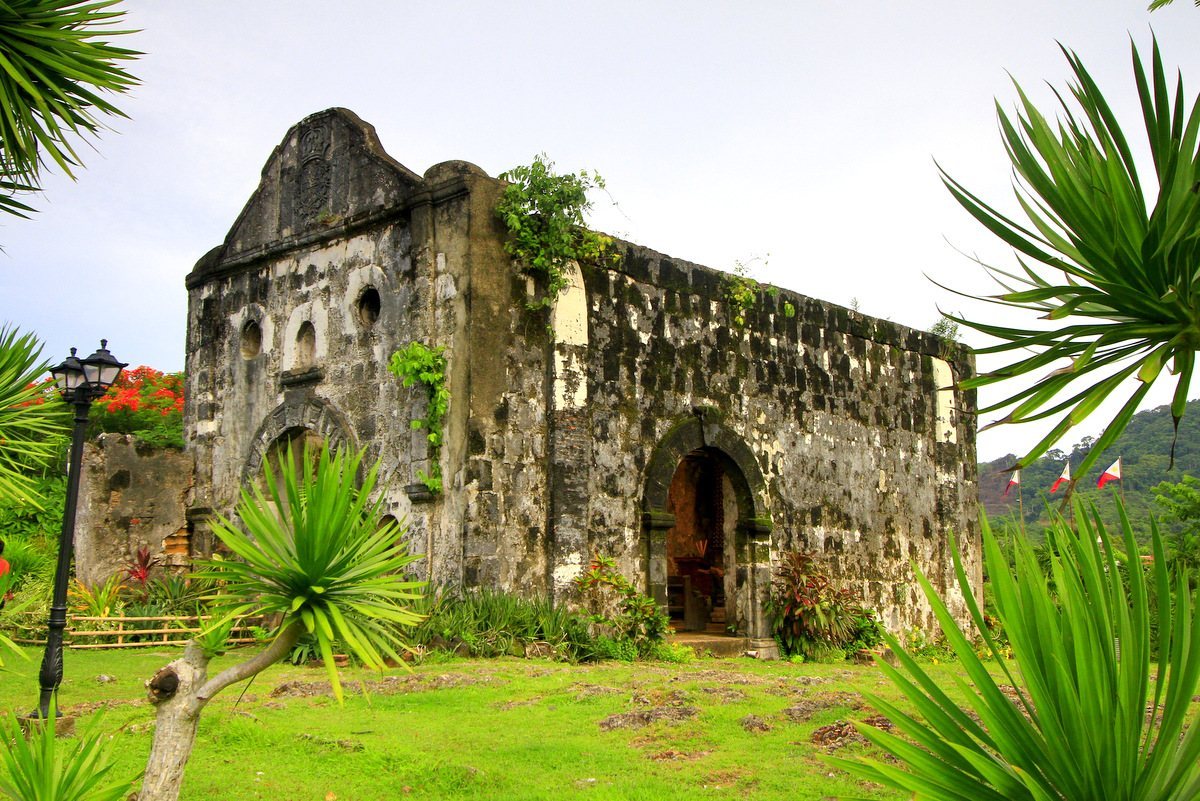
Fort Santa Isabel is listed as a Cultural Heritage Monument in the Philippines. Renovation began in 2018 under Taytay’s municipal government, with assistance from the National Historical Commission, as part of the Estrella del Norte Heritage Development Project.
Remains
Setting and plan
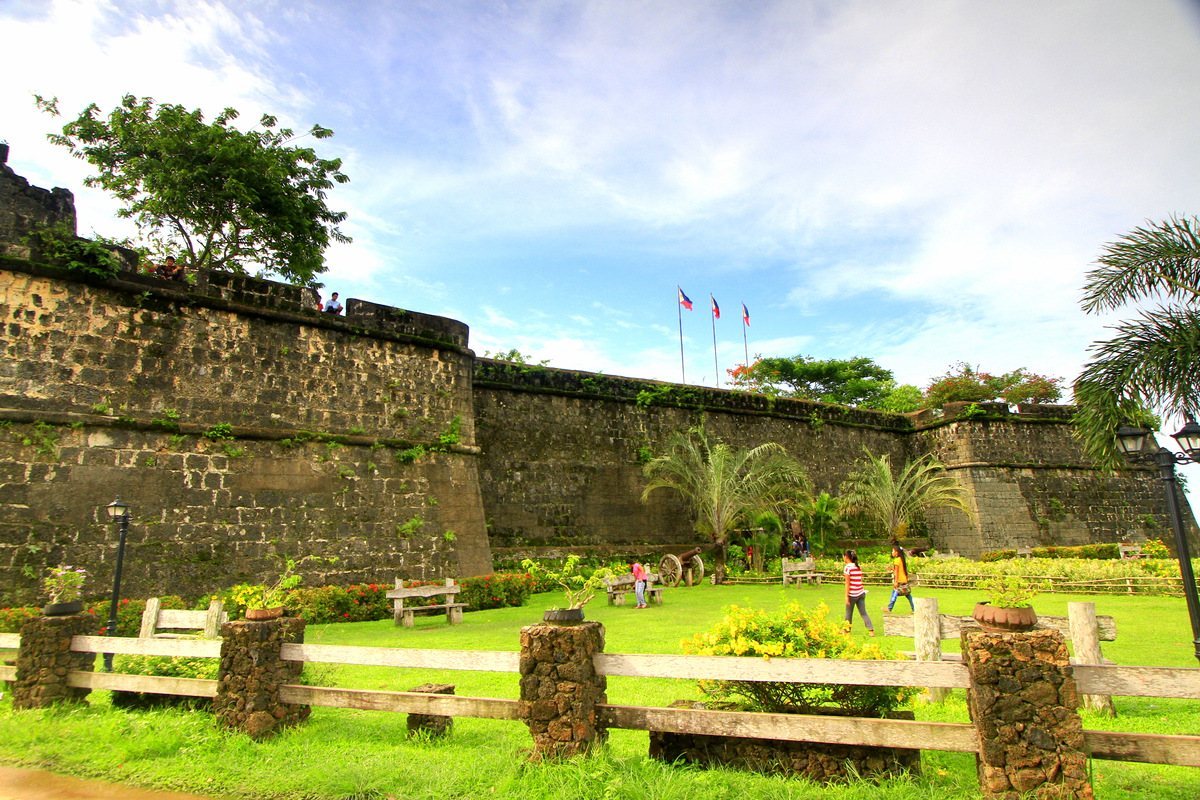
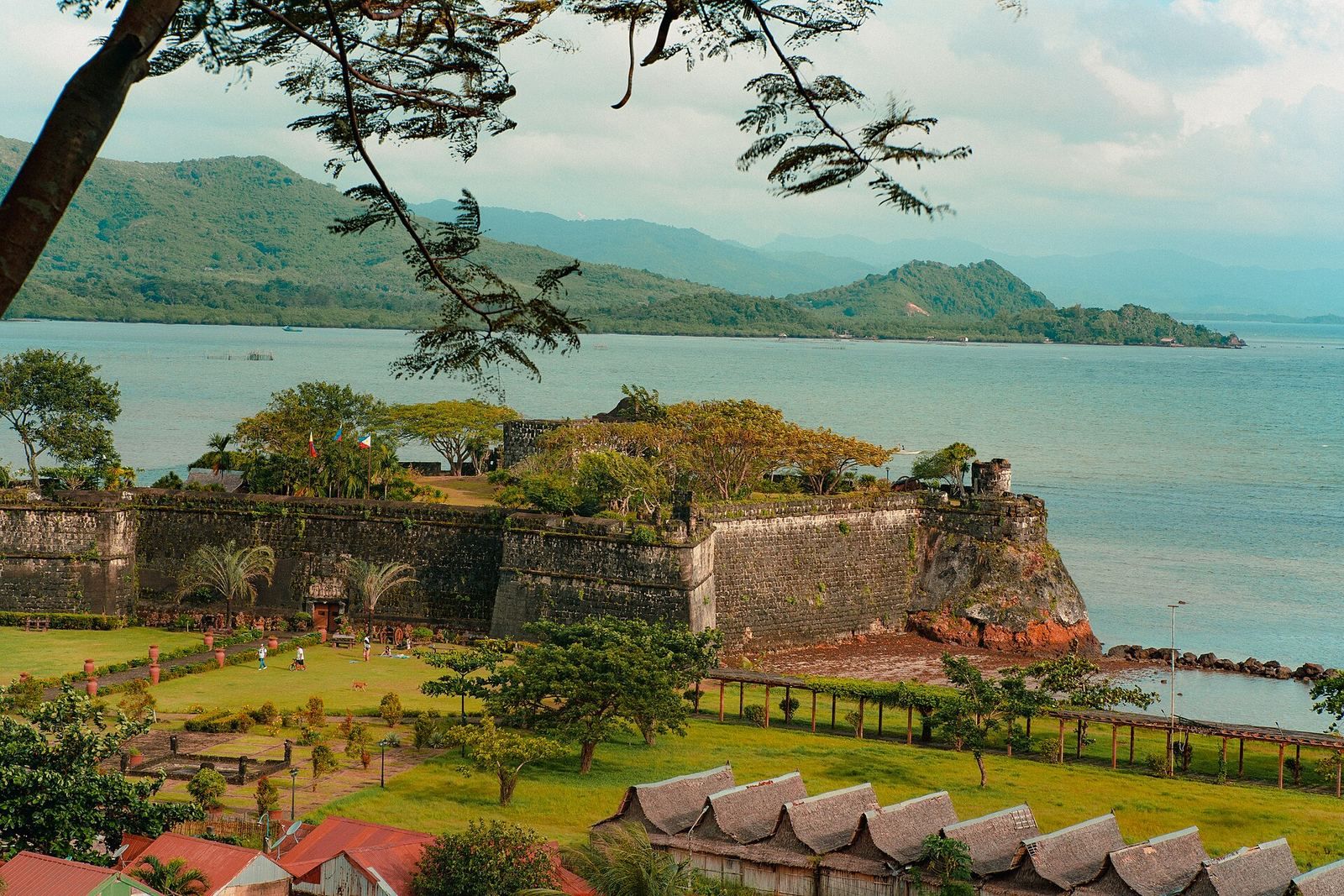
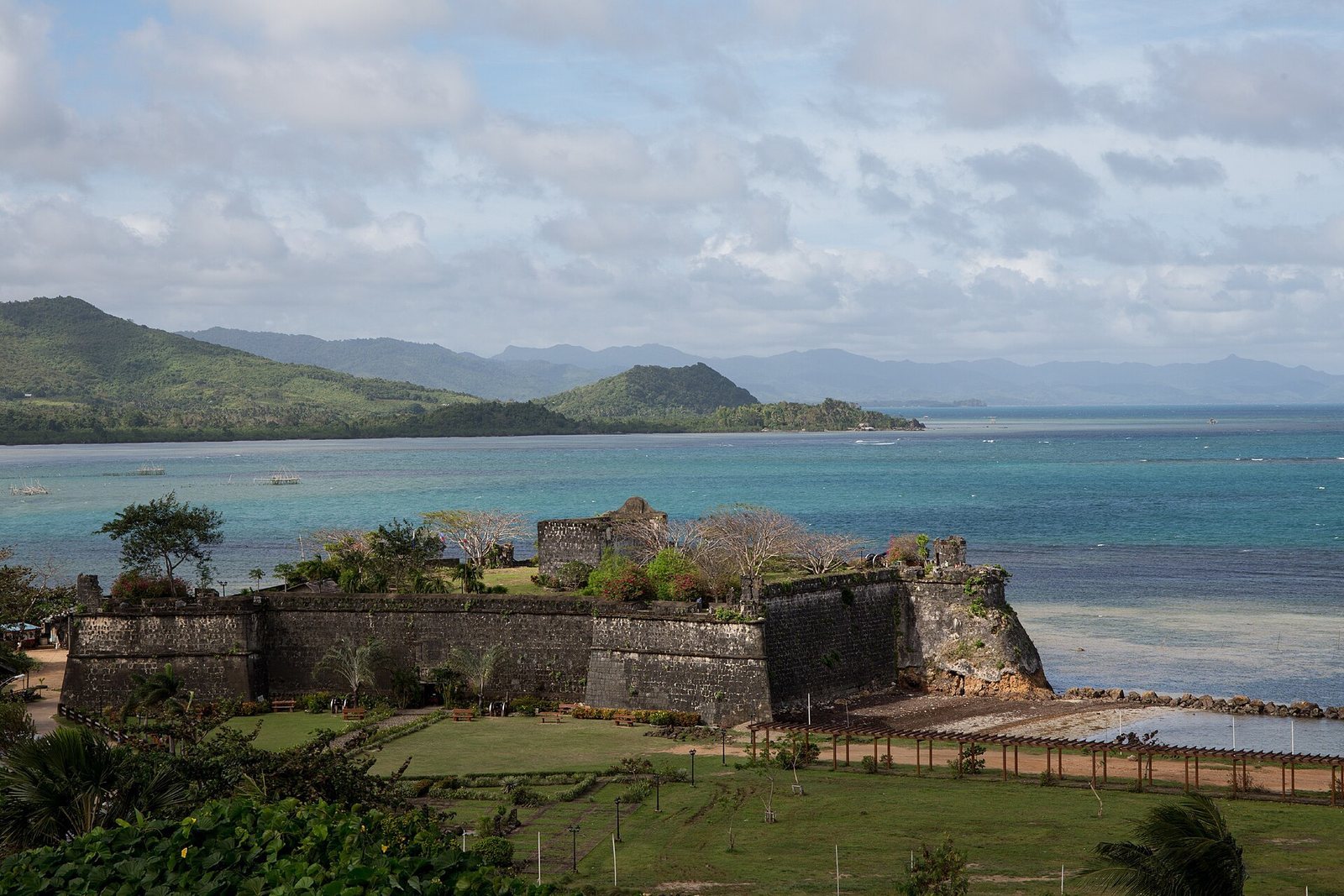
The fort stands on a rocky outcrop about 20 feet above a shallow marine shoal, and the sea cuts it off at high tide. Its footprint is close to square but irregular, forming a four-sided plan. A 650-foot causeway leads toward the settlement and ends at a high hill overlooking the fort.
Defensive works
Walls and bastions
A 96-foot length of lime-and-stone defensive wall has a gate at its midpoint and two flanking bastions, projecting defensive platforms. The fort is also described as having four bastions at its corners, each with a sentry box. They are named San Toribio, Santa Isabel, San Juan, and San Manuel.
Weapons and supplies
The fort’s armament comprised two bronze half-culverins, a type of cannon, 20 smaller-caliber iron guns, eight bronze guns designed to fire stone projectiles, and 20 bronze chambers. Ammunition, grenades, and small arms were held in quantities roughly corresponding to the number of fighting men.