Fort Pearson: A British Military Redoubt on the Tugela River
Site at a Glance
- Rating
- 4.1
- Popularity
- Low
- Country
- South Africa
- Primary era
- Modern
- Eras represented
- Modern
- Civilizations
- British
- Site type
- Military
- Remains
- Fort
On this page7 sections
History
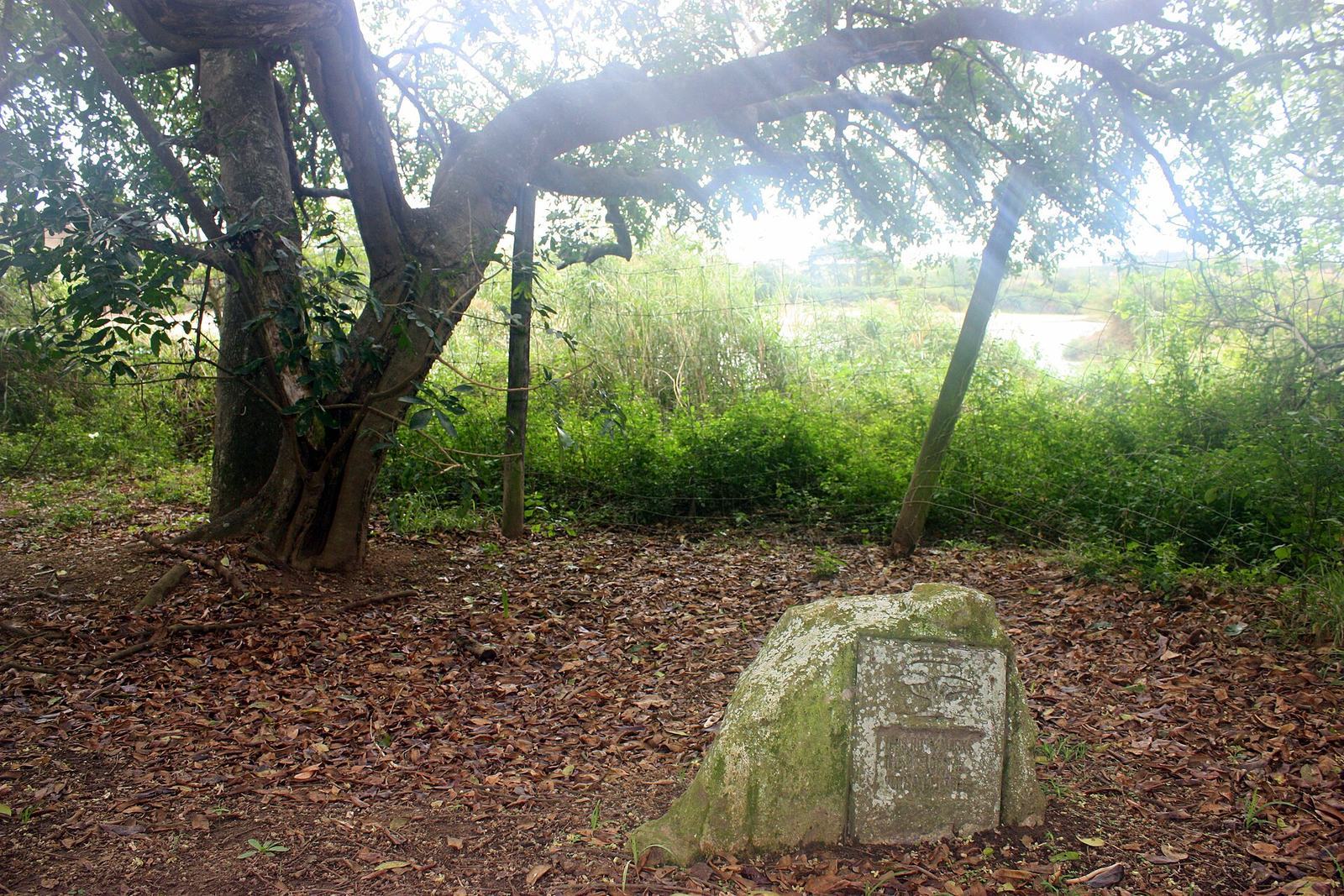
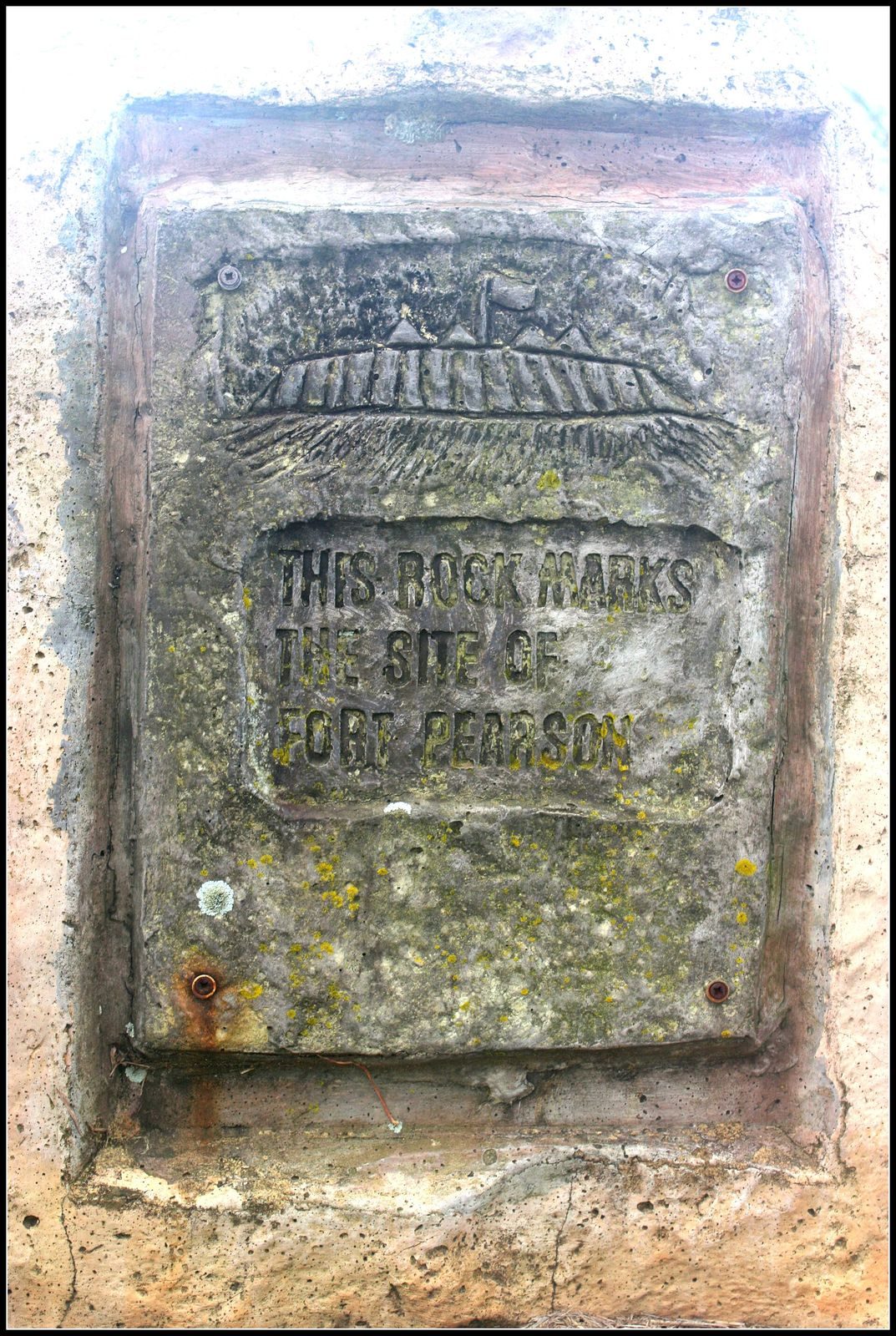
Fort Pearson, in Mandini, South Africa, was built by British forces in November 1878 as an earthen redoubt, a small defensive fortification, overlooking the Tugela River. Constructed shortly before the Anglo-Zulu War, the conflict between Britain and the Zulu kingdom, it occupied the Natal side of a shallow river crossing and later supported British military operations. The fort was named for British Army Colonel Charles Knight Pearson.
Construction and the ultimatum
The 2nd Battalion of the 3rd Regiment of Foot, known as the Buffs, and members of the Naval Brigade built the fort. The Naval Brigade consisted of Royal Navy personnel serving as infantry. Both units later contributed to its garrison.
On 11 December 1878, Natal colonial official John Shepstone met Zulu indunas, or leaders, at the crossing below the fort and delivered an ultimatum. British leaders expected Zulu king Cetshwayo to reject demands that would radically alter Zulu life, giving Britain a pretext for war. War was declared in January 1879, and British commander Lord Chelmsford launched an invasion of Zululand along three routes.
Campaign base and hospital
During the first invasion, Fort Pearson served as a supply depot and base for the Right, or No. 1, Column. In January, the column built Fort Tenedos on the Zulu bank of the river before becoming besieged at Eshowe. As the advance moved on, the Naval Brigade left two 12-pounder field guns at Pearson. Royal Navy sailors organized the column’s first crossing, which drew civilian onlookers from Durban.
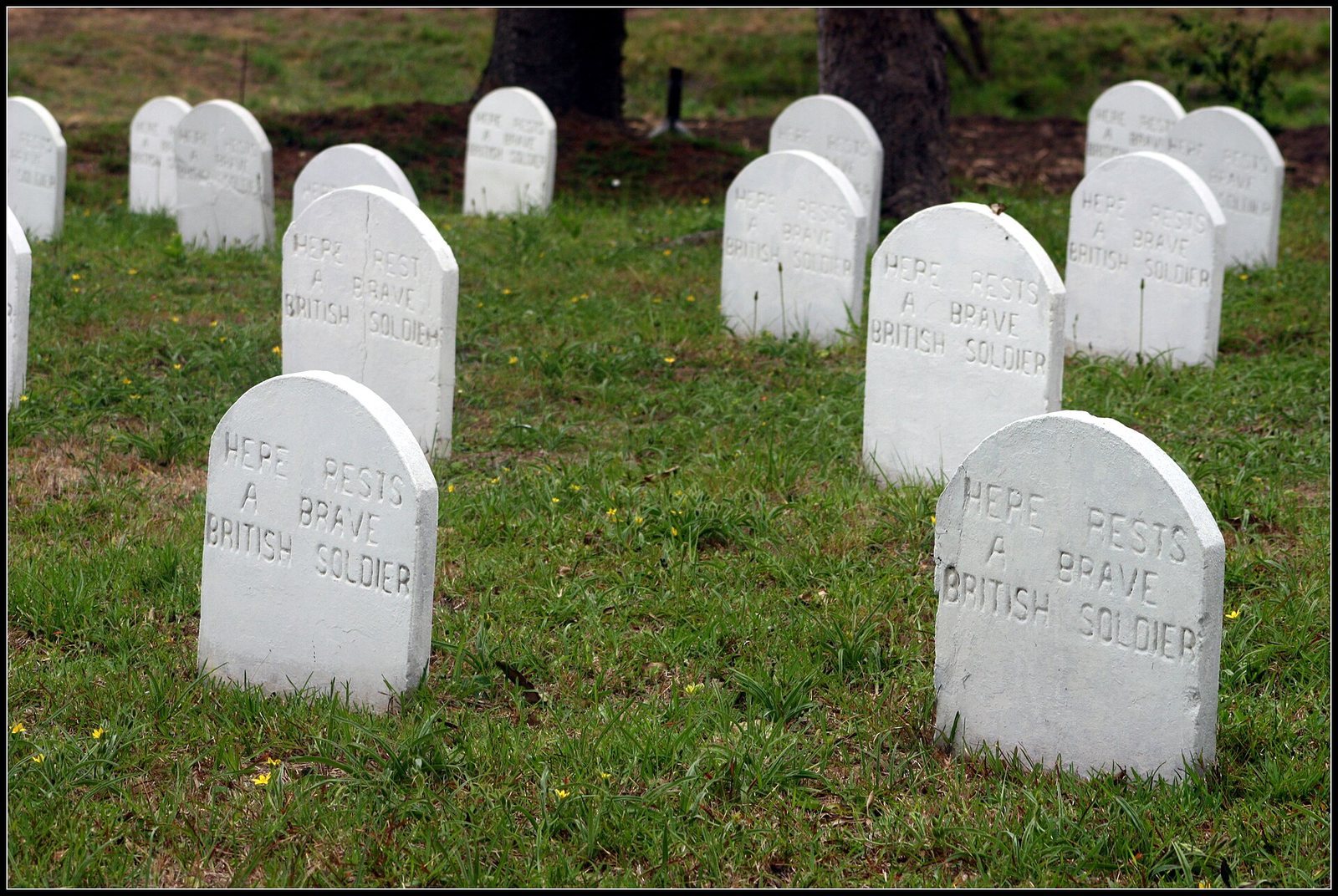
The garrison included two companies of the 99th Regiment of Foot and part of the Natal Native Contingent, African troops serving with Natal’s British colonial forces. Fort Pearson also acted as a hospital for sick and wounded troops. Its planned capacity of 200 beds proved insufficient: although regular convoys carried patients to the base hospital in Durban, the fort sometimes held 400. On 13 March, a private of the 99th left the hospital and died after jumping from the cliff into the Tugela.
In March and April 1879, the fort supported the British column sent to relieve the siege of Eshowe. It then served the 1st Division of the South African Field Force, a British military formation in southern Africa, during the second invasion from April to July. By June, a telegraph line connected Pearson with Durban and, onward, Pietermaritzburg. On 5 July, General Garnet Wolseley arrived to replace Chelmsford and learned that Chelmsford had defeated the Zulu at Ulundi. Britain won the war that month.
Later military use and heritage status
British troops used Fort Pearson again during the Third Zulu Civil War, an internal conflict within the Zulu kingdom. In late September 1883, a British force assembled there before advancing to Eshowe to protect the British commissioner. The site was later abandoned. On 25 August 1950, the South African government declared it a provincial heritage site.
Remains
The fort’s layout linked an elevated defensive position with a shallow crossing of the Tugela below. Smaller outworks and a series of crossing installations formed part of the military position.
Fort and outlying defenses
The main earthwork stood on a bluff about 300 feet (100 metres) high. Two smaller redoubts helped control the river crossing; one was called Euphorbia Hill Redoubt. In April 1879, men from Major-General Henry Hope Crealock’s division strengthened the fort.
River-crossing installations
A short distance downstream, the British installed a pont ferry, a ferry carried on a flat-bottomed boat, to support their advance. A pontoon, or floating, bridge replaced it in May 1879. The following month, a semi-permanent trestle bridge, supported by a framework of trestles, carried traffic across the river’s main channel.