Fort Oranje in Ternate: A Dutch East India Company Fortress
Site at a Glance
- Popularity
- Medium
- Country
- Indonesia
- Primary era
- Early Modern
- Eras represented
- Early Modern
- Civilizations
- Dutch
- Site type
- Military
- Remains
- Fort
On this page5 sections
History
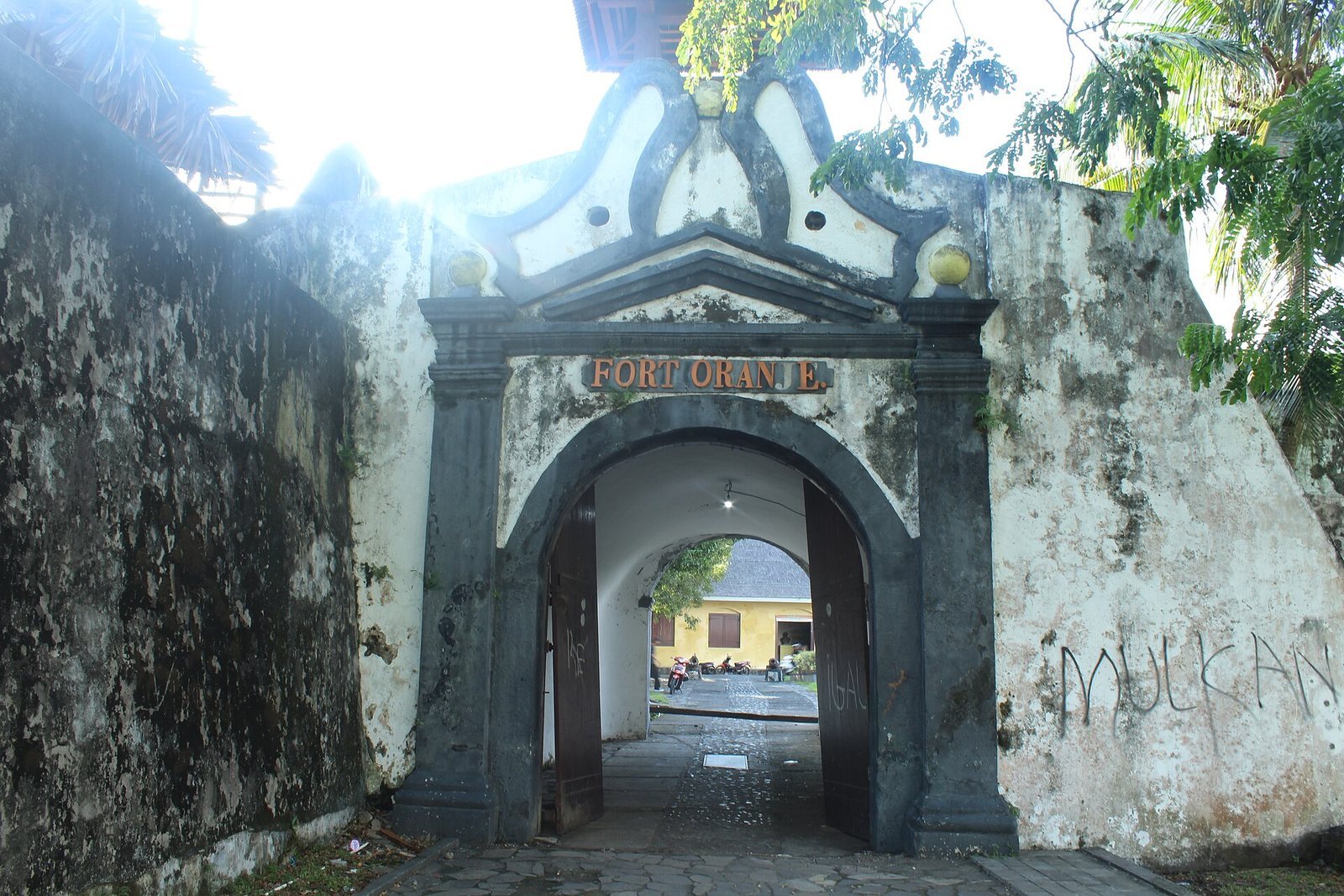
Fort Oranje in Ternate, Indonesia, was built by the Dutch in 1607 over an older, damaged Malay sultan’s fortress. It later became the Dutch East India Company’s (VOC) administrative base on Ternate and remained its headquarters in the region until the company moved that role to Batavia in 1619.
Ternate and Portuguese rule
Ternate, a volcanic island in the Maluku Islands, was the seat of the Sultanate of Ternate, a state governed by a sultan. Cloves helped make the sultanate powerful, and it was in regular conflict with the neighboring Sultanate of Tidore. By the end of the fifteenth century, Islam had become Ternate’s official religion, largely through influence from Java.
The first Europeans to reach Ternate were members of an expedition led by Francisco Serrão. After Serrão was shipwrecked near Seram and rescued by local people, Sultan Hairun brought the survivors to Ternate in 1512. He later allowed the Portuguese to build a fort, with construction beginning in 1522. Relations deteriorated, and in 1535 the Portuguese removed Ternate’s ruler Tabariji and sent him to Goa.
After Sultan Hairun was assassinated, Ternatans drove out the Portuguese in 1575, following a five-year siege. Under Sultan Babullah and his son Sultan Saidi Berkat, Ternate expanded as an Islamic state opposed to Portuguese power.
Dutch control and VOC administration
Two Dutch ships commanded by Wybrand van Warwijck arrived in Ternate in 1599. The VOC expelled the Portuguese in 1605, but Spanish troops captured the former Portuguese fort the following year and deported the sultan and his retinue to Manila. In 1607, VOC admiral Cornelis Matelief de Jonge helped Ternate’s sultan drive out the Spanish. The sultan then granted the company a monopoly on the spice trade and permission to establish a fort.
The Dutch built Fort Malay near the village of Malayo, above the damaged Malay stronghold whose date is unknown. A garrison of 74 men served under chief merchant Gerrit Gerritsz van der Buys, supported by the ships Duyfken, Delft, and Enckuizen. The Grote Zon arrived later under Jan Lodewijksz van Rosengeyn. In 1609, Paul van Carden, the first Dutch authority in Ternate, renamed the fort Oranje after the Dutch ruling House of Orange. The earlier name continued in use for several years.
On 17 February 1613, the VOC’s governing board, the Heeren XVII, designated the Maluku region as a center of company administration. Ternate and Ambon were selected as official residences for the Governor-General, then Pieter Both. As Ternate’s administrative role grew, Fort Oranje became the Dutch East Indies Council’s base for official work. The VOC headquarters remained there until it moved to Batavia in 1619.
Later colonial rule and reuse
Spanish and Dutch control in the region was divided for a period. Sultan Hamzah, who ruled from 1627 to 1648 and was aligned with the Dutch, expanded Ternate’s territory. Some territories passed to the VOC in return for its help in controlling uprisings. Spanish forces left Ternate and Tidore in 1663.
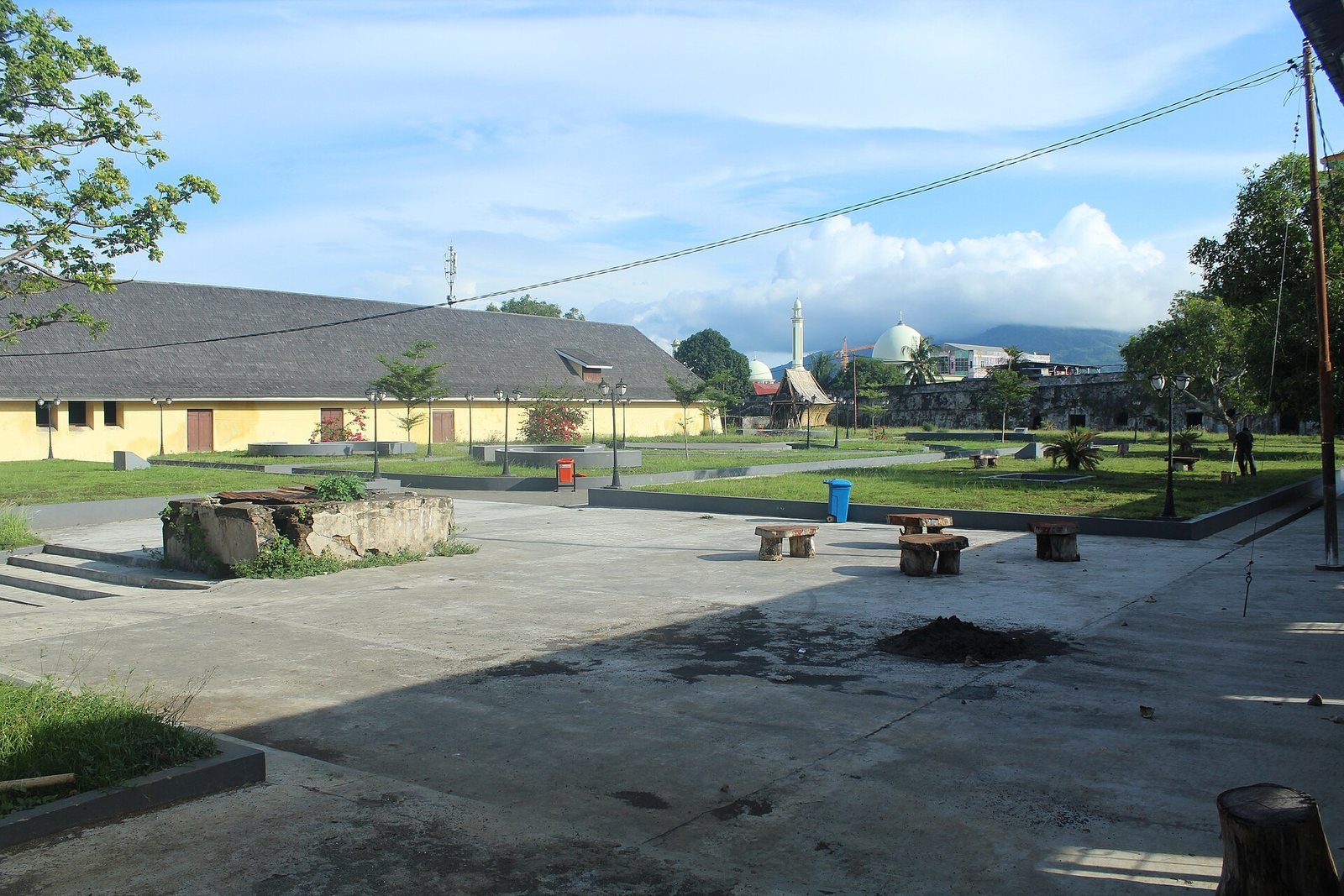
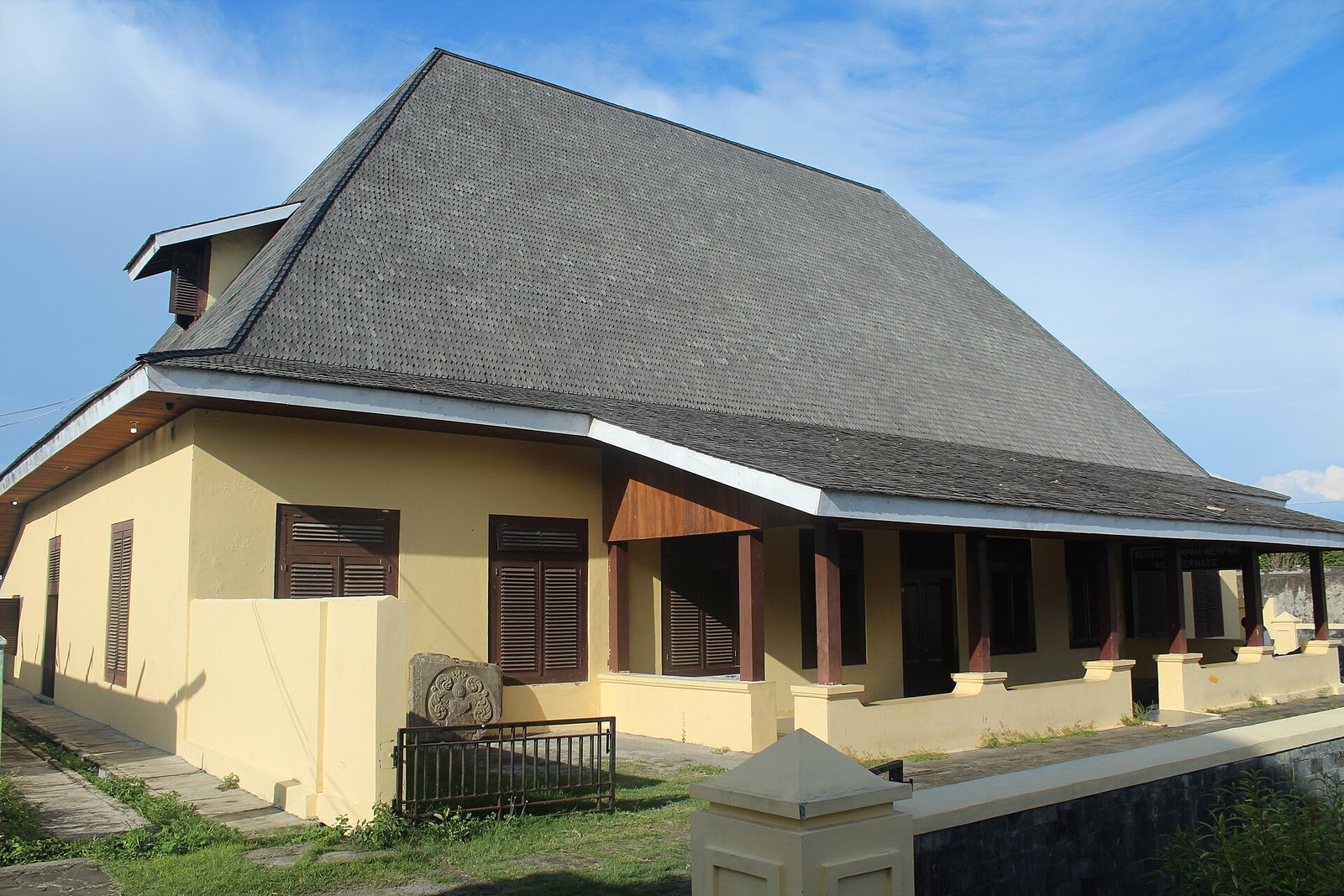
During the eighteenth century, a VOC governor based at Fort Oranje oversaw trade in North Maluku and used the fort as a residence. After the VOC ended in 1800, its possessions came under the government of Maluku. British forces captured the fort in 1810 during the Napoleonic Wars, a period of major European conflict. Dutch control returned in 1817, following the Congress of Vienna settlement that established the United Kingdom of the Netherlands; Arnold Buyskes led the Dutch garrison. Parts of the complex later served military and police uses. The fort now functions as a monument.
Remains
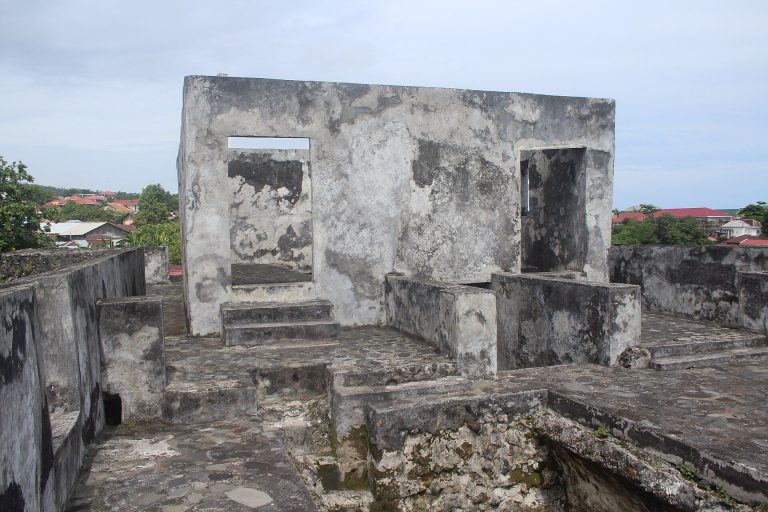
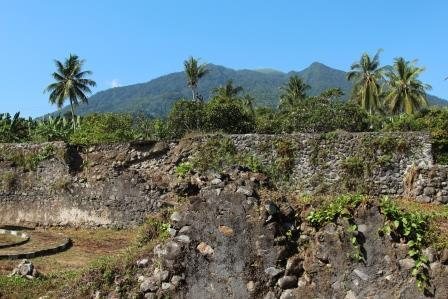
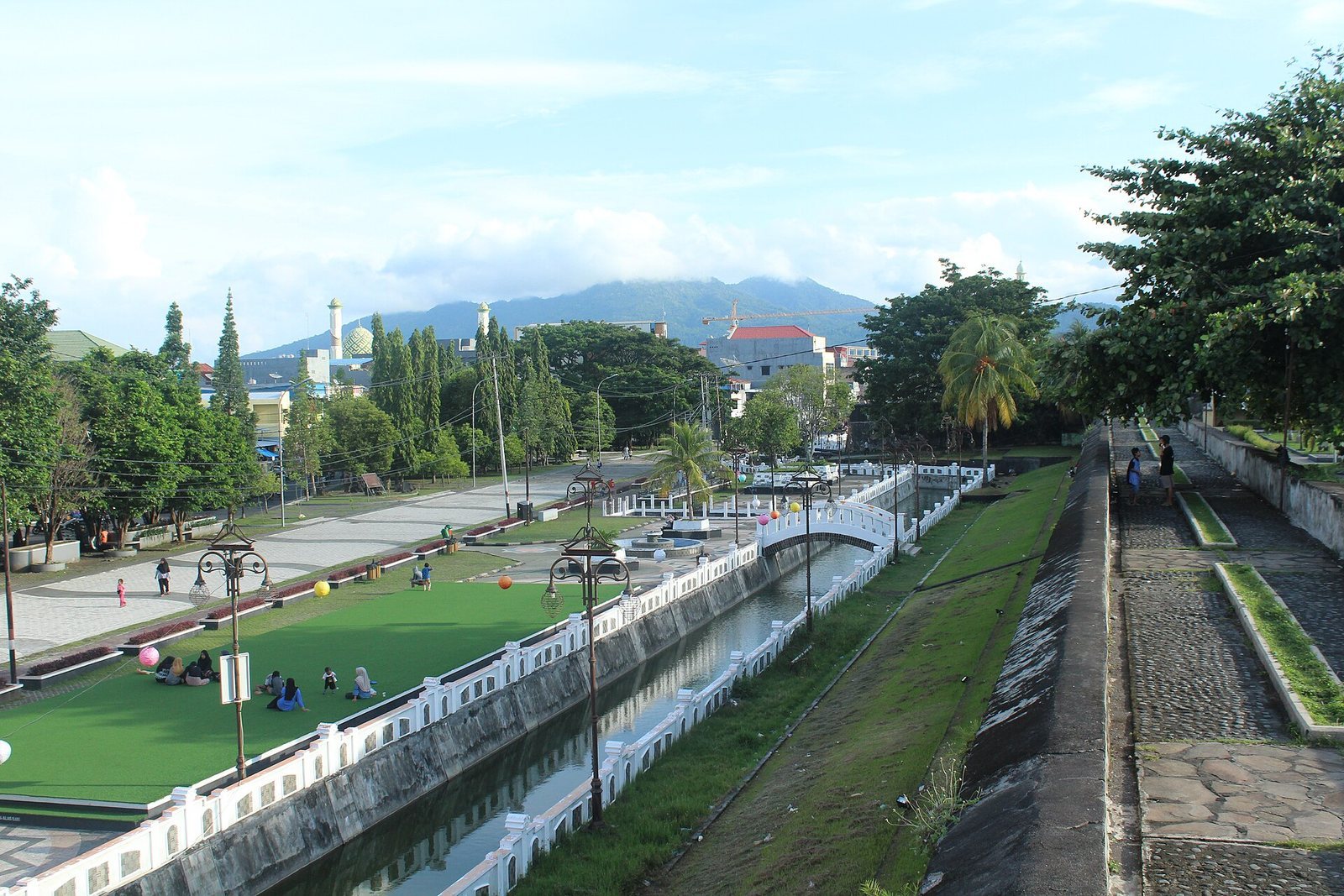
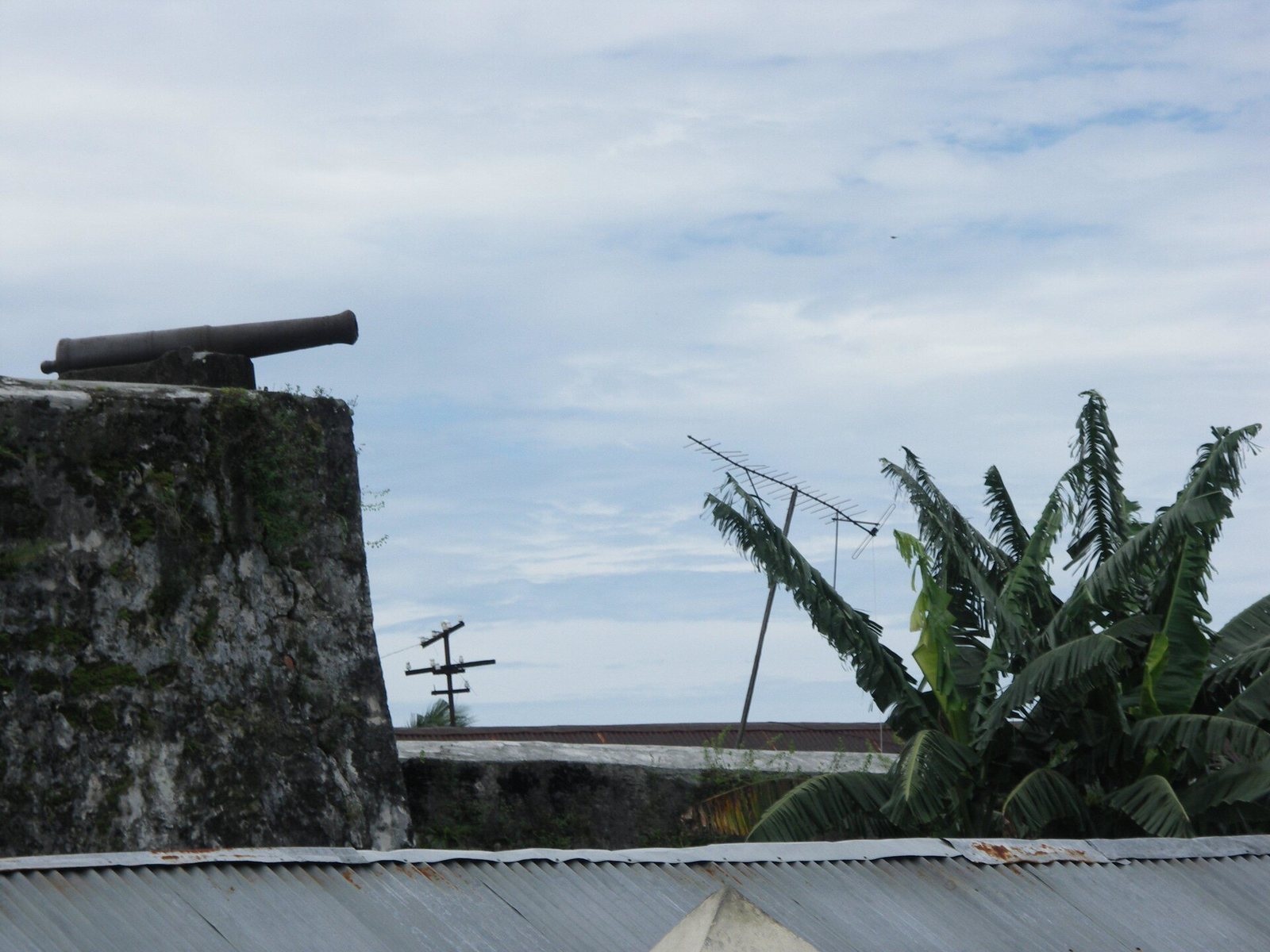
Fort Oranje has a roughly rectangular plan, with thick stone walls and four bastions, projecting defensive works at the corners. A deep moat surrounds the fort, and numerous cannons are part of its defenses. It is the largest fort on Ternate.
Frequent earthquakes have affected the area, but most of the walls remain standing. Part of the southern wall collapsed in 2018 and was later repaired. Major cleaning and refurbishment work was completed in 2019.