Fort of Greta: A Coastal Defense of Horta
Site at a Glance
- Popularity
- Very Low
- Country
- Portugal
- Primary era
- Early Modern
- Eras represented
- Early Modern, Modern
- Civilizations
- Portuguese
- Site type
- Military
- Remains
- Fort
On this page7 sections
History
Construction and coastal defense
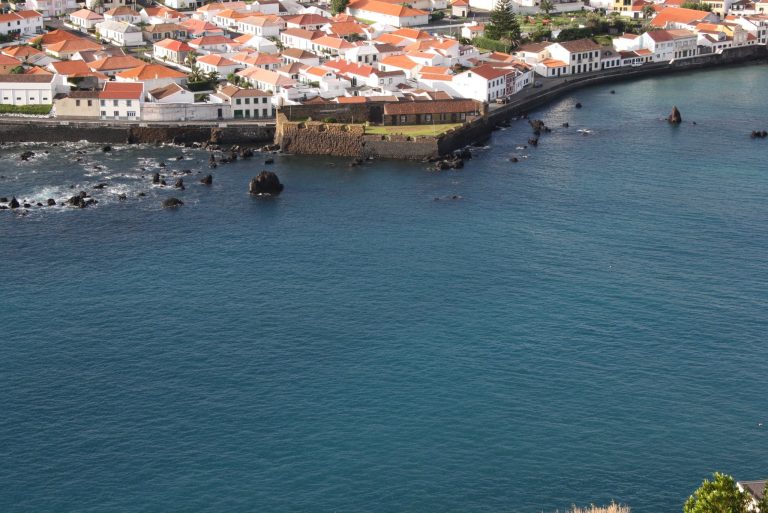
The Fort of Greta is a Portuguese coastal fort on the eastern flank of Monte da Guia in Horta, on Faial Island in the Azores. Construction began in 1666 to strengthen the town’s coastal defenses. The fort is also known as the Castle of Greta and the Fort of Our Lady of the Guide, a Catholic title for the Virgin Mary.
Its defenses were intended to counter pirates, privateers (privately owned ships authorized by a government to attack enemy shipping), and British, French, and Spanish forces. The fort operated alongside a similar stronghold at Areia Larga on Pico, across the channel from Faial.
Twentieth-century changes and protection
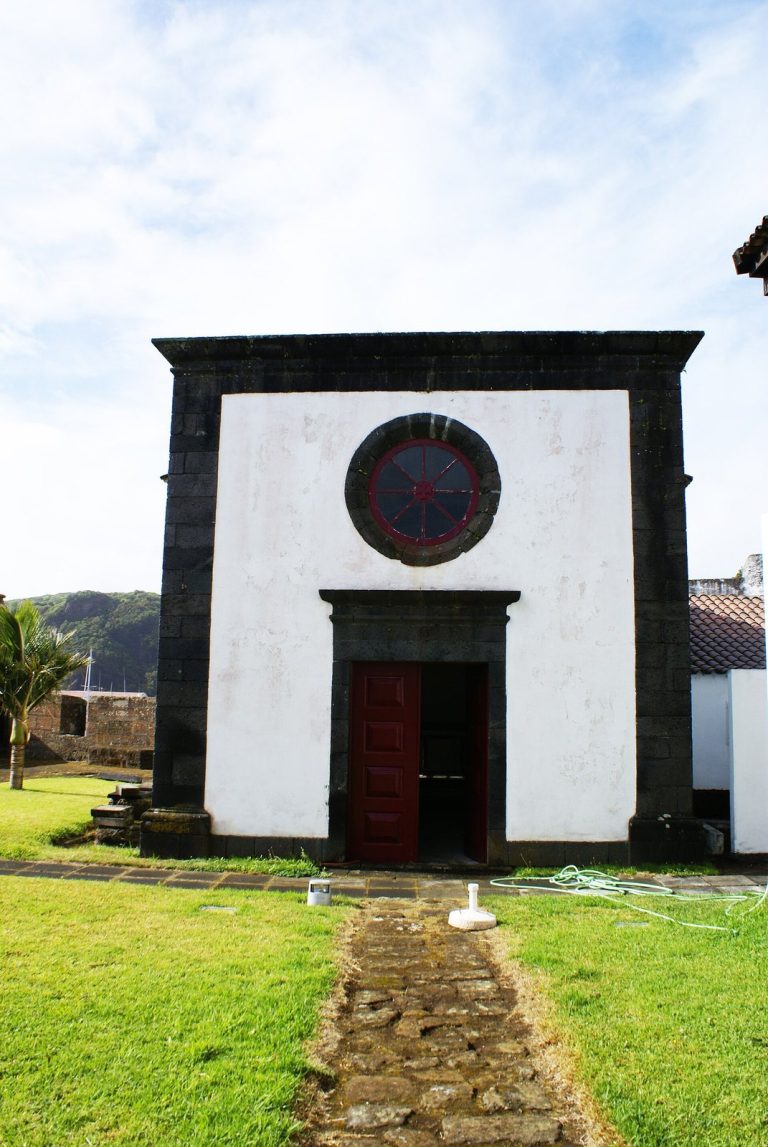
During the twentieth century, a road built on Monte da Guia led to the demolition of parts of the fort to provide access to a hermitage and communications equipment at the summit. In 1980, the fort became part of the Protected Landscape of Monte da Guia. Regional heritage measures classified it as a Property of Public Interest in 1984 and under Regional Decree 29/2004/A.
Remains
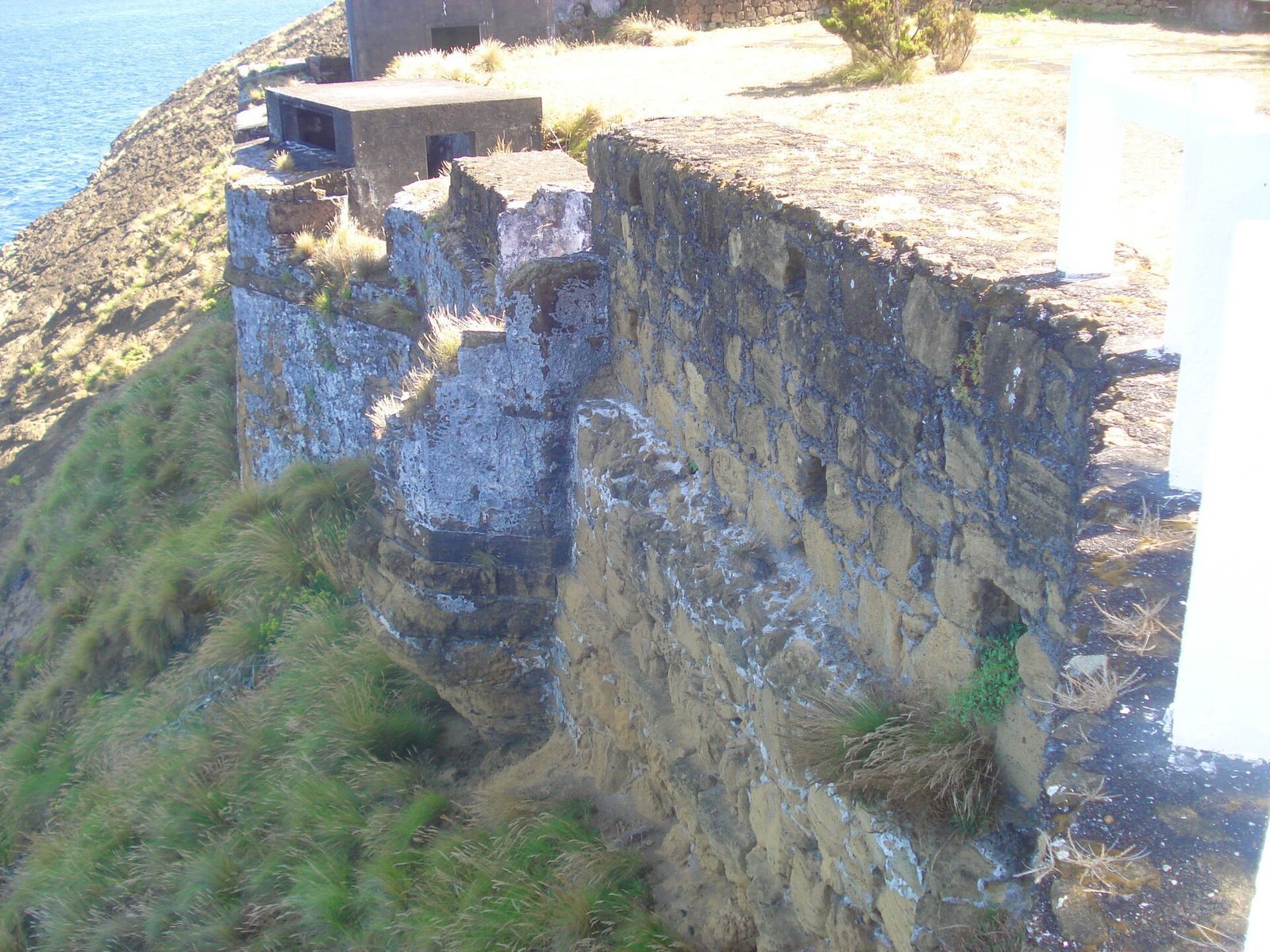
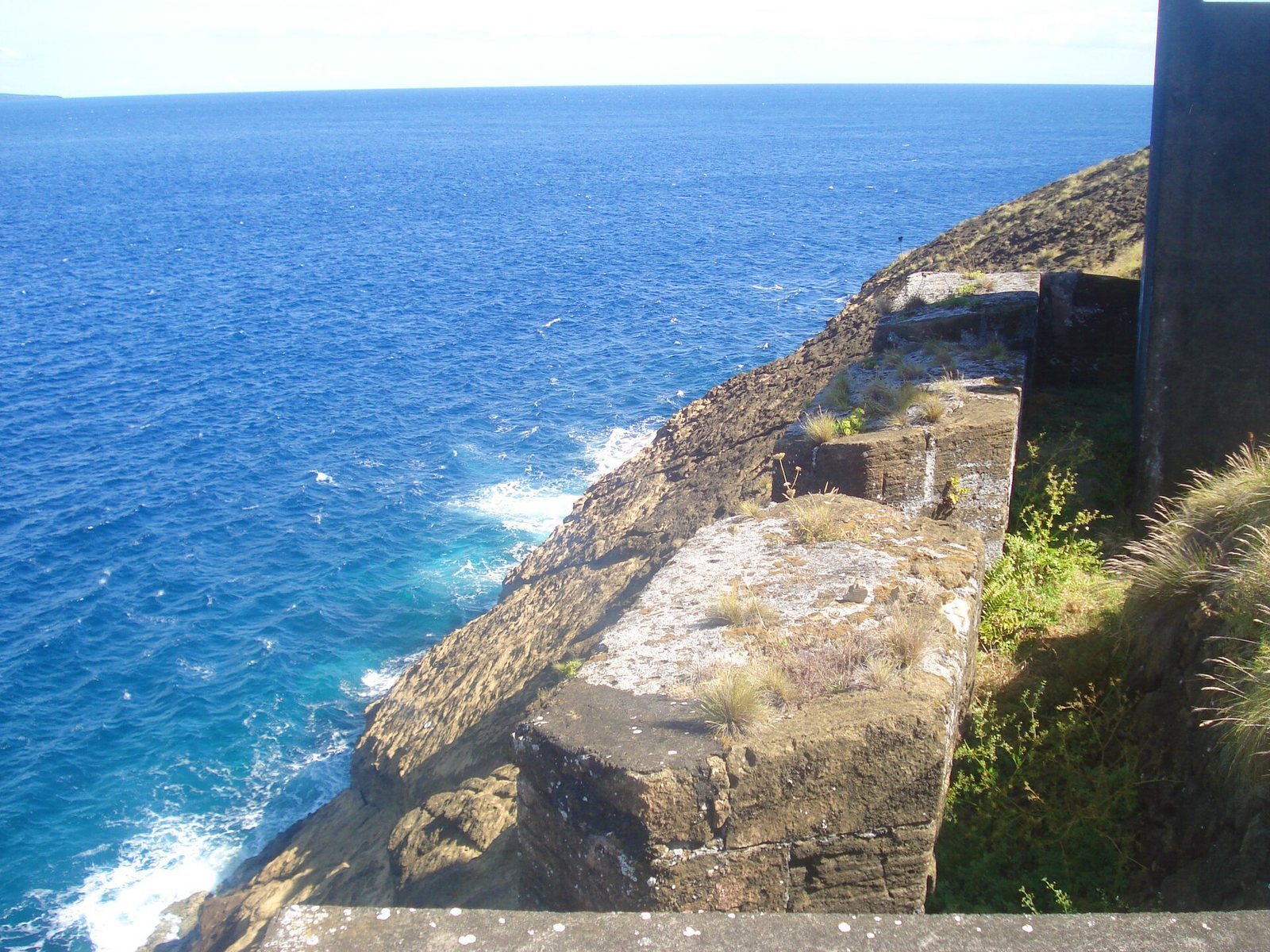
The fort stands above the Bay of Horta on a cinder cone, a volcanic hill formed from loose material ejected during eruptions. Its irregular polygonal plan was built with stone masonry and volcanic rock, including basalt and tuff.
Surviving fortification
Walls and cannon positions
A dozen cannon positions face Pico. The surviving fabric consists of original wall stone, while erosion, debris, and later reuse have obscured or absorbed much of the defensive layout.
Courtyard and later structures
Two elevated, two-stage platforms occupy the enclosed courtyard. Built in the 1950s for maritime radar lookouts, they altered the fort’s interior. Small buildings that sheltered military officers, along with other early-twentieth-century structures, also changed the original defensive plan.