Fort Negley: A Union Civil War Fortification in Nashville
Site at a Glance
- Country
- United States
- Primary era
- Modern
- Eras represented
- Modern
- Civilizations
- Unclassified
- Site type
- Military
- Remains
- Fort
On this page8 sections
History
Fort Negley is a Union fortification on St. Cloud Hill in Nashville, United States, built after Union forces occupied the city in February 1862 during the American Civil War, fought from 1861 to 1865 between the United States and the Confederacy. The star-shaped limestone fort formed part of Nashville’s defenses and was the largest inland fort built in the United States during the war.
Union defense and forced labor
After Confederate forces were defeated at Forts Henry and Donelson, they abandoned Nashville’s defenses. The Union then began preparing the city for defense, including building Fort Negley. Captain James St. Clair Morton, a Union officer and military engineer, oversaw the work and served as the fort’s architect. It was named for Union Army General James S. Negley.
The workforce included enslaved people from the area, including women; newly freed people who had come to Nashville hoping that work for the Union would secure their freedom; and free Black people compelled to labor. Records list 2,768 Black people as officially enrolled in construction, but only 310 workers received wages. An estimated 600 to 800 people died during the work.
Wartime use and postwar history
During the Battle of Nashville in December 1864, most fighting took place on heights farther south, and Fort Negley played no leading military role. It was abandoned soon after the war and fell into ruin. Federal troops occupied the area during Reconstruction, the period of political and social change after the war, until late 1867. The Ku Klux Klan, a white supremacist organization that used violence and intimidation, particularly against Black people, later used the fort as a meeting place.
Restoration and changing grounds
The Works Progress Administration, a federal agency that employed people on public projects, began a major restoration in the 1930s. The work was nearly complete when the United States entered World War II, but shortages of labor, funding, and interest prevented the fort from opening as a historic or interpretive center. After the war, vandalism and minor crime led to closure, and woodland returned around the site. The grounds later became a municipal park with youth and adult baseball and softball fields.
Fort Negley was added to the National Register of Historic Places in 1975 and is a Site of Memory in UNESCO’s Slave Route Project, which promotes understanding of slavery and its consequences. After years of preservation discussions, a restoration project reopened the fort to the public on December 10, 2004. The Cumberland Science Museum, continuing the former Nashville Children’s Museum at a new site and later known as the Adventure Science Center, was built on the hill’s northwestern slope. Greer Stadium, a minor-league ballpark on the grounds, was vacant from 2015 and demolished in 2019.
A 2017 redevelopment proposal for the Greer Stadium property included educational spaces and interpretive trails, with plans to preserve the fort and its sightlines. The proposal was criticized over the area’s Civil War and African American history, among other concerns. Developers canceled it in January 2018 after archaeologists identified unmarked burial sites on undisturbed land at the edge of the property. A master plan for restoring the site as a park and interpreting its complex history was completed in 2022.
Remains
Fort layout and construction
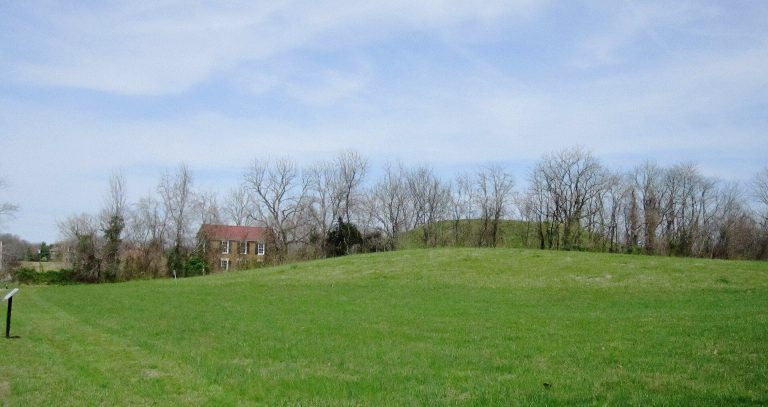
Fort Negley occupies St. Cloud Hill, about two miles south of central Nashville. Its star-shaped plan was built from limestone blocks, with earth also used in the fortification. The fort covered 180,000 square feet; construction used 62,500 cubic feet of stone and 18,000 cubic feet of earth. After the fort was abandoned, its outline remained discernible as woodland encroached.
Restoration and surrounding setting
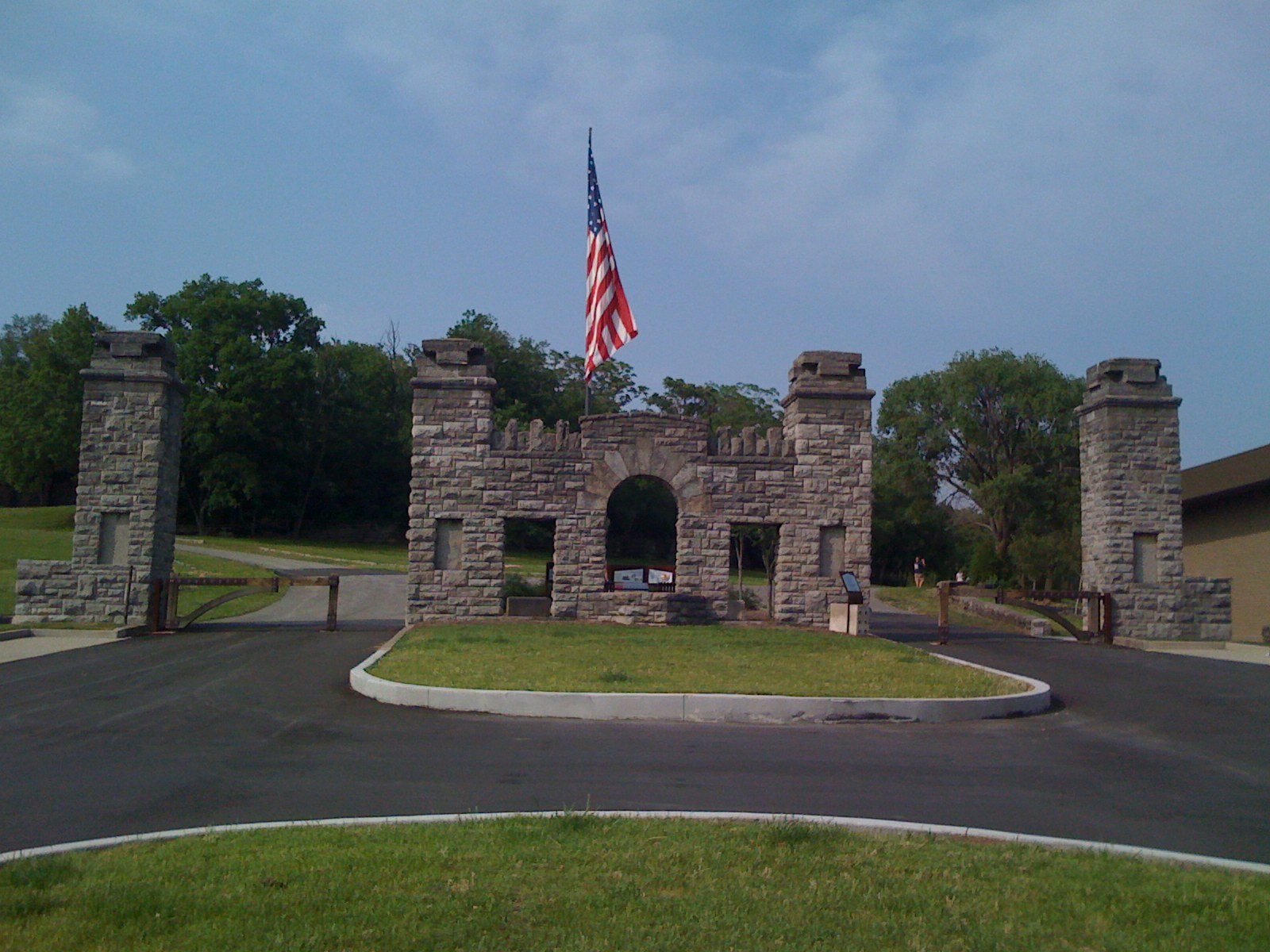
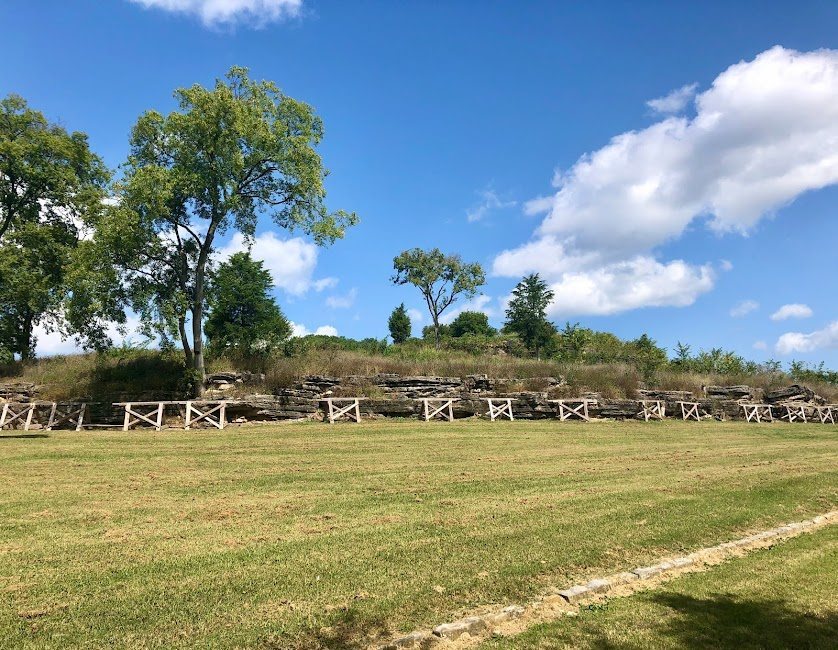
The surviving site combines original fortification fabric with remains of the Works Progress Administration restoration. Work in the 2000s removed many of the largest trees and returned some blocks to their original positions. The project stabilized the ruins and improved their visibility and accessibility rather than rebuilding the fort to its full Civil War condition. The Adventure Science Center was built on the northwestern slope, opposite the side of the hill where Greer Stadium stood.
Burial sites
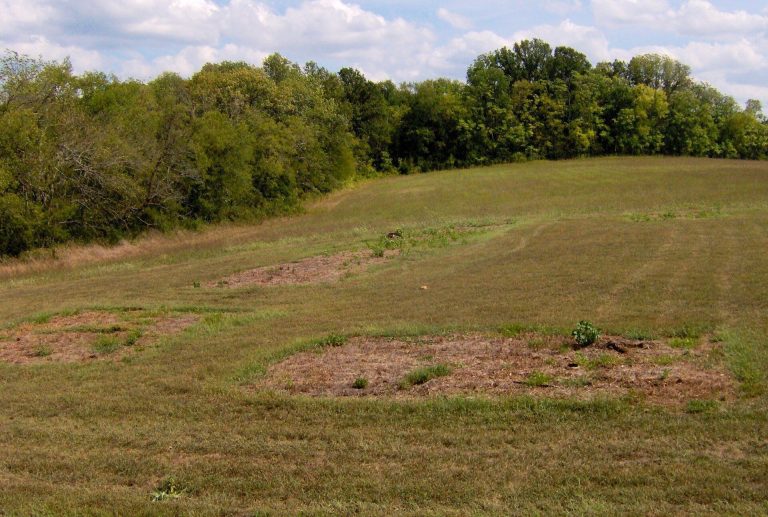
Unmarked graves lie on undisturbed land at the edge of the former Greer Stadium property, outside the stadium itself. They are the graves of enslaved people forced to build Fort Negley.