Fort Gadsden: A Florida Fort and Refuge from Slavery
Site at a Glance
- Country
- United States
- Primary era
- Modern
- Eras represented
- Modern
- Civilizations
- British, Spanish
- Site type
- Military
- Remains
- Fort
On this page5 sections
History
Fort Gadsden is a historic military site in Franklin County, Florida, United States, comprising the ruins of an earlier British post at Prospect Bluff and a U.S. fort built nearby in 1818. Its history links British efforts to recruit Seminole allies during the War of 1812 with a settlement of escaped enslaved people and later U.S. military activity in the region.
The British Post at Prospect Bluff
During the War of 1812, a conflict between Britain and the United States, Britain sought Seminole support against the United States. In August 1814, more than 100 British officers and men arrived in Spanish Florida under Royal Marines Lieutenant Colonel Edward Nicolls. The Seminoles are an Indigenous people of the southeastern United States. Nicolls reported recruiting many allies, but his efforts led to little fighting. The Treaty of Ghent ended the war and, within months, Nicolls’s mission.
Before British forces left the region, Nicolls built and armed a post at Prospect Bluff. It served as a British base, a recruiting center for the Colonial Marines, a British military corps that enlisted escaped enslaved people during the war, and a gathering place intended to encourage Seminole attacks on the United States. The fort later became known by several names, including Fort Prospect Bluff, the British Post, Negro Fort, African Fort, Fort Apalachicola, and Fort Nichol.
When the British withdrew from Florida in spring 1815, they left the post in the care of about 300 escaped enslaved people, including former Colonial Marines, and roughly 30 Seminole and Choctaw people. Nicolls had told Indigenous people that the peace treaty guaranteed the return of lands lost during the war, including Creek lands in Georgia and Alabama. The settlement drew about 800 additional escaped enslaved people to the surrounding area.
Led by Garson and a Choctaw leader, residents raided across the Georgia border and freed enslaved people. U.S. authorities regarded the post as a threat to slavery in the South and to enslavers’ security, both because it lay near U.S. territory and because it offered refuge from slavery.
The Destruction of the Fort
In early 1816, the United States built Fort Scott in Georgia to guard the border with Spanish Florida. Overland supply was difficult, so General Andrew Jackson favored sending provisions by boat along the Apalachicola River through Spanish territory. The route also offered a possible pretext for attacking the post. On July 17, a group of U.S. vessels attempting to pass it came under attack, and four Americans were killed.
Ten days later, Jackson ordered Brigadier General Edmund P. Gaines to destroy the fort. Creek people from Coweta, a Creek community and Indigenous nation of the southeastern United States, joined the expedition after being promised the fort’s remains. On July 27, U.S. forces and their Creek allies attacked under Lieutenant Colonel Duncan Clinch, supported by a naval convoy commanded by Jarius Loomis. A heated cannonball entered the gunpowder store and destroyed the fort. About 300 people were inside, and approximately 30 survived. Creek forces captured Garson and the Choctaw leader, and both were killed; other survivors were returned to slavery.
The Creek salvaged 2,500 muskets, 50 carbines, 400 pistols, and 500 swords from the ruins. The weapons strengthened their power in the region and heightened tensions with Seminole communities, which had lost allies in the attack. Anger over the destruction contributed to the outbreak of the First Seminole War the following year, an early nineteenth-century conflict between the United States and Seminole communities in Florida. Spain protested the violation of its territory but lacked the force to respond further.
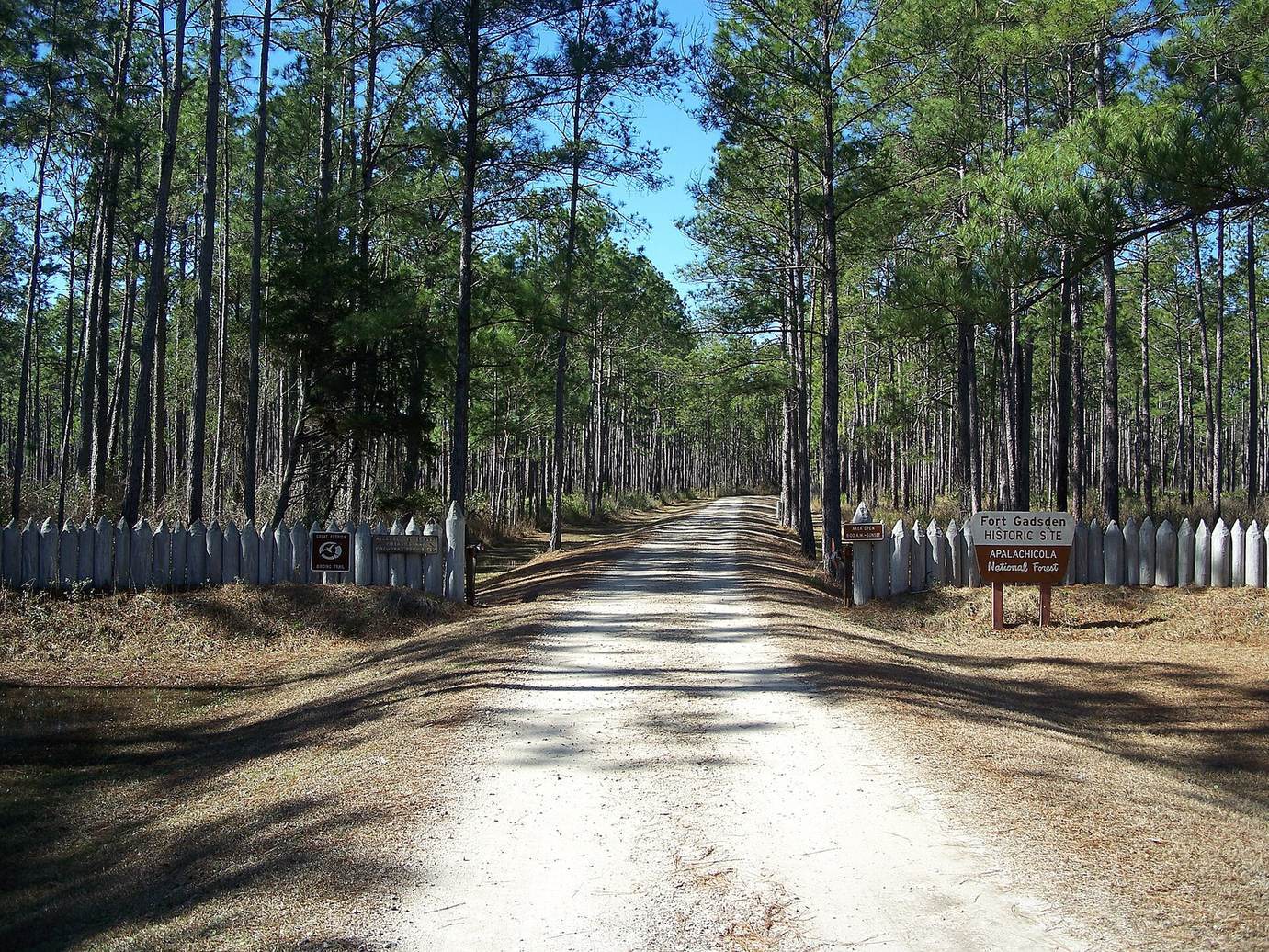
Fort Gadsden
During the First Seminole War, in 1818, Andrew Jackson ordered Lieutenant James Gadsden to build a new fort at a nearby location. It took the name Fort Gadsden. Confederate troops later occupied the fort during the Civil War, leaving in July 1863 after a malaria outbreak.
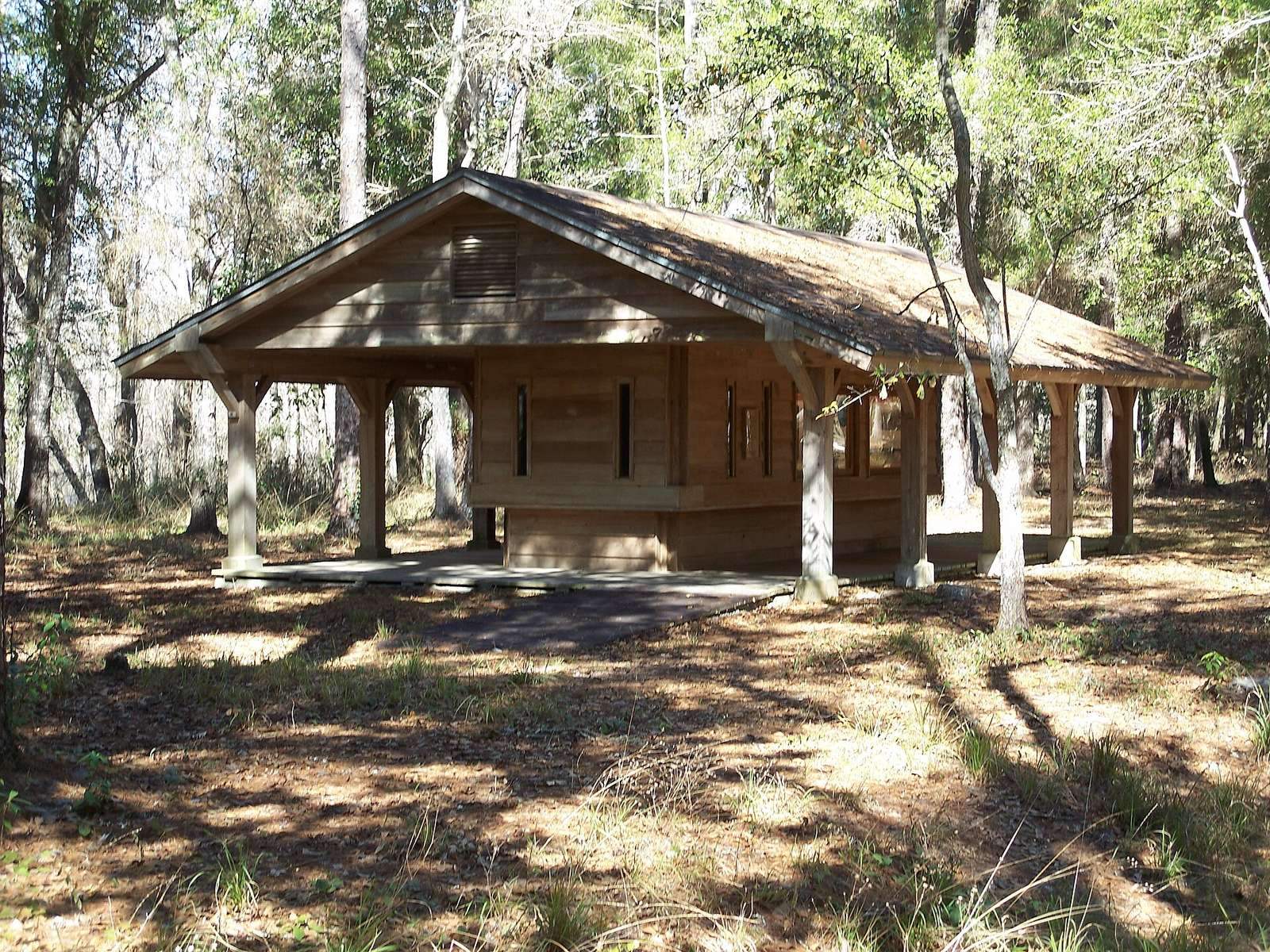
The site is administered by the U.S. Forest Service. It is listed on the National Register of Historic Places, the federal register of historically significant places, and has held National Historic Landmark status, recognizing places of national importance, since 1972.
Remains
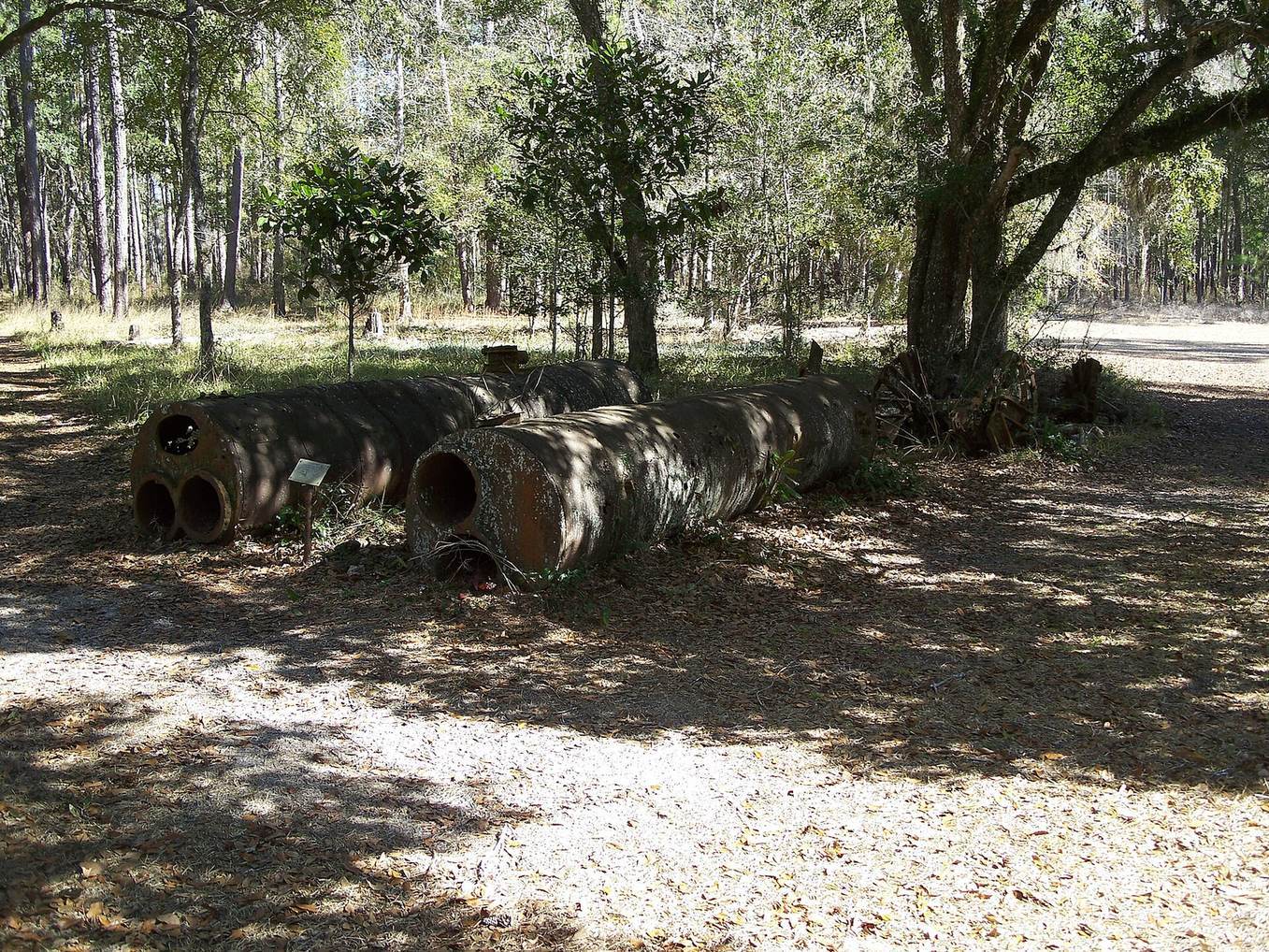
The site contains the ruins of two fort locations along the Apalachicola River in Franklin County. The earlier fort stood at Prospect Bluff, about 15 miles upriver from the river’s mouth and roughly 60 miles below U.S. territory. Fort Gadsden was built nearby. The site lies about six miles southwest of Sumatra.