Fort Emmanuel: A Portuguese Stronghold at Kochi
Site at a Glance
- Popularity
- High
- Country
- India
- Primary era
- Early Modern
- Eras represented
- Early Modern
- Civilizations
- Portuguese
- Site type
- Military
- Remains
- Fort
On this page7 sections
History
Foundation and Portuguese rule
Fort Emmanuel was a Portuguese stronghold on the Arabian Sea waterfront at Kochi, India. Construction began in September 1503 after Kochi’s ruler authorized Portuguese admiral Afonso de Albuquerque to build a fort in return for help against the Zamorin, the ruler of Kozhikode, also known historically as Calicut. Work started on 26 September. The fort was intended to protect Kochi and represented the alliance between Portugal and the Kingdom of Cochin, a princely state centered on Kochi. It was the first Portuguese fort in Asia and the first European fort built there.
The fort was named for Manuel I of Portugal, who was also identified as its first owner, though the timing and sequence of its early naming are uncertain. In 1505, Francisco de Almeida, the first Portuguese viceroy of India, added stone to strengthen its wooden defenses. Albuquerque received permission in 1506 to replace the wooden structures with stone, and the fortifications were reinforced again in 1538.
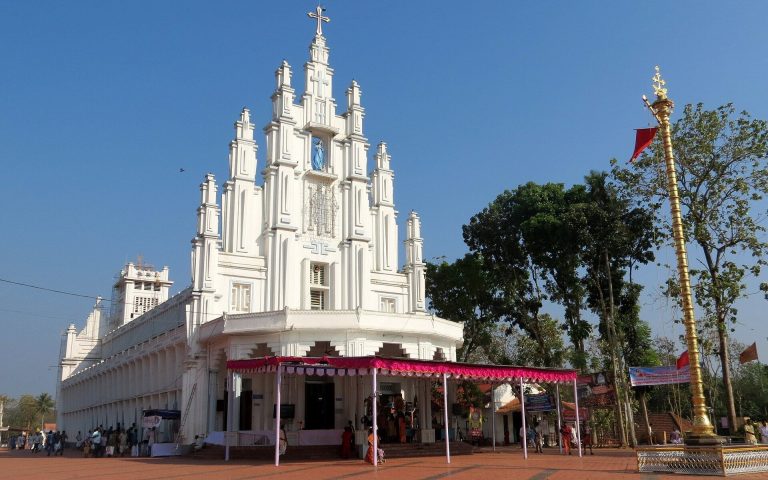
With the ruler’s permission, the Portuguese also established a church, probably the first Roman Catholic church in Asia. Initially called São Bartolomeu, it was rebuilt in stone and rededicated several times. It is now known as St Francis Church of Kochi.
Dutch and British control
Portuguese rule at Fort Kochi ended in 1663, when the Dutch captured the territory and dismantled Portuguese institutions. The Dutch held the fort until 1795, when the British took it after defeating them. By 1806, most of its walls and bastions had been destroyed under Dutch and British control. The fort’s name survives in the locality’s name, Fort Kochi.
Remains
The fort stood on a water-bounded peninsula southwest of the Kochi mainland, beside the Arabian Sea. The Portuguese called the area Santa Cruz or Cochim-de-Baixo, meaning “Lower Kochi”; today it is Fort Kochi. The fort was northwest of the older settlement known as Cochim-de-Cima, or “Upper Kochi,” now Mattancherry. Its stated elevation is 26.35 metres above sea level.
Fortifications and associated buildings
Plan and construction
Fort Emmanuel had a square plan, with artillery-equipped bastions at its corners and a water-filled ditch around the perimeter. Its walls were formed from two rows of coconut-tree stems fastened together, with compacted earth packed between them. The Portuguese settlement behind the fort included St Francis Church of Kochi. The church’s earlier building stood inside the fort before the stone rebuilding.
Surviving defenses
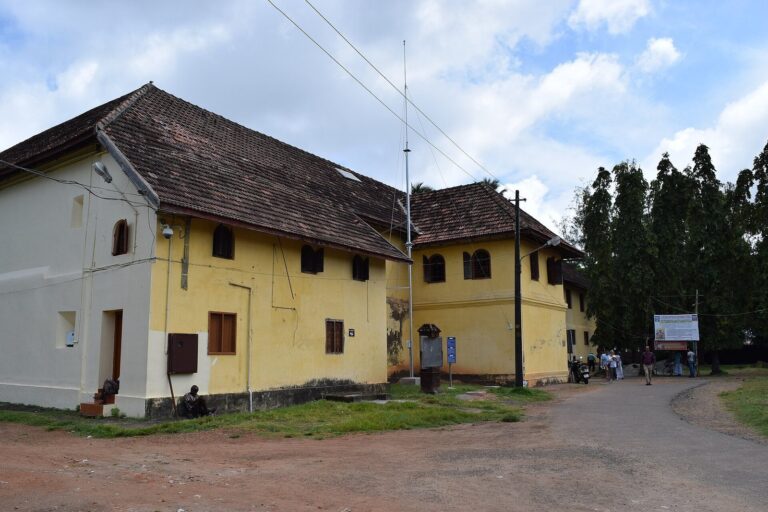
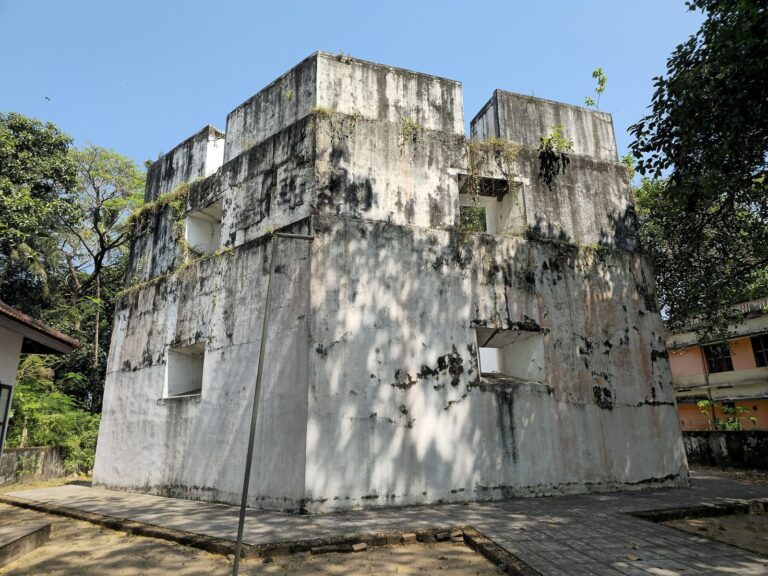
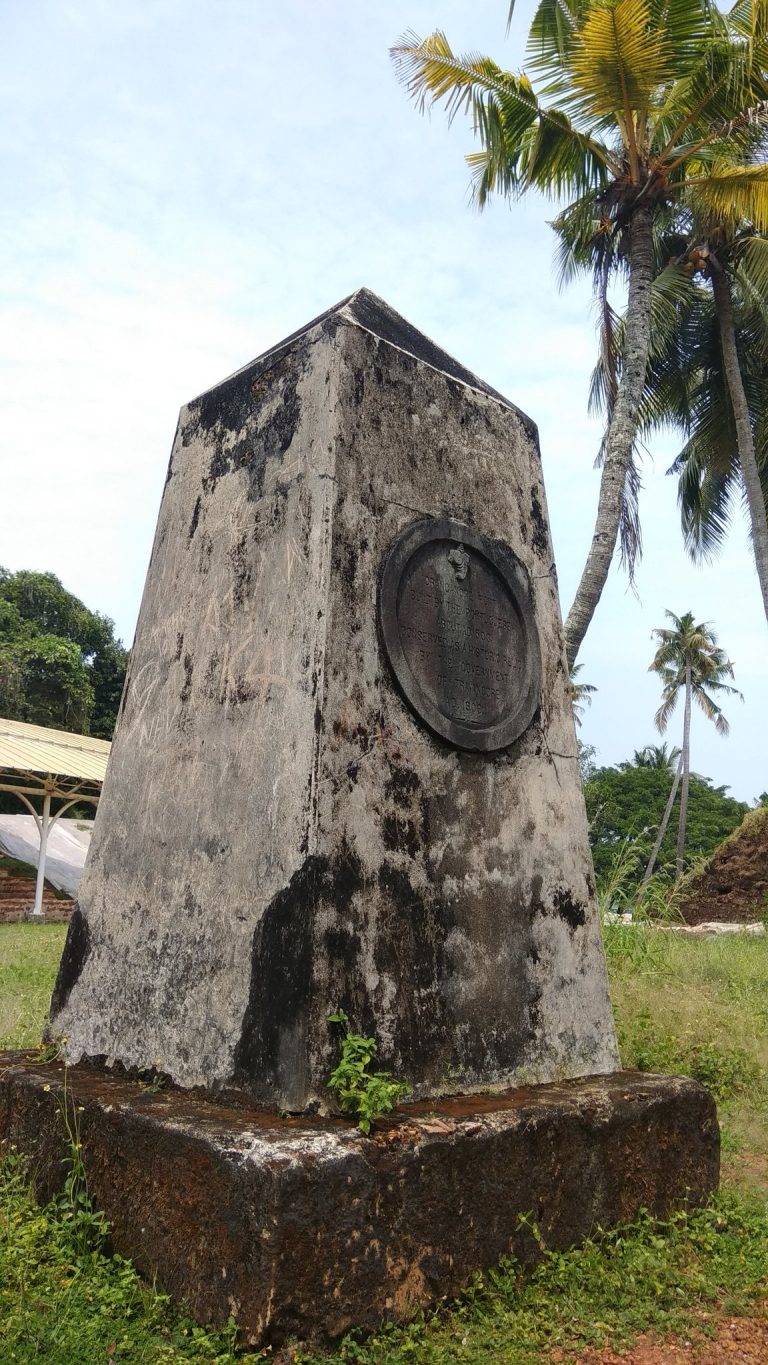
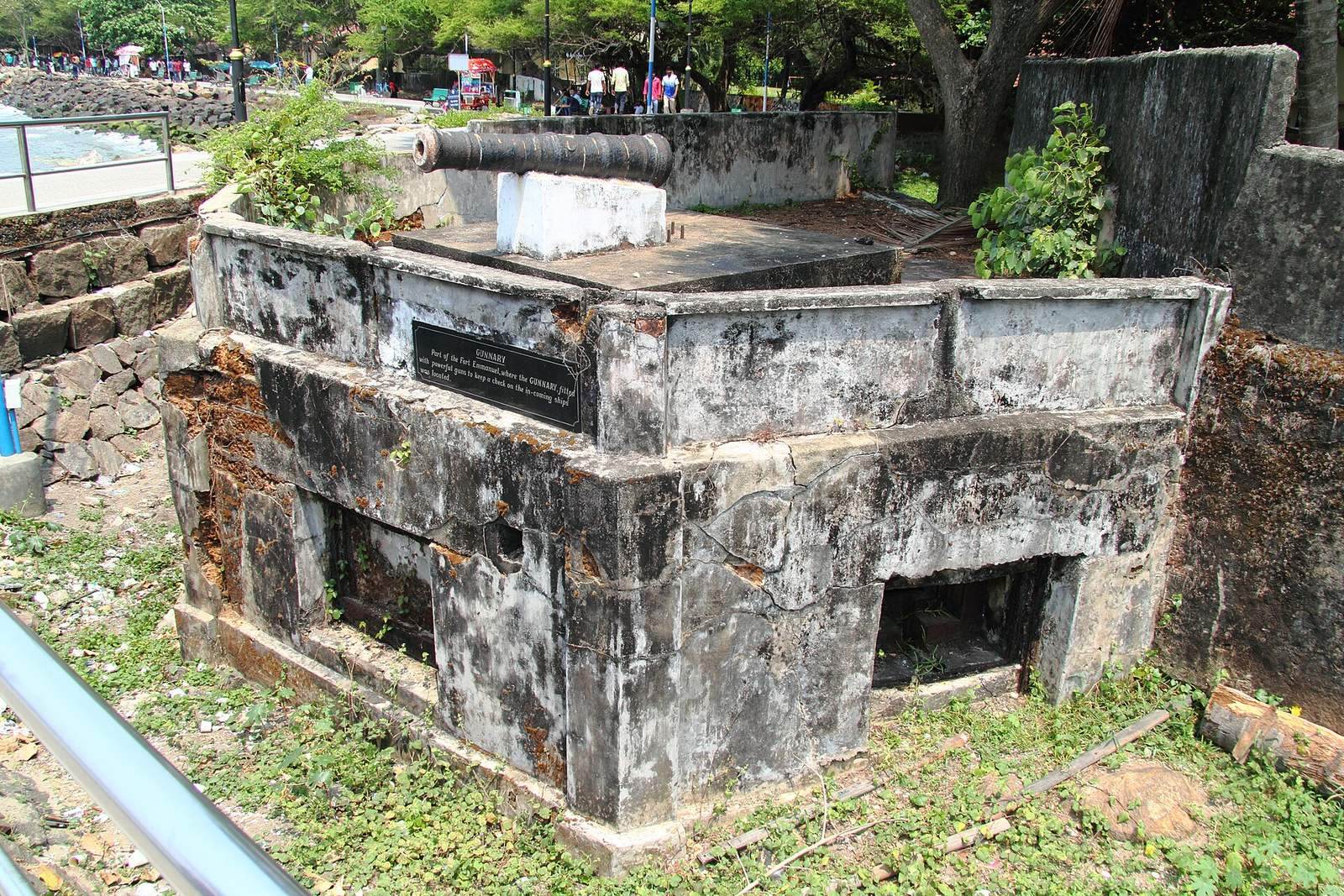
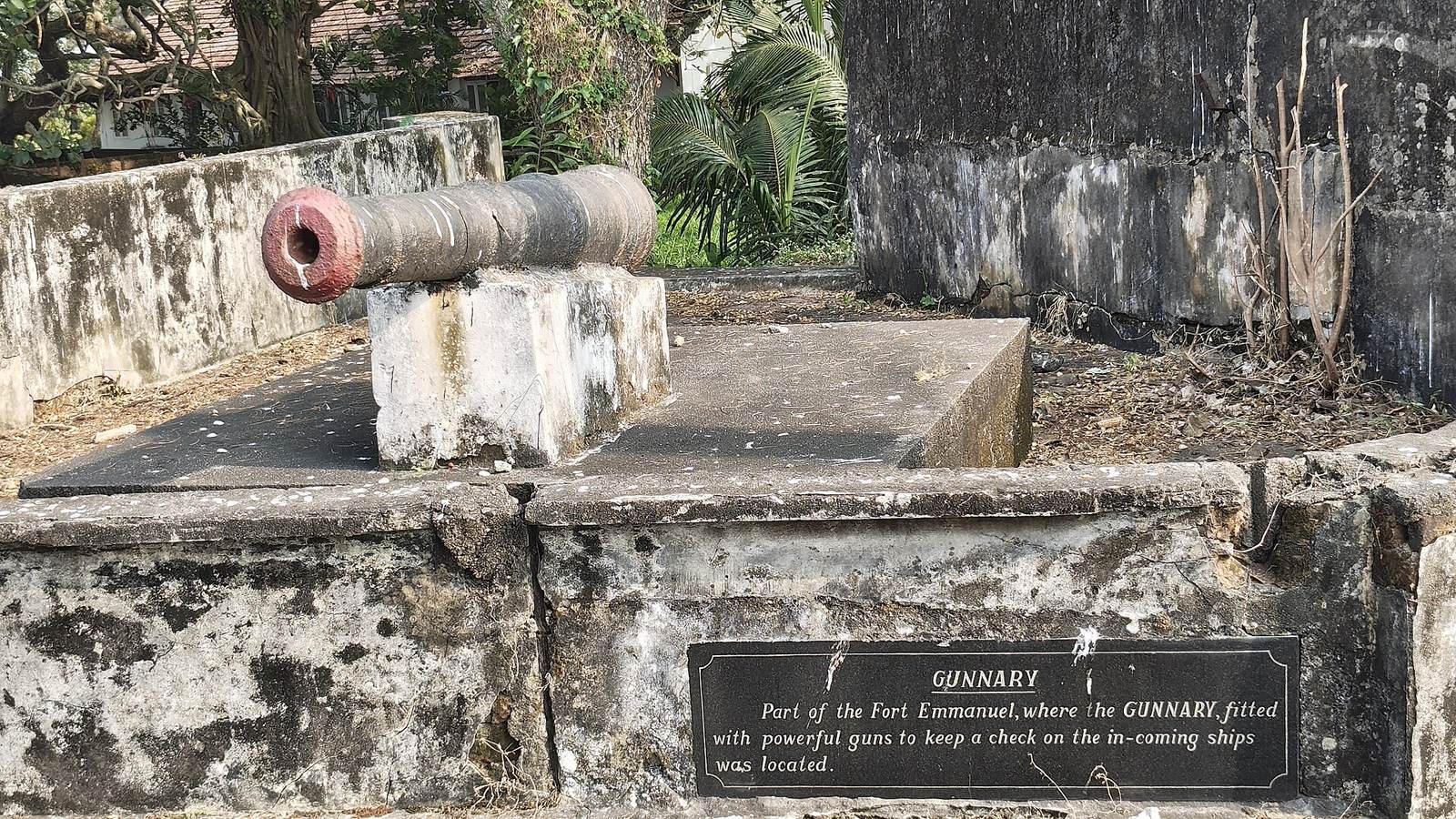
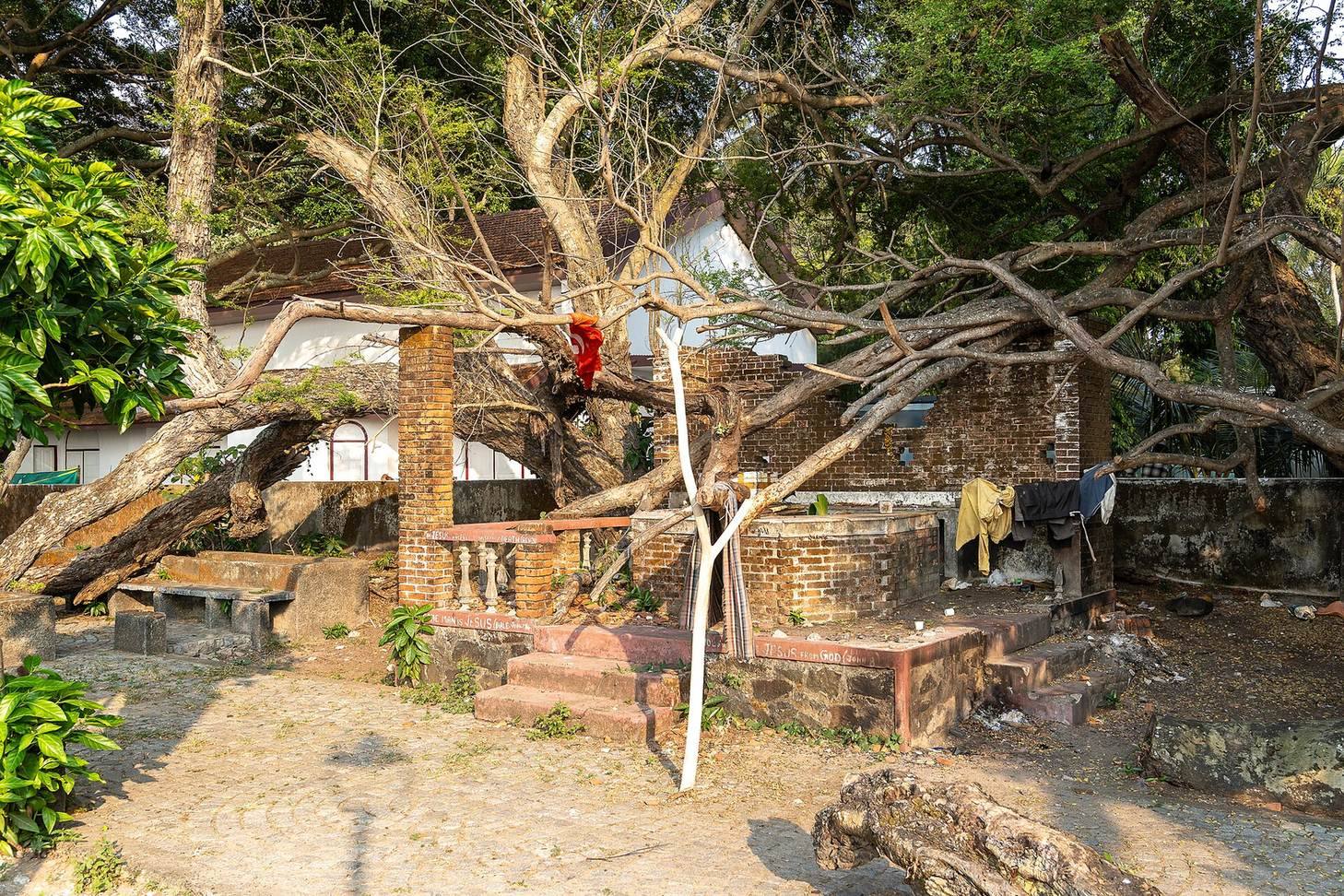
The fort is now in ruins. A partly restored gun battery and remnants of ramparts and other fortifications survive in Old Kochi and along Fort Kochi Beach.