Fort Berkeley: A Coastal Artillery Fort in Antigua and Barbuda
Site at a Glance
- Country
- Antigua and Barbuda
- Primary era
- Early Modern
- Eras represented
- Early Modern, Modern
- Civilizations
- British, English
- Site type
- Military
- Remains
- Fort
On this page12 sections
History
Foundation and expansion
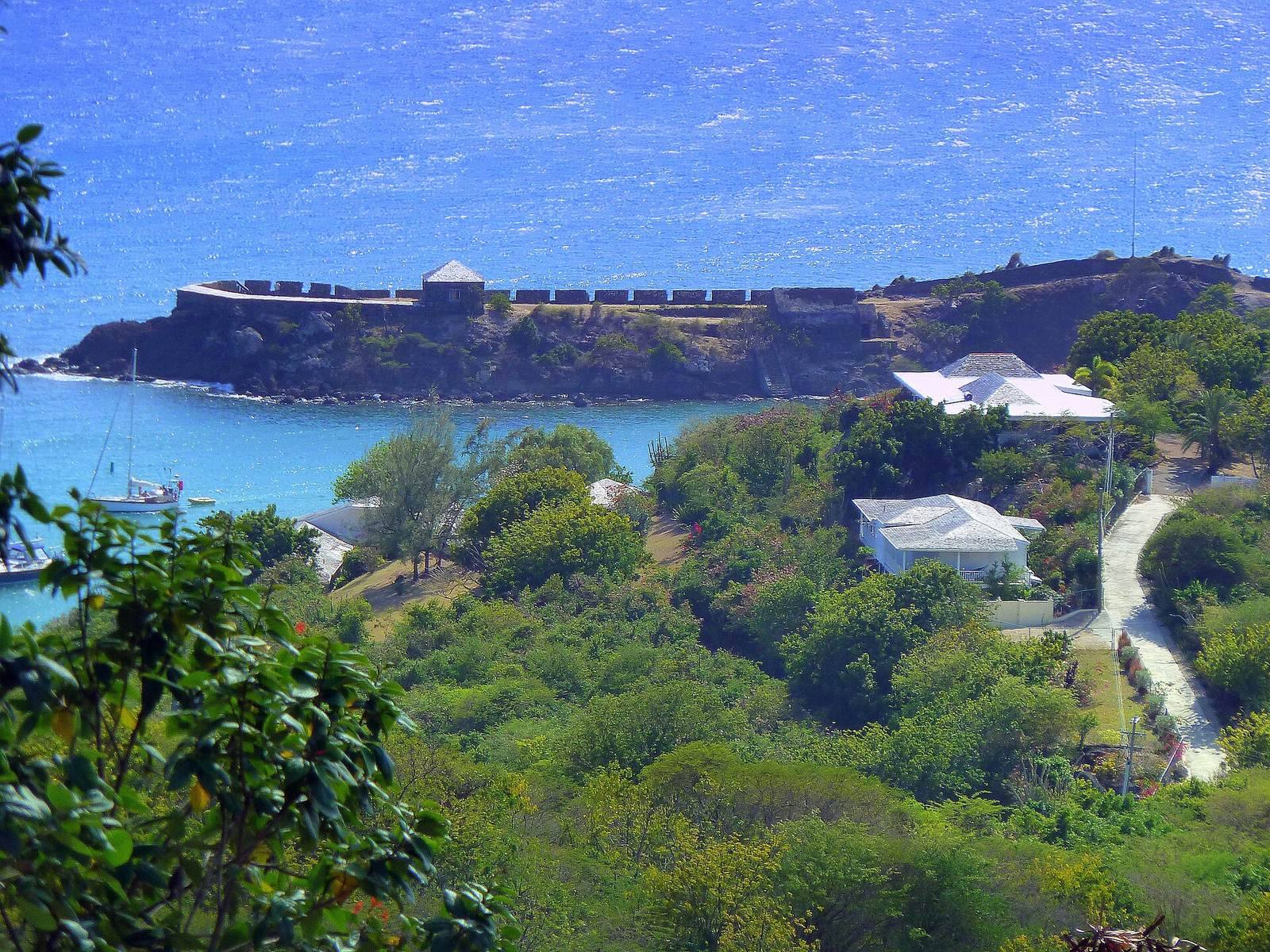
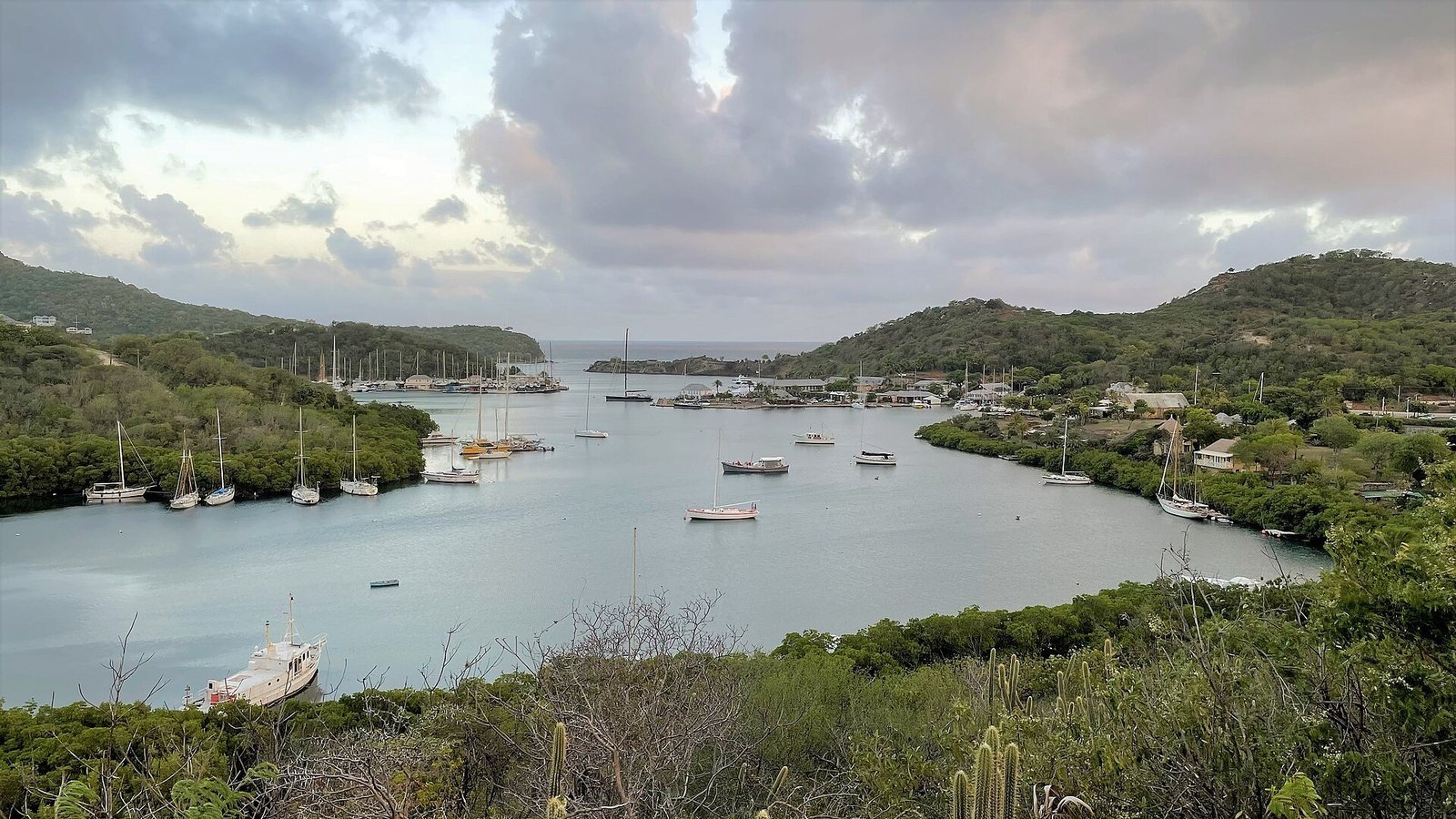
Fort Berkeley is a coastal fort on the peninsula at the entrance to English Harbour on Antigua, in Antigua and Barbuda. The Antiguan government built it in 1704. Government employees staffed the fort rather than soldiers, and it remained in use into the 1820s.
In 1745, as English Harbour’s naval dockyard developed, the fort was enlarged with a battery, a position for artillery guns. The Antiguan government built its first half, and the Royal Navy built the second under Commodore Charles Knowles, a senior naval officer. After the government declined to continue funding the work, Knowles said he had commissioned its completion. The British government criticized him and removed him from his post, holding that the Antiguan government was responsible for finishing the battery.
Naval use and damage
The Antiguan government transferred Fort Berkeley to the British Navy in 1783. It may also have served as a quarantine station. An earthquake in 1843 destroyed most of the fort’s original wall.
Preservation and heritage
Fort Berkeley became part of Nelson’s Dockyard National Park in 1984. In 2016 it was included in the UNESCO World Heritage property The Antigua Naval Dockyard and Related Archaeological Sites. UNESCO, the United Nations Educational, Scientific and Cultural Organization, uses World Heritage status to recognize places of exceptional cultural or natural importance. The property encompasses the English Harbour dockyard and surrounding military archaeological sites.
Wave erosion along the peninsula has led the national park to maintain the fort’s walls, helping preserve them and deflect storm surges. The Antigua National Parks Authority has discussed further measures to stabilize the ruins and protect the peninsula and harbour.
Remains
Layout
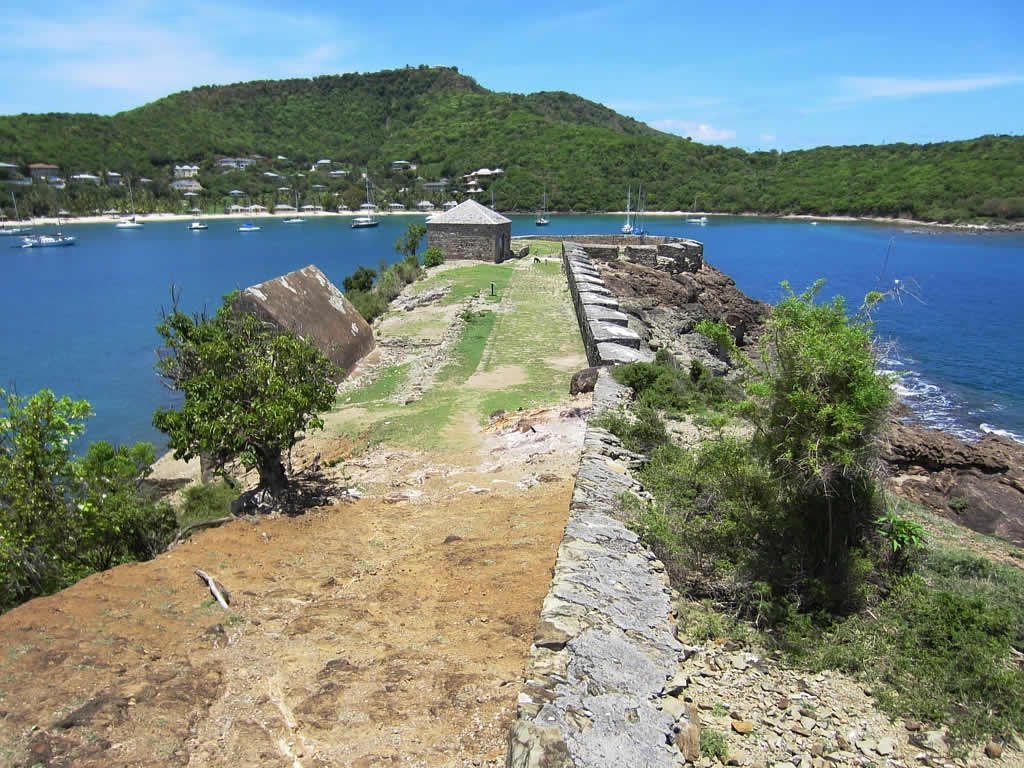
The ruins occupy a narrow strip of peninsula at English Harbour’s entrance. The original fort was an enclosed structure with a gate and guardhouse. Its later expansion formed two halves with different architectural and tactical styles.
Harbour defenses
Artillery positions
After the expansion, the fort had 29 guns: 19 mounted cannons and a separate battery of 10 guns belonging to the Navy.
Harbour chain
An iron chain stretched across the harbour entrance from Fort Charlotte. It could be raised to prevent vessels from entering.
Surviving structures
Powder magazine and guardhouse
The surviving remains include the guardhouse and a powder magazine, an ammunition store, added in 1807.
Walls and cannon
Crenellated walls, with alternating raised sections and openings along their tops, also survive. A cannon dated 1805 remains in its original position. The fort is in ruins and has been partially restored.