Dharmrajeshwar: A Rock-Cut Cave-Temple Complex in Madhya Pradesh
Site at a Glance
- Rating
- 4.6
- Popularity
- High
- Country
- India
- Primary era
- Classical
- Eras represented
- Classical, Medieval
- Civilizations
- Gupta
- Site type
- Religious
- Remains
- Temple
On this page6 sections
History
Dharmrajeshwar is a cave-temple complex in Shamgarh tehsil, an administrative subdivision of Mandsaur district, Madhya Pradesh, India. Dating to the 4th–5th centuries, it is associated with Hindu, Buddhist, and Jain traditions; Jainism is an Indian religion that emphasizes nonviolence and spiritual liberation.
Hindu Shrine and Later Use
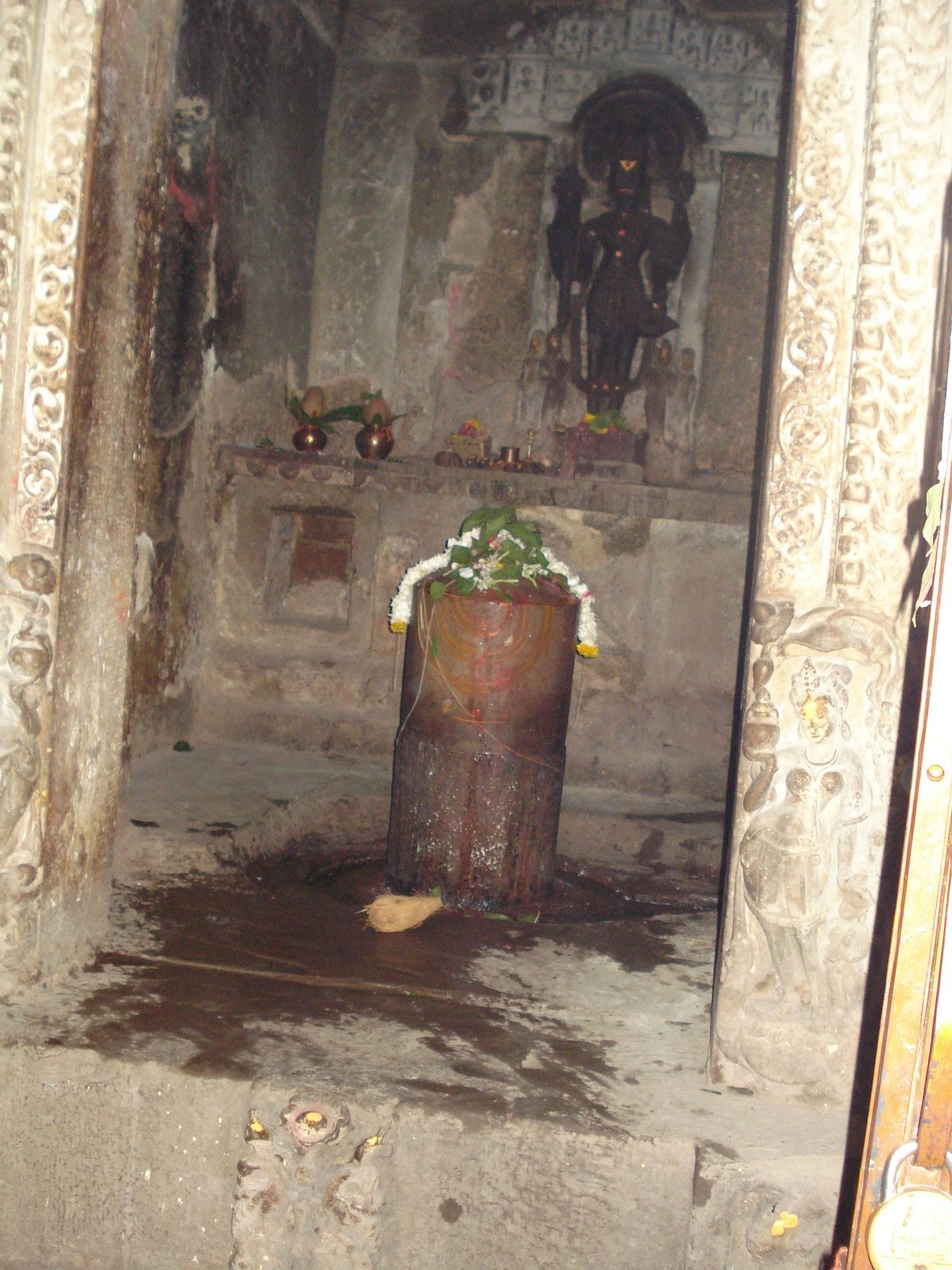
The principal shrine was first dedicated to Vishnu, a Hindu deity associated with preservation, and was later remodelled as a temple to Shiva, a deity associated with destruction and renewal. Its later form retained imagery linked to both deities. Mahashivaratri, a Hindu festival devoted to Shiva, is the complex’s principal festival.
Buddhist Additions
A further religious phase came in the 7th century, when Buddhists carved places of worship into the rock at the site.
Remains
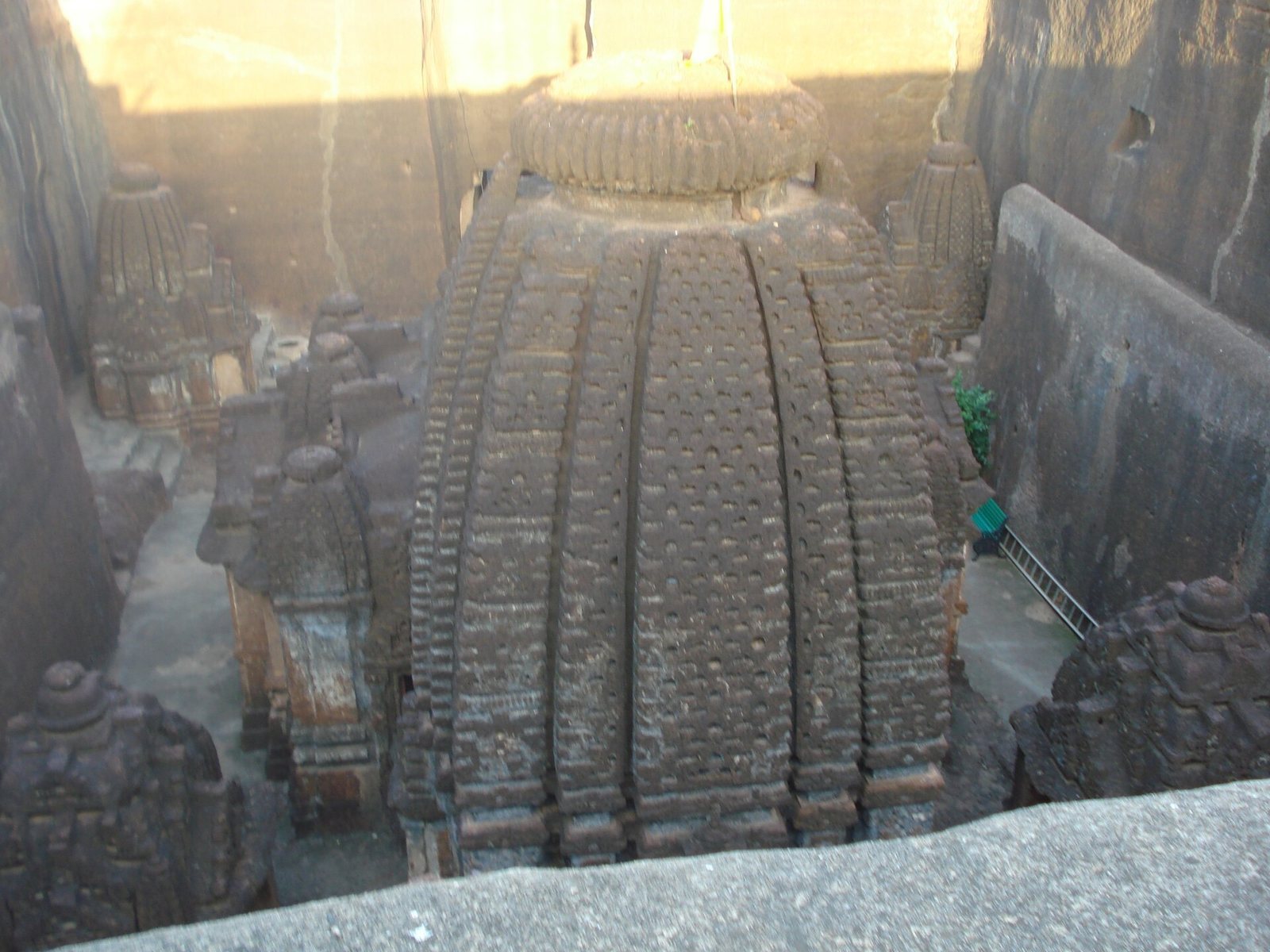
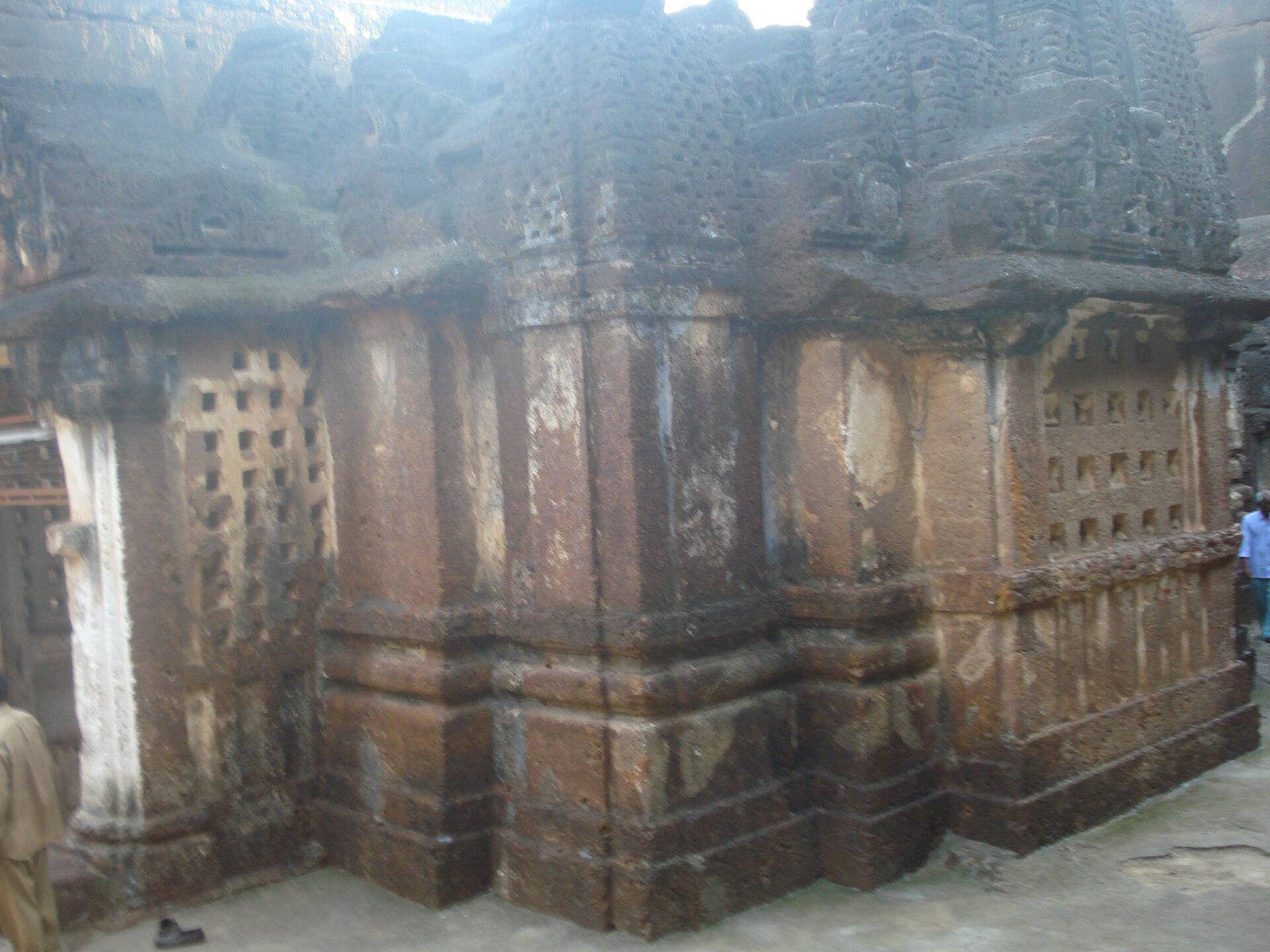
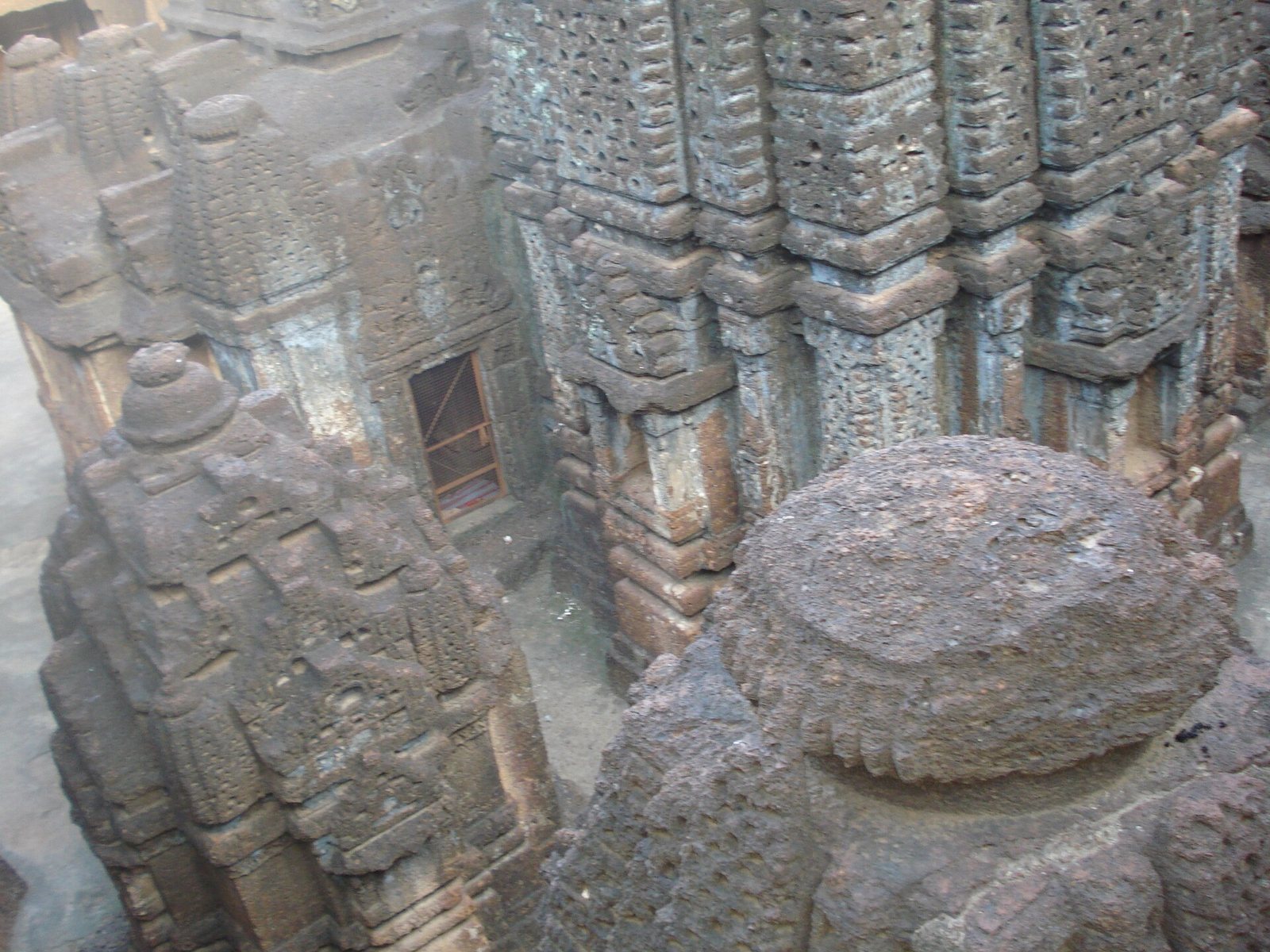
The complex was cut downward from the natural rock surface. The excavated area measures about 50 m long, 20 m wide, and 9 m deep, with a large temple at its center and seven smaller shrines around it. Its top-down rock-cut design has been compared with the Kailasa temple at Ellora, part of a major complex of rock-cut monuments in Maharashtra.
Central Temple and Surrounding Shrines
The central temple measures about 14.5 by 10 m and is described as well preserved. Its interior contains a large Shiva linga, a symbolic representation of Shiva, as well as images of Vishnu. In the innermost chamber, or sanctum, an image of Harihara, a combined form of Shiva and Vishnu, appears alongside a Shiva linga. Other sculptures include Lakshmi, a goddess associated with prosperity; Bhairava, a fierce form of Shiva; Kali, a goddess associated with time and transformative power; Garuda, a divine bird linked to Vishnu; and Parvati, a goddess associated with Shiva.
Buddhist Rock-Cut Features
The Buddhist features include viharas, or monastic residences; stupas, or reliquary monuments; and chaityas, or prayer halls and shrines. Caves numbered 6 and 8 are also identified among the caves at the site.