Darul Adalat: Chittagong’s First Court Building in Bangladesh
Site at a Glance
- Popularity
- Low
- Country
- Bangladesh
- Primary era
- Early Modern
- Eras represented
- Early Modern
- Civilizations
- Portuguese
- Site type
- Civic
On this page6 sections
History
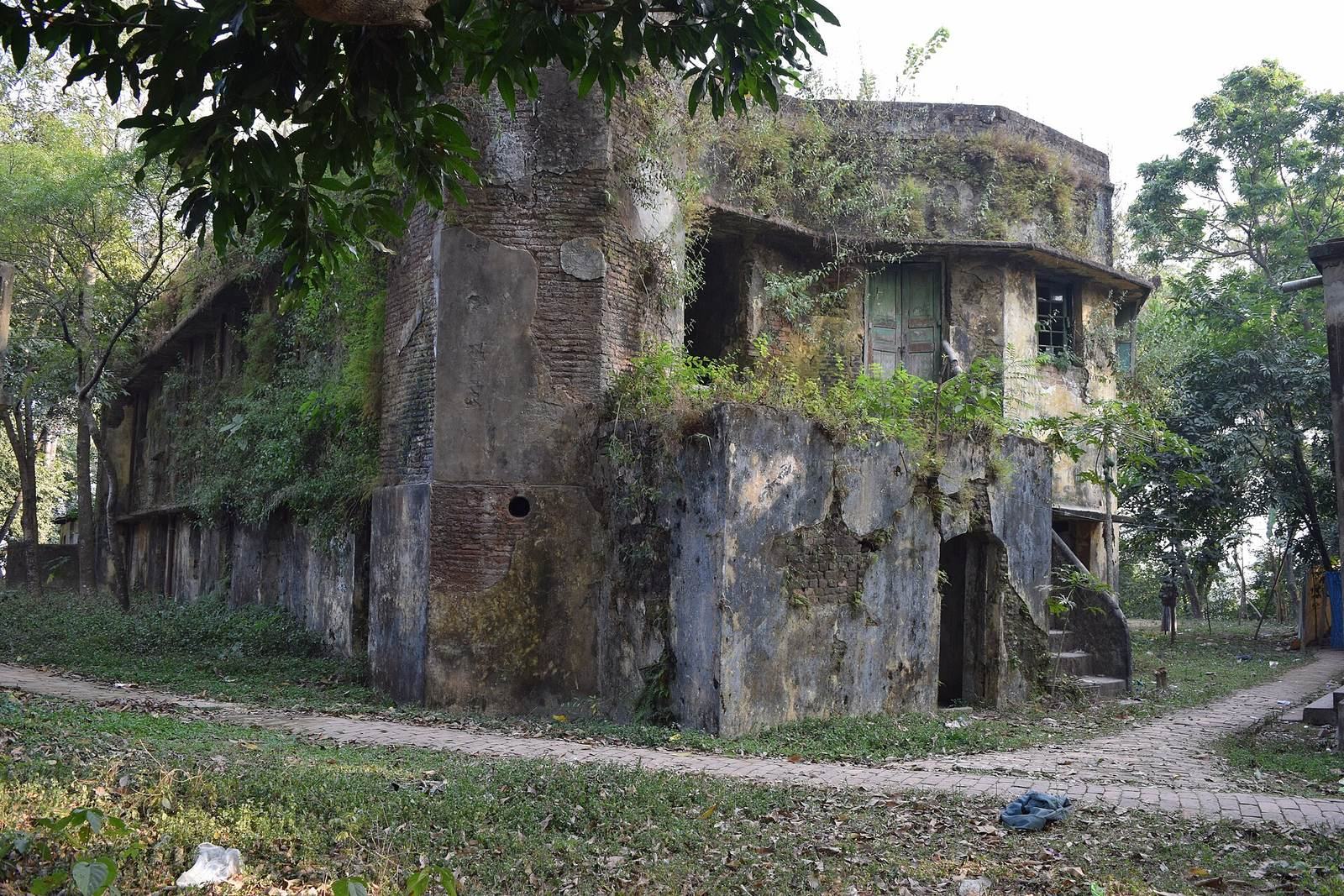
Darul Adalat, also called the Portuguese Building, is a historic building in Chittagong, Bangladesh, remembered as the city’s first court building. Its construction date is uncertain. One tradition places it around 1666, during the Portuguese settlement, one of the European colonial and trading outposts established in South Asia; another assigns it to 1761, under British East India Company administration.
Portuguese associations
The building served Portuguese settlers as an administrative fort. Tradition also links it to nightly gatherings of music, dancing, and other entertainments during Portuguese rule.
Madrasah and college use
During the nineteenth century, the building housed the office of Chittagong Madrasah, an institution of Islamic education. In 1879, the madrasah authorities bought it from the British government for 30,000 taka. After Mohsin College was established, the building became a student hostel in 1927.
Later condition and reassessment
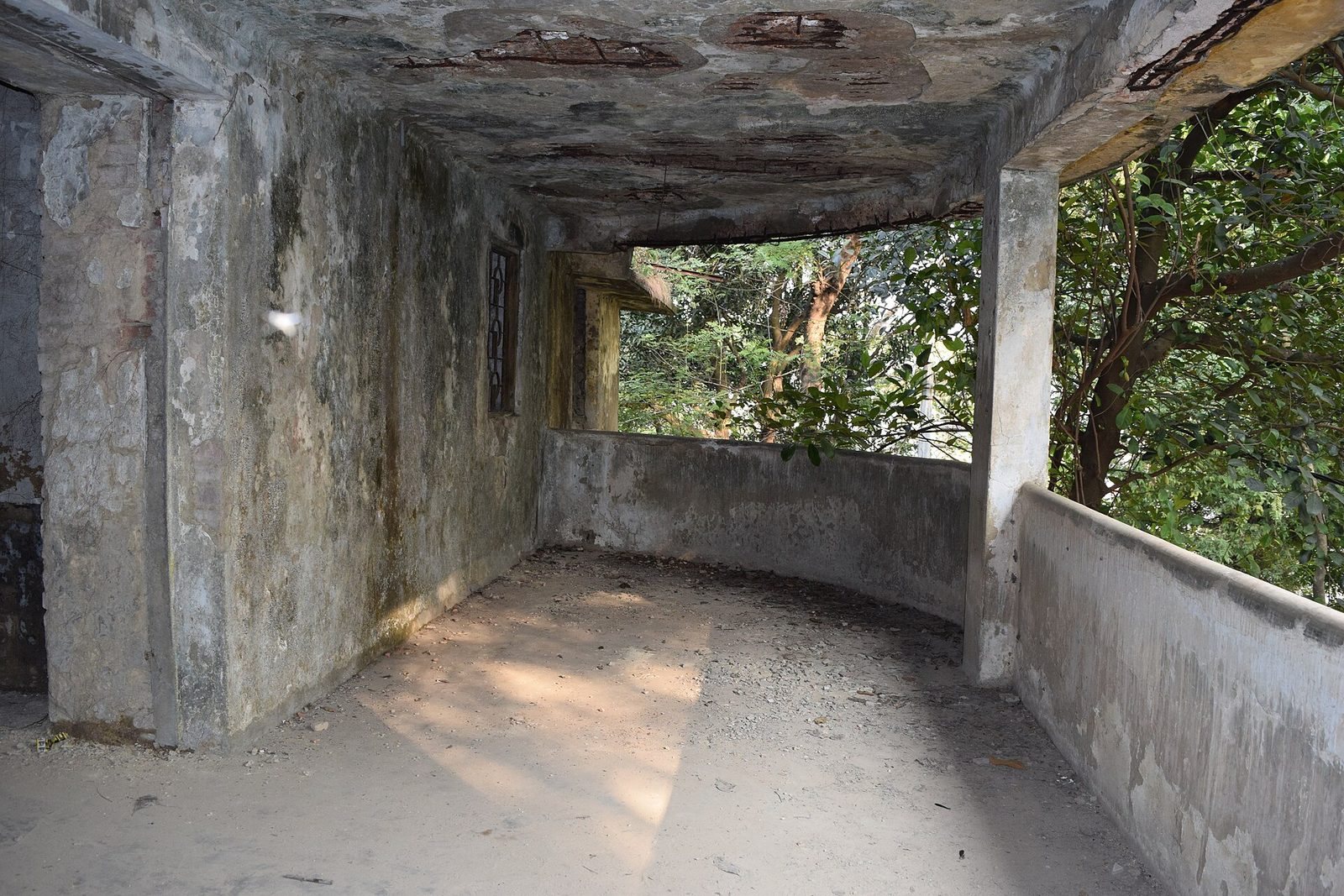
College authorities closed the building to academic and administrative use in 2002 after judging it hazardous. A 2009 survey by the college and the government’s Department of Archaeology found that its architecture did not match Mughal, British, or modern patterns identified in the Chittagong region, and classified it as Portuguese. By 2013, the building was in disrepair and faced a proposal for demolition to make way for a library. It is owned by Government Hazi Mohammad Mohsin College, and Chittagong City Corporation, the city’s municipal authority, is its tenant.
Remains
Building and reported underground features
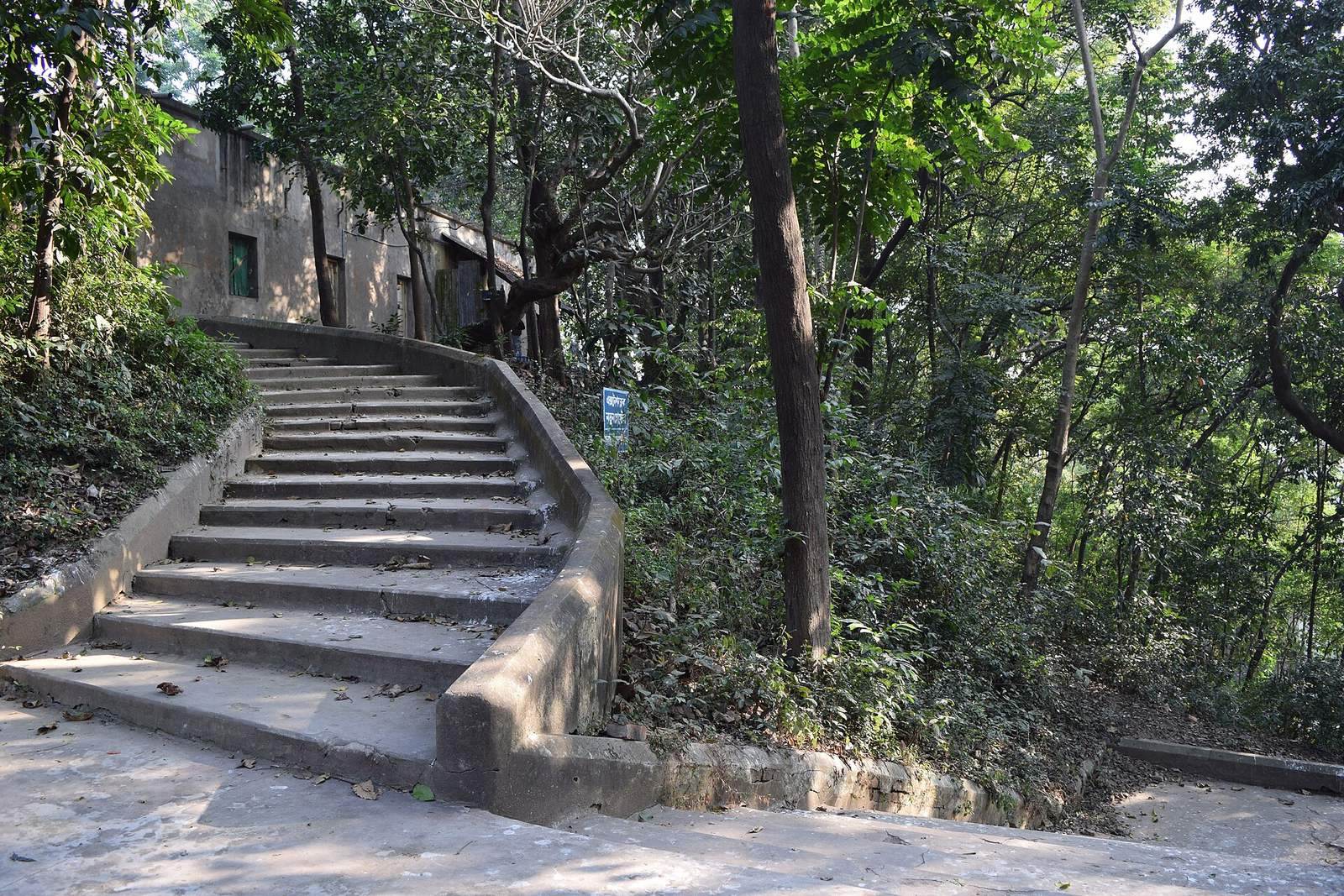
Darul Adalat stands on a hill beside College Road, on the western side of the Hazi Mohammad Mohsin College campus. The two-storey brick building has 20 rooms, arranged around a central room on each floor, and walls about 10 inches thick. Three staircases connect its levels, including one spiral staircase, a form associated with medieval European architecture. Two small domes on the roof served as lookout points for guards watching the city. A tunnel is said to have run beneath the building toward the Karnaphuli River, carrying looted goods from the river and offering an escape route. It may have been sealed as Portuguese settlers fled after Mughal forces, representing a dynasty that ruled much of South Asia, conquered Chittagong. Tradition also places a concealed room below the building, used to store goods and weapons.