Church of Saint Anne (Dětřichov): A Baroque Roman Catholic Parish Church
Site at a Glance
- Rating
- 4.4
- Popularity
- Very Low
- Country
- Czechia
- Primary era
- Early Modern
- Eras represented
- Medieval, Early Modern, Modern
- Civilizations
- Habsburg, Holy Roman Empire, Kingdom of Bohemia
- Site type
- Religious
- Remains
- Church
On this page7 sections
History
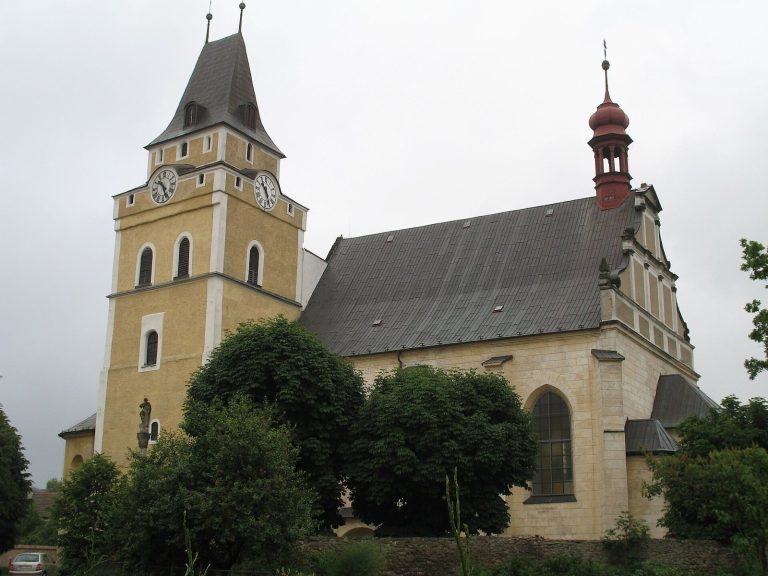
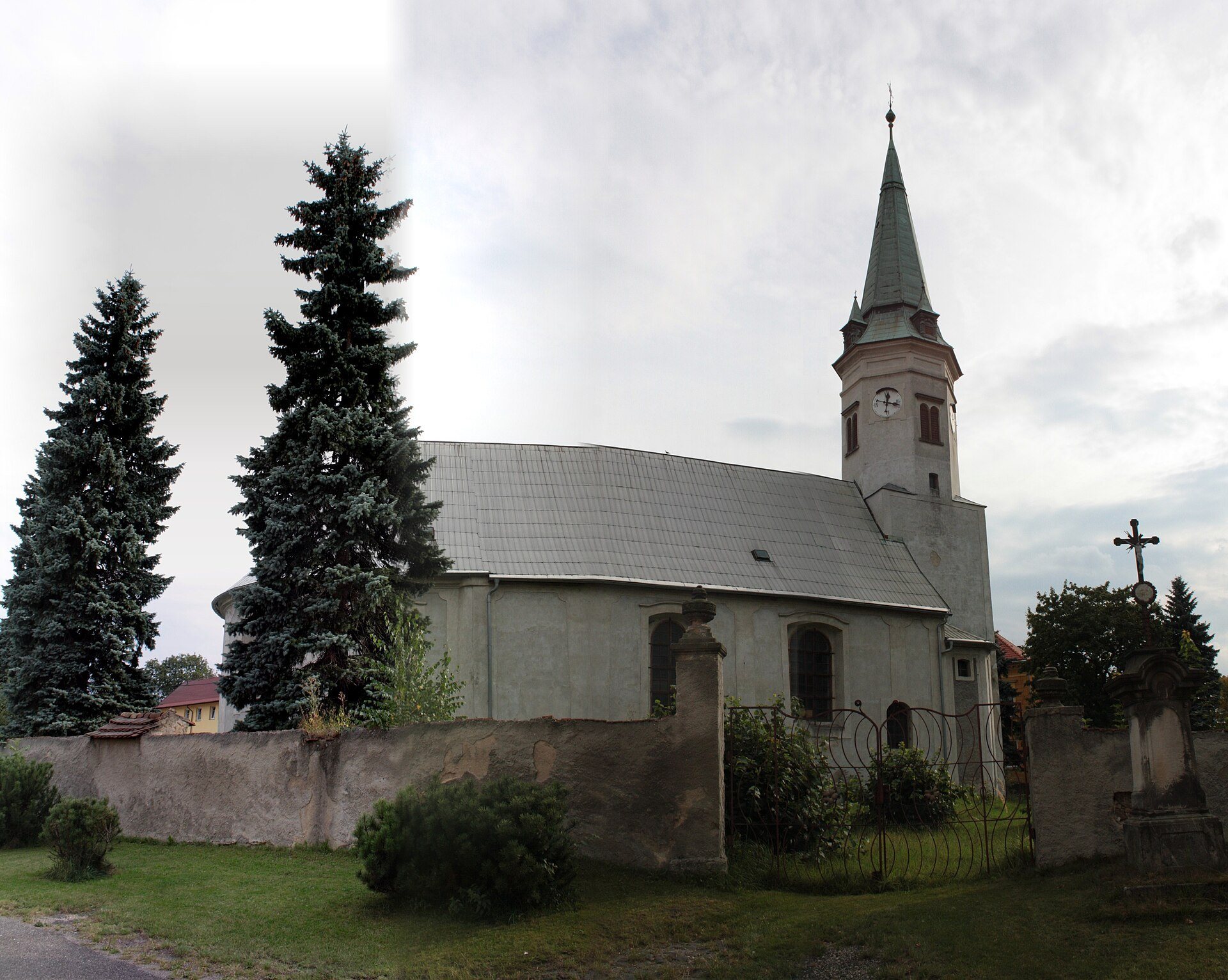
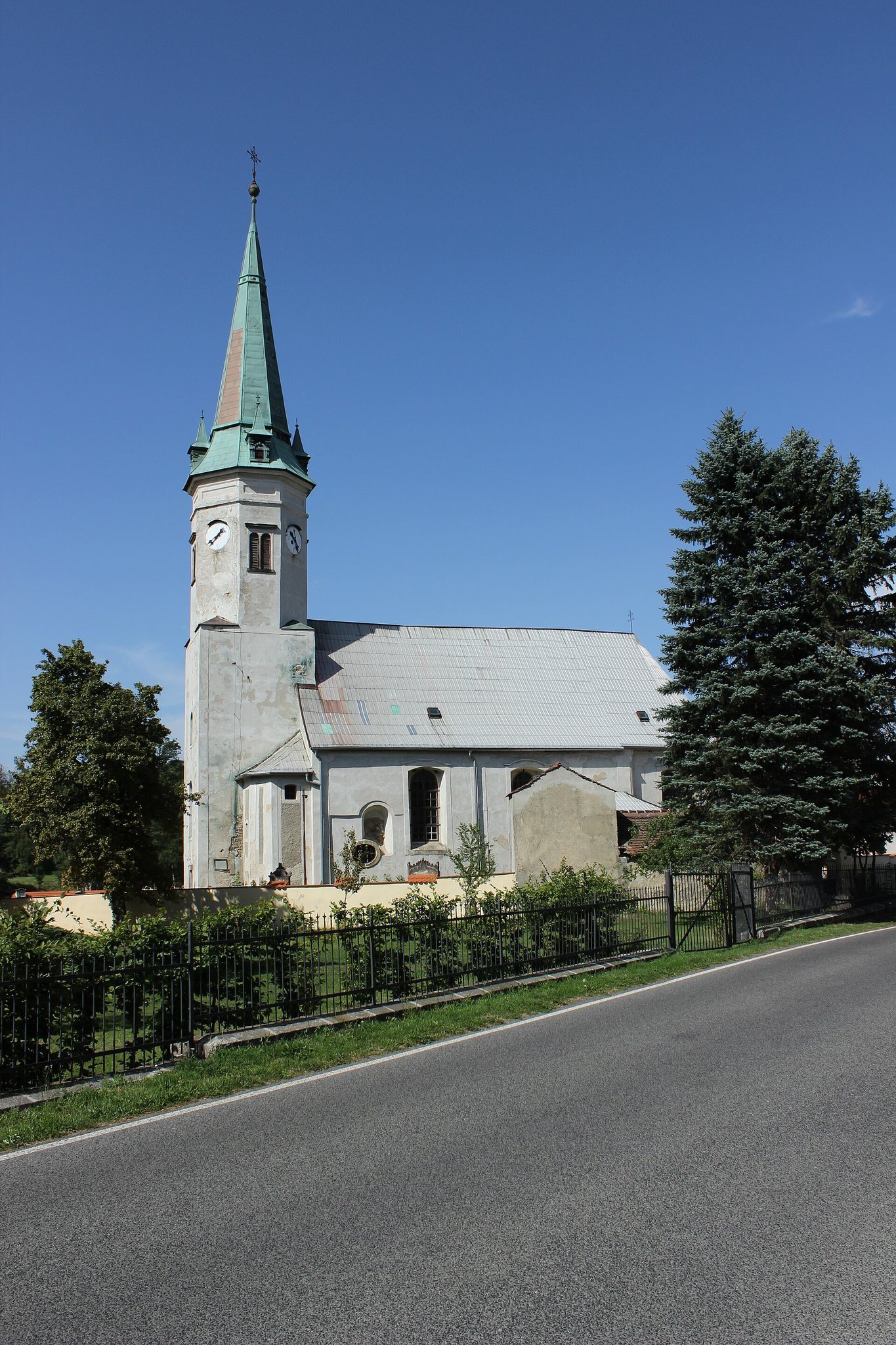
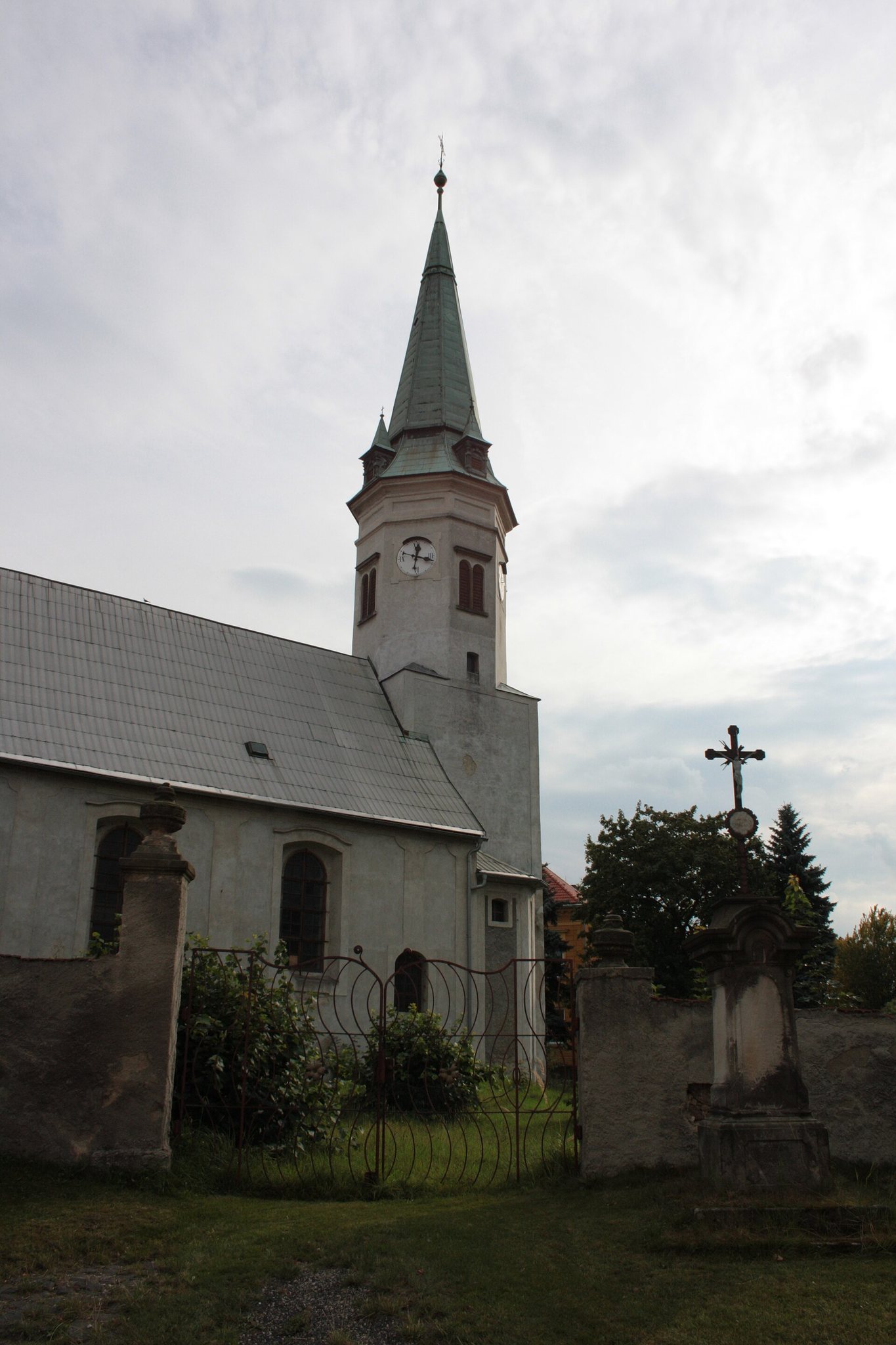
The Church of Saint Anne in Dětřichov, Czechia, is a Roman Catholic parish church probably built in 1409 and rebuilt in the Baroque style in 1720. Dedicated to Saint Anne, traditionally regarded as the mother of Mary, it belongs to the Diocese of Litoměřice, the Liberec Vicariate, and the parish of Dětřichov u Frýdlantu.
Medieval origins
The church may belong to a group of sanctuaries built on the historical Frýdlant estate around the turn of the fourteenth century. This landed domain was centred on Frýdlant. Although the church was probably constructed in 1409, its architectural form may reflect an earlier building tradition. The first certain written mention dates from 1619, when a tower was reportedly added on the central axis of the western facade. That work may instead have involved raising an older tower.
Baroque rebuilding and later changes
A major rebuilding in 1720 gave the church its Baroque character. The Baroque style was a European architectural and artistic tradition known for dynamic forms, elaborate decoration, and carefully shaped spaces. The nave was extended eastward, new windows were installed, and elevated galleries were added along the sides and against the west wall. The present presbytery, the part of the church reserved mainly for the altar and clergy, also dates from this rebuilding.
The west tower was raised in 1889 and 1890. After 1945 the church deteriorated, while the period after 1989 brought only basic maintenance. Regular Roman Catholic services continue to be held in the building. The church is legally protected as a cultural monument. A Stations of the Cross that had disappeared during the twentieth century was restored on its original bases and blessed by the local Roman Catholic preacher on 18 November 2023.
Remains
Church structure
Built of stone and masonry, the church is approximately 32 metres long and 13 metres wide, with the altar at the east. The nave is wider than the present presbytery, which closes in a horseshoe-shaped plan. A sacristy, a room for liturgical objects and vestments, stands south of the presbytery. The western facade carries a centrally placed tower, later raised in 1889 and 1890.
Bricked-up window openings survive in the western part of the nave. Together with the dimensions of this part of the building, they may connect the church with an earlier group of medieval buildings dating from around the turn of the thirteenth and fourteenth centuries. The Baroque phase is represented physically by the eastward extension of the nave, its replacement windows, and the galleries along the sides and at the west end.
Organ
An organ made for the church toward the end of the eighteenth century by Ambrož Augustin Tauchman had a four-foot Principal in the main division, a two-foot stop in the positive, and a sixteen-foot Subbass in the pedal division. The Principal is a standard rank of organ pipes, while the positive is a secondary division and the pedal division is played with the feet. In 1842 Friedrich Christian Reiß serviced the instrument for 95 gulden and moved the positive from the gallery rail into the main organ case. In 1860 the organ was cleaned and tuned, its bellows were repaired for 25 gulden, and Daniel Werner of Rychnov gilded it for 30 gulden. In 1882 the organ builder Feller constructed an entirely new instrument at a cost of 1,550 gulden.
Stations of the Cross
The Stations of the Cross formerly followed the perimeter of the cemetery wall and consisted of painted scenes. The restored installation uses glass sculptures made at Spider Glass in neighbouring Heřmanice by the fusing technique, a method that joins glass pieces by heating them until they fuse. Each sculpture measures 40 centimetres wide and 60 centimetres high, and the works stand on the original bases.