Château de Cuverville: A Historic Family Residence in France
Site at a Glance
- Popularity
- Medium
- Country
- France
- Primary era
- Early Modern
- Eras represented
- Early Modern
- Civilizations
- Unclassified
- Site type
- Domestic
- Remains
- Elite Residence
On this page8 sections
History
Construction and nineteenth-century ownership
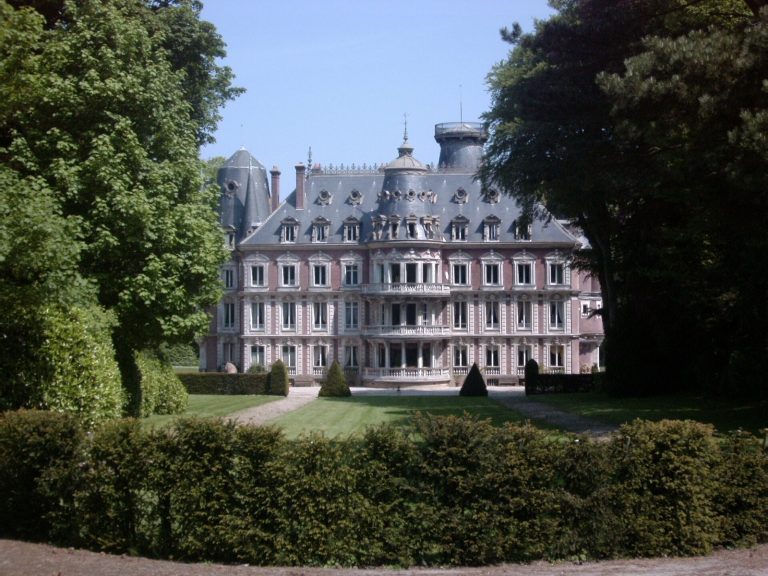
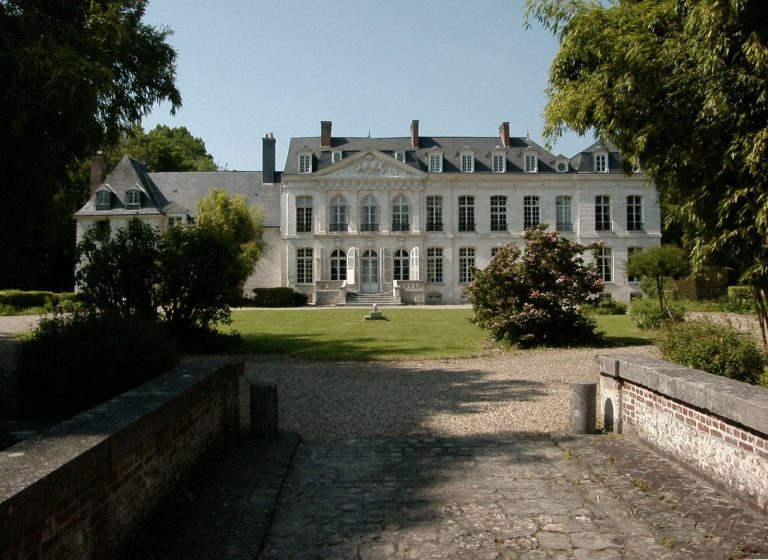
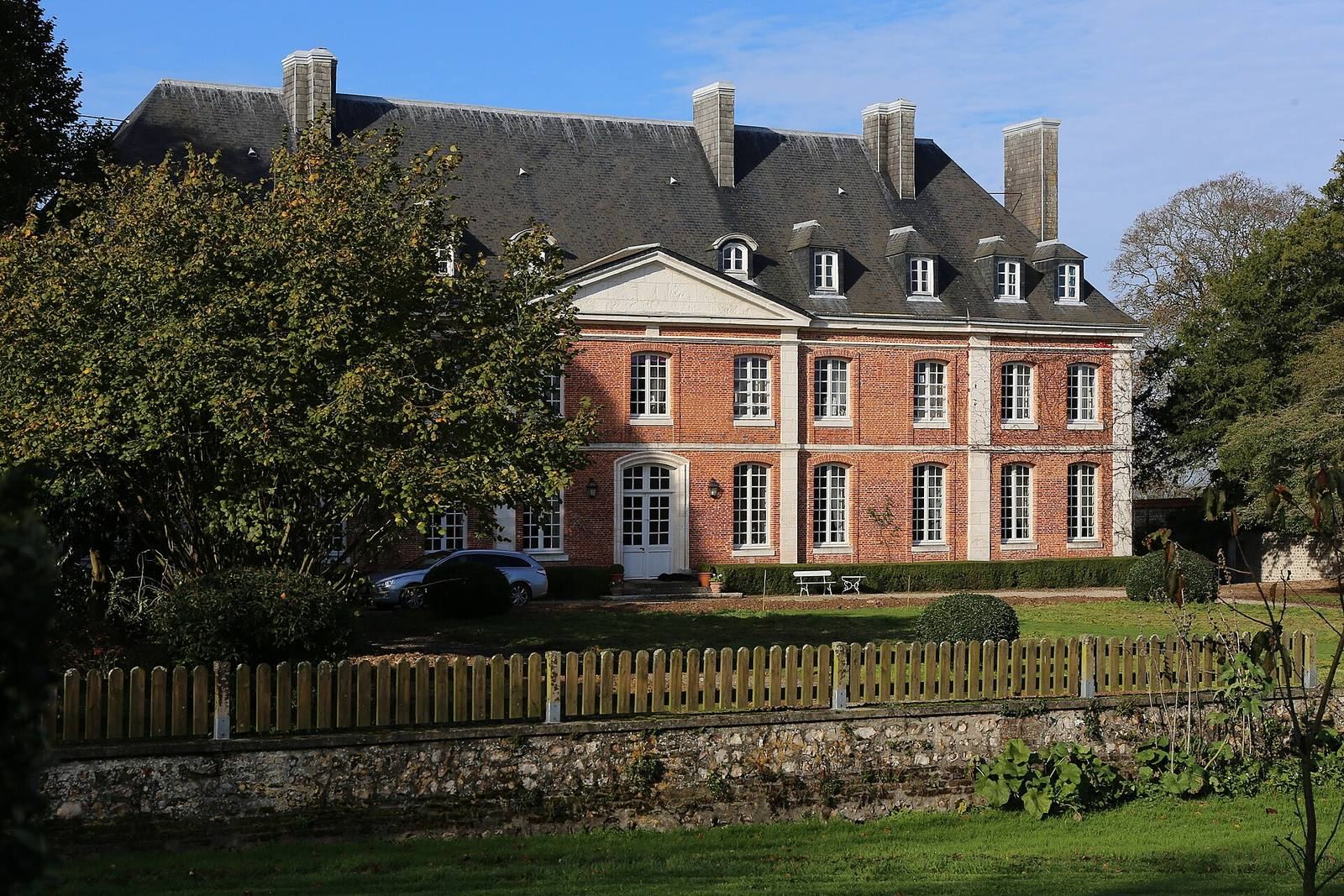
Château de Cuverville is an eighteenth-century residence in France, built in 1730 by Cavelier de Cuverville on the site of an earlier house. A knight who later became an admiral, he was a companion of Suffren, the eighteenth-century French naval commander. The Cavelier de Cuverville family owned the property for about a century; its members included Louis-Hyacinthe de Cavelier de Cuverville.
In 1835, the Rondeaux family, Protestants from Rouen, acquired the château. An inscription on the building records restoration work from that year.
André Gide and the château
André Gide, the French writer, knew the house from childhood visits to his aunt, who later became his mother-in-law. After her father died, Madeleine Rondeaux inherited the property. In 1895, she and Gide, who were cousins, married at the town hall in Cuverville. Their religious ceremony followed at the Protestant church in Étretat.
Gide spent extended periods at Cuverville each year and welcomed fellow writers and artists there. Among his frequent guests were Paul Valéry, a poet and essayist, Jacques Copeau, a theater director, and novelist Roger Martin du Gard, all associated with the circle of La Nouvelle Revue française, an influential French literary journal. Gide also met his friend, painter Paul Albert Laurens, who owned a property in nearby Yport. In his 1909 novel La Porte étroite, Gide portrayed the house, giving Cuverville the name of neighboring Fongueusemare. After Madeleine died in 1938, he visited only rarely. He died in 1951 and was buried beside her in the village cemetery.
The château and its grounds, covering 8.22 hectares, received classification as a natural site by decree in 1945. In 1970, the facades, roofs, grand salon, and interior staircase were listed as historical monuments.
Remains
House and garden
The château stands on the site of an earlier residence, and its surviving physical features include a sixteenth-century kitchen fireplace and a pediment bearing an inscription. The surrounding garden has changed little overall, although some trees have fallen.
Kitchen fireplace
The fireplace dates to the sixteenth century and comes from the house that occupied the site before the present château was built. It survives in the kitchen.
Pediment inscription
An inscription on the pediment marks the restoration carried out in 1835, when the Rondeaux family acquired the property.
Garden
The garden has retained much of its character. Among the fallen trees is a large beech that Gide had particularly cherished.