Chandragiri Fort: A Seventeenth-Century River Fortress in India
Site at a Glance
- Rating
- 3.9
- Popularity
- Medium
- Country
- India
- Primary era
- Early Modern
- External website
- Open
- Eras represented
- Early Modern
- Civilizations
- Unclassified
- Site type
- Military
- Remains
- Fort
On this page6 sections
History
Chandragiri Fort is a seventeenth-century fortress in India, near Kasaragod in Kerala, built by Shivappa Nayak as part of a chain of fortresses. Shivappa Nayak was a ruler of the Keladi Nayaka kingdom, a successor state that emerged in the western Deccan after the decline of Vijayanagara authority.
Regional Kingdoms and Keladi Rule
The Chandragiri River marked the boundary between the kingdoms of Tulanadu and Kolathanadu. Both kingdoms were later conquered by the Vijayanagara Empire, a major South Indian imperial state that controlled extensive territory before its political decline in the sixteenth century. After the empire fell, the Keladi Nayakas, who had administered the region on its behalf, declared independence and took control of areas of Uttara Kannada, including the area where Chandragiri Fort was later built.
Fortification and Archaeology
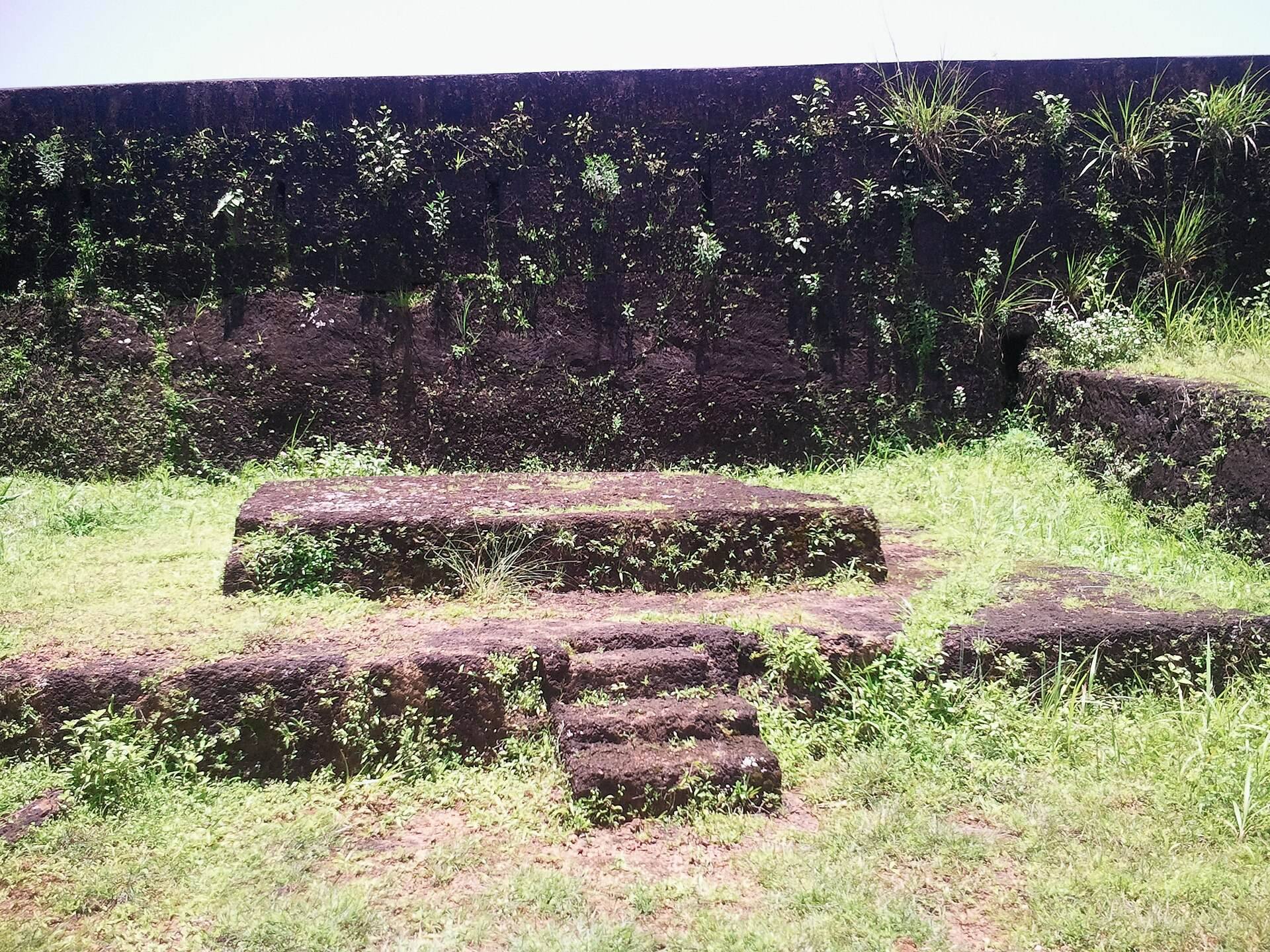
The fort now survives in ruins. An archaeological excavation recovered cannonballs made of stone and iron, iron tools, and pottery, providing material evidence of activity at the site. Chandragiri Fort is managed by the Kerala State Department of Archaeology with assistance from the Department of Tourism.
Remains
Layout and Construction
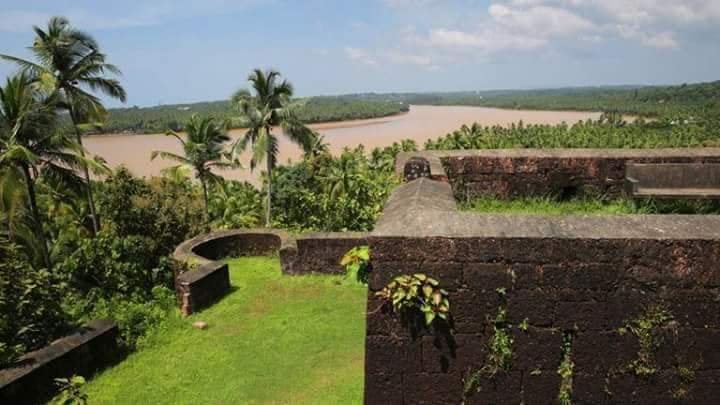
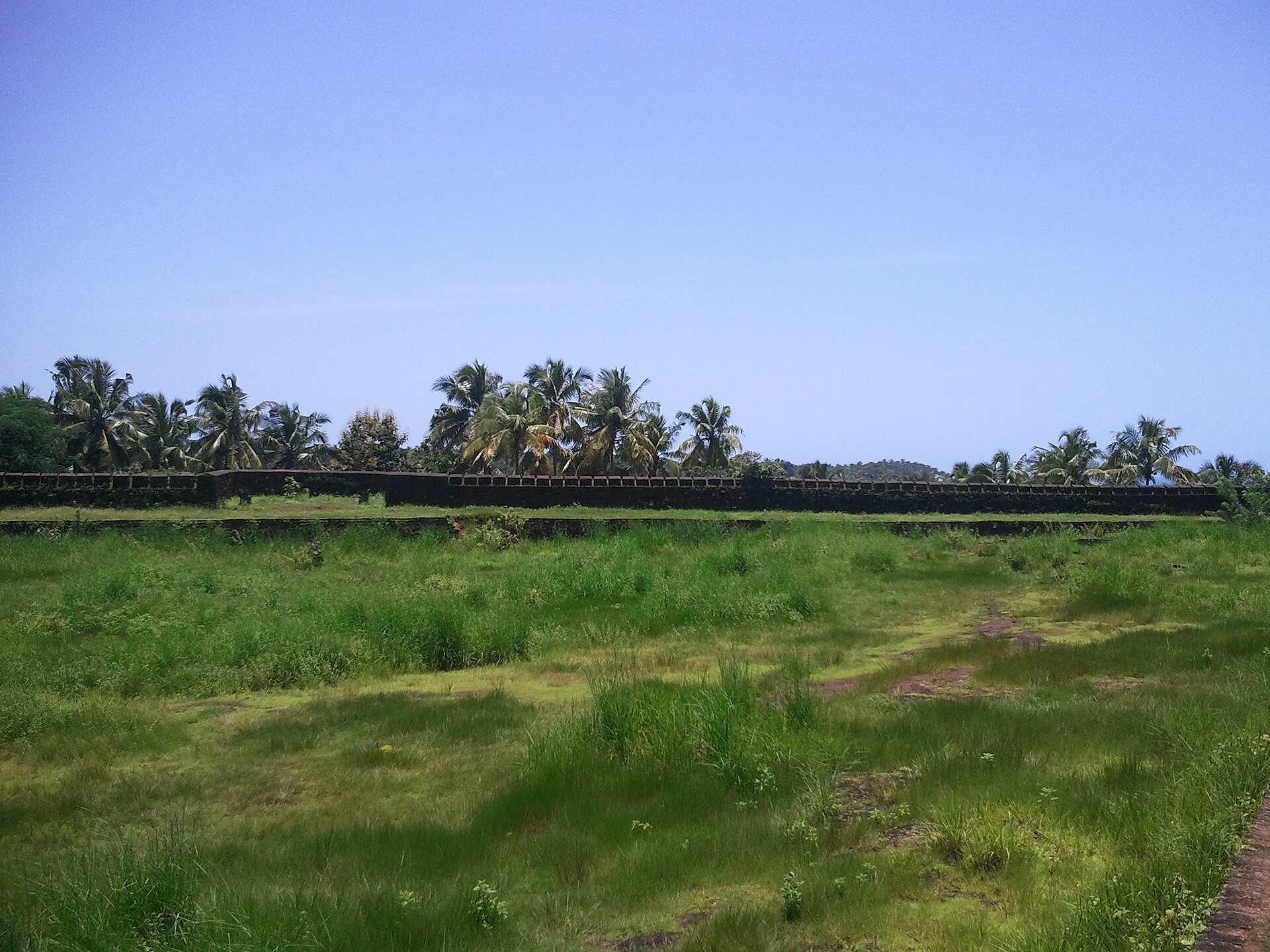
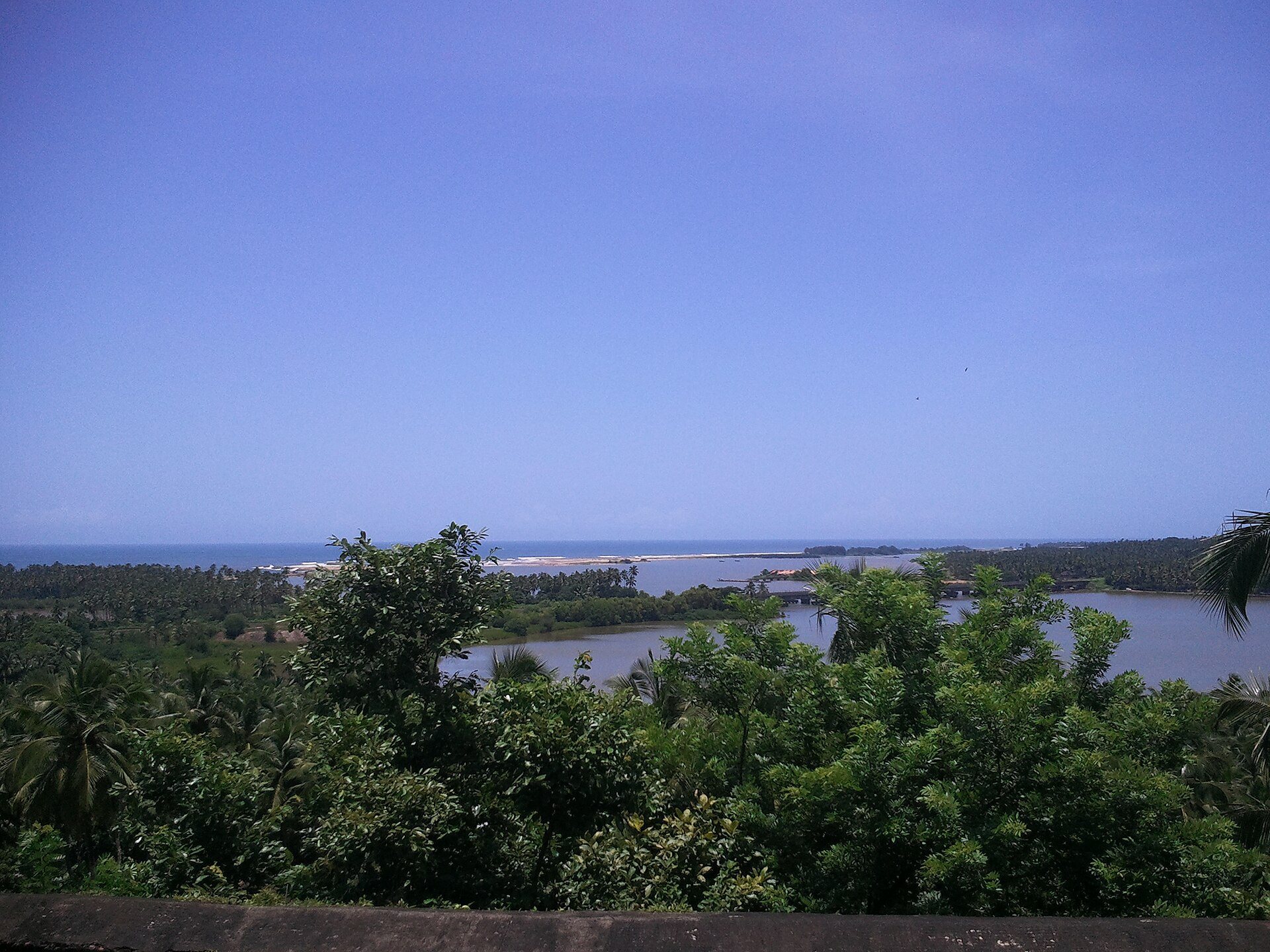
Chandragiri Fort is a large, roughly square enclosure beside the Chandragiri River, also known as the Payaswini River, at its confluence with the Arabian Sea. It stands about 46 metres above sea level. The boundary covers approximately 7.76 acres, while the built area occupies roughly 5 acres. Laterite bricks form the fort, and some walls bear damage caused by cannon fire.
Defensive Features
A trench surrounds the fort on three sides, with entrances on the eastern and western sides leading into it. An underground tunnel is visible at the north-eastern corner. Eight bastions project from the fortifications, each with openings for cannons. A bastion is a projecting fortification from which defenders could observe and fire along the walls and toward approaches. The main bastion stands on the northern side, while other buildings, including barracks, occupy the interior.