Castrum Carsium: A Roman Auxiliary Fort on the Danube
Site at a Glance
- Popularity
- Medium
- Country
- Romania
- Primary era
- Classical
- Eras represented
- Classical, Medieval
- Civilizations
- Byzantine, Roman
- Site type
- Military
- Remains
- Fort
On this page12 sections
History
Castrum Carsium was an auxiliary Roman fort at modern Hârșova in Romania, guarding a Danube crossing in Moesia. It formed part of Rome’s frontier system along the river and protected a route toward Dacia, the Roman province north of the Danube. The earliest fort is thought to have been built of earth and timber in the late first or early second century AD, although its initial extent and development remain uncertain. The crossing connected the Wallachian Plain with strongholds in the western Pontic region and remained in use for about eighteen centuries, into the first half of the nineteenth century.
Roman fort and garrison
Carsium lay first in Moesia and later in Scythia Minor. Military stamps and inscriptions link it with several Roman forces. Some stamp readings have been associated with the Ala I Flavia Gaetulorum or the Ala Flavia, while stamps also specifically attest the Ala (Gallorum) Flaviana. The Ala II Hispanorum et Aravacorum, an auxiliary cavalry unit, was stationed at Carsium by the second half of the second century at the latest. Other evidence connects the fort with the legions Legio I Italica and Legio I Iovia, as well as the Classis Flavia Moesica, the Roman fleet associated with Moesia.
A building inscription dates to AD 103, during the governorship of Q. Fabius Postuminus in Moesia Inferior. The archaeologist Vasile Pârvan proposed that the Ala II Hispanorum built a stone fort that year, drawing partly on a fragmentary inscription and a later milestone. The inscription does not identify the unit, and subsequent military stamps have prompted reconsideration of that attribution. A military settlement grew around the fort, while Carsium’s status as a Roman town remains uncertain.
Later occupation
A further fortified phase extended from the late third or early fourth century into the sixth. This period spans the late Roman and early Byzantine eras. The site also saw renewed phases of occupation in the tenth century, the thirteenth and fourteenth centuries, and from the sixteenth century onward. The fortified complex was completely destroyed under Ottoman rule during the first half of the nineteenth century.
The name appears in ancient and medieval texts in forms including Carsum, Carsio, Carso, Carsus, Carsos, and Carsion, across records dating from the mid-second to the tenth century. Roman stone was reused in later construction, and medieval building and stone removal disturbed ancient remains. The modern town of Hârșova also grew over part of the Roman site.
Archaeological investigation and protection
Archaeological investigations began sporadically in the late nineteenth and early twentieth centuries. Campaigns in 1939, 1943, and 1963 examined different parts of the site but did not establish the Roman fort’s plan or building phases. Later research revised earlier interpretations: the broad enclosure could not be assigned to the second century, the middle enclosure could not be tied to rebuilding under Constantine the Great, and the walls on the plateau were identified as part of the medieval fortress.
Municipal works in 2009 led to a rescue excavation that located the northern entrance of the Roman-Byzantine fortress and helped place the fort within the modern town. Carsium is a Romanian historic monument and forms part of the UNESCO World Heritage property Frontiers of the Roman Empire – The Danube Limes (Romania), inscribed in 2020.
Remains
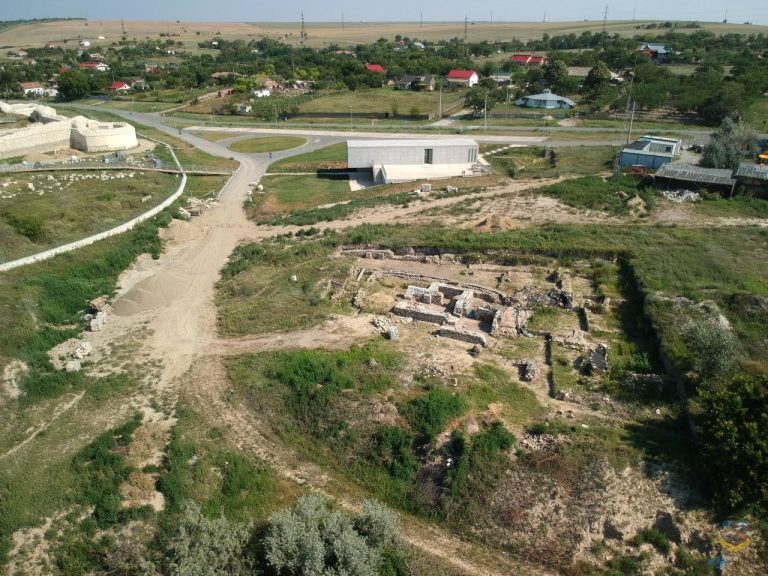
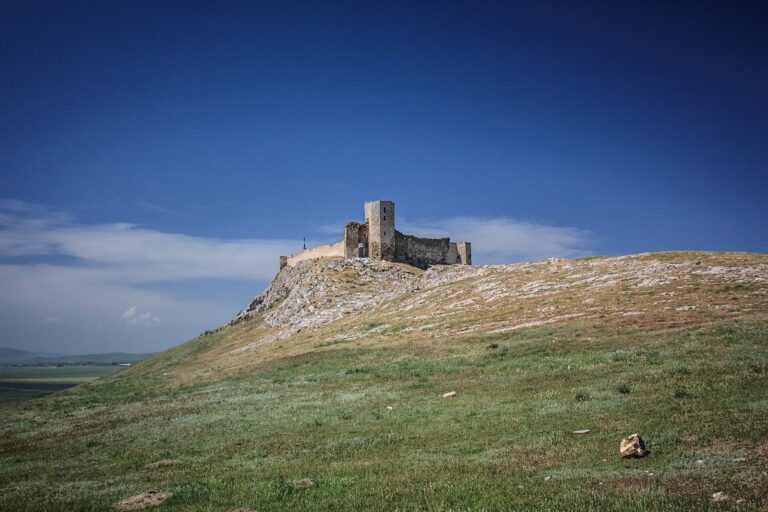
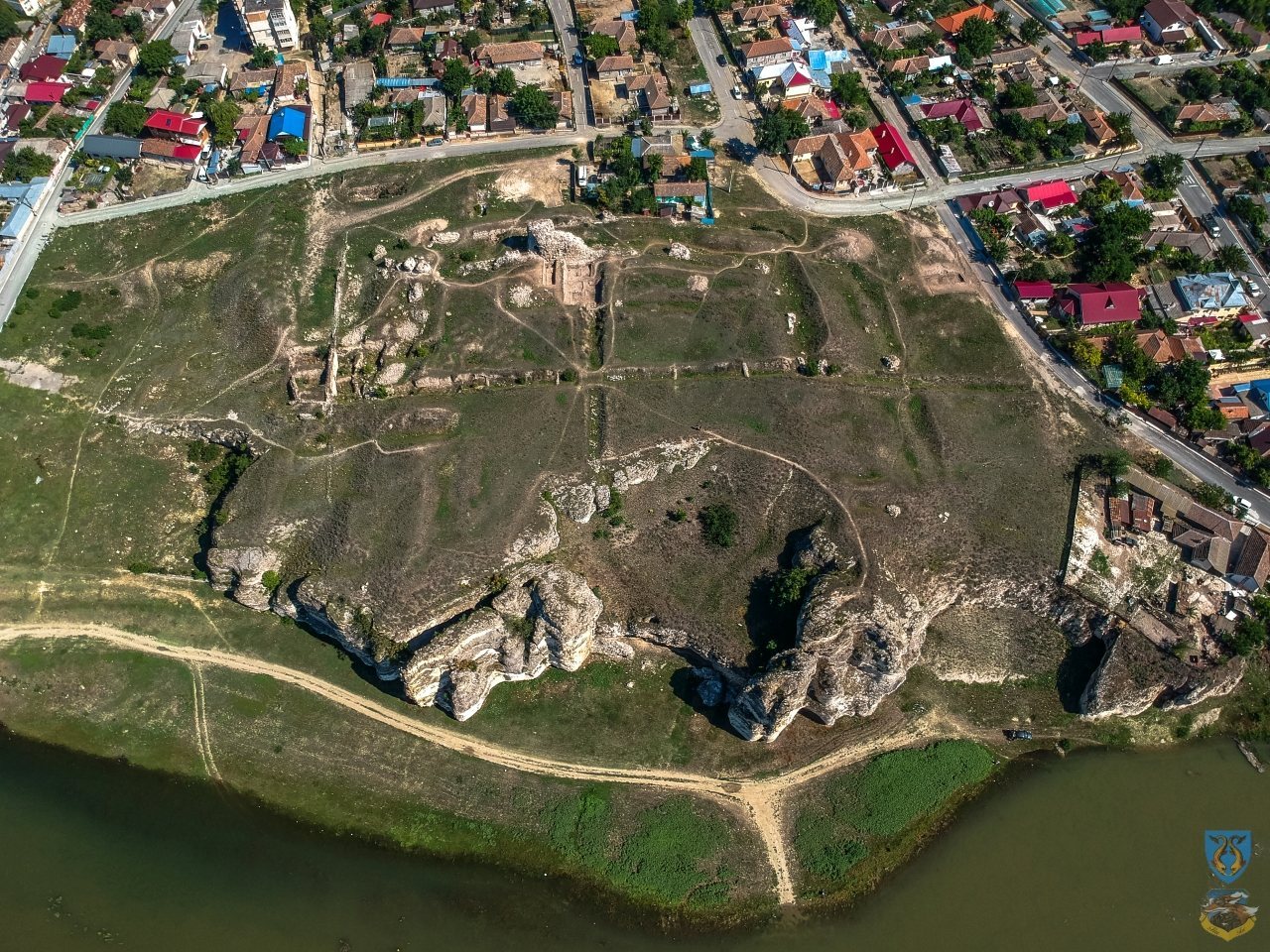
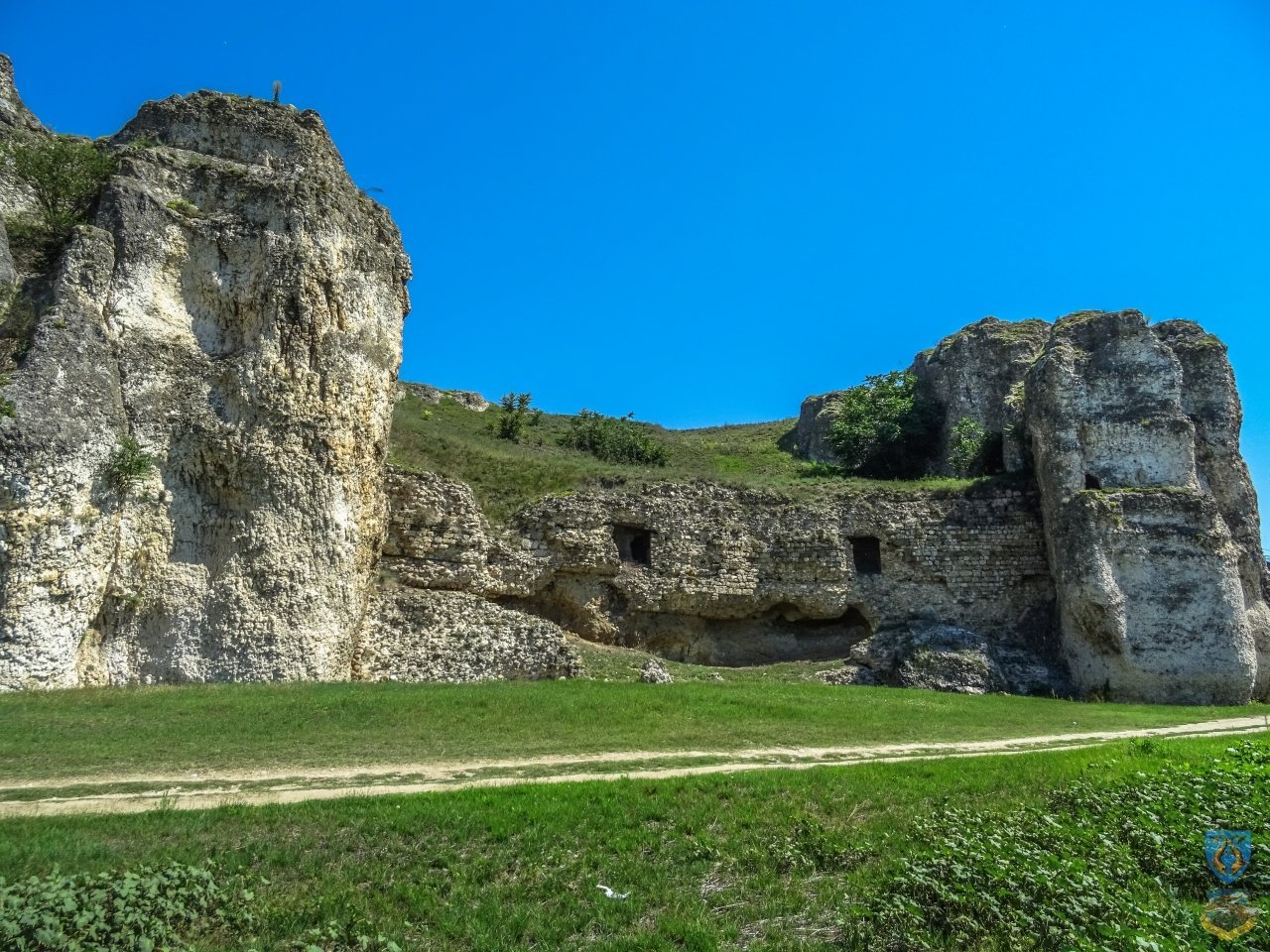
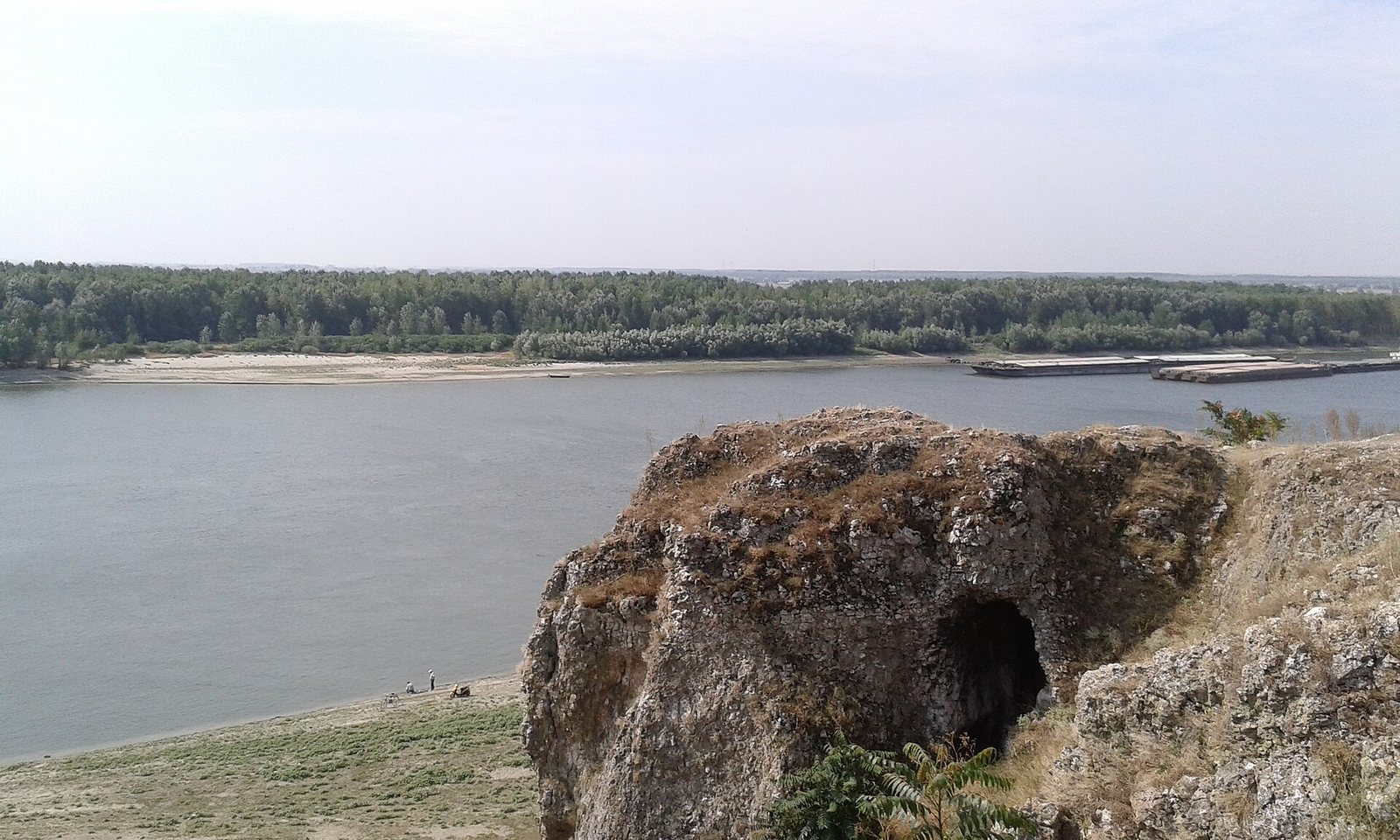
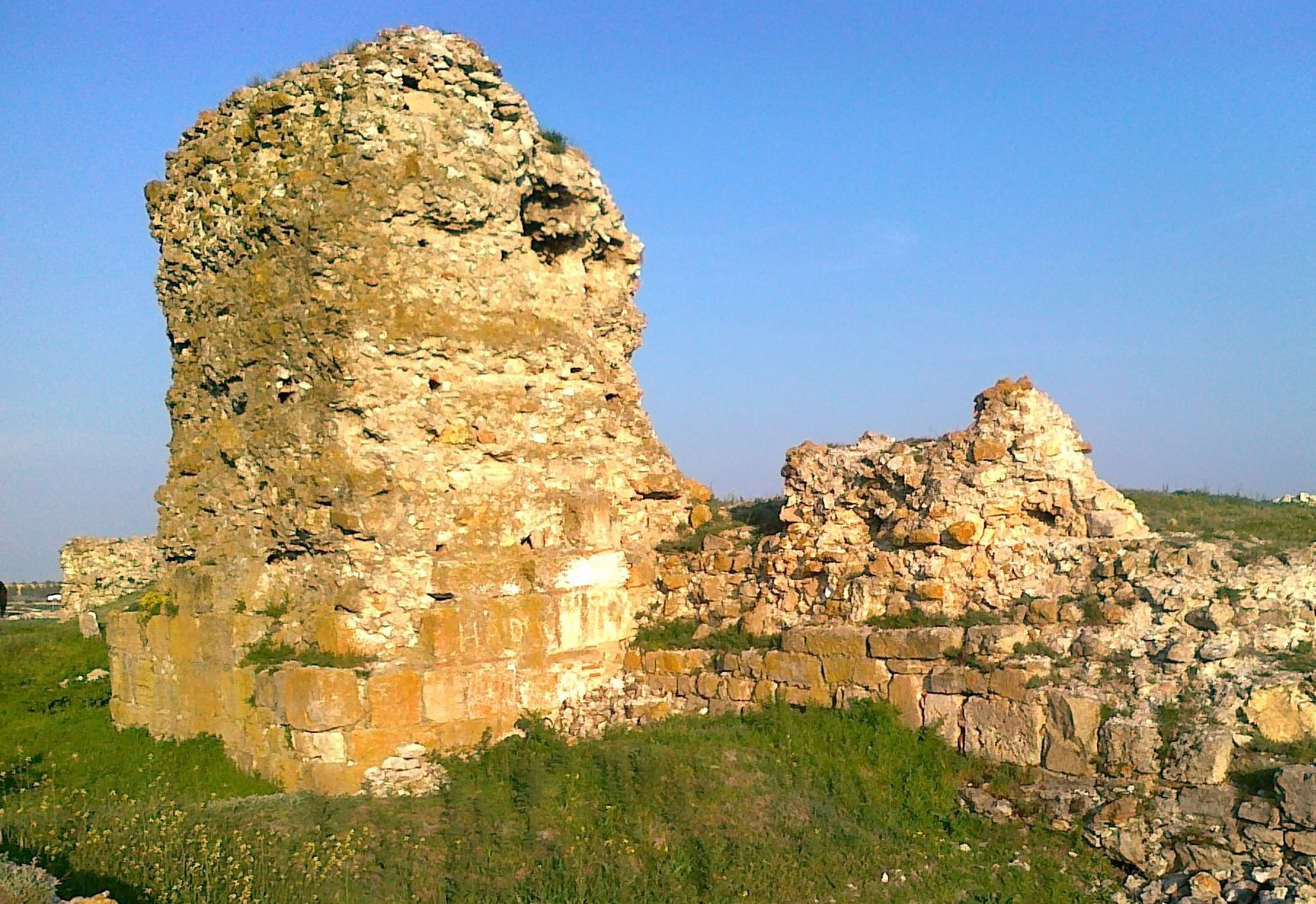
The Roman fort stood on high ground beside the Danube, near the meeting of its branches and close to the mouth of the Ialomița River. Its estimated area is 1.45 hectares, though its full plan and boundaries remain uncertain. The Roman fortification appears to have occupied the area between the river and the modern streets of Dobrogei, Carsium, and Alexandru cel Bun. It is distinct from the medieval and Ottoman fortress remains on the riverbank.
Roman fortifications
Enclosure and northern entrance
The northern entrance, identified during the 2009 excavation, lies more than 300 metres from the Danube. It had two symmetrical towers, designated T1 and T2. The fort’s limits are not fully established, and later building and stone extraction have affected the ancient fabric.
Port wall and tower
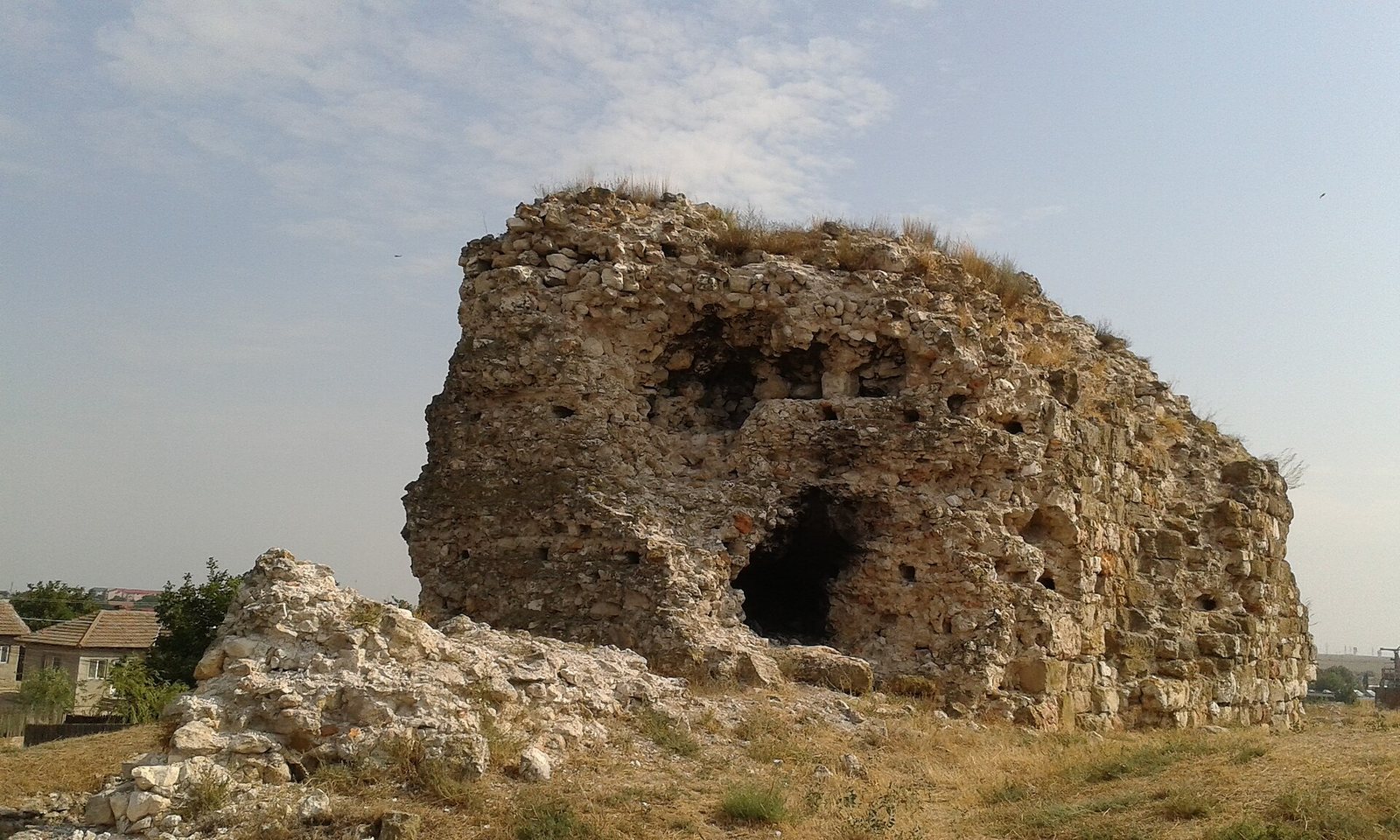
A massive wall associated with the port is dated to the late third or early fourth century and is described as approximately 40 metres high. It underwent several repairs. A U-shaped tower was found within the Roman-Byzantine enclosure.
Settlement remains and finds
Architectural fragments and inscription
Fragmentary marble architectural pieces, including friezes and columns, indicate a flourishing settlement. A fragmentary inscription recovered in 1939 identifies Ulpius Quadratus as a decurion, or member of a local council, of a municipium, a Roman town with a measure of self-government. Troesmis was first proposed as the town named by the inscription, while Carsium has also been suggested.
Parade helmet
A well-preserved second-century parade helmet, made for ceremonial display, was found at Carsium. It is now held at the National Museum of Romanian History in Bucharest.
Cemeteries
Three Roman and Roman-Byzantine cemeteries are associated with the site. Burials examined there included people of exceptional military and administrative rank. Later construction and stone removal disturbed these burial areas and other ancient remains.