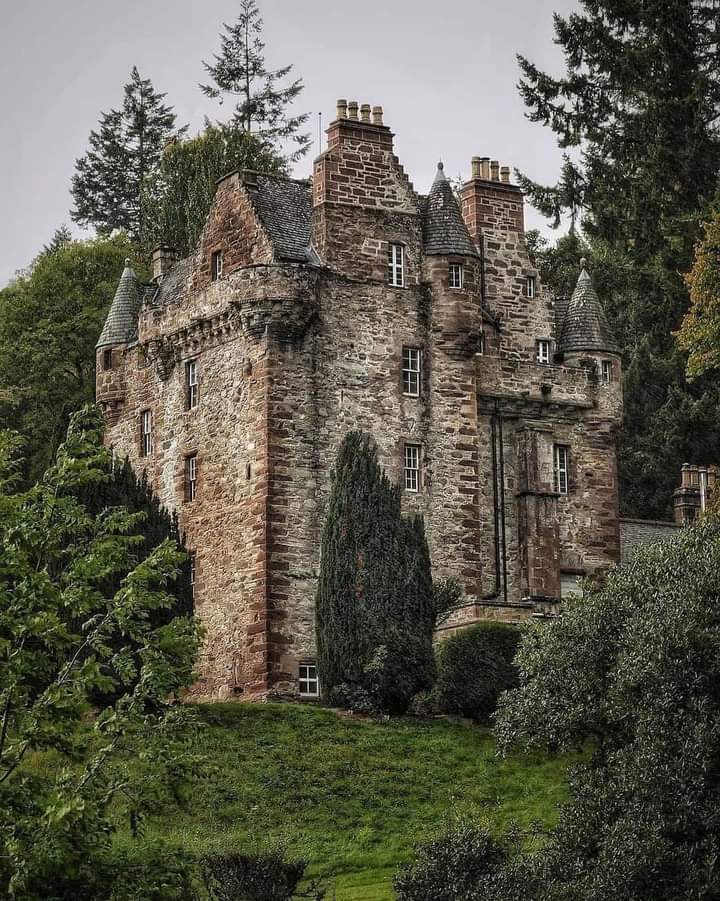
Castlecraig: A Sixteenth-Century Scottish Tower House


Site at a Glance
- Rating
- 4.1
- Popularity
- Very Low
- Country
- United Kingdom
- Primary era
- Early Modern
- External website
- Open
- Eras represented
- Early Modern
- Civilizations
- Kingdom of Scotland
- Site type
- Military
- Remains
- Castle
On this page5 sections
History
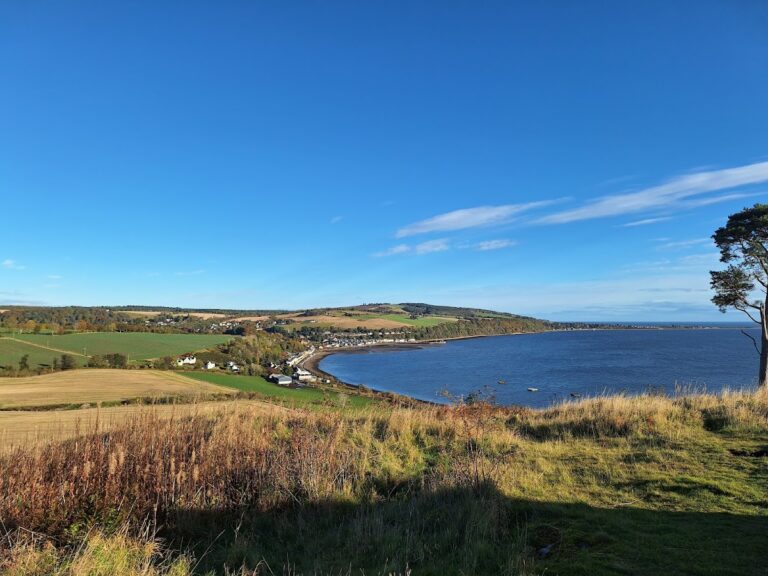
Castlecraig is a ruined sixteenth-century Scottish tower house in the United Kingdom, located at Cromarty on the north shore of the Black Isle. It stands on the southern coast of the Cromarty Firth, about 5 kilometres north-east of Culbokie and 19 kilometres north of Inverness. The building is also known as Craig Castle and Castle Craig.
The tower may have served as a residence for the post-Reformation Bishops of Ross. The Reformation was the sixteenth-century religious transformation that ended Scotland’s medieval Catholic ecclesiastical system. Donald Monro, a Scottish cleric who held the office of Dean of the Isles, may have lived at Castlecraig during the 1560s.
Castlecraig is protected as a scheduled monument under United Kingdom law because of its archaeological and historical importance. Historic Scotland listed it as a Category A building, the highest Scottish level for structures of national or exceptional architectural or historic interest, until 2015.
Remains
The surviving complex consists chiefly of a tall, rectangular stone tower with associated wings. Part of the structure stands at the edge of a cliff above the shore, giving the remains a close physical relationship to the Cromarty Firth.
Ruined tower and associated wings
Principal tower
The principal structure is a four-storey tower house, a fortified residence that combined domestic accommodation with defensive construction in a compact, multi-storey building. Its western part has been destroyed. Doorways or windows were built into both the southern and northern sides of the tower.
North-east and north-west wings
The north-east wing remains standing and roofed, while the north-west wing has collapsed. Together with the ruined tower, these wings form the surviving architectural remains of Castlecraig.