Castle of Corenno Plinio: A Medieval Fortification on Lake Como


Site at a Glance
- Rating
- 3.8
- Popularity
- Very Low
- Country
- Italy
- Primary era
- Medieval
- Eras represented
- Medieval, Modern
- Civilizations
- Duchy of Milan, Habsburg, Holy Roman Empire
- Site type
- Military
- Remains
- Castle
On this page9 sections
History
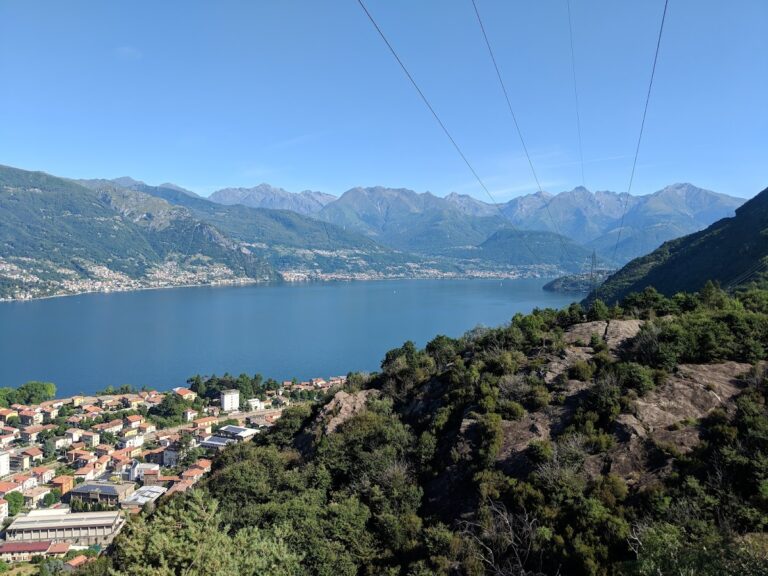
Castle of Corenno Plinio is a medieval fortification in Italy, in Corenno Plinio, now part of Dervio, whose present overall form emerged during rebuilding between 1363 and 1370. Built for defense and observation, it protected access to Lake Como from the Valtellina and Valchiavenna valleys.
Early fortifications and the medieval commune
Some historians have proposed that Corenno was already the site of strategically important fortifications in the Roman era, although that importance later declined. The first known reference to a fortress at Corenno dates to 1040, when the Republic of the Three Parishes, a medieval political association of parish districts in the Lake Como area, besieged and captured the settlement and its castle. People from the surrounding countryside had taken refuge inside the fortification.
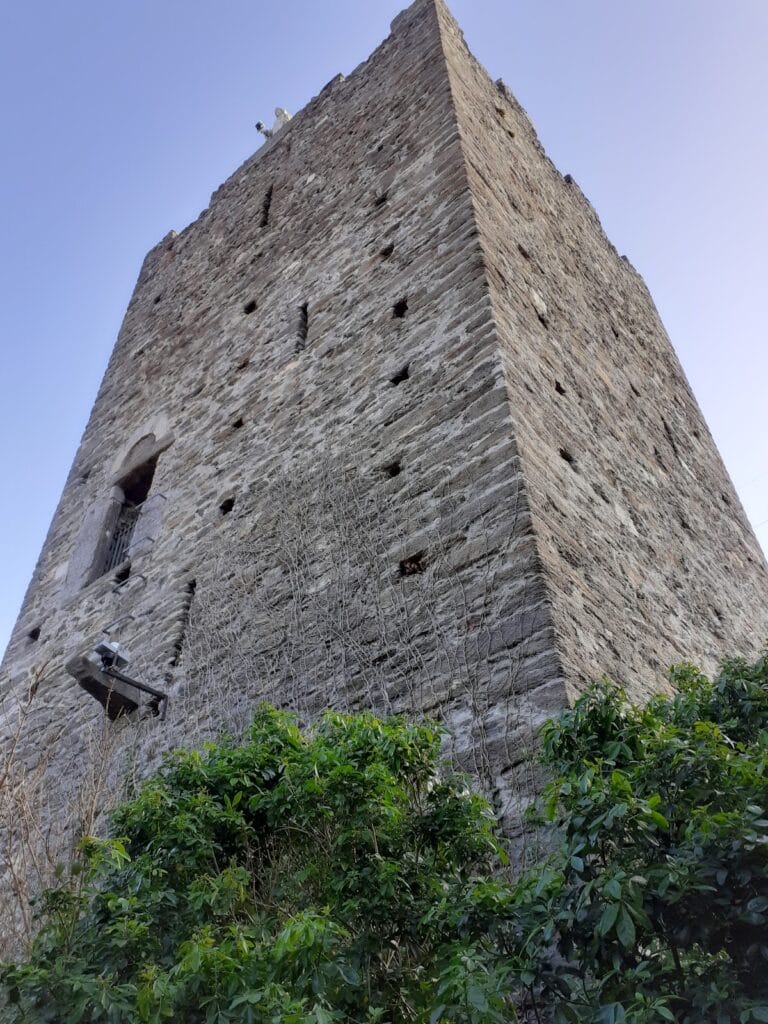
The lower part of the square northeastern tower belongs to the medieval communal period, when many Italian towns were governed by civic communes rather than by a centralized territorial monarchy. The tower may preserve part of an older defensive phase that was later incorporated into the expanded castle.
The Andreani castellans
A tradition maintains that the archbishop of Milan granted the castle to the Andreani family in 1277. The first known reference to the family as castellans appears in the statutes of Dervio in 1389. It is also possible that Lorenzo Sormani-Andreani already owned the castle during the rebuilding carried out between 1363 and 1370, when the fortification acquired its present general arrangement.
In 1396, Gian Galeazzo Visconti, Duke of Milan and the first holder of that ducal title, occupied the castle during the conflict between the Guelphs and Ghibellines. These rival factions in medieval Italy were broadly associated with papal and imperial interests. The stated pretext was the factional conflict, while Visconti’s actual objective was to seize the surrounding territory.
Between 1524 and 1527, the military commander Gian Giacomo Medici, also known as Medeghino, occupied several fortifications on the lake, including Castle of Corenno Plinio. He later returned them to the Duchy of Milan, the major northern Italian state ruled by the Visconti and later dynasties.
Seventeenth-century damage and later change
German mercenary troops known as Landsknechts looted the castle in 1629 while passing along the eastern shore of Lake Como. In 1635, during the Venetian Wars, a Spanish company briefly took control of the fortress. It was promptly renovated and remained in Andreani hands.
During the eighteenth century, the castle definitively lost its defensive role. Its interior was converted into a vineyard, marking a change from a military installation to a property used for cultivation. The moat was filled in during 1830 and 1831 to permit construction of the provincial road between Lecco and Colico. The castle’s dock was designed by Luigi Cagnola, a prominent Italian architect of the Neoclassical period.
Santo Monti’s commentary on records from Feliciano Ninguarda’s pastoral visitations suggested that the Sormani-Andreani family may still have owned the castle in 1895.
Remains
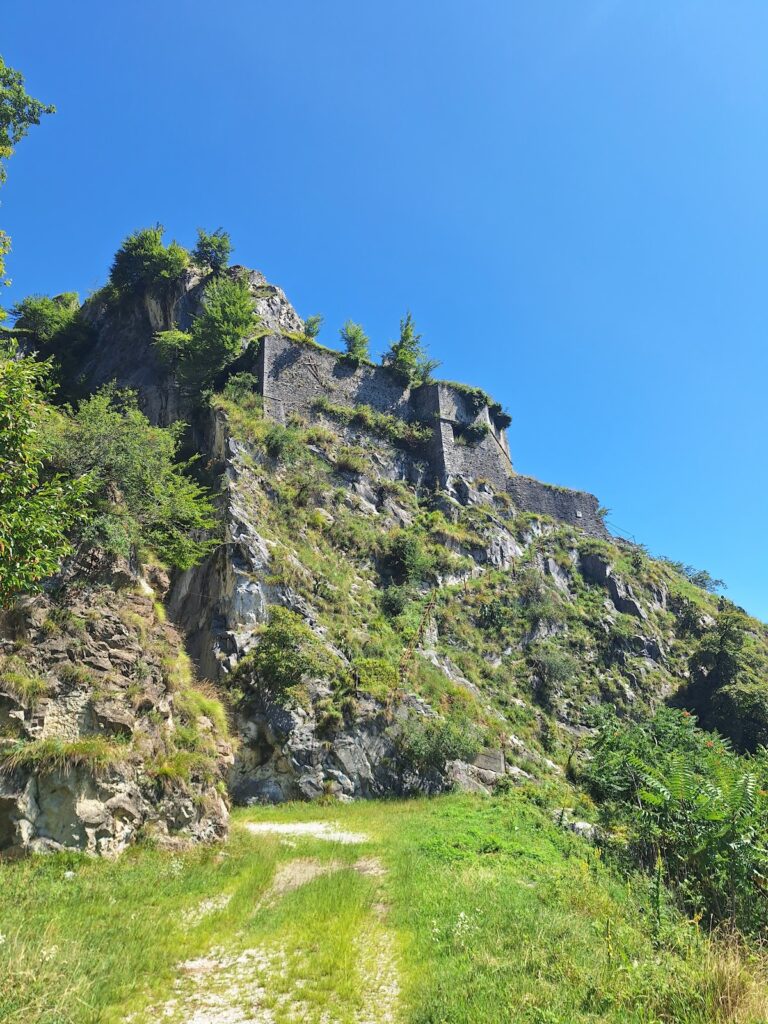
Castle of Corenno Plinio is a small, irregular quadrangular enclosure built directly on rock. Its walls create a fortified perimeter with two integrated towers, one positioned toward the lake and the other on the uphill side. Varied masonry, including squared blocks and herringbone work, reflects construction with materials gathered from the surrounding territory and indicates that the fortification developed through several centuries.
Fortified enclosure and lake entrance
The perimeter walls contain swallow-tail merlons, forked battlements particularly associated with medieval Ghibelline fortifications, and narrow openings for crossbows. The tower tops could also be arranged for defense by throwing projectiles. On the southern side, facing the lake, a sail-form tower protects the entrance portal. Together, the wall line and entrance tower form the castle’s lakeward defensive front.
Towers and changing construction
Square uphill tower
A square tower stands on the uphill side of the enclosure and served as a lookout. Its lower section belongs to the medieval communal period, but the tower may not be contemporary with the rest of the fortification and may date to the eleventh century. Its workmanship differs from the other construction, and it is not closely integrated into the castle plan. Openings for archers replaced the crossbow openings found elsewhere in the walls, supporting the possibility that this tower formed part of an older communal defense later absorbed into the enlarged castle.
Former moat and dock
The moat that once helped protect the enclosure was filled in during 1830 and 1831 for the provincial road between Lecco and Colico. The castle’s dock, designed by Luigi Cagnola, belongs to the later arrangement of the site. These changes altered the relationship between the fortification and its approach while preserving the castle’s position on the rocky lakeside setting.
Nearby sites