Castle Caulfield: A Fortified House in Northern Ireland
Site at a Glance
- Rating
- 4.5
- Popularity
- Low
- Country
- United Kingdom
- Primary era
- Early Modern
- Eras represented
- Medieval, Early Modern
- Civilizations
- English
- Site type
- Domestic
- Remains
- Castle
On this page9 sections
History
Construction and early use
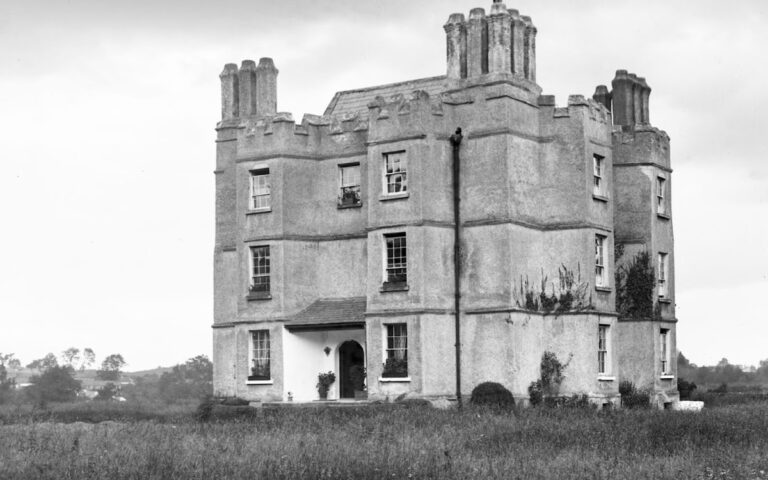
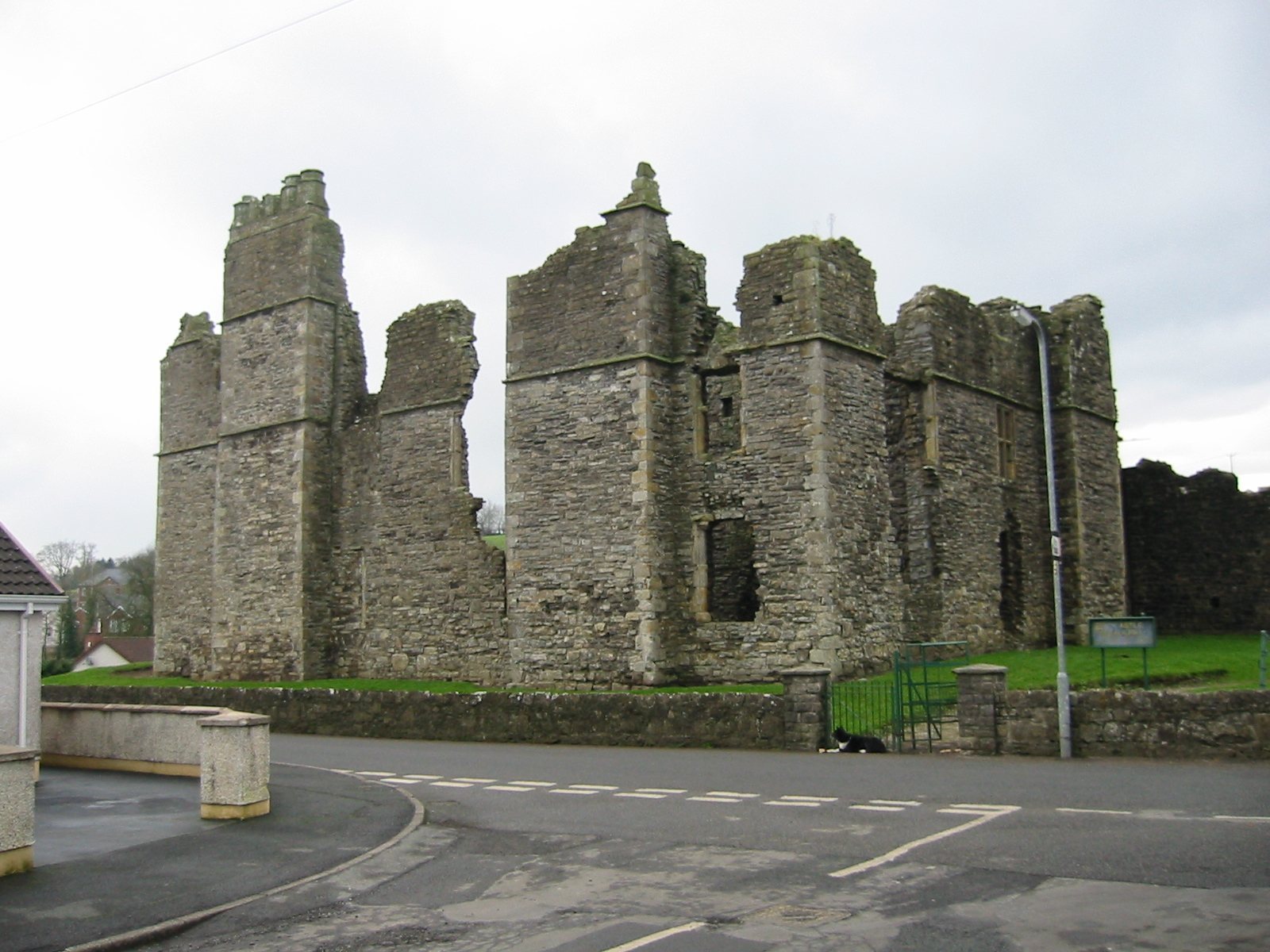
Castle Caulfield is a ruined fortified house in Castlecaulfield, County Tyrone, Northern Ireland, United Kingdom. Sir Toby Caulfeild, an English-born soldier and administrator, built it between 1611 and 1619 on the site of an earlier castle associated with the O’Donnelly clan, an Irish kin-based social and political group. He intended the house to support a way of life like that of an English gentleman, despite the unsettled conditions in this part of Ireland. A description from 1619 praised it as a fine house in northern Ireland.
Rebellion and restoration
During the Irish Rebellion of 1641, an uprising in Ireland, rebels led by Patrick O’Donnell stormed and burned the castle. The Caulfeilds restored it in the 1660s, but it remained in poor condition. The family lived there until about 1700, when the owners abandoned it.
Later associations and protection
Oliver Plunkett, the Catholic archbishop of Armagh later recognized as a saint in the Catholic Church, is said to have celebrated Mass at the castle in 1670, when it was already in ruins. In 1767, John Wesley, an Anglican clergyman who founded the Methodist movement, preached there. Castle Caulfield is now a legally protected State Care Historic Monument.
Remains
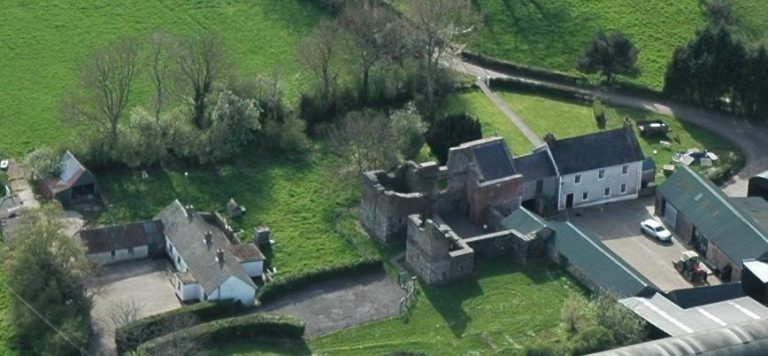
Substantial ruins survive in Castlecaulfield village. The house had a U-shaped plan, three storeys and an attic. A plan from 1619 included a northwest wing, which has since disappeared.
Architectural remains
The house
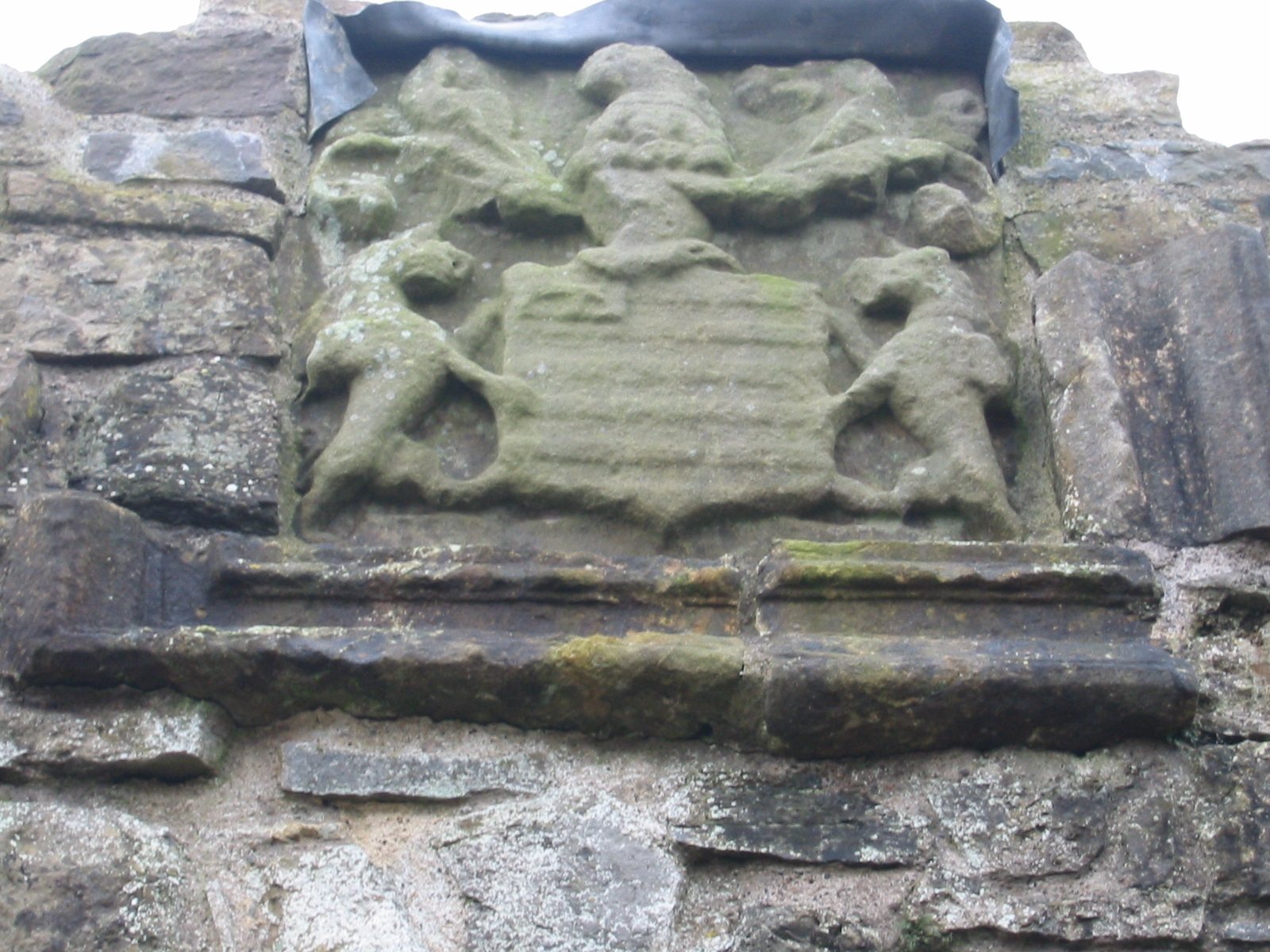
Towers, numerous rooms, fireplaces and tall chimneys formed part of the residence. Its large paired windows were divided by central supports. The building was enlarged and altered in multiple phases, including additions from the Tudor period, the English dynasty’s reign from 1485 to 1603. Defensive openings also belong to different periods. The Caulfeild coat of arms remains above the entrance.
The gatehouse
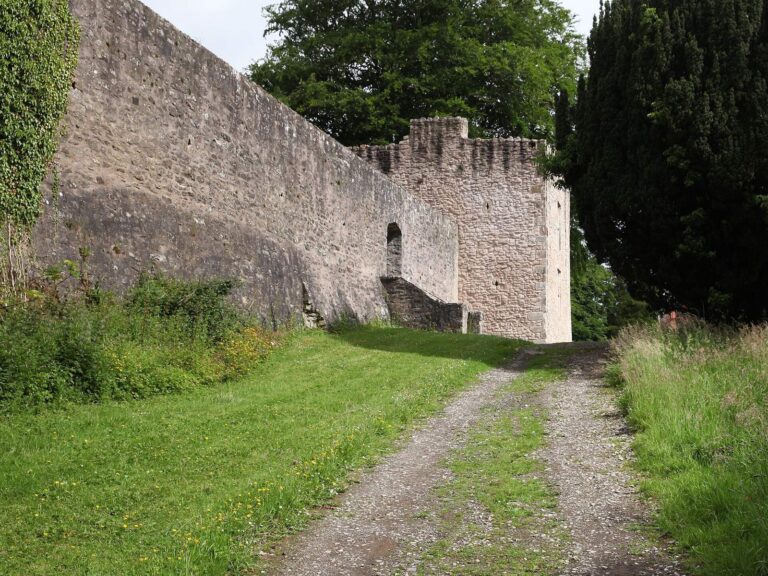
The gatehouse is the oldest surviving part of the complex. Its passages have Tudor-style features, alongside openings in the ceiling through which defenders could attack intruders from above and narrow openings for observation or firing.
Evidence of an earlier fort
A timber from one of the walls dates to about 1282, based on analysis of its annual growth rings. It may have belonged to an earlier fort on the site.