Castle of Santa María de la Cabeza: A Colonial Fortress in Cumaná, Venezuela
Site at a Glance
- Popularity
- Medium
- Country
- Venezuela
- Primary era
- Modern
- Eras represented
- Early Modern, Modern
- Civilizations
- Habsburg, Habsburg Spain, Spanish
- Site type
- Religious
- Remains
- Church
On this page5 sections
History
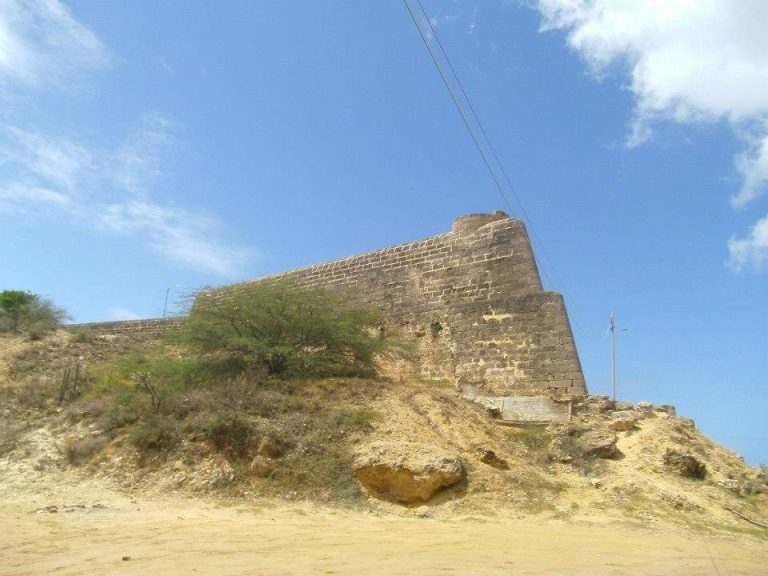
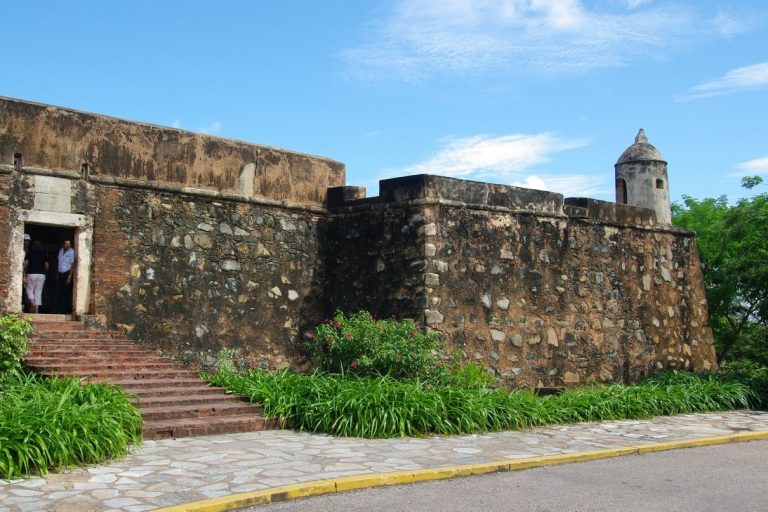
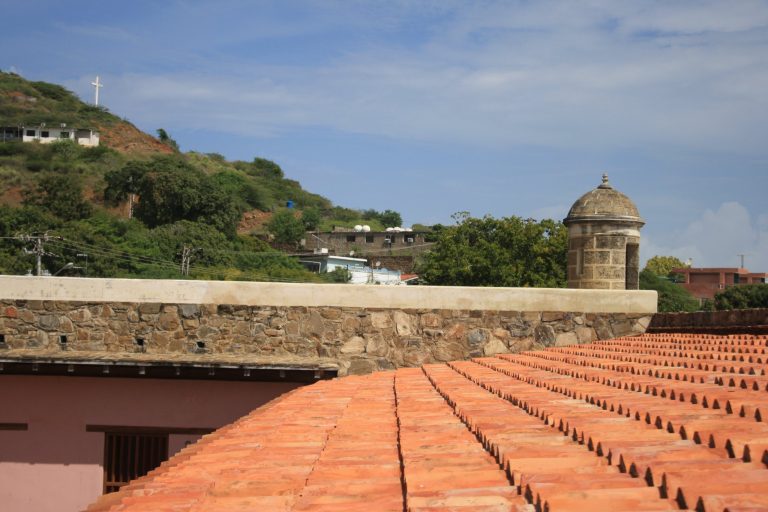
The Castle of Santa María de la Cabeza was a colonial-era fortress in Cumaná, Venezuela, built between 1669 and 1673 as part of the town’s defenses.
Colonial construction and military use
In November 1668, interim governor Juan Bautista de Utarte, whose term ran from 1667 to 1670, proposed a secure barracks for Cumaná. Sancho Fernández de Angulo y Sandoval, governor from 1670 to 1675, revived the plan and took responsibility for the castle. By 1673, the town had three fortresses: San Antonio, Santa Catalina, and Santa María de la Cabeza. The first two were considered too simply built to offer reliable protection from attack. The more solid Santa María de la Cabeza was intended to address that weakness, and it also served as a governors’ residence and military garrison.
Earthquake damage and religious reuse
An earthquake in 1797 severely damaged the castle and left it practically uninhabitable. Around 1800, the Church of Our Lady of Mount Carmel, named for a Catholic title of the Virgin Mary, was built in place of an earlier hermitage of the same name.
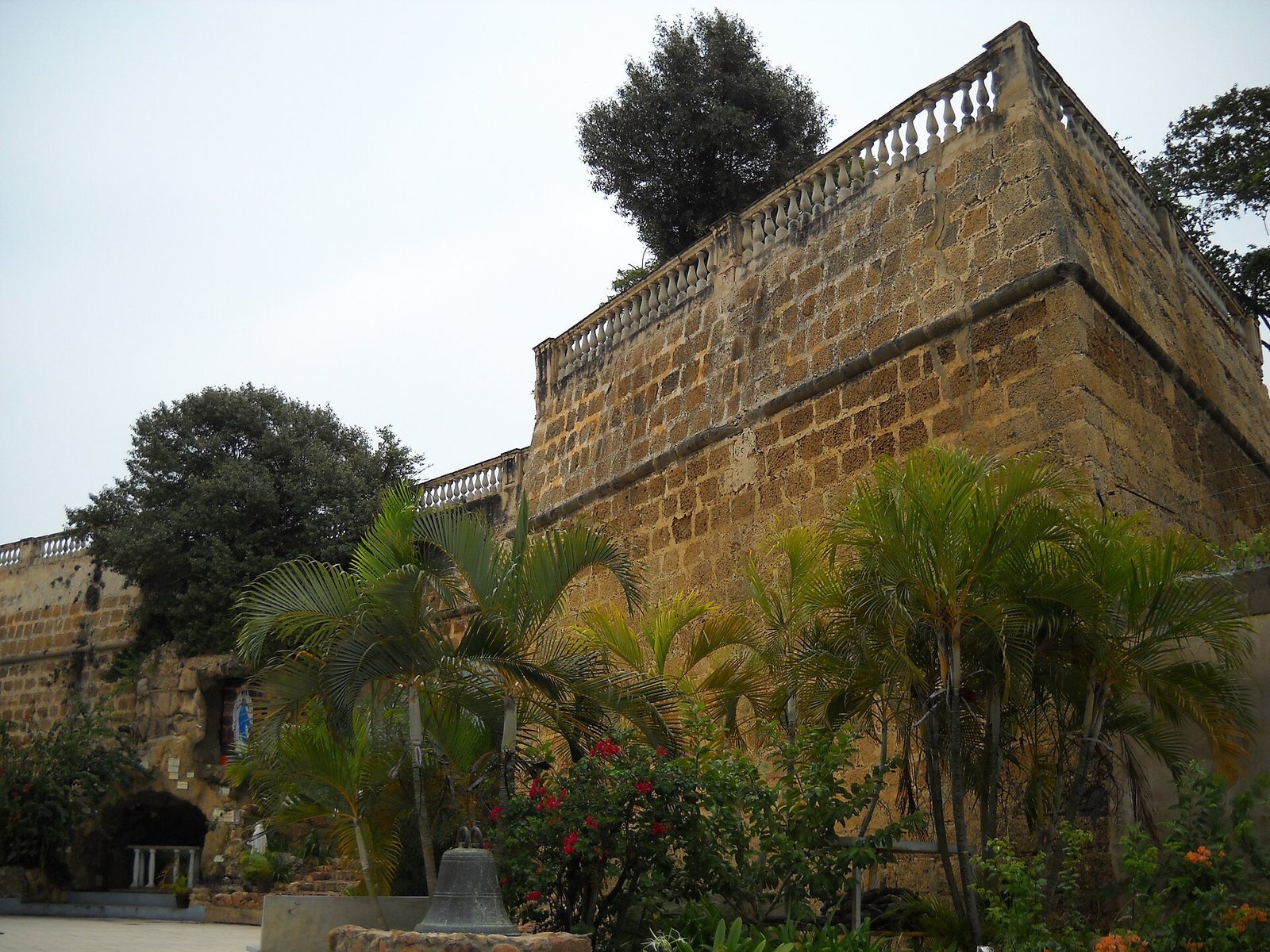
In the early twentieth century, Cardinal Manuel Arteaga Betancourt, a senior Catholic cleric then serving as a parish priest, built a replica of the Lourdes grotto. A grotto is a cave-like shrine used for devotion; Lourdes in France is a Catholic pilgrimage site associated with devotion to Mary. Arteaga also built grottos on Margarita Island and in Caracas. The Cumaná grotto is the largest in Venezuela.
Remains
Fortress and religious structures
The castle was built from blocks of limestone and sandstone containing fossils, quarried from the hills of Cumaná. The church stands over the fortress ruins. At its side entrance, which faces the Basilica of Santa Inés, the church has a grotto dedicated to the Virgin Mary. Stones brought from the original grotto in France were used to make the shrine.