Castillo de Juslibol: A Medieval Defensive Fortress in Zaragoza, Spain


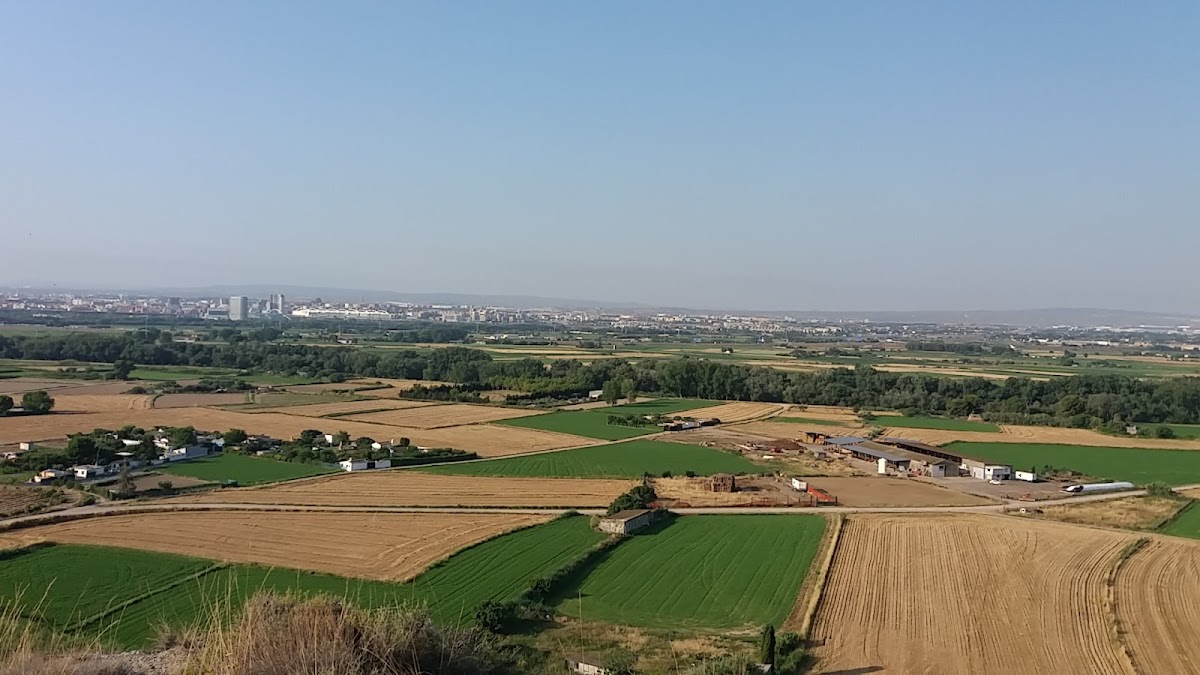

Site at a Glance
- Rating
- 4.1
- Popularity
- Low
- Country
- Spain
- Primary era
- Medieval
- External website
- Open
- Eras represented
- Medieval
- Civilizations
- Taifa Kingdoms
- Site type
- Military
- Remains
- Castle
On this page7 sections
History
Castillo de Juslibol, in Zaragoza, Spain, is a medieval defensive fortress built during the eleventh-century Taifa period by the Islamic rulers of Saraqusta, the medieval name for Zaragoza. Known popularly as Picote de San Martín, it stood above the settlement of Juslibol and formed part of the military landscape outside the city.
The Taifa Fortress
The fortress was established in an area called Mezimeeger during the Taifa period, when independent Muslim kingdoms emerged in the Iberian Peninsula after the fragmentation of the Córdoba Caliphate. As a hisn, or fortified rural settlement, it served defensive and administrative purposes. Its position allowed it to function as a watch and signalling post, warning Saraqusta of Christian incursions from the northwest.
Aragonese Conquest and Changing Ownership
Pedro I’s military expeditions in 1101 brought Mezimeeger into the Kingdom of Aragon. The area acquired the name Juslibol, associated with its military role during the Aragonese siege of Saraqusta. Located about 4 kilometres from Zaragoza’s centre and linked strategically with the nearby Castle of Miranda, it became an important position in the Christian campaign that culminated in the conquest of Zaragoza on 18 December 1118. This conquest formed part of the Reconquista, the long expansion of Christian kingdoms into territories ruled by Muslim states in the Iberian Peninsula.
Once Zaragoza had been conquered, Castillo de Juslibol lost its military function and value and was abandoned. Alfonso I granted it to the Garcés in 1134. In 1160, Ramón Berenguer IV, Count of Barcelona and prince-consort of Aragon, transferred it to the Bishopric of Zaragoza. The castle returned to the Crown during the thirteenth century, before James I of Aragon sold it to the Archdiocese of Zaragoza in 1233.
Protection
Castillo de Juslibol is protected as an archaeological zone and was designated a cultural-interest property in a resolution dated 17 April 2006, published on 22 May 2006.
Remains
The fortress occupies a commanding position above Juslibol. Its remains consist of a small, irregular enclosure built with rammed earth and gypsum rubble masonry. Erosion has severely affected the terrain and the surviving defensive features, while the castle as a whole continues to deteriorate.
Enclosure and Water Supply
The enclosure was bounded by walls, of which the lower sections survive. Inside the remains is a partially vaulted cistern, preserving evidence of the infrastructure that supported the fortified position.
Defensive System
Vestiges of a complex defensive arrangement extend around the enclosure. Ditches, walls, and regularly spaced towers formed the system, although erosion of the terrain has seriously damaged these features. The surviving structures are now in a state of progressive ruin.