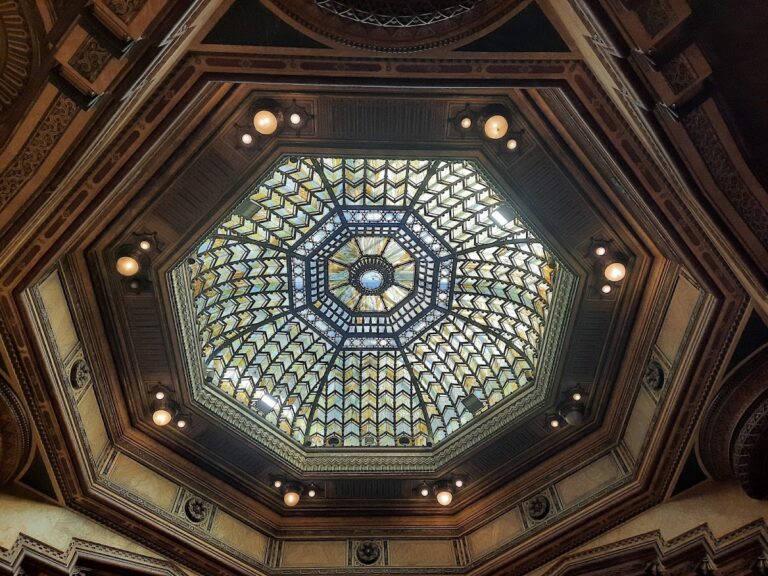
Castelnuovo Fogliani Castle: Medieval Fortress and Aristocratic Palace in Italy


Site at a Glance
- Rating
- 4.5
- Popularity
- Low
- Country
- Italy
- Primary era
- Early Modern
- External website
- Open
- Eras represented
- Medieval, Early Modern
- Civilizations
- Duchy of Milan, Duchy of Parma and Piacenza
- Site type
- Domestic
- Remains
- Palace
On this page8 sections
History
Castelnuovo Fogliani Castle is a medieval lowland fortress in Italy, located at Castelnuovo Fogliani, a settlement of Alseno in Emilia-Romagna. Its origins are variously placed in the eleventh or twelfth century, while the historical narrative describes its construction in the twelfth century. The site later became an aristocratic palace and served as a strategic base for several powerful families of the Parma area and the Po Valley.
Origins and the Pallavicino stronghold
During the twelfth century, the site was known as M. Bello or Belmonte. The Pallavicino family built structures there and strengthened them with bastions and other defenses. These fortifications were damaged during factional conflicts, reflecting the contested political landscape of northern Italy. The settlement and castle subsequently came under the influence of the da Correggio, Pallavicino, and Terzi families.
The Terzi period
The castle eventually became the principal strategic base of the Terzi family and acquired the name Castelnuovo dei Terzi. In 1364, Niccolò de’ Terzi the Elder purchased the jurisdictions of Castelnuovo and Casale Albino from Gherardo Visconti of Piacenza. The Visconti were the ruling dynasty of Milan, whose authority shaped political control across much of northern Italy during the late Middle Ages and Renaissance.
Gian Galeazzo Visconti, lord of Milan, granted the territories to Niccolò as a fief in 1386. A fief was land or jurisdiction given by a superior lord to a subordinate in return for allegiance and service. In 1387, Emperor Wenceslaus confirmed the grant by a diploma signed at Nuremberg, extending it to Niccolò’s descendants and to several other minor territories in the Parma area.
Niccolò’s sons Ottobuono and Giacomo, followed by his grandson Niccolò de’ Terzi the Warrior, retained possession through changing political circumstances until 1449. In 1377, Niccolò de’ Terzi the Elder, a Visconti condottiere, rebuilt or raised the castle’s high tower. A condottiere was a professional military commander who served an Italian state or powerful lord through a formal military contract. The tower’s reconstruction marked the transition from the earlier name Belmonte to Castelnuovo.
Changes of lordship
In 1449, Niccolò de’ Terzi the Warrior was defeated by Francesco Sforza, the new lord of Milan, and forced into exile at the Gonzaga court in Mantua. From 1450, the castle was granted to the Terzi counts of Sissa and Belvedere. The fief later passed to the Dalla Porta family and then to the Visconti of Piacenza.
In 1466, Duke Galeazzo Maria Sforza granted his half-brother Tristano Sforza the honorary fief of Terra Castrinovi. After Tristano’s death in 1472, the fief was assigned to Lodovico Fogliani of Reggio. Lodovico had married Lucia Terzani, the mother of Francesco Sforza, in her second marriage.
In 1479, Lodovico’s son Corrado Sforza Fogliani received the formal investiture of the Castelnuovo fief. Investiture was the act by which a fief was officially granted. Corrado became the founder of the Piacenza noble house of the marquises Sforza Fogliani d’Aragona. The fief remained in the family’s possession for approximately three centuries, giving both the castle and settlement the name Castelnuovo Fogliani.
Palace, donation, and Catholic institution
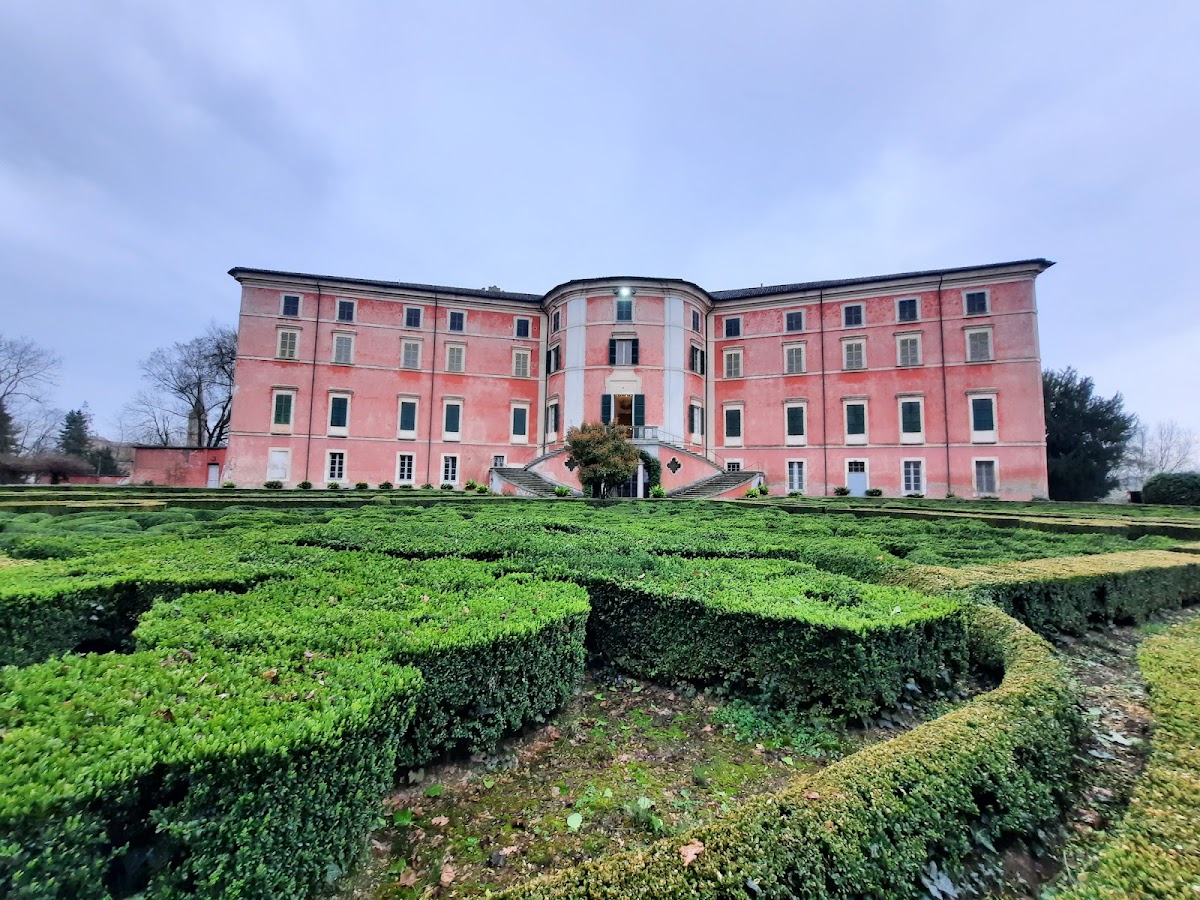
During the eighteenth century, the castle entered a period of particular prosperity. It was completely rebuilt as an aristocratic palace on the commission of Duke Giovanni Fogliani, in a redesign attributed to the architect Luigi Vanvitelli. Vanvitelli was an eighteenth-century Italian architect known for large palace and royal projects. The rebuilding extensively transformed the medieval fortress, replacing much of its earlier fabric with the palace complex.
In 1769, Giovanni Fogliani left his possessions to his grandson Federico Meli Lupi di Soragna on the condition that he take the Fogliani family name. Federico, the last male descendant of the family, appointed his daughter Clelia Sforza Fogliani d’Aragona as universal heir. She was the wife and soon the widow of the Marquis Pallavicini of Parma.
In 1925, shortly before her death, the childless duchess donated the castle-palace to the Roman Catholic Church. Pope Pius XI, head of the Church from 1922 to 1939, decided to establish an institution there for religious women seeking to advance their studies. Father Agostino Gemelli, a Franciscan friar, physician, and founder and rector of the Catholic University of the Sacred Heart in Milan, organized the institution and directed it. Its first academic year opened in 1926.
Castelnuovo Fogliani Castle is designated Italian national heritage. The complex is currently owned by the Toniolo Institute of the Catholic University of the Sacred Heart in Milan.
Remains
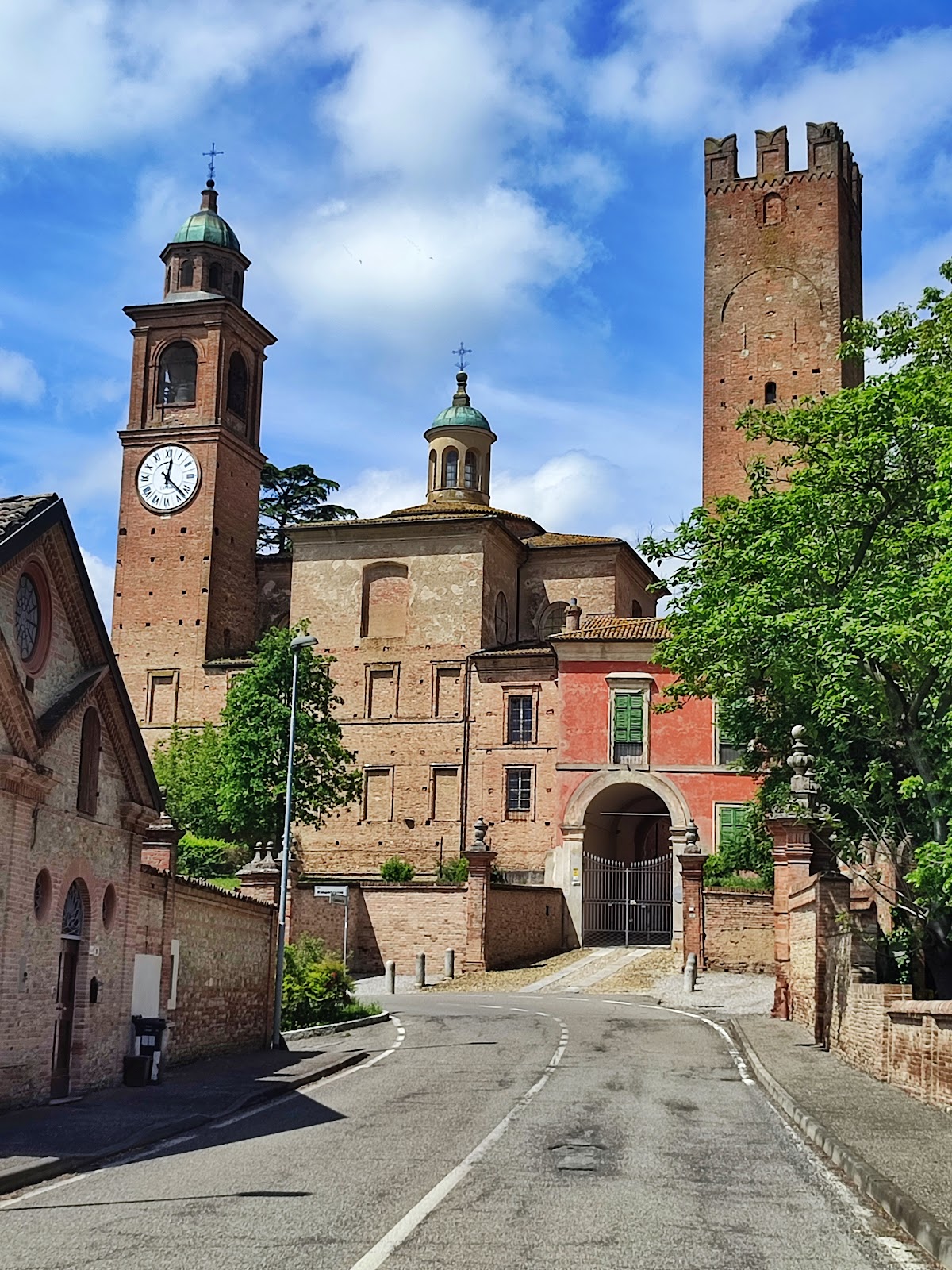
The surviving complex combines the entrance facade of the eighteenth-century palace with the tall tower associated with the earlier fortress. The medieval stronghold stood almost isolated beside the Ongina River and a broad square. It was a substantial lowland castle built in brick masonry, with several buildings, bastions, and other fortifications. The eighteenth-century rebuilding altered this arrangement extensively, and the medieval castle was largely replaced by the aristocratic residence.
The surviving medieval tower
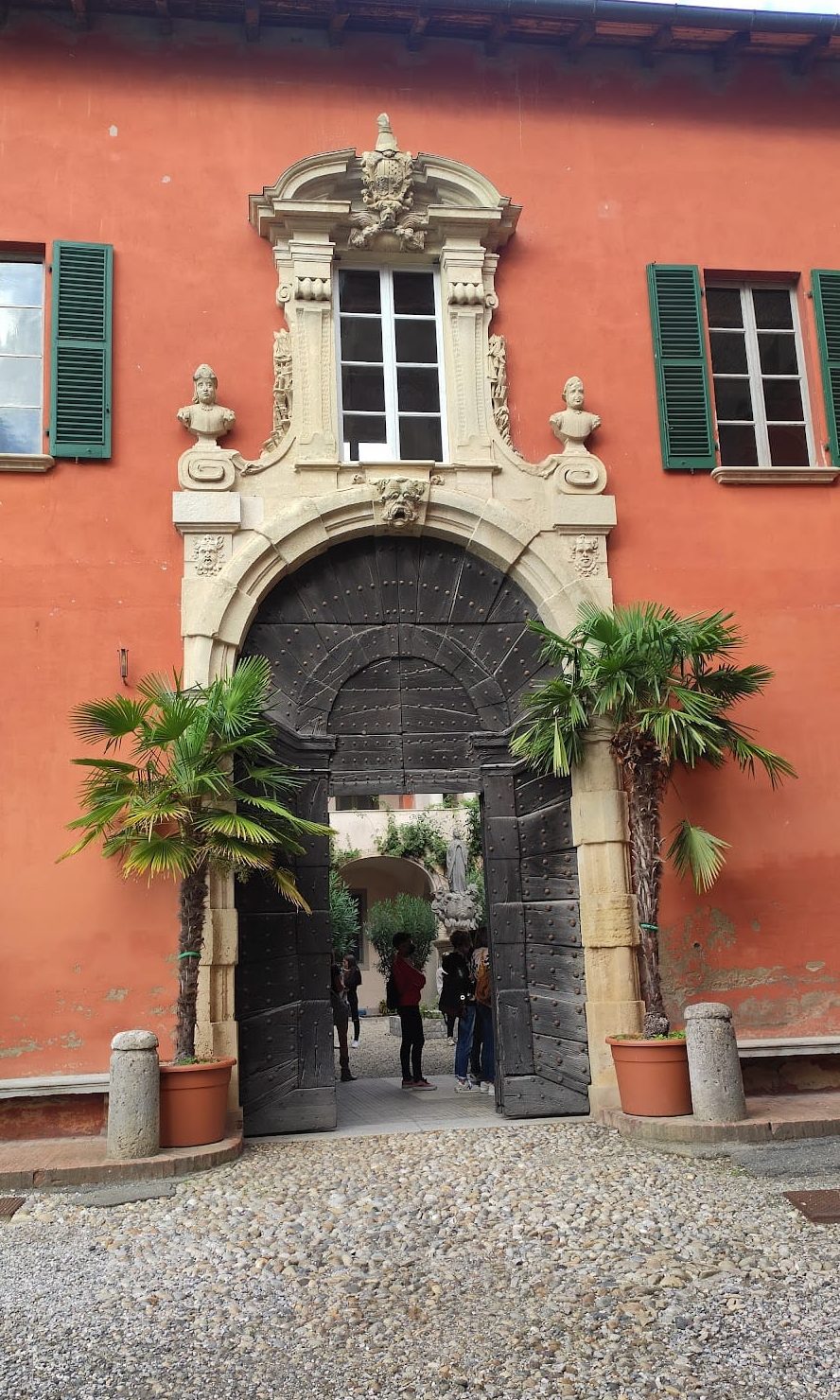
The high tower raised or rebuilt in 1377 is the explicitly identified surviving element of the former fortress. Its construction belongs to the period when Niccolò de’ Terzi the Elder controlled the fief and was strengthening the site as a strategic base. The tower is associated in views and descriptions with the Church of San Biagio and the entrance portal, while the present complex places it alongside the palace entrance facade.
The palace and its record of the fortress
The present palace represents the extensive eighteenth-century transformation attributed to Luigi Vanvitelli. Its entrance facade forms part of the surviving complex, while the earlier fortified layout is also preserved in a fresco inside the palace. This painting depicts the old castle and records the appearance of the former buildings, bastions, and defenses rather than forming part of the medieval structure itself.