Garagnone Castle: A Medieval Stronghold Overlooking the Appian Way
Site at a Glance
- Rating
- 4.7
- Popularity
- Low
- Country
- Italy
- Primary era
- Medieval
- Eras represented
- Medieval
- Civilizations
- Norman
- Site type
- Military
- Remains
- Castle
On this page7 sections
History
Foundation and Frederick II
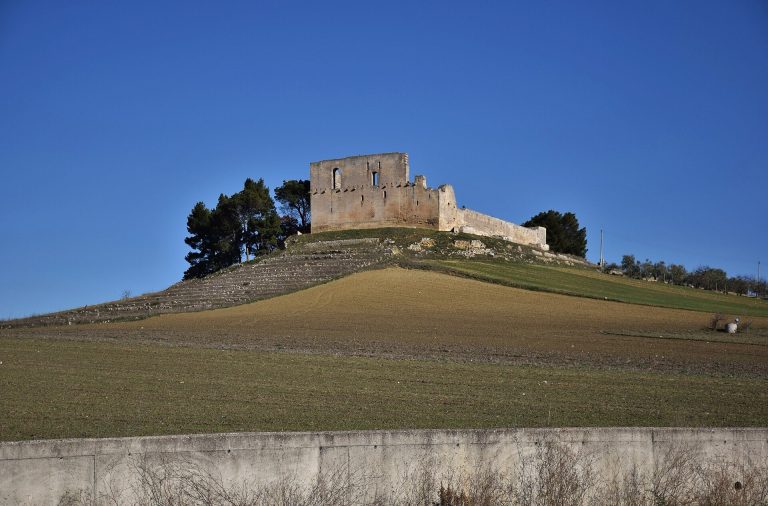
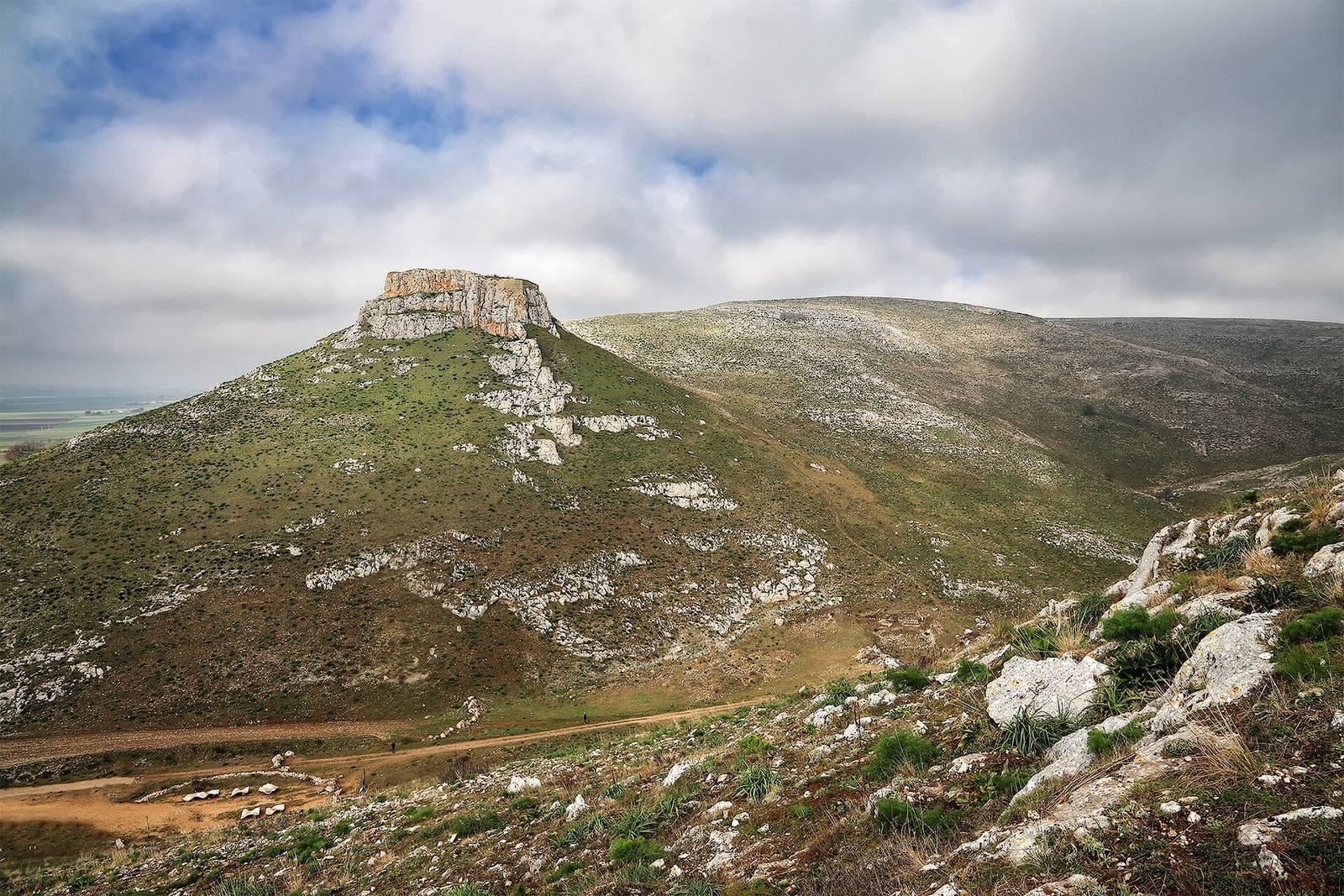
Garagnone Castle stands on a steep hill in the territory of Spinazzola, Apulia, Italy. The House of Hauteville, a Norman dynasty that established power in southern Italy, built it in the twelfth century. The castle’s name is thought to derive from Roberto Guaragna, a Norman knight who arrived in Italy in 1048.
The hilltop position allowed the castle to oversee commercial traffic on the Appian Way, a major Roman road that ran below it near Silvium, an ancient city of the Peucetians, a people of Apulia. The castle also sent a torch signal to nearby Castle of Monteserico when enemies approached. Frederick II of Swabia, a thirteenth-century Hohenstaufen ruler and Holy Roman Emperor, later modified the castle and reshaped it as a residence.
Grimaldi Rule and Destruction
In 1532, Charles V of Habsburg granted the fief, an estate held under feudal obligations, to Monaco’s ruling Grimaldi family. The family held it until 1641. An earthquake destroyed the castle in 1731.
Archaeological Discovery
Excavations by Donata Venturo in 1997–1998 identified a Bronze Age village in the valley below the castle. It is regarded as the largest Bronze Age village in southern Italy.
Remains
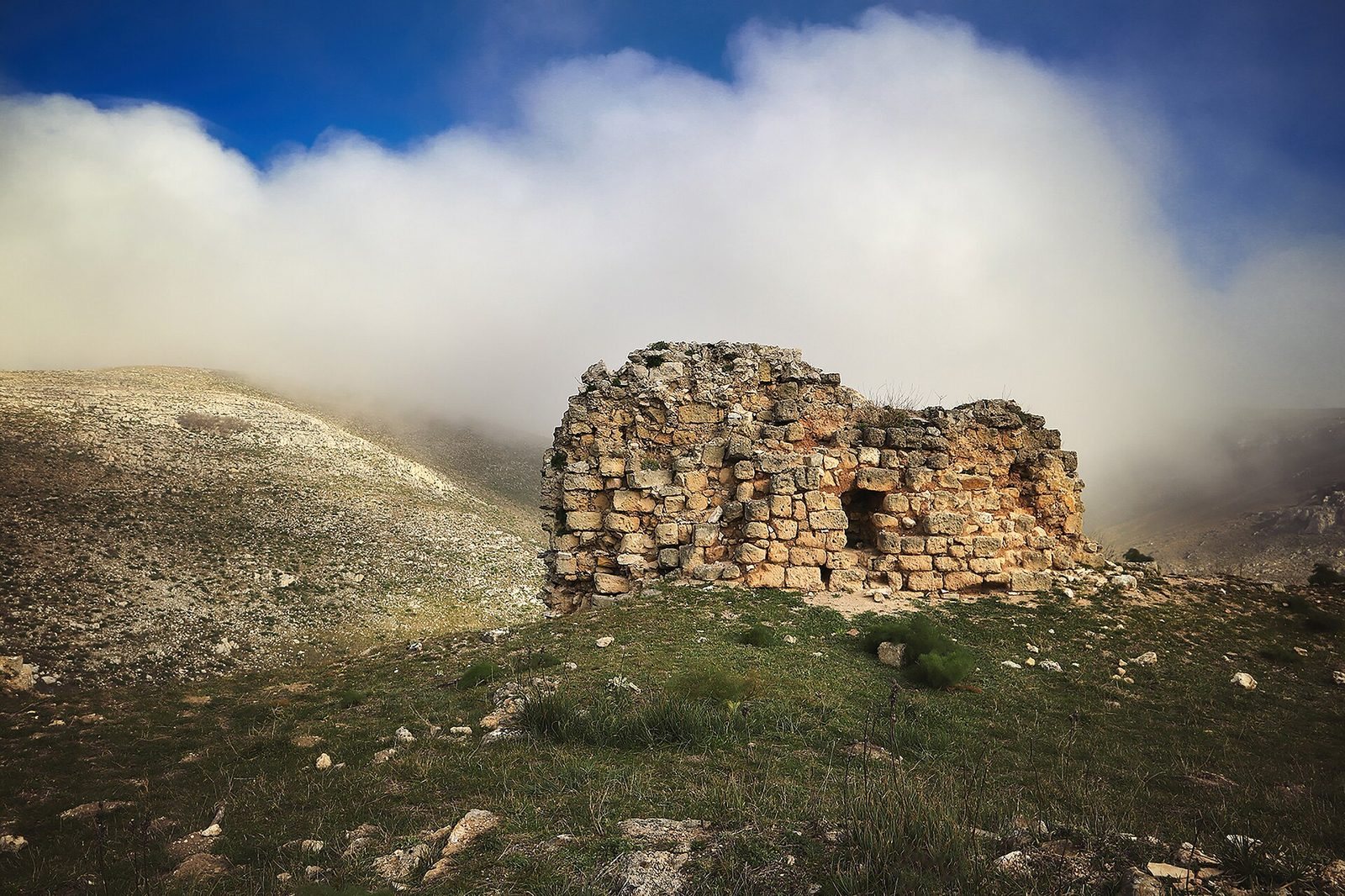
The surviving remains occupy the steep hilltop and the valley below. The castle ruins include underground rooms and part of the enclosing wall, while the Bronze Age village lies beneath the hill.
Hilltop Castle
Some underground rooms and a section of the castle’s enclosing wall remain visible among the ruins on the hill.
Valley Settlement
The Bronze Age village occupies the valley below the castle.