Castel Fiorentino: Norman Castle and Imperial Residence in Italy
Site at a Glance
- Rating
- 4.5
- Popularity
- Medium
- Country
- Italy
- Primary era
- Medieval
- Eras represented
- Medieval
- Civilizations
- Kingdom of Sicily, Norman
- Site type
- Military
- Remains
- Castle
On this page7 sections
History
Castel Fiorentino is a ruined Norman castle in Italy whose position enabled control of the surrounding countryside. The site was most important between the 11th and 13th centuries. It began as a Norman stronghold and was later converted into an imperial residence.
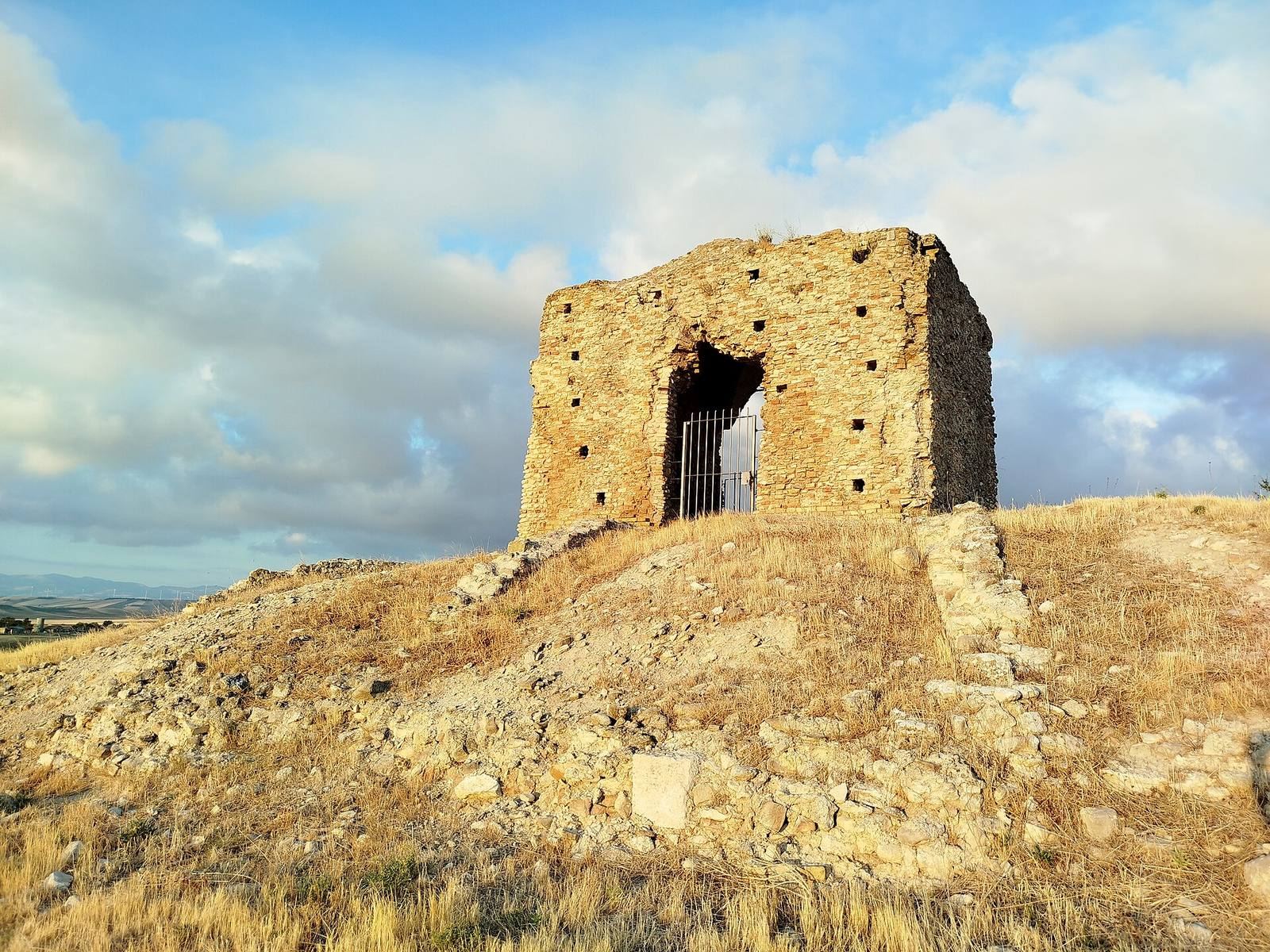
Frederick II, a member of the Hohenstaufen dynasty and Holy Roman Emperor, died at Castel Fiorentino on 13 December 1250. The site has been uninhabited for centuries. Archaeological investigations later brought to light the ground floor of the palace associated with Frederick.
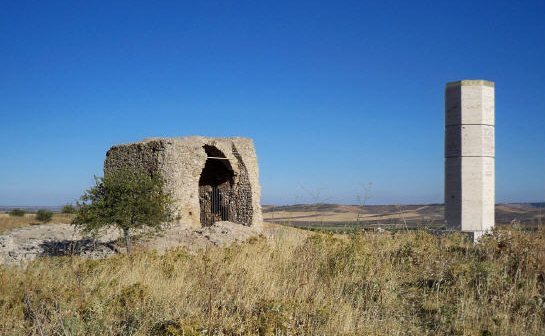
The Committee of Friends of the Hohenstaufen erected a memorial stele beside the ruins. It was unveiled on 13 December 2000, the 750th anniversary of Frederick’s death.
Remains
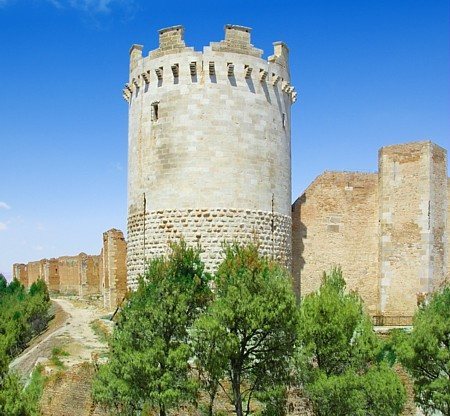
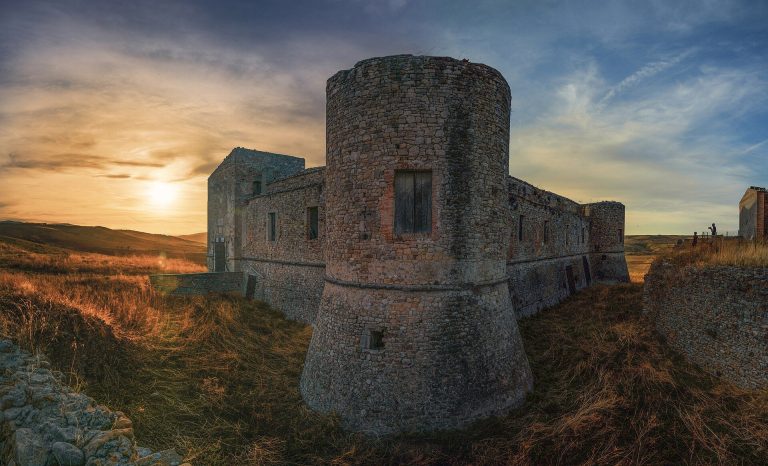
The fortified site occupies an elongated hill. A Norman donjon, meaning the principal fortified tower, stands at one end. The castle and the surviving palace remains form part of this hilltop complex.
Fortifications and palace remains
Norman fortification
The Norman-origin castle occupies the hill, with its donjon at one end. The tower and castle now survive as ruins.
Palace associated with Frederick II
The palace’s surviving ground floor contains two small fireplaces, floors laid in a herringbone pattern, plastered masonry, and arches supporting barrel vaults, which are curved tunnel-like ceilings, and cross vaults, formed where vaulted ceilings intersect. The walls are thick enough to indicate that the building had one or two upper floors, where windows must have opened.
Costly marble decorated the palace, as it did buildings at Lucera, Castel del Monte, and the imperial residence in Foggia. Over the centuries, finely carved decorations were removed for reuse in the church and houses of nearby Torremaggiore. Some decorated fragments could be restored, including lifelike horns, small twisted columns, and carved capitals, the upper parts of columns.
Castle table
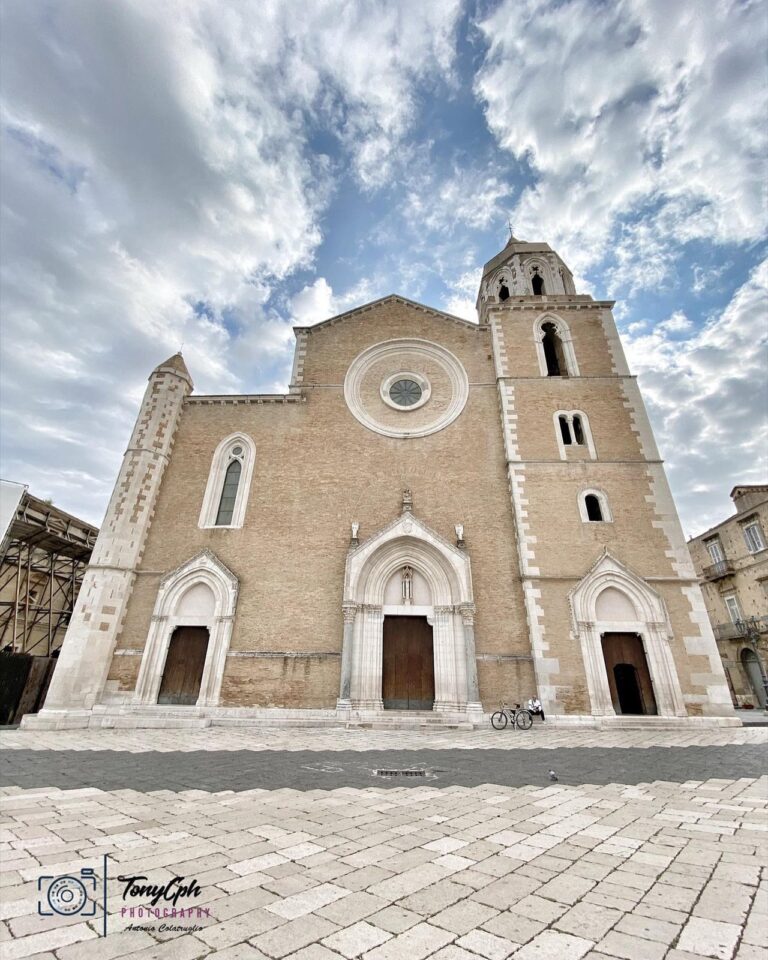
A table from the castle now serves as the main altar in the Cathedral of Santa Maria Assunta in Lucera.
Memorial stele
The memorial stele stands beside the ruins.