Casa del Capitano: A Medieval Palace in Ferrara, Italy
Site at a Glance
- Popularity
- Very Low
- Country
- Italy
- Primary era
- Medieval
- Eras represented
- Classical, Medieval
- Civilizations
- Roman
- Site type
- Domestic
- Remains
- Elite Residence
On this page6 sections
History
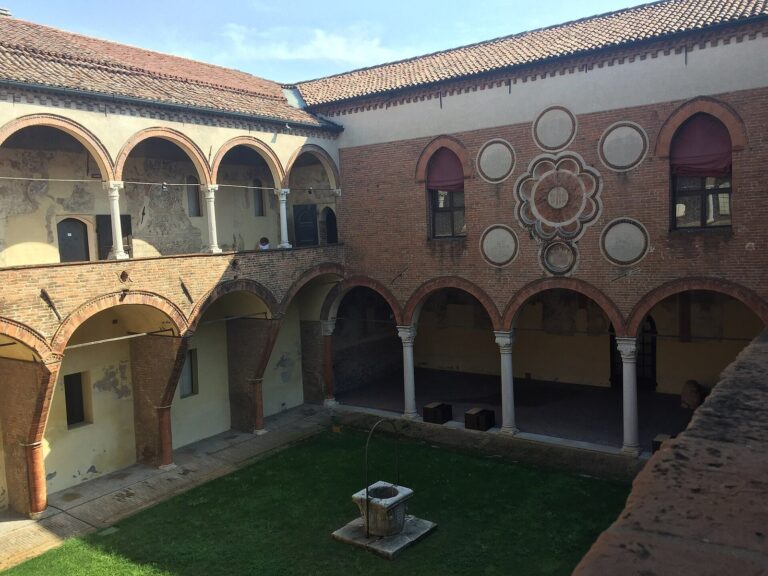
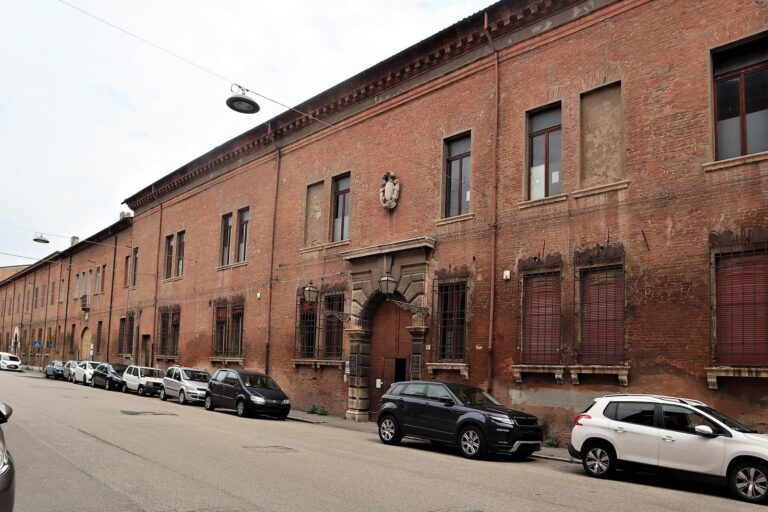
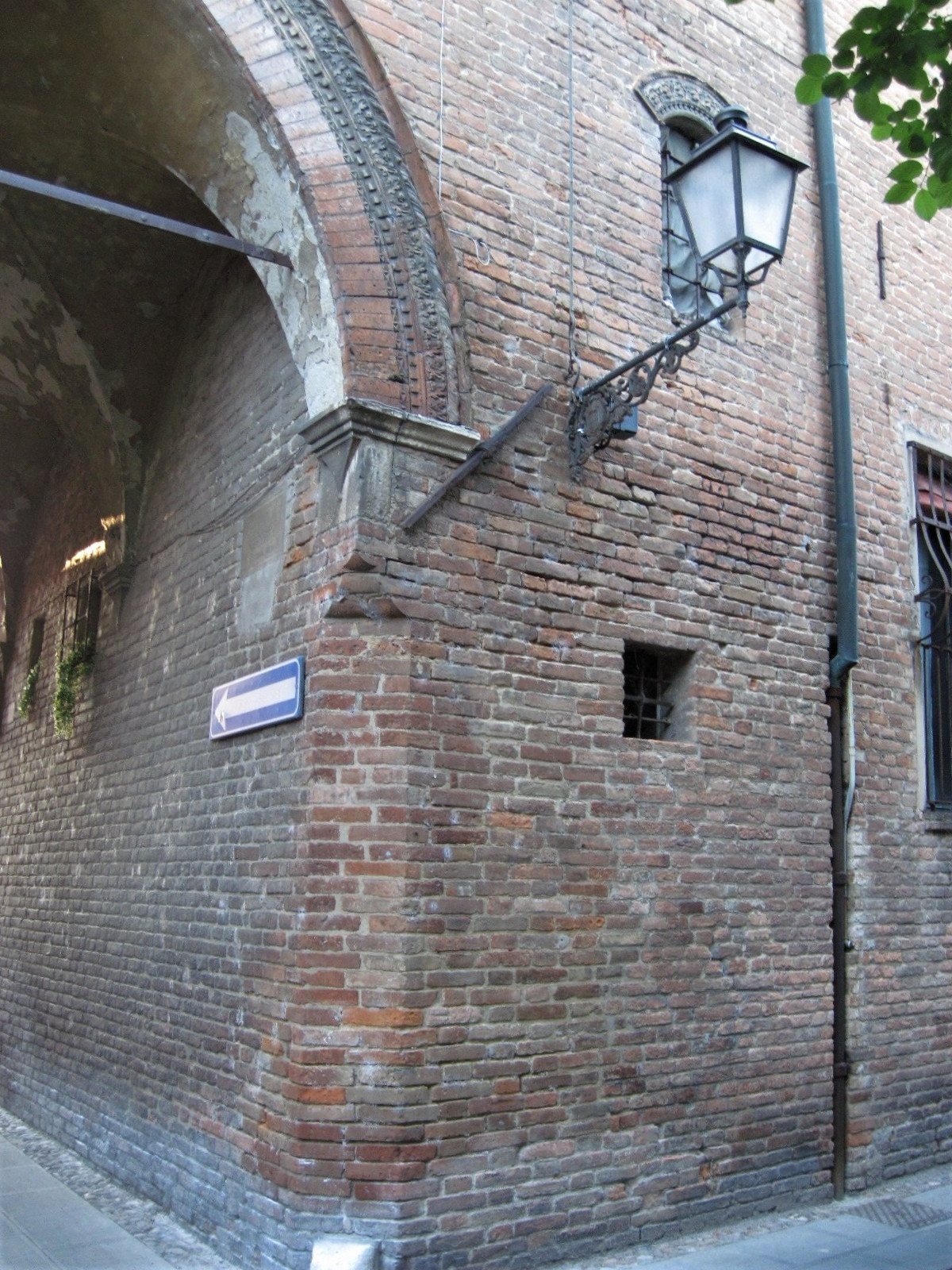
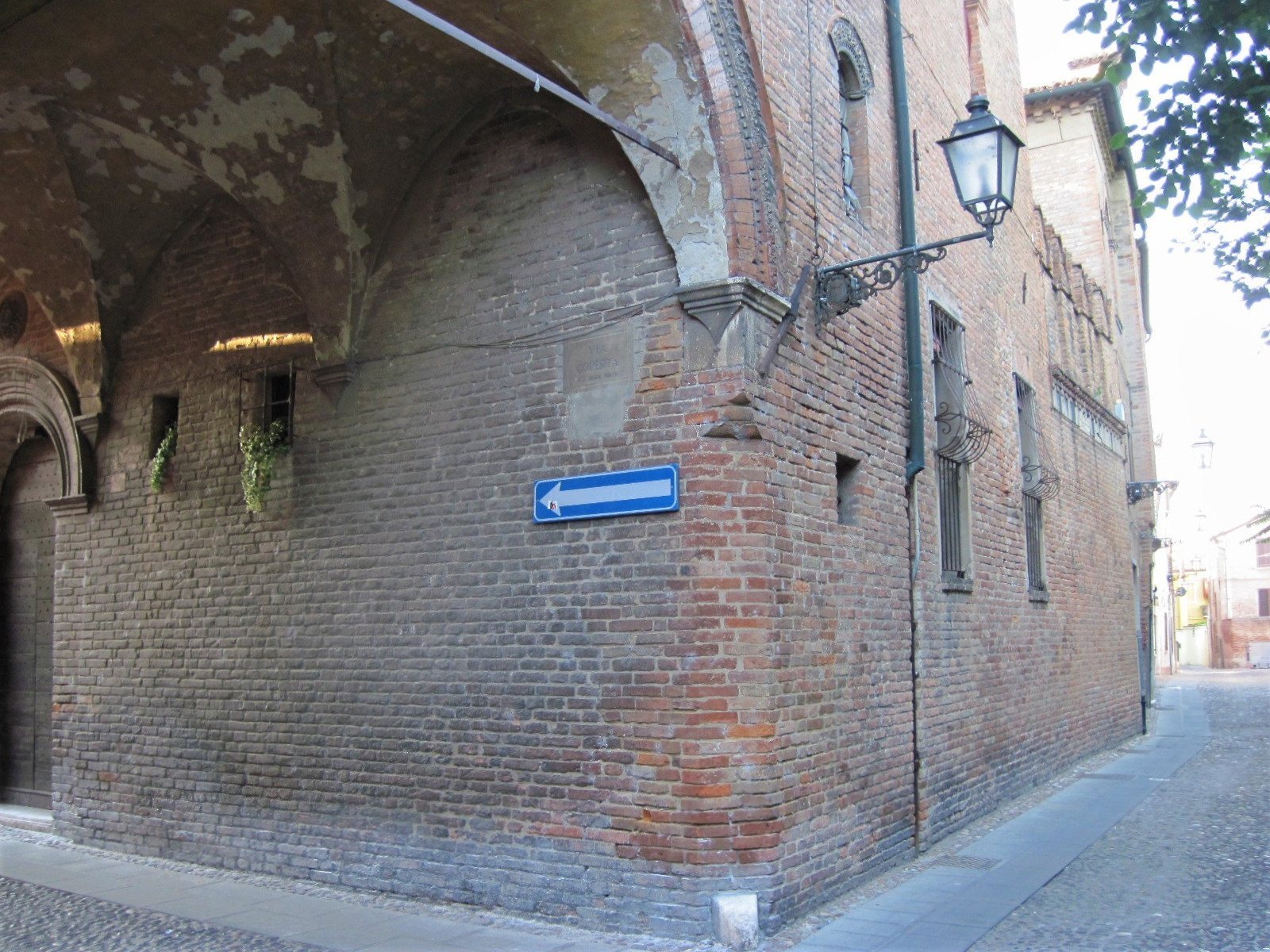
Casa del Capitano, also known as Casa Pisani, is a palace in Ferrara, Italy, at the junction of Via Coperta and Via Voltacasotto. Its history is tied to the city’s medieval noble families, and its names reflect successive associations with a local captain and the Pisani family.
Medieval families and owners
The name Casa del Capitano recalls a captain of Ferrara who, around the twelfth century, may have been based in the house or nearby. He belonged to the Casotto family, which also gave its name to Via Voltacasotto. The powerful Casotto family probably owned the building first and died out around the end of the twelfth century.
Members of the Casotto family had connections with the Adelardi, a noble family associated with medieval Ferrara, and with Matilda of Canossa, a powerful Italian noblewoman. Through Matilda, they were linked to the family then controlling Ferrara. Sichelmo Casotto was the brother of Landolfo, bishop of Ferrara. Obizzo I d’Este may have lived in the house briefly; he was among the first members of the Este family to be called a marquis, a high-ranking noble title. The property may later have belonged to the marquises of the Obizzi family, who also owned a palace on Via Porta San Pietro.
Later use and restoration
The name Casa Pisani comes from the Pisani family, which owned the building in the seventeenth century. A notarial document suggests that the painter Benvenuto Tisi da Garofalo, commonly known as Garofalo, made it his last residence in Ferrara. He may have died there in 1559.
In the early twentieth century the building was neglected for several years, and people feared that its vault might collapse. Local superstition said witches gathered there at night, and the house was for a time called the “Witches’ Vault.” Ferrariae Decus, a Ferrara heritage-preservation association, promoted major restoration in the 1940s. Further conservation and archaeological investigation followed in 1973. The findings were interpreted in different ways, leaving aspects of the building’s history unsettled.
Remains
Street setting and surviving structure
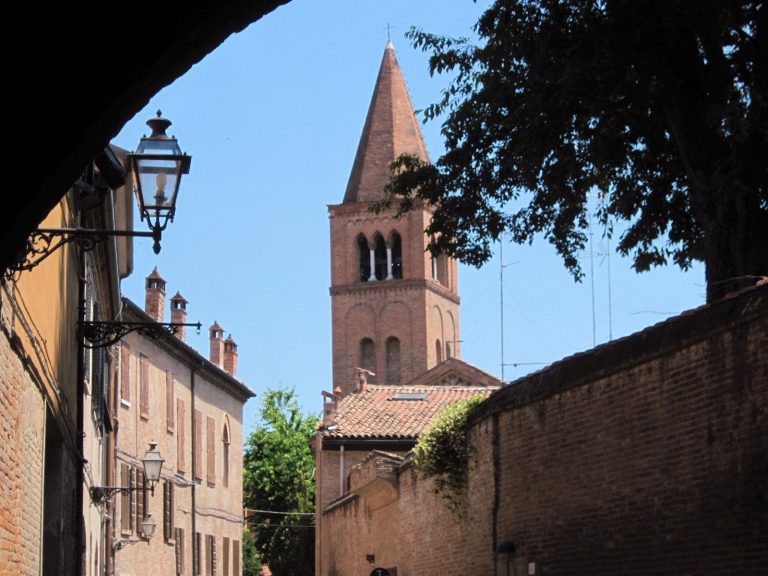
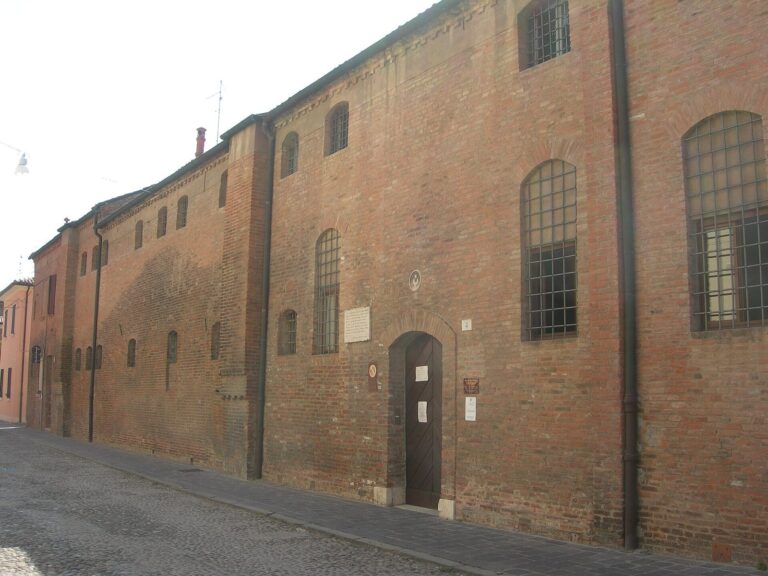
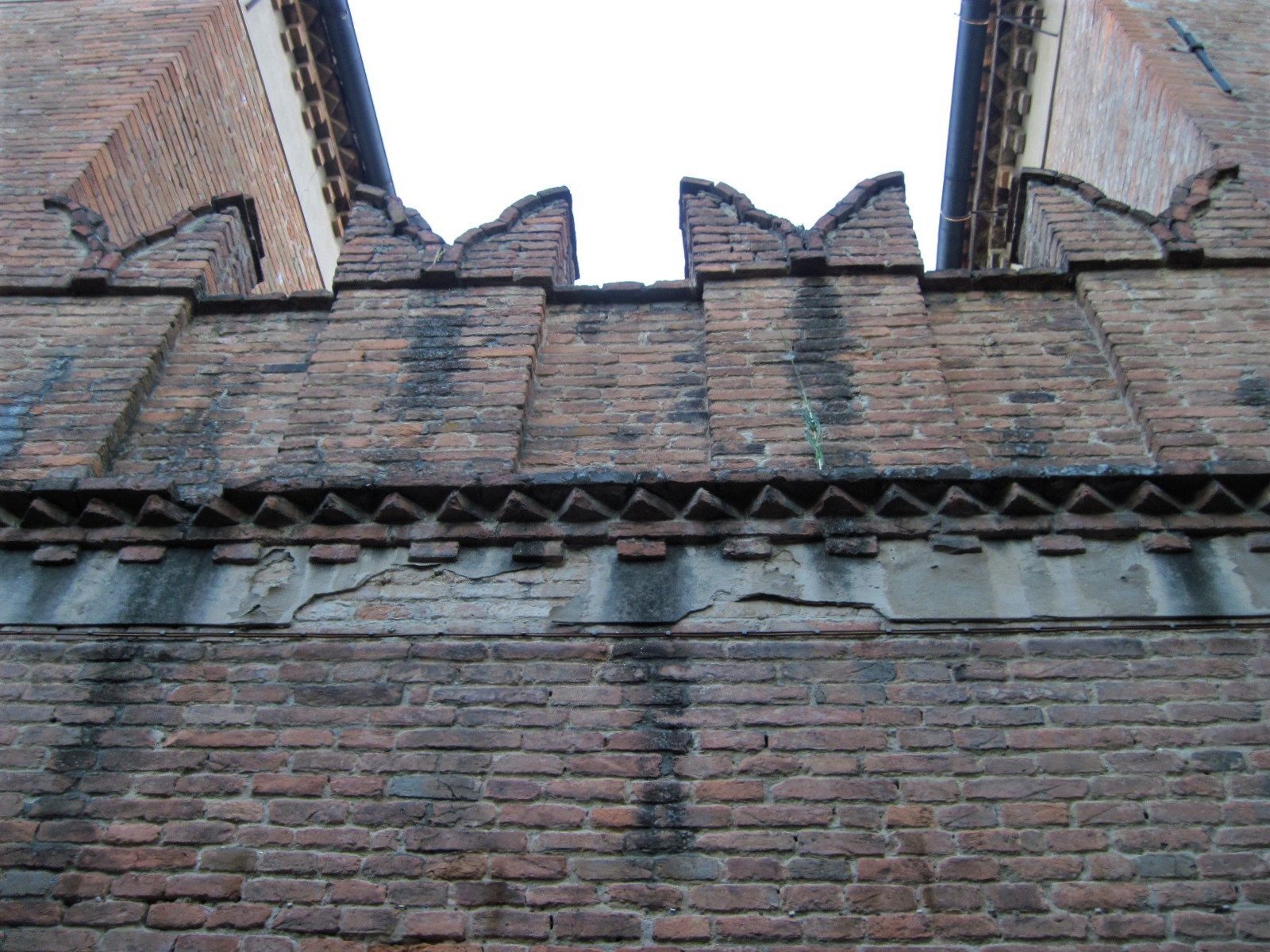
The palace stands where Via Coperta meets Via Voltacasotto, in the area of the former Castello dei Curtensi. Its most prominent feature is a large vault spanning Via Coperta. Part of the building retains fork-topped battlements associated with the Ghibellines, a medieval Italian faction that supported imperial authority. Across Via Voltacasotto, a small walled green area occupies the site of the Adelardi castle, which stood there at the end of the twelfth century.
Roman road and early city walls
Remains of a Roman-period road were found in areas belonging to the fortified house. Some of the road material may have been reused around the sixth century to build the first city walls on Ferrara’s eastern side.