Bolgar Historical and Archaeological Complex: Capital of Volga Bulgaria
Site at a Glance
- Popularity
- Medium
- Country
- Russia
- Primary era
- Medieval
- Eras represented
- Medieval, Modern
- Civilizations
- Golden Horde, Russian
- Site type
- City
On this page7 sections
History
The Bolgar Historical and Archaeological Complex preserves the remains of a medieval city in the Republic of Tatarstan, Russia, near the confluence of the Volga and Kama rivers. Volga Bulgars developed Bolgar from a summer settlement into their capital around 925, and it later became an important political, commercial, and religious center in the region.
From settlement to capital
The date when the Bulgars first entered the Volga region is uncertain, with estimates ranging from the mid-seventh to the early ninth century. Early rulers maintained separate summer and winter settlements. Their summer encampment grew into the city of Bolgar around 925. Volga Bulgaria first came under the Khazar Khaganate, a medieval state of the Eurasian steppe, and later developed closer ties with the Abbasid Caliphate, a major Islamic empire centered in the Middle East, while pursuing independence.
The state’s official adoption of Islam is dated to 922, although a traditional account places it in 889. In 922, Ibn Fadlan, a member of an Abbasid diplomatic delegation, spent three months at the summer encampment shortly before the city emerged. Bolgar prospered as a trading center connecting Eastern Europe with Central Asia. Leatherworking and other crafts also developed, and the city retained commercial importance after the capital moved to Bilyar.
Golden Horde and regional religious center
Mongol forces besieged and burned Bolgar in 1236. In 1242 it became the first capital of the Jochid Ulus, usually called the Golden Horde, a state established by descendants of Jochi, a son of Genghis Khan. The city revived in the late thirteenth century, and construction continued even after the capital moved to Sarai.
As the Golden Horde weakened, Bolgar became part of the Kazan Khanate, a successor state in the Volga region. It kept its commercial role and became a leading center of regional Islamic life. From the sixteenth century, Muslims also traveled there on pilgrimage, a journey to a place regarded as sacred. This devotion gave rise to the name Little Hajj for the journey to Bolgar.
Russian rule and early preservation
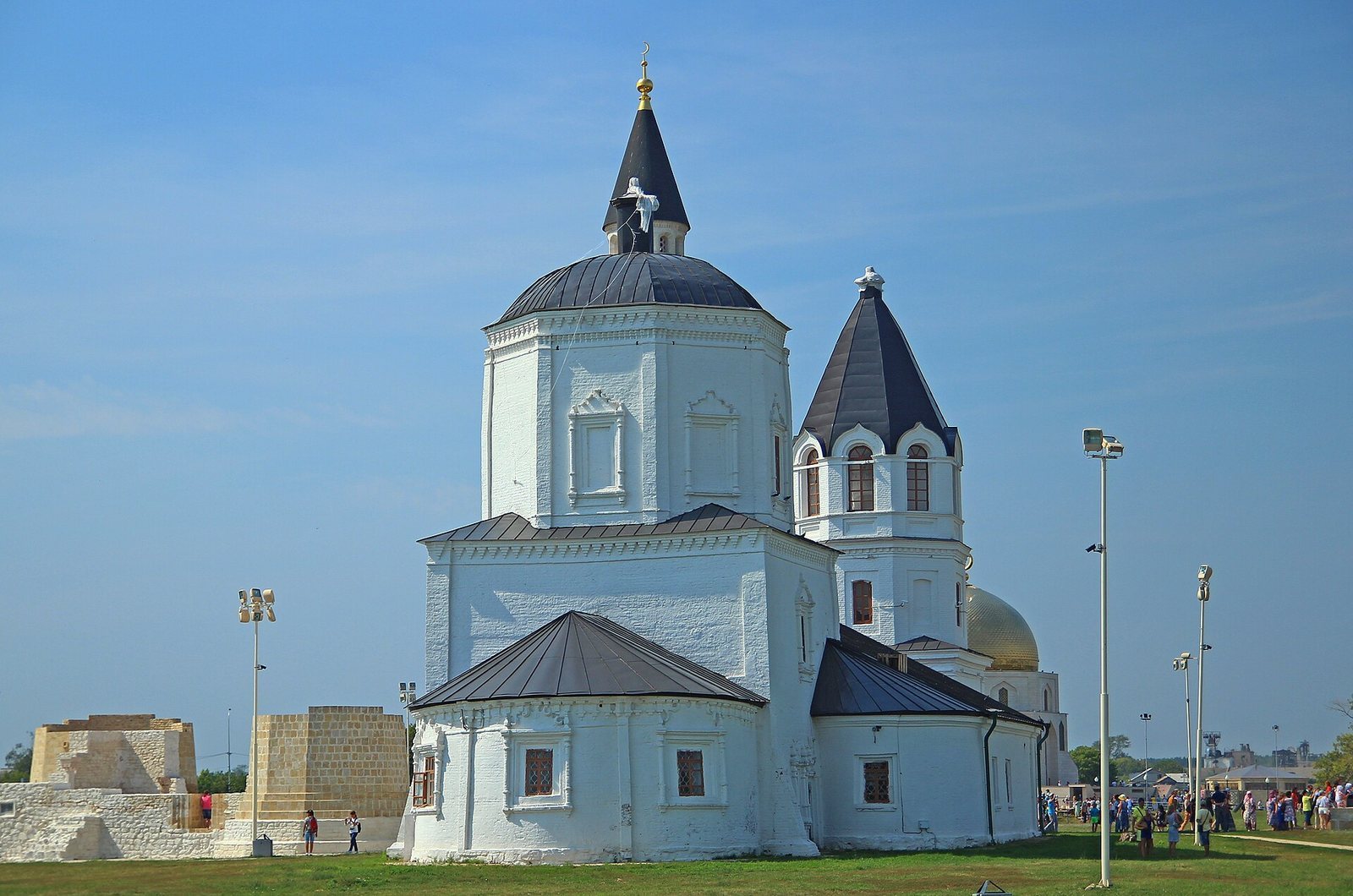
After the Kazan Khanate fell, the region was incorporated into Russia during the sixteenth century, and Bolgar was renamed Spassk. The ruins were quarried for stone for new construction between the sixteenth and nineteenth centuries. An Orthodox monastery occupied the site from 1712 until the 1770s.
Peter I, the Russian ruler also known as Peter the Great, visited the ruins in 1722 and ordered their preservation and investigation. The order was among Russia’s earliest official measures to protect Bolgar and an early instance of a Russian ruler advocating the preservation of archaeological remains.
Soviet and post-Soviet Bolgar
Completion of the Kuibyshev Dam in the mid-1950s raised river levels, prompting the town of Kuibyshev to move away from the archaeological site. The nearby town was renamed Spassk-Tatarsky in 1926 and Kuibyshev in 1935. In 1969, the Tatar Autonomous Soviet Socialist Republic established the Bolgar State Historical and Architectural Museum-Reserve, a protected area managed for museum and conservation purposes that included Bolgar and Sviyazhsk. Since 1991, the town and site have used the name Bolgar, following Tatar pronunciation.
In the late Soviet and post-Soviet period, Bolgar was increasingly presented as ancestral land for Tatars and as a center of regional Islam. A gathering held there in 1989 commemorated the traditional 1,100th anniversary of the adoption of Islam; it later became an official state event attended by Tatarstan’s leaders, and Bolgar was promoted as a regional pilgrimage center. The site also came to represent coexistence among different peoples and religions in post-Soviet Tatarstan.
Tatarstan’s first president, Mintimer Shaimiev, led preservation and restoration efforts after the Soviet period. In 1998 he promoted the nomination of Bolgar, the Kazan Kremlin, and Sviyazhsk for World Heritage status. After leaving office, he founded the Tatarstan Republic Foundation for the Revival of Historical and Cultural Monuments in 2010; the foundation supported preservation, restoration, and tourism development at Bolgar. Archaeological work during this period uncovered the remains of a palace associated with Batu, a Mongol ruler and grandson of Genghis Khan.
The presentation of Bolgar as a symbol of Tatar identity and the growth of tourism prompted criticism. Some intellectuals questioned whether modern Tatars were being linked more closely to Volga Bulgaria or to the Golden Horde, noting that the principal surviving buildings chiefly belong to the latter period. The commercial activity associated with the pilgrimage gathering was also criticized.
World Heritage inscription
Bolgar entered Russia’s World Heritage tentative list in 1991. Following a nomination promoted in 1998 and a formal submission in 1999, ICOMOS, the International Council on Monuments and Sites, recommended inscription under criterion (iii), which recognizes rare evidence of a cultural tradition or civilization. The World Heritage Committee deferred consideration in 2000 and 2001 amid debate about the Great Minaret’s reconstruction.
Russia resubmitted the nomination in 2012. ICOMOS then advised against inscription, citing reconstruction and tourism development that it considered insufficiently grounded in evidence and damaging to the site’s integrity and authenticity. In 2013, the World Heritage Committee requested further information and emphasized Bolgar’s spiritual importance to regional Muslims. An advisory mission proposed assessing the site under criterion (ii), concerning cultural exchange, rather than the earlier criterion (iii).
Bolgar was inscribed in 2014 as the Bolgar Historical and Archaeological Complex under criteria (ii) and (vi). The inscription recognized exchanges among Turkic, Finno-Ugric, Slavic, and other traditions, and the site’s religious and spiritual importance to Tatar Muslims, with possible wider meaning for Muslim communities in Eurasia. Criterion (vi) covers associations with important events, traditions, beliefs, or works. The committee’s decision included restrictions concerning relocation of the pilgrimage village and infrastructure development.
Remains
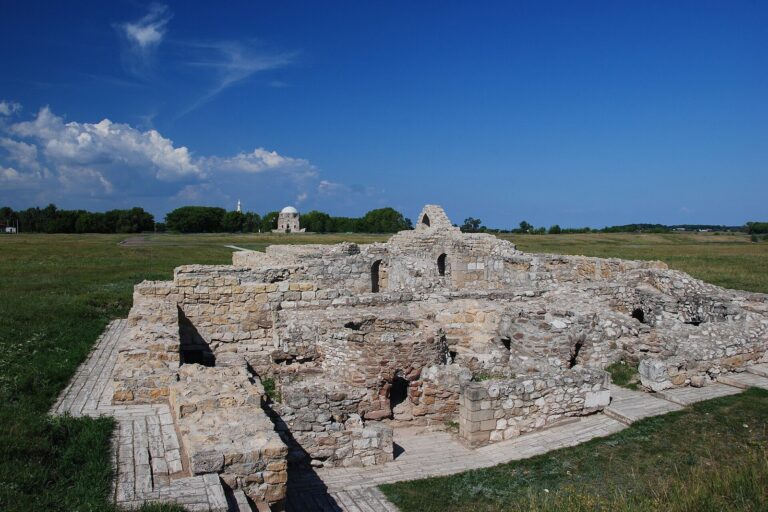
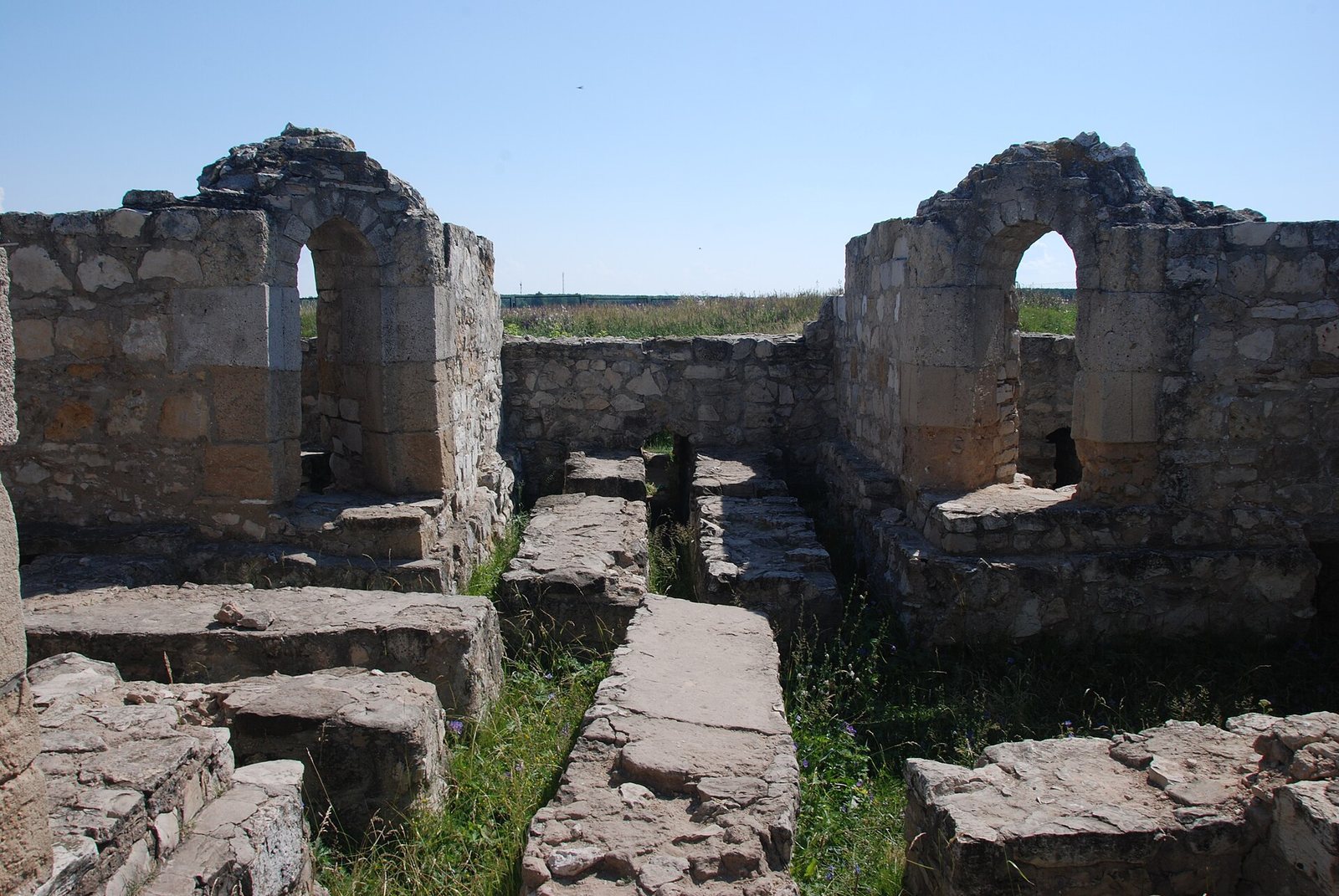
The archaeological complex covers 424 hectares and has a 12,101-hectare buffer zone. The city’s trading area included a large open square surrounded by homes of artisans, placing the craft quarter around a shared open space.
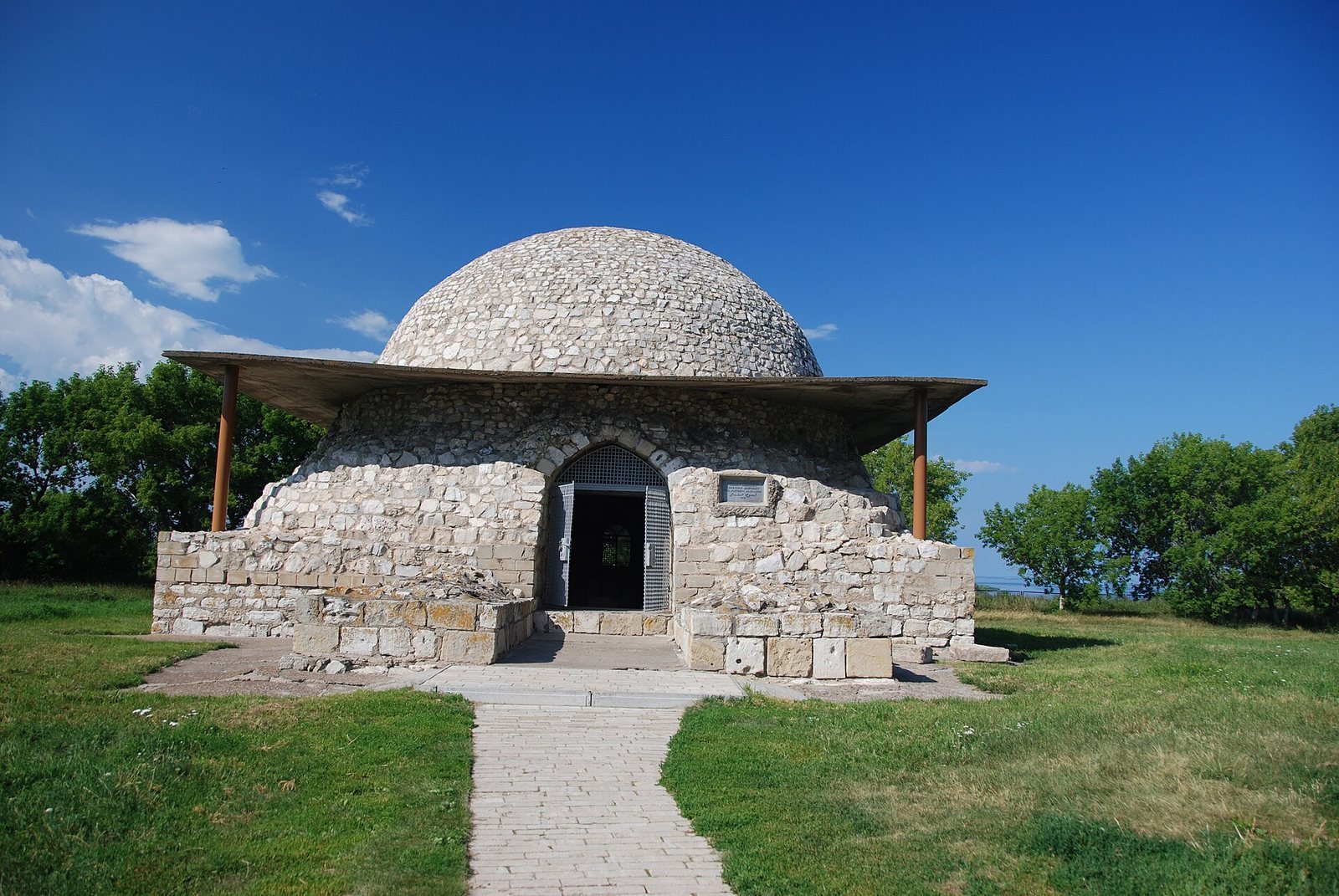
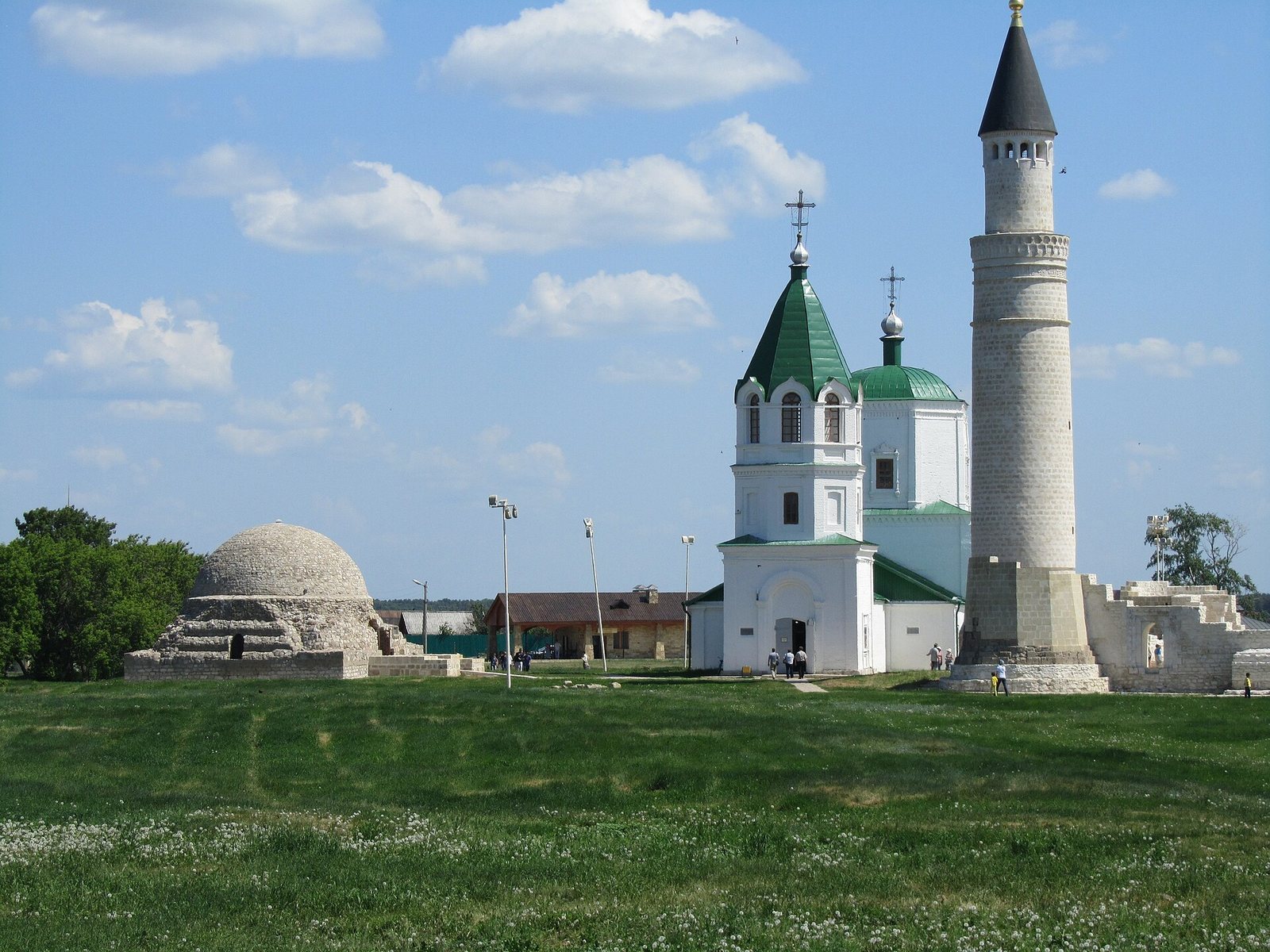
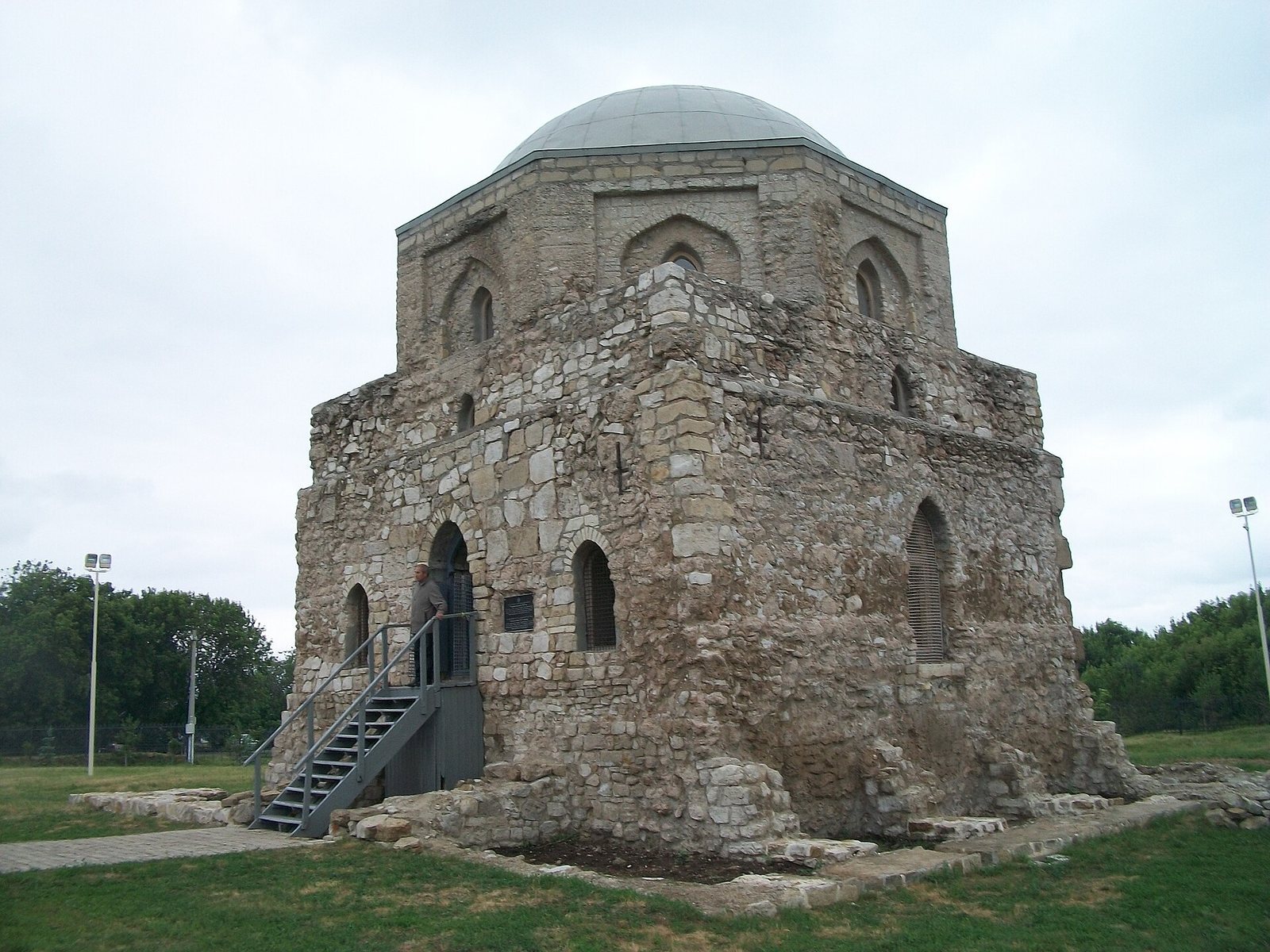
Buildings were erected after Bolgar became the Golden Horde’s first capital in 1242, and some survive in part. The principal surviving building groups are associated with the Golden Horde period. Archaeological work during modern restoration and development uncovered a palace ruin attributed to Batu’s era. The Great Minaret, a tower associated with a mosque and traditionally used for the call to prayer, has been reconstructed. Russian authorities defended the work by citing documentary evidence and the need for cold-resistant materials. A memorial structure was added to the archaeological area in 2012.