Björka Church: A Medieval Romanesque Church in Sweden
Site at a Glance
- Rating
- 4.5
- Popularity
- Very Low
- Country
- Sweden
- Primary era
- Medieval
- External website
- Open
- Eras represented
- Medieval
- Civilizations
- Danish
- Site type
- Religious
- Remains
- Church
On this page11 sections
History
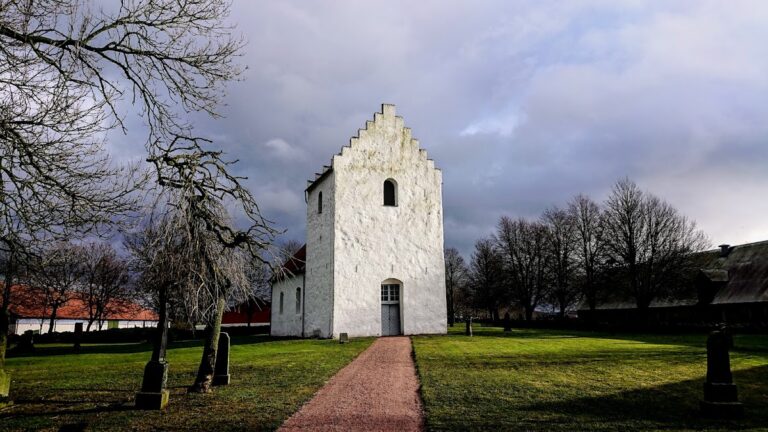
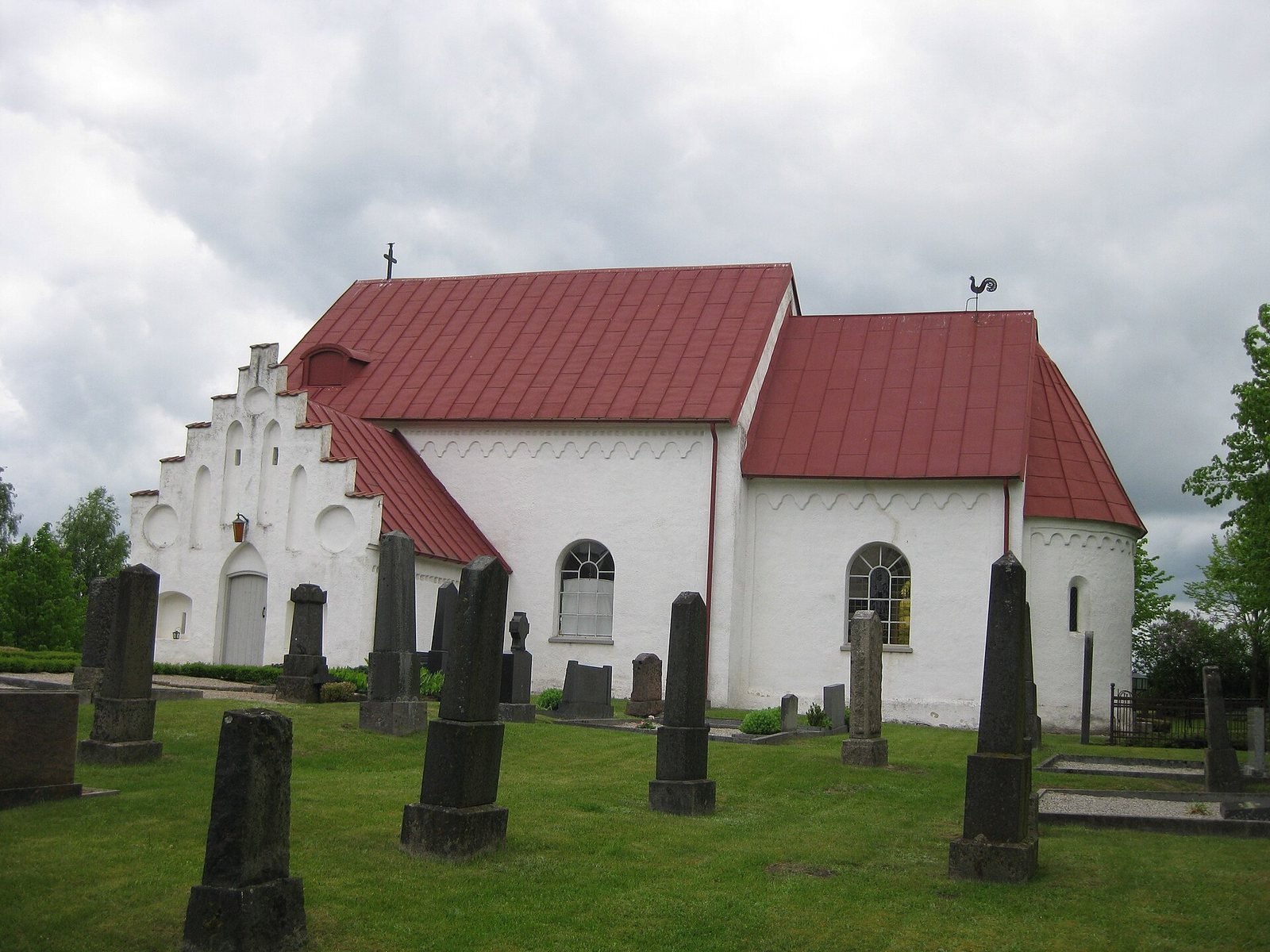
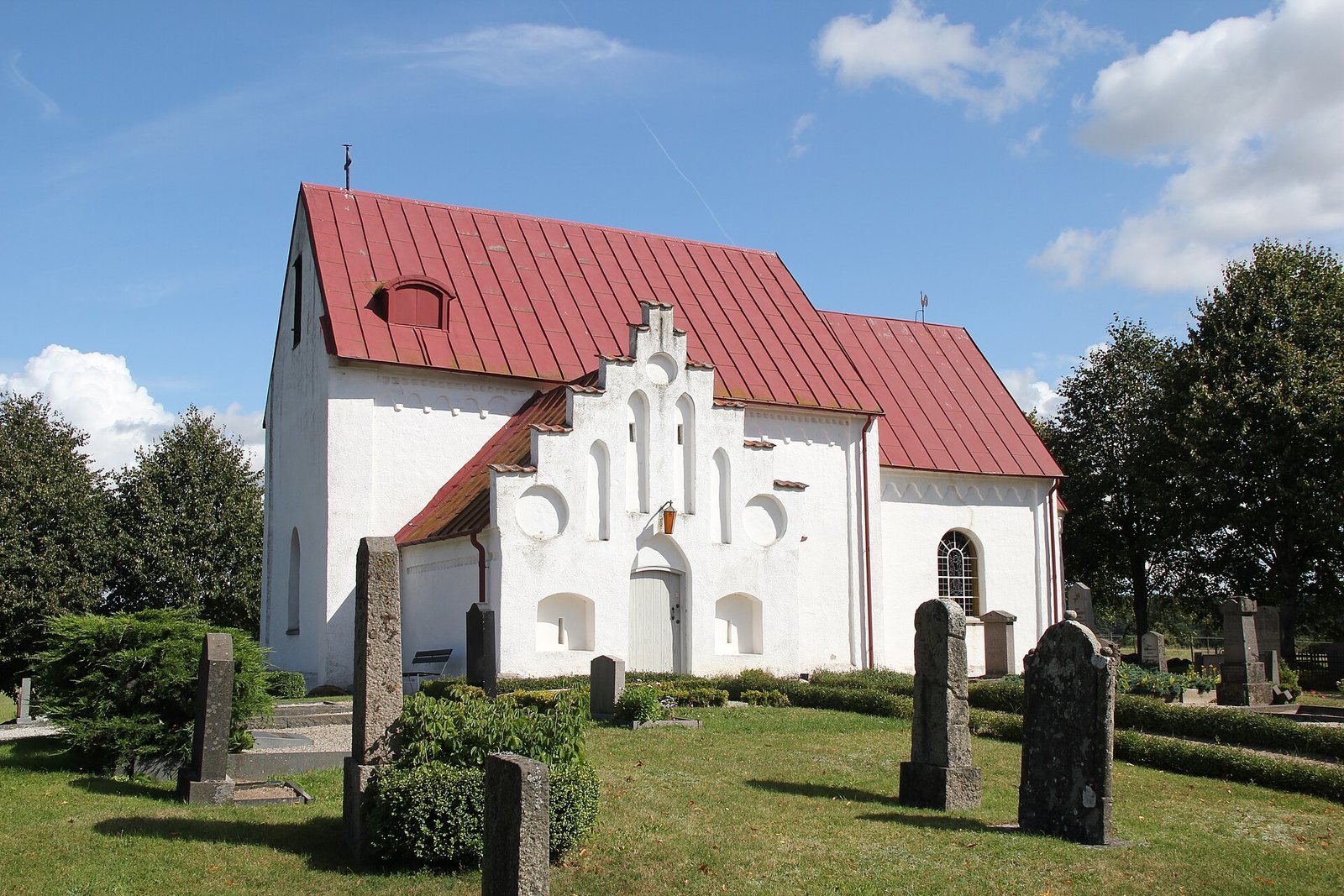
Björka Church is a Lutheran church in Sweden, founded and built in the middle of the thirteenth century in Björka village, Sjöbo Municipality. It is a Romanesque church, a medieval style marked by substantial masonry and rounded forms, and belongs to the Sjöbo parish of the Diocese of Lund within the Church of Sweden, Sweden’s Lutheran national church.
Medieval foundation and development
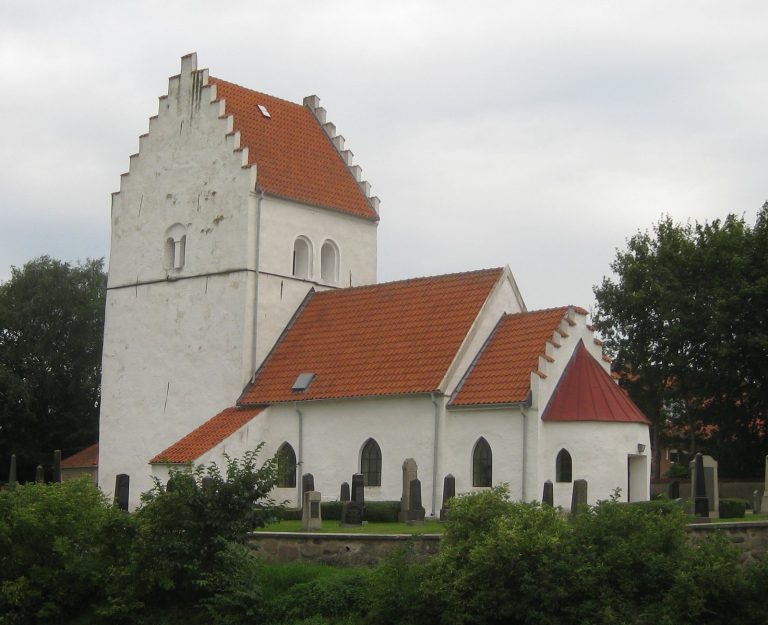
The church was constructed in the thirteenth century with a plan consisting of a nave, the main space for the congregation, a chancel around the altar, and an apse, the curved termination of the building. Its brick construction was an unusual choice for a medieval church in Scania. In the fifteenth century, the ceiling was strengthened with vaults, and a porch was added during the late Middle Ages. The church’s late-medieval rood cross, a large crucifix traditionally placed near the division between nave and chancel, was probably made at the end of the fifteenth century.
Later changes and preservation
A major renovation was carried out in 1929, followed by the installation of electrical heating in 1951 and an interior renovation in 1985. The late-medieval rood cross was held at the Historical Museum of Lund University from 1905 until 1985, when it was returned to Björka Church. Until 1983, services were accompanied by a harmonium. That year, a mechanical organ built by Anders Persson in 1977 was transferred from the new church at Södra Åsum, and it was reconstructed in 1985.
Remains
Björka Church retains an almost wholly intact medieval structure. The brick building follows its original arrangement of nave, chancel, and apse, while the later vaulted ceiling and porch reflect changes made during the church’s medieval development. The surviving fabric presents a compact Romanesque building whose principal construction material was distinctive in the regional context.
Exterior structures and bell equipment
A porch added during the late Middle Ages forms part of the surviving church fabric. The church’s bells were associated with a wooden belfry that formerly stood beside the building, an arrangement noted in 1796. A bell cast in 1691 was later found in the attic.
Historic furnishings and sacred objects
Processional cross
The oldest interior object is a copper processional cross from the twelfth century, with traces of gilding. Medallions on its four ends show the symbols of the Evangelists and four leaf buds. On the front, the crucified Jesus Christ appears with the hand of God the Father pointing toward the head of God the Son. The reverse depicts Saint Peter and four other saints. The cross is displayed during services.
Rood cross
The late-medieval rood cross is made of oak, with sculptural additions in birch. It shows the crucified Christ between the penitent and impenitent thieves. Above the penitent thief, an angel with barely visible wings holds an infant representing the repentant thief’s soul being taken into paradise.
Altar and baptismal font
The seventeenth-century altar is accompanied by a sculptural and painted altarpiece, the decorated structure positioned behind or above an altar. The altar table bears biblical quotations in Danish. The baptismal font, the vessel used for baptisms, is an eighteenth- or nineteenth-century wrought-iron work by a local craftsman.
Pulpit and pews
The pulpit dates from 1643 and carries depictions of the Baptism and the Transfiguration, the Last Supper, and the Evangelists. Seventeenth-century pews survive with paintings added in the eighteenth century.
Organ and textile
The mechanical organ was built in 1977 by Anders Persson, transferred to Björka Church in 1983, and reconstructed in 1985. The chancel also contains a textile made in 1961 by the Märta Måås-Fjetterström workshop, a Swedish weaving and textile-design workshop known for church furnishings.