Bhatner Fort: A Historic Defensive Stronghold in Rajasthan
Site at a Glance
- Popularity
- High
- Country
- India
- Primary era
- Classical
- Eras represented
- Classical
- Civilizations
- Rajput
- Site type
- Military
- Remains
- Fort
On this page7 sections
History
Foundation and strategic role
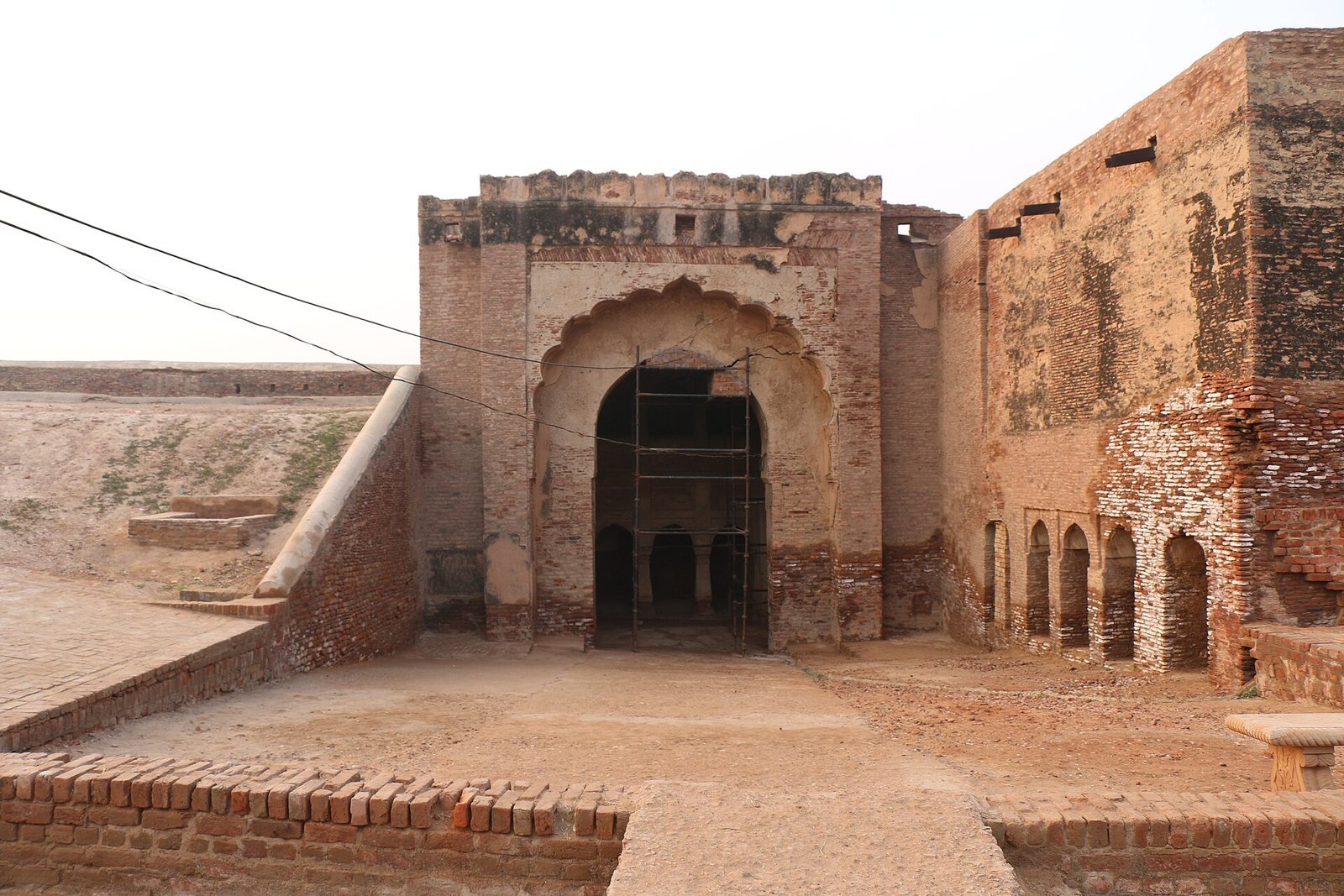
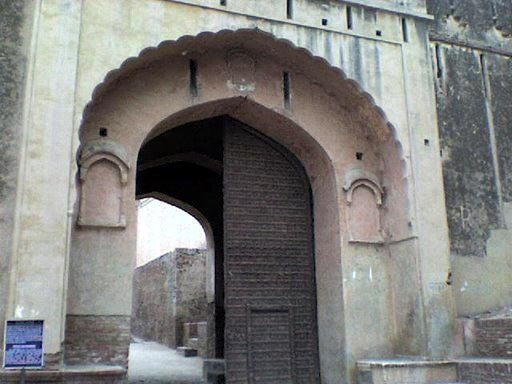
Bhatner Fort stands in Hanumangarh, Rajasthan, India. Bhupat, a king of the Bhati dynasty, built it in 295 CE as a secure stronghold and in memory of his father, Rao Bhatti. The name means “fortress of the Bhati,” and the fort is regarded as one of India’s oldest. Its position on an invasion route from Central Asia made it an important defensive barrier.
Timur’s capture
During Timur’s invasion of India in 1398, the Central Asian conqueror defeated Rai Dul Chand, the Bhati ruler, and captured Bhatner. Rajput and Muslim forces had fought together under Rai Dul Chand. The fort was later sacked, and the city was burned and laid waste. In his autobiography, the Tuzuk-e-Timuri, Timur described Bhatner as one of India’s strongest and most secure forts. The Mughal emperor Akbar also described it in the Ain-i-Akbari, a work about his empire and its administration.
Regional rule and renaming
Bhatis, Johiyas, and Chayals held Bhatner until 1527, when Rao Jet Singh of Bikaner captured it. In later periods, the fort came under Mughal control twice and was also held by the ruling families of the Chayals and Bikaner. In 1805, Soorat Singh of Bikaner captured it. After his victory on a Tuesday, traditionally associated with the Hindu deity Hanuman, he renamed Bhatner Hanumangarh. The fort remained under Bikaner’s control until Rajasthan was formed. The Archaeological Survey of India, the national body responsible for archaeological research and monument protection, protects the fort as a monument.
Remains
Plan and defenses
On the bank of the Ghaggar River, the fort covers 52 bighas, a traditional land-area unit whose size varies by region. Its brick-built plan is shaped like a parallelogram. Each side has twelve bastions, projecting defensive structures designed to help guard the walls and approaches.
Archaeological finds
Wells along the fort wall have yielded Painted Grey Ware, grey pottery with painted decoration dating to about 1100–800 BCE, and Rang-Mahal Ware dating to the 1st–3rd centuries CE.